Tools & materials you'll need
Affiliate linksAs an Amazon Associate FixlyGuide earns from qualifying purchases — at no extra cost to you. Prices and availability are accurate as of publication and subject to change.
Quick Answer
Many common shower drain clogs can be cleared effectively in under 30 minutes using basic tools like a drain snake, pliers, or even a straightened coat hanger. The key is to physically remove the hair and soap scum buildup rather than trying to dissolve it. Avoiding harsh chemical drain cleaners protects your pipes and the environment, and with a few simple techniques, you can tackle most clogs yourself.
The Problem
You step into the shower, turn on the water, and within moments, you're standing in a small pond. The water drains sluggishly, or not at all, a clear sign of a significant blockage. This common household plumbing issue is almost universally caused by a combination of shed hair, soap scum, and sometimes even small debris like lost shampoo caps or lint from clothes. Over time, these materials combine into a sticky, stubborn mass that adheres to the inside of your drainpipes, restricting water flow until it eventually stops completely. While frustrating, it's rarely a sign of a major plumbing catastrophe and can often be resolved with a bit of elbow grease and the right approach.
How It Works
Your shower drain system is relatively simple. Water flows from the showerhead, through the drain cover, into the P-trap (a U-shaped section of pipe designed to hold a small amount of water to prevent sewer gases from entering your home), and then into the main waste line. Most shower clogs occur within the first 12-18 inches of the drain opening, often right within the P-trap itself or just before it.
Hair, being fibrous, easily catches on any rough edges or imperfections inside the pipe. As soap scum (a combination of soap, body oils, and minerals in hard water) washes down, it coats the hair, creating a sticky matrix that traps even more hair and debris. This ever-growing obstruction acts like a dam, preventing water from flowing freely. Chemical drain cleaners attempt to dissolve this organic matter, but they rarely fully clear the blockage and can leave behind gummy residue that attracts new clogs. More importantly, these caustic chemicals can corrode older pipes, especially PVC or galvanized steel, and pose a significant safety risk if they splash onto skin or eyes. Understanding that it's a physical blockage, rather than just a build-up that needs dissolving, is the first step to a successful chemical-free clear.
Step-by-Step Fix
Before you begin, always put on gloves and safety glasses. Have a bucket and old towels ready for any spilled water.
1. Remove the Drain Cover — Gain access to the clog.
Most shower drain covers are either snap-on, have a single screw in the center, or are held in place by two small screws. Use a screwdriver (Phillips or flathead, depending on your cover) to remove any screws. If it's a snap-on cover, gently pry it up with a flathead screwdriver or your fingers. Once removed, set it aside. This is often where the first obvious signs of a clog (matted hair) become visible.
2. Clear Visible Debris — First line of defense.
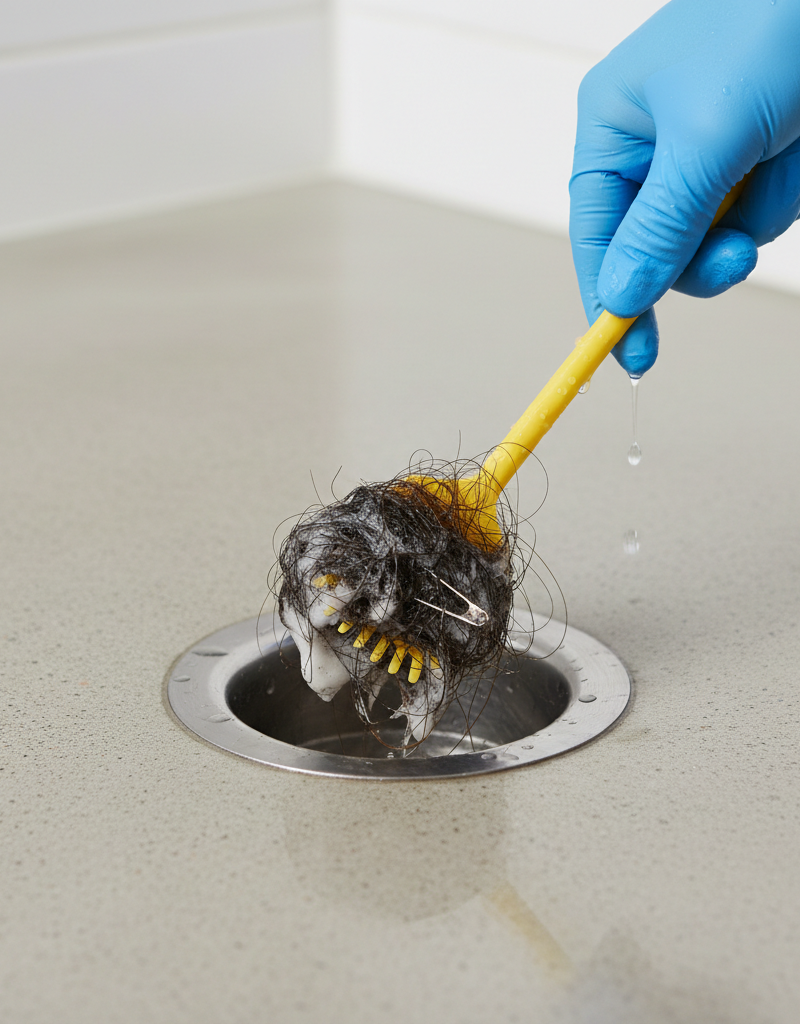
With the drain cover off, use a pair of needle-nose pliers or even gloved fingers to pull out any hair, soap scum, or other debris that is visible and within reach. You'd be surprised how much gunk can be just sitting at the top of the drain. Dispose of this directly into a trash can, not back into the toilet or another drain.
3. Use a Drain Snake or Hair Clog Remover — The most effective method.
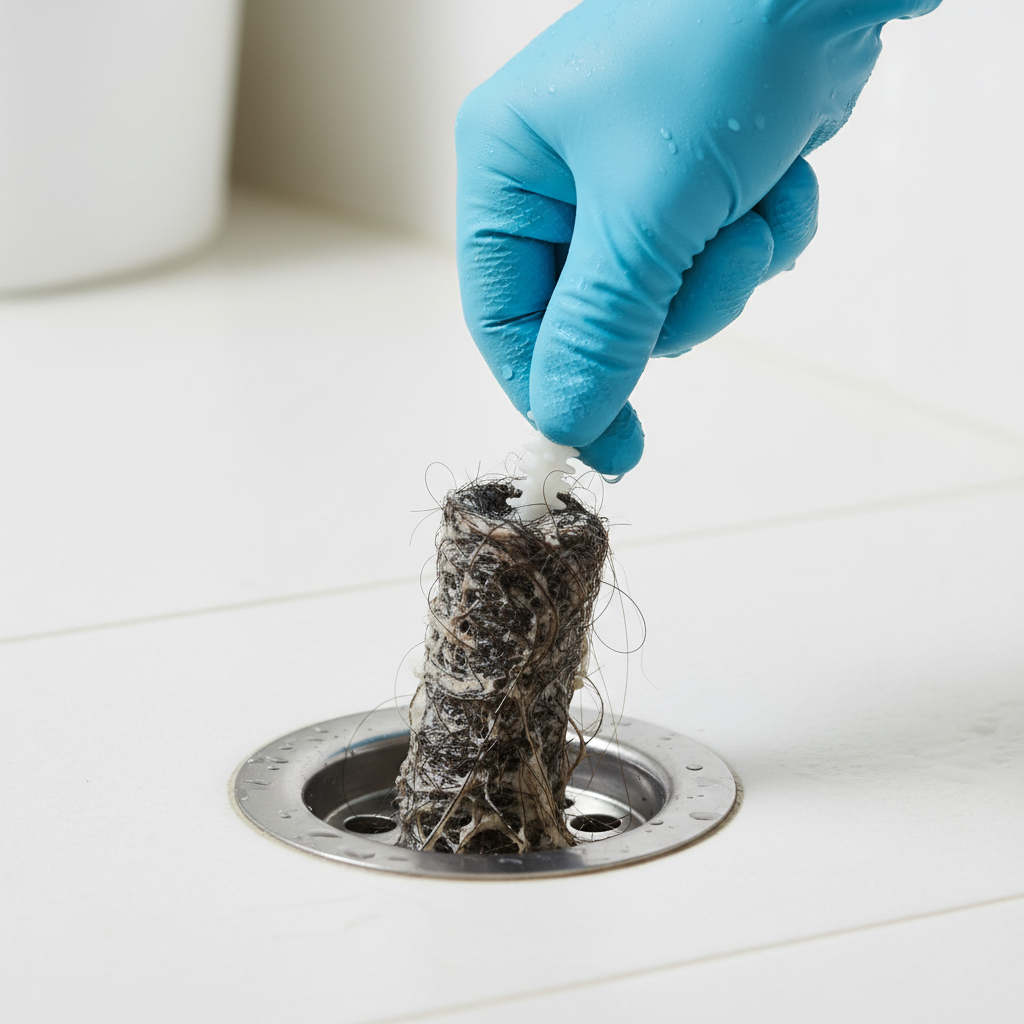
A plastic drain snake (also called a zip-it tool) is inexpensive and highly effective for most shower clogs. Gradually feed the snake into the drain opening, pushing past any resistance until you feel it hook onto the clog. Twist the snake as you push and pull it to dislodge and retrieve the hair and debris.
- If you don't have a drain snake: A straightened wire coat hanger can work in a pinch. Bend a small hook on one end. Carefully feed it into the drain, fishing for the clog. Be gentle to avoid scratching or damaging the pipes.
- Run hot water: After retrieving as much debris as possible, run hot water down the drain for a few minutes. This helps flush away any remaining loose material and soap scum.
4. Try Boiling Water (with caution) — For minor residual clogs.
If the drain is still slow but improved after snaking, carefully pour a kettle of boiling water down the drain. This can help melt residual soap scum and grease.
- Safety Note: Do NOT use boiling water if you have PVC pipes and previously tried a chemical drain cleaner, as the combination can create dangerous fumes or even soften the plastic. If you've recently used chemicals, skip this step entirely.
5. The Baking Soda and Vinegar Method — A natural fizz for lingering issues.
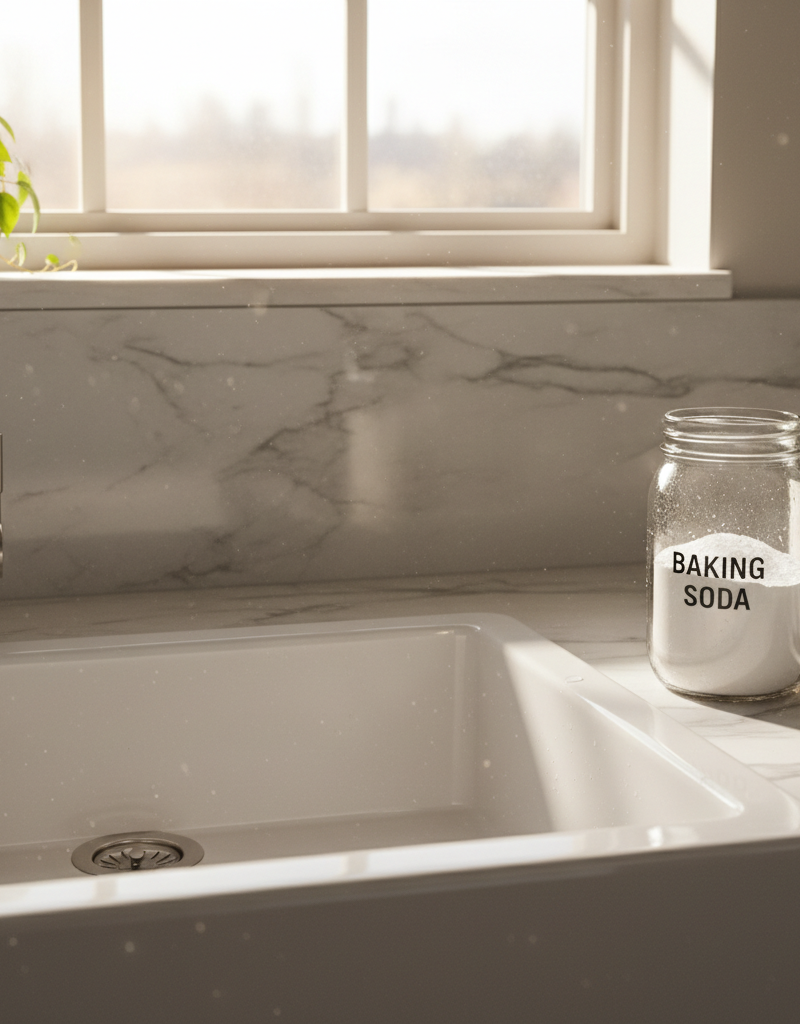
For persistent but not fully blocked clogs, a natural enzymatic reaction can help. Pour 1 cup of baking soda down the drain, followed by 1 cup of white vinegar. The mixture will fizz. Let it sit for 30 minutes to an hour (or even overnight for tough clogs). The fizzing action helps break down organic matter.
- After waiting: Flush the drain thoroughly with hot water.
6. Reassemble the Drain — Test and secure.
Once the drain is clear, replace the drain cover, securing any screws. Run the shower water to ensure it drains freely and there are no leaks.
Common Causes
- Hair Buildup: The primary culprit. Hair (human and pet, if washed in the shower) gets caught on drain components and accumulates.
- Soap Scum: A mix of soap, body oils, and hard water minerals that sticks to pipes and acts as a binder for hair and other debris.
- Small Objects: Dropped shampoo caps, small toys, product lids, or even lint from clothing can contribute to blockages.
- Grease and Oils: While more common in kitchen sinks, body oils and some creamy hair products can contribute to a greasy buildup in shower drains.
- Tree Root Intrusion (Rare for Showers): Extremely uncommon for a shower drain specifically, but if multiple drains are slow and you have older pipes, tree roots could be a deeper issue in the main sewer line. This would require professional assessment.
Common Mistakes
- Pouring Chemical Drain Cleaners: These are corrosive, can damage pipes (especially older PVC or galvanized), are ineffective on many hair clogs, and pose a severe safety hazard. They also leave behind a gummy residue that attracts future clogs.
- Not Removing the Drain Cover: Many DIYers try to clear the drain with the cover still on, missing the most accessible part of the clog.
- Forcing a Snake or Hanger: Aggressively pushing a drain snake or coat hanger can scratch pipes or even get the tool stuck, making the problem worse.
- Ignoring the P-Trap: The P-trap is a common location for clogs. If accessible via a clean-out plug, it's a prime spot for inspecting and clearing blockages.
- Not Flushing Thoroughly: After clearing a physical clog, failing to flush with hot water can leave behind loose debris that quickly forms a new blockage.
Frequently asked questions
How do you unclog a shower drain full of hair?+
The most effective way is to use a plastic drain snake (also known as a zip-it tool) or needle-nose pliers to physically pull the hair and soap scum out of the drain. Feed the snake slowly into the drain, twist it to hook the hair, and then pull the clog out. Avoid chemical drain cleaners, as they can damage pipes and aren't always effective on hair.
Can baking soda and vinegar really clear a clogged shower drain?+
Baking soda and vinegar can help with minor clogs or as a follow-up to physical removal. The fizzing reaction helps to loosen and break down soap scum and organic matter. Pour 1 cup of baking soda, followed by 1 cup of white vinegar, let it sit for 30 minutes to an hour, then flush with hot water. It's less effective on large, stubborn hair clogs.
When should I call a plumber for a clogged shower drain?+
You should call a plumber if you've tried several DIY methods (like snaking and the baking soda/vinegar method) and the drain remains blocked. Also, call a professional if multiple drains in your home are clogged simultaneously, as this could indicate a more serious issue in your main sewer line that requires specialized equipment and expertise.
How can I prevent future shower drain clogs?+
The best prevention is regular maintenance. Install a hair catcher over your drain to trap hair before it enters the pipes. Regularly flush your drain with hot water after showers. Every month or two, pour a cup of white vinegar down the drain, let it sit for 30 minutes, then flush with hot water to help break down soap scum before it builds up.
Discussion
Loading comments…