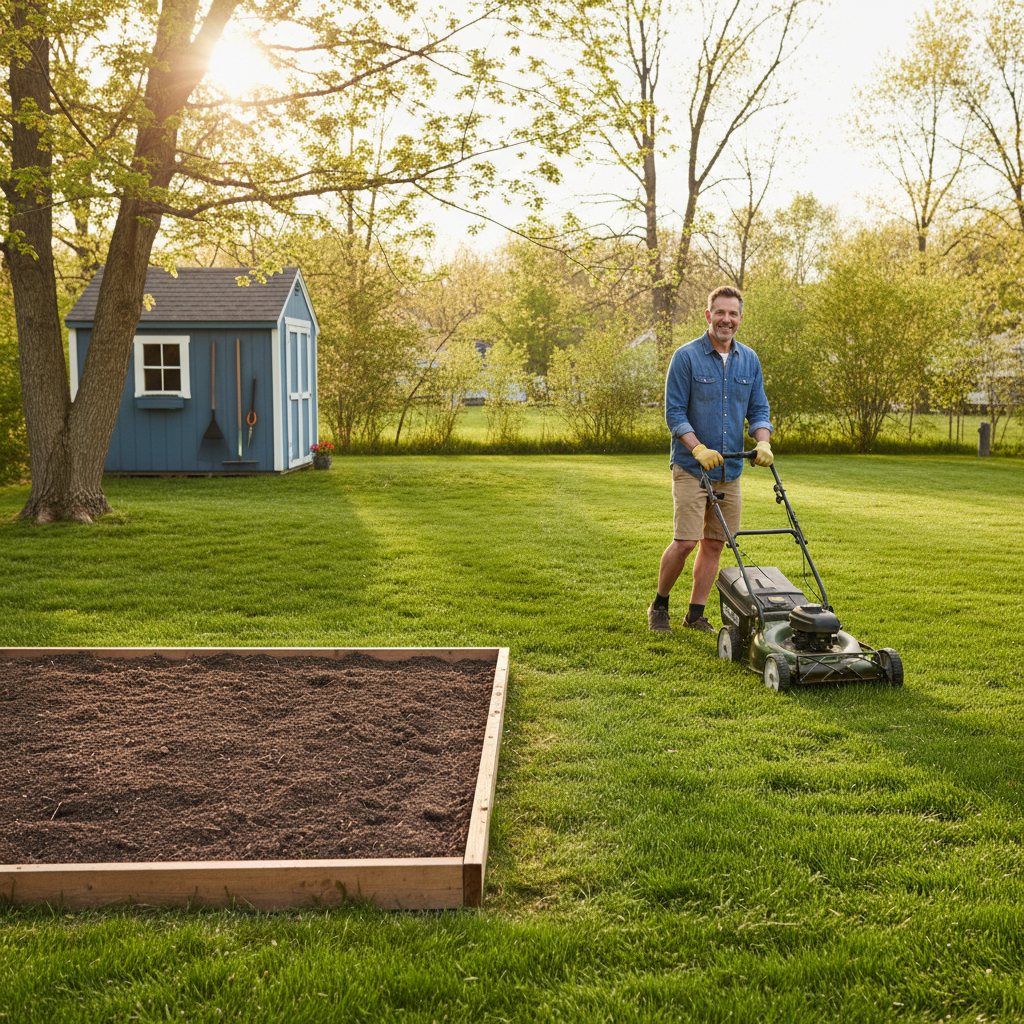
Tools & materials you'll need
Affiliate links- AmazonLeaf rake or blowerFor efficient removal of leaves and debris
- AmazonCore aeratorCan be rented from a local hardware store
- AmazonBroadcast spreaderFor even application of fertilizer and herbicides
- AmazonGarden glovesFor protection during application and handling
- AmazonSafety glassesFor eye protection when using equipment and chemicals
- AmazonGarden hoseFor light watering after application, if recommended
- AmazonAir compressorIf winterizing an irrigation system yourself
- AmazonHose-end sprayerFor liquid pre-emergents, if applicable
As an Amazon Associate FixlyGuide earns from qualifying purchases — at no extra cost to you. Prices and availability are accurate as of publication and subject to change.
Quick Answer
The single biggest secret to minimal spring yard work is thorough fall preparation. By properly clearing leaves, aerating, and applying a pre-emergent herbicide in autumn, you create a healthier soil foundation that suppresses spring weeds and reduces disease, saving you hours and dollars when warm weather arrives.
The Problem
Every spring, countless homeowners face a daunting yard. Weeds seem to explode overnight, the lawn looks lackluster, and the prospect of getting everything in shape feels overwhelming and costly. This annual struggle isn't just about the work itself; it's often a direct result of missed opportunities and specific actions not taken (or taken incorrectly) during the preceding fall and winter. Homeowners often view spring as the start of yard work season, when in reality, the true foundation for a beautiful, manageable spring yard is laid months earlier. Without proper fall preparation, you're essentially playing catch-up from the moment the temperatures rise, leading to more intensive weeding, fertilizing, and potential disease control, consuming precious weekend hours and increasing your budget for supplies.
How It Works
To understand why fall preparation is so critical, it helps to understand the life cycle of common weeds and the needs of your lawn. Many problematic spring weeds, like crabgrass, germinate when soil temperatures consistently reach 55-60°F. However, their seeds are often deposited in the fall or persist through winter. If these seeds are left undisturbed or, worse, nourished prematurely by a thick layer of matted leaves, they have a head start.
Similarly, your lawn (especially cool-season grasses prevalent in many regions) enters a period of dormancy in winter but stores energy in its root system. A thick blanket of leaves left over winter can smother the grass, blocking sunlight, trapping excessive moisture, and creating an ideal environment for fungal diseases like snow mold. Furthermore, compacted soil, often a result of heavy foot traffic or equipment use during warmer months, restricts water and nutrient uptake by grass roots. Aerating in the fall creates small holes, allowing air, water, and nutrients to penetrate deeper, encouraging stronger root growth throughout the dormant season and setting the stage for vigorous spring growth.
Applying a 'late' fall or 'dormant season' fertilizer (typically a low-nitrogen, high-potassium formula) provides essential nutrients that are stored by the grass, promoting root development and enhancing disease resistance throughout winter, which translates to a quicker green-up and healthier stand in spring. A pre-emergent herbicide, applied in late fall or very early spring before soil temperatures reach the critical germination point, forms a barrier that prevents weed seeds from developing. This proactive approach is significantly more effective and less labor-intensive than battling mature weeds later.
Step-by-Step Fix
-
Thorough Fall Leaf Removal — Don't wait for spring to clear them all.
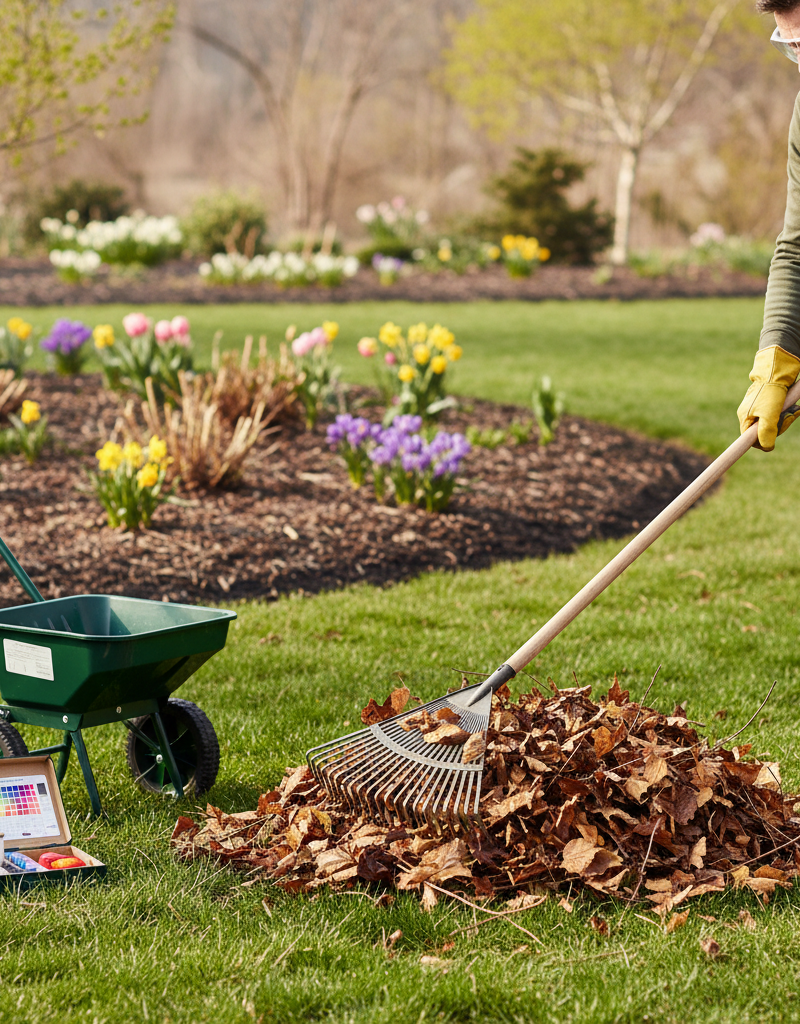
- Remove every leaf from your lawn before the first heavy snowfall. Matted leaves trap moisture and create ideal conditions for fungal diseases like snow mold, which can devastate your lawn come spring. Use a rake, leaf blower, or mulching mower. Mulching them fine can return nutrients to the soil, but ensure there isn't a thick, smothering layer. Small leaves (like birch) can often be mulched directly into the lawn. Larger leaves (like oak or maple) are best removed or composted.
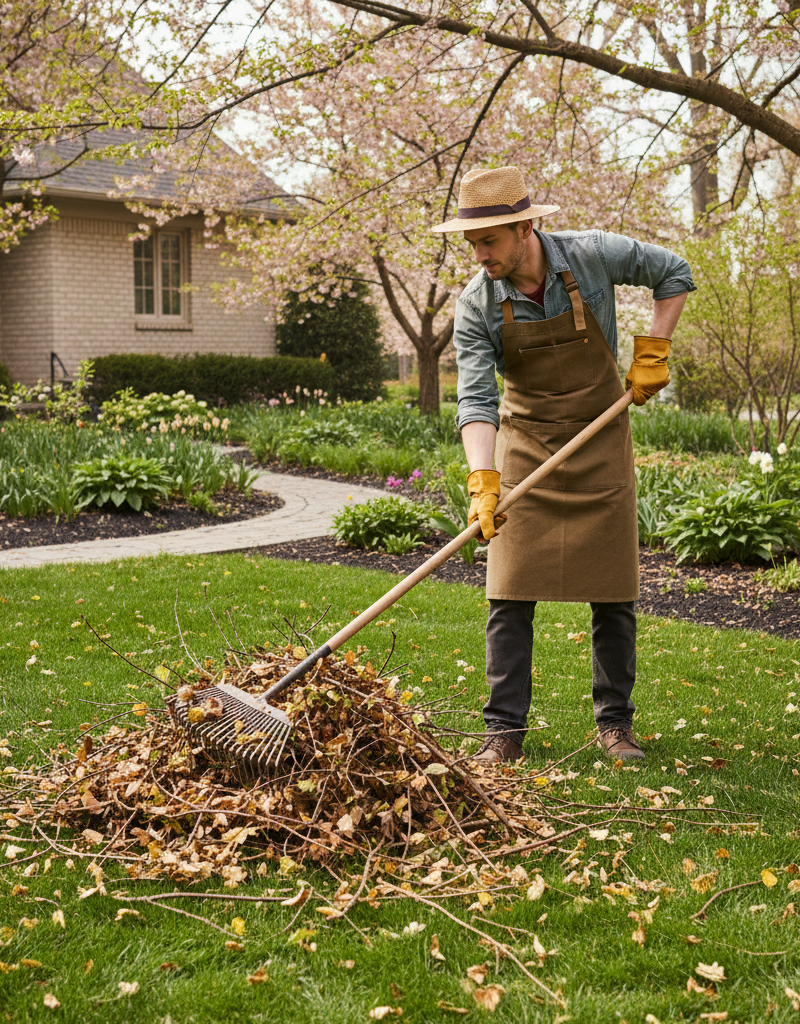
- If this wasn't done: In spring, you'll need to meticulously rake up any matted leaf debris before your grass can properly grow. This will take significantly more effort as the leaves will be wet, compacted, and sometimes harboring disease.
-
Aerate Your Lawn (Fall Preferred, Early Spring if Missed) — Let your lawn breathe.
- In Fall: This is the ideal time. Use a core aerator to pull out small plugs of soil, relieving compaction and allowing water, air, and nutrients to penetrate the root zone more effectively. This promotes stronger root growth over winter. Aim for 2-3 passes over high-traffic areas.
- In Early Spring: If you missed fall aeration, do it as soon as the ground thaws and isn't too soggy. This will still provide benefits, but fall aeration allows for better root development ahead of winter stress. Water the lawn lightly the day before to soften the soil.
- Tools: Rent a core aerator from a local hardware store or garden center. They can be heavy but are highly effective. Alternatively, a spike aerator offers some benefit, but core aeration is superior for compaction.
-
Apply a Dormant Season Fertilizer (Late Fall) — Feed the roots for spring vigor.
- Choose a slow-release, high-potassium, low-nitrogen fertilizer (e.g., 5-10-20 or 0-0-7 with iron). This encourages root development and winter hardiness rather than top growth. Apply around 4-6 weeks before the ground freezes, typically October or early November in many regions. Aim for 1-1.5 pounds of potassium per 1,000 square feet.
- If this wasn't done: Your spring lawn will likely be slower to green up and may appear weaker. You'll need to apply a balanced spring fertilizer once temperatures consistently rise, but the foundation won't be as strong.
-
Strategic Pre-Emergent Herbicide Application (Late Fall or Very Early Spring) — Stop weeds before they start.
- Fall application: For cool-season weeds (like henbit, chickweed) that germinate in fall or early winter, apply a pre-emergent when soil temperatures drop to 55-60°F. This creates a barrier against early spring weed emergence.
- Early Spring application: For warm-season weeds (like crabgrass), apply when soil temperatures are consistently 50-55°F for several days, before germination. This is often when forsythia bushes are blooming. Don't apply too early or too late. Check your local university extension office for specific timing for your region. Do not apply if you plan to overseed your lawn in the spring, as it will also prevent grass seed from germinating.
- Safety Note: Always read and follow all manufacturer instructions for herbicides, including wearing appropriate personal protective equipment (gloves, eye protection). Pay attention to broadcast spreader settings.
-
Clean and Store Garden Tools Properly (Fall) — Prevent rust and extend lifespan.
- Clean soil and debris from all shovels, rakes, hoes, and pruners. Sharpen blades and oil metal parts to prevent rust. Store them in a dry place. This ensures they are ready for immediate use in spring, saving you prep time and the cost of replacing rusted tools and clogged hoses.
- If this wasn't done: You'll spend valuable spring time cleaning and likely repairing or replacing rusty, stiff tools and hoses. This can delay your actual yard work.
-
Winterize Irrigation Systems (Late Fall) — Prevent costly burst pipes.
- Especially in colder climates, blow out sprinkler lines with an air compressor to remove all water. Even a small amount of water freezing can burst pipes and sprinkler heads, leading to expensive repairs in spring. Disconnect and drain garden hoses.
- If this wasn't done: A burst pipe or sprinkler head can lead to significant water waste, property damage, and a costly call to a professional to diagnose and repair. Test your system carefully in spring for leaks before full use.
-
Address Any Drainage Issues (Fall) — Prevent spring sogginess/erosion.
- Observe your yard during heavy rains in fall. Are there areas where water pools or runs off excessively? Addressing these with minor regrading, French drains, or rain gardens in fall is easier than trying to work with soggy ground in spring. Standing water encourages disease and mosquito breeding.
- If this wasn't done: You'll face muddy, unworkable areas in spring, potentially delaying planting or lawn care. The problem may worsen with spring rains.
Common Causes
- Neglected Fall Cleanup: Leaving a thick layer of leaves or debris on the lawn over winter smothers grass, promotes fungal diseases, and provides shelter for pests. This is the single biggest cause of spring lawn struggles.
- Skipped or Untimely Aeration: Compacted soil prevents grass roots from accessing essential water and nutrients, leading to a weaker, less resilient lawn that struggles in spring.
- No Dormant Season Fertilization: Missing a late-fall fertilizer application means your lawn doesn't have the stored energy to green up quickly and robustly in the spring, leaving it open to stress and disease.
- Ignoring Pre-Emergent Herbicides: Failing to apply a pre-emergent at the correct fall or very early spring timing allows weed seeds to germinate uncontrollably, leading to a significant weed problem that is much harder to tackle once established.
- Improper Tool Storage: Leaving tools exposed to the elements leads to rust, dull blades, and seized parts, adding unexpected repair or replacement costs and delaying spring tasks.
- Unaddressed Drainage Issues: Persistent standing water from fall rains can compact soil further, drown grass, and create a breeding ground for pests, making spring repair a muddy, difficult task.
Common Mistakes
- Waiting Until Spring for All Cleanup: Don't delay significant leaf removal until spring. The longer leaves sit wet and matted, the more damage they cause. Remove them completely in the fall.
- Applying Pre-Emergent Too Late (or Too Early): Timing is everything with pre-emergents. Apply too late, and weeds have already germinated. Apply too early in spring, and its effectiveness might wear off before problem weeds emerge. Monitor soil temperatures and local recommendations.
- Fertilizing with High Nitrogen in Fall: A high-nitrogen spring-style fertilizer in fall promotes tender top growth that is vulnerable to winter kill. Stick to low-nitrogen, high-potassium formulas for dormant feeding.
- Not Calibrating Your Spreader: Uneven fertilizer or herbicide application leads to striped lawns (from too much or too little product) and wasted material. Always calibrate your spreader according to product instructions.
- Ignoring Irrigation Winterization: In cold climates, failing to blow out sprinkler lines is an expensive mistake guaranteed to lead to burst pipes and shattered heads when temperatures drop.
- Using Dull or Dirty Tools: Starting spring with dull shears, rusty shovels, or clogged sprayers makes every task harder, less efficient, and can even damage plants. Clean and sharpen tools in the fall.
Cost & Time Breakdown
| Task | DIY cost | Pro cost | Time |
|---|---|---|---|
| Fall Leaf Removal | $0–$50 | $150–$400 | 1–4 hours |
| Core Aeration (rental) | $80–$150 | $100–$250 | 2–3 hours |
| Dormant Fertilizer | $30–$60 | Included in svc | 30–60 minutes |
| Pre-Emergent Herbicide | $25–$75 | Included in svc | 30–60 minutes |
| Tool Cleaning/Maintenance | $0–$20 | N/A | 1–2 hours |
| Irrigation Winterization (DIY) | $0 (if compressor) | $75–$150 | 30–60 minutes |
Tips & Prevention
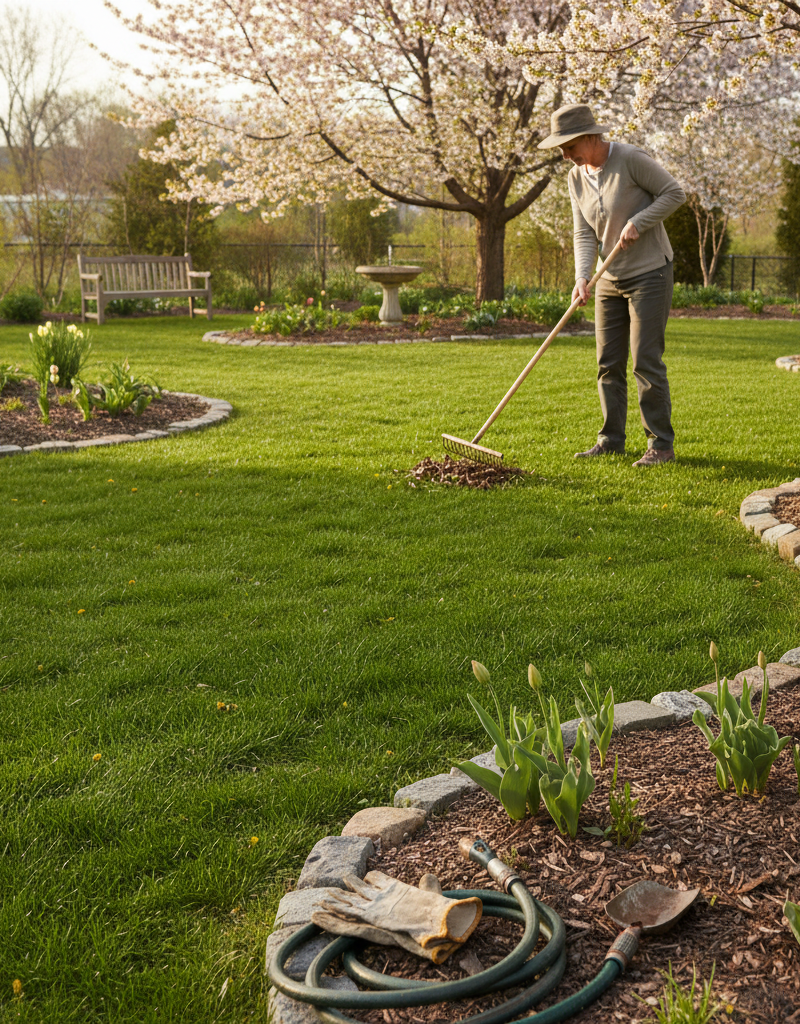
- Regular Fall Leaf Blowing/Raking: Don't let leaves accumulate. Frequent, light cleanups in fall are far easier than one massive spring effort.
- Soil Test Annually or Biennially: Understanding your soil's pH and nutrient levels in fall allows you to amend it appropriately over winter, setting the stage for a healthier spring. Your local extension office often provides affordable testing.
- Integrated Pest Management (IPM): By promoting a healthy lawn through proper fall care, you naturally increase its resistance to pests and diseases, reducing the need for chemical interventions in spring.
- Mower Blade Sharpness: Ensure your mower blade is sharpened at the end of the season. A sharp blade makes a clean cut, promoting healthier grass and reducing disease susceptibility in spring. Dull blades tear grass, making it look ragged and brown.
- Protect Delicate Plants: In late fall, apply a layer of mulch around roses, perennials, and other delicate plants to insulate roots from winter's freeze-thaw cycles. This prevents
Related Articles
Keep troubleshooting with these hand-picked guides from FixlyGuide:
- The #1 Sprinkler Winterization Mistake That Costs Homeowners Thousands — Discover the crucial mistake many homeowners make winterizing sprinklers and how to avoid costly freeze damage with proper blowout techniqu…
- The 7 Critical Yard Prep Steps Smart Homeowners Never Miss (And Why) — Prepare your yard for a thriving spring with these essential steps, from soil testing to tool maintenance, ensuring a vibrant outdoor space.
- The #1 Summer Lawn Mistake Turning Your Grass Yellow (and How to Fix It) — Discover the most common summer lawn mistake that causes yellowing grass and learn the simple steps to revive your lawn.
- The #1 Sprinkler Winterizing Mistake That Leads to $1,000+ in Spring Repairs — Discover the crucial mistake many homeowners make when winterizing sprinkler systems, leading to costly spring repairs, and learn the right…
- The #1 Mistake Killing Your Dandelion-Fighting Efforts (and the Easy Fix) — Stop dandelions from taking over your lawn by understanding common mistakes and implementing effective, long-term solutions for a healthier…
- Wind Tore Off Your Shingles? The 7 Critical Steps Most Homeowners Miss — Discover the essential steps to take when roof shingles go missing after a storm, from immediate safety checks to temporary repairs and ins…
Get the print-ready PDF of this guide
A clean, ad-free, printable version you can keep on your phone or pin to the workshop wall. We'll also send occasional weekly tips matched to your home situation.
- Print-optimized layout
- Tools, materials & every step included
- Unsubscribe anytime
Frequently asked questions
How can I reduce weeds in my lawn next spring?+
The most effective way to reduce spring weeds is to apply a pre-emergent herbicide in late fall (for cool-season weeds) or very early spring (for warm-season weeds like crabgrass), before soil temperatures trigger germination. Thorough fall leaf removal also helps by eliminating potential hiding spots for weed seeds and fungal spores.
Is fall aeration really better than spring aeration?+
Yes, fall is generally the superior time for aeration. It relieves soil compaction, allowing air, water, and nutrients to penetrate deeper, which encourages robust root growth throughout the dormant season. This strengthens the turf, making it more resilient and ready for vigorous growth when spring arrives. Spring aeration can still be beneficial if fall was missed, but it's less ideal for long-term root development.
What's the most common mistake homeowners make with spring yard prep?+
The most common mistake is neglecting comprehensive fall cleanup and preparation. Many homeowners wait until spring to tackle problems like matted leaves, compacted soil, or weed seeds, which makes the work significantly harder, more time-consuming, and more expensive than if addressed proactively in the autumn.
What kind of fertilizer should I use in late fall?+
For late fall or dormant feeding, choose a slow-release fertilizer that is high in potassium and low in nitrogen (e.g., formulations like 5-10-20 or 0-0-7). Potassium helps strengthen the grass's root system and improves its winter hardiness and disease resistance, rather than promoting tender top growth that can be damaged by cold.
When should I winterize my sprinkler system?+
You should winterize your sprinkler system in late fall, before the first hard freeze is expected in your area. This typically involves using an air compressor to blow all water out of the lines, preventing it from freezing and causing costly pipe bursts or damage to sprinkler heads.
Discussion
Loading comments…