Tools & materials you'll need
Affiliate linksAs an Amazon Associate FixlyGuide earns from qualifying purchases — at no extra cost to you. Prices and availability are accurate as of publication and subject to change.
Quick Answer
If your sump pump runs constantly even when it's not raining, the most likely culprits are a stuck or improperly adjusted float switch, a failed check valve causing water to recirculate, or an undersized pump struggling with persistent groundwater. It can also indicate a high local water table or plumbing leaks feeding water into your foundation's drain system.
The Problem
It’s a sound that can drive a homeowner to distraction: the low, constant hum of a motor running in the basement. Your sump pump, the silent guardian of your foundation, has suddenly become a noisy, nonstop roommate. The confusing part? It hasn’t rained in days. The sky is clear, the ground is dry, yet the pump runs and runs, seemingly for no reason.
This isn't just an auditory annoyance. A continuously operating sump pump is a machine working itself to death. The motor isn’t designed for 24/7 operation; this constant use will lead to premature failure, leaving you unprotected when the next downpour inevitably arrives. Furthermore, your electricity bill is taking a significant hit. A sump pump motor, while small, consumes a surprising amount of power when it never cycles off. You’re paying to pump the same water over and over or fighting a battle against an invisible source of water, and your wallet is losing. The core of the problem is the uncertainty. Why is it running? Is my basement about to flood? Is the pump broken? This guide will help you answer those questions and reclaim the quiet peace of a properly functioning sump system.
How It Works
To diagnose the problem, you first need to understand the system. A sump pump is more than just a motor; it’s an automated water-removal assembly located in the lowest part of your basement or crawlspace. Think of it as a small, specialized well.
-
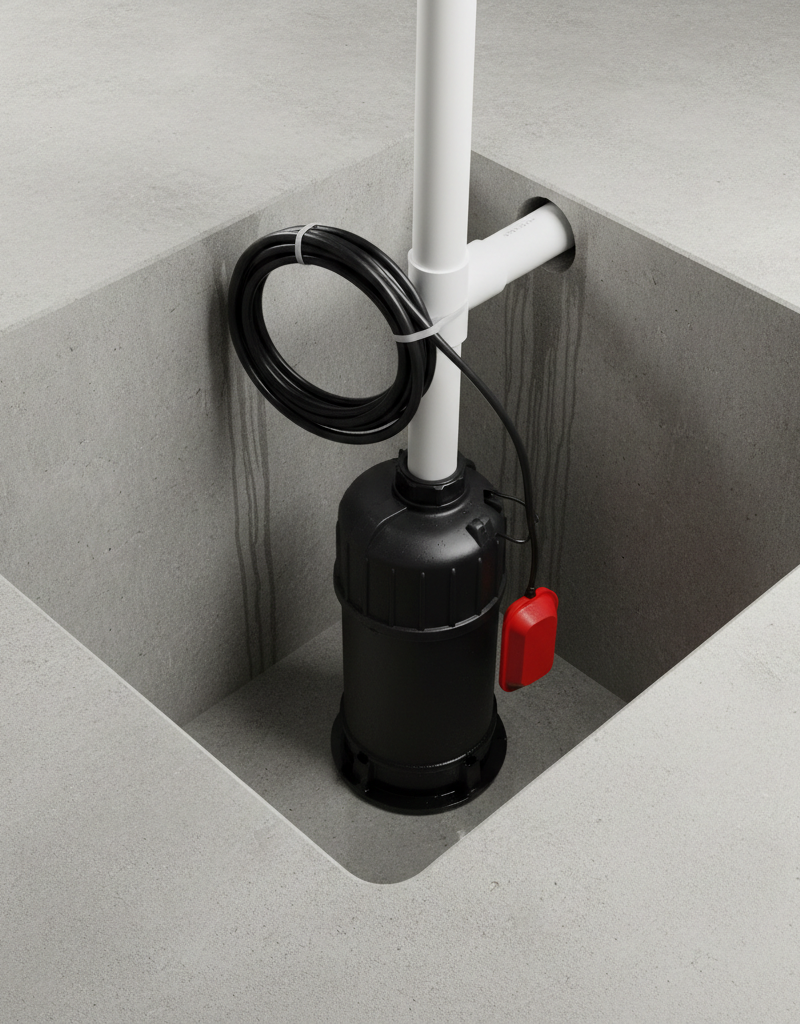
The Sump Pit (or Basin): This is the hole in your floor, typically lined with a heavy-duty plastic or fiberglass basin. Perforated drain pipes (called drain tile or French drains) installed around your foundation’s footing collect subsurface groundwater. Gravity feeds this water into the sump pit. This is its entire job: to be the designated collection point for water that would otherwise press against your foundation walls.
-
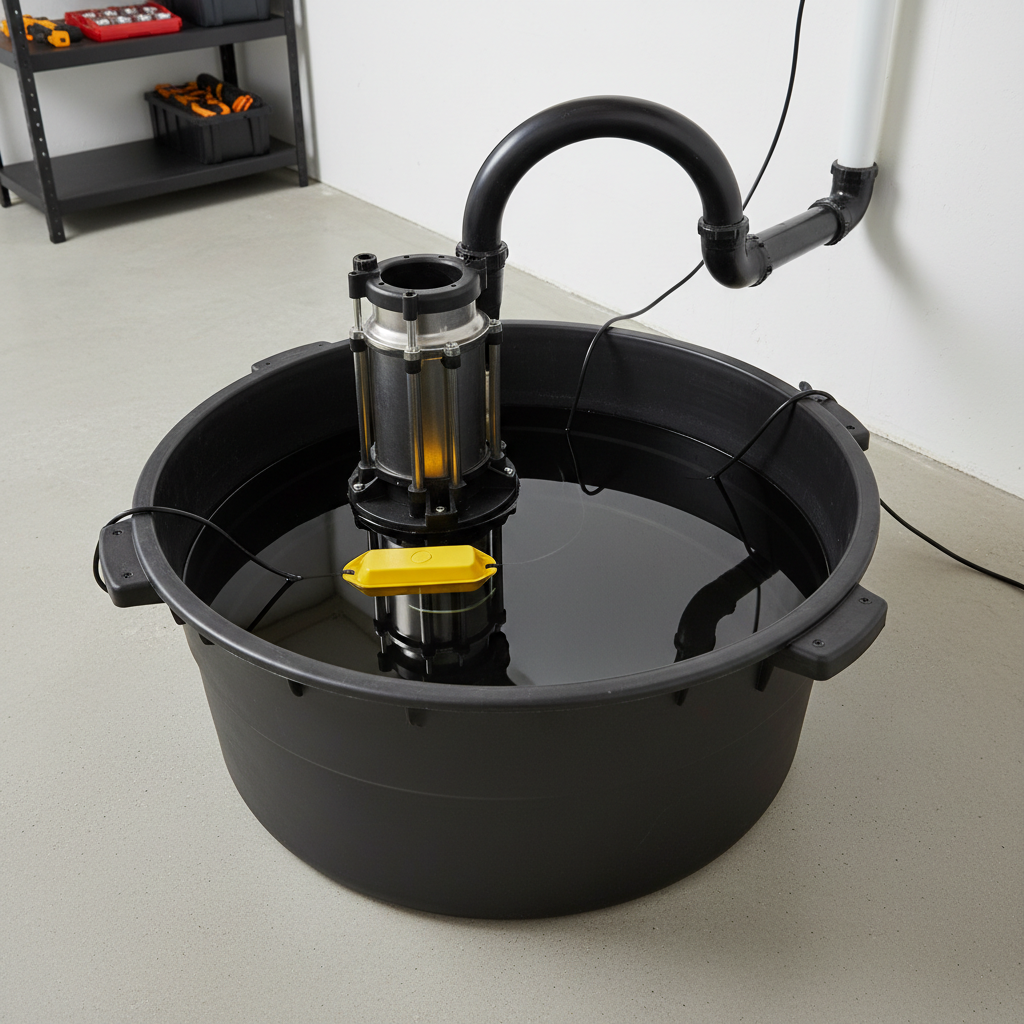
The Pump: At the heart of the system is the pump itself. Most modern residential pumps are submersible, meaning the entire unit sits down in the pit, underwater. A waterproof housing protects the electric motor. Older or some specialty systems use a pedestal pump, where the motor sits on a post above the pit, with only an intake pipe extending into the water. Both types have an impeller, which is like a propeller that forces water upwards through a pipe.
-
The Float Switch: This is the brain of the operation. It's a simple, buoyant switch that tells the pump when to turn on and off. As water flows into the pit, the float rises with it. When it reaches a preset "on" height, it closes an electrical circuit, activating the pump. The pump then ejects water, the water level falls, and the float lowers until it hits the "off" position, cutting power. It’s identical in principle to the float in your toilet tank.
-
The Discharge Pipe & Check Valve: When the pump activates, it forces water up a discharge pipe, out of your house, and away from the foundation. Crucially, a check valve is installed in this pipe. This is a one-way gate that allows water to flow out but snaps shut to prevent it from flowing back down into the pit after the pump turns off. Without it, a significant portion of the water you just paid to pump out would simply rush back in, forcing the pump to turn on again.
Step-by-Step Fix
Follow these diagnostic steps in order to systematically identify and solve the cause of your constantly running pump.
Safety Note: This process involves water and electricity. Before reaching into the sump pit or handling any components, disconnect all power to the pump. Most pumps have two plugs—one for the pump motor and one for the float switch that plugs into the first. Unplug them both.
-
Observe the Cycle — Before unplugging anything, watch and listen. Does the pump run for a minute, shut off for a few seconds, then immediately kick back on? This is called "short-cycling" and often points to a check valve issue. Or does it truly never shut off at all? This is more indicative of a switch problem or overwhelming water volume. The sound of gushing water returning to the pit right after the pump stops is a dead giveaway for a failed check valve.
-
Inspect the Float Switch — With the power disconnected, look closely at the float switch. It may be a "vertical float" on a rod, a "tethered float" that swings on a short cord, or an electronic probe. Is it tangled around the pump or its power cord? Has debris (mud, gravel, or even a lost toy) wedged it in the "on" position? Sometimes the vibration of the pump can cause the float to lodge against the side of the basin.
-
Manually Test the Switch — Lift the float by hand to its highest point of travel. Then, lower it to its lowest point. It should move freely without catching on anything. Plug the pump and switch back in, and carefully use a yardstick or blunt tool (never your hands in a live pit) to lift the float. The pump should turn on. Lower it. The pump should turn off. If it doesn’t turn off when you lower it, the switch itself has failed internally and needs to be replaced.
-
Adjust the Float Tether — For tethered switches, the on/off range is determined by the length of its cord. If the tether is too long, the pump might not turn on until the pit is nearly overflowing. If it’s too short, the pump may shut off, but the water level is still so high that it only takes a few seconds to trigger it again, causing short-cycling. With the power off, you can adjust the tether length where it connects to the pump to create a larger gap between the "on" and "off" points, typically allowing the pump to remove more water per cycle.
-
Confirm Check Valve Function — The check valve is usually a rubber-and-plastic fitting located on the discharge pipe a foot or two above the pump. As noted earlier, if you hear water rushing back into the pit after a cycle, the valve’s one-way flap is stuck open or has failed. This forces the pump to re-pump the same water repeatedly. Replacing a check valve is often a simple DIY task involving loosening and tightening pipe clamps or, for PVC pipes, cutting out the old one and cementing a new one in place.
-
Clean the Sump Pit — Over time, silt, small stones, and other debris can wash into the pit. This gunk can block the pump’s intake screen, forcing it to work harder and run longer. It can also, as mentioned, obstruct the float switch. With the pump removed from the pit, use a bucket and a shop-vac to remove all water and sludge from the bottom of the basin. A clean pit is a reliable pit.
-
Check for an Obstructed Discharge Line — Follow the discharge pipe to where it exits your house. Is the outlet buried in mulch, blocked by a rock, or, in winter, frozen shut? If the water can't get out, the pump will run continuously against high pressure, eventually overheating and failing. Ensure the outlet is clear and that the water is channeled several feet away from your foundation.
-
Trace the Water Source — If the mechanical parts are all working, you have a water volume problem. Is a plumbing pipe (like a laundry drain or water softener discharge) improperly routed to the sump pit? Look for nearby leaks. Is a gutter downspout dumping roof runoff right next to the foundation? Is your landscaping graded towards your house instead of away from it? Correcting these external issues can dramatically reduce the amount of water your pump has to handle.
-
Evaluate for a High Water Table — If you’ve checked everything else and a large volume of clear water is constantly entering your pit, you may live in an area with a high water table or an underground spring. This is common in low-lying areas, properties near creeks or lakes, or during exceptionally wet seasons. The ground is simply saturated, and the water has to go somewhere. In this case, the pump isn't malfunctioning; it's doing its job, but the demand is just relentless. A professional consultation may be needed to confirm this.
Common Causes
To summarize, a sump pump that won't stop running is usually due to one of these core issues:
- Stuck or Malfunctioning Float Switch: The most common culprit. The switch is physically jammed in the "on" position or has failed electrically.
- Failed Check Valve: The one-way valve is broken, allowing water from the discharge pipe to flow back into the pit, triggering an endless loop of pumping.
- High Water Table: There is simply more groundwater entering the pit than the pump can handle, or the water level in the ground is naturally above the pump's "off" trigger level.
- Undersized or Inefficient Pump: The pump may be too small (in horsepower) for the volume of water it needs to move, so it runs constantly without ever catching up.
- Continuous Water Ingress: A plumbing leak, improperly routed drain, or poor exterior grade is channeling a constant stream of water directly to your foundation and into the pit.
- Clogged or Frozen Discharge Line: Water can't exit the system, causing the pump to run continuously against a blockage.
Common Mistakes
Avoid these pitfalls when diagnosing and fixing your sump pump:
- Ignoring the Problem: A constantly running pump will burn out. Replacing a pump after it fails during a storm is a stressful, expensive emergency. Addressing it now is a manageable repair.
- Setting the Float Tether Incorrectly: Making the tether too short causes rapid cycling, which is hard on the motor. Making it too long risks the pit overflowing before the pump even turns on.
- Installing a Check Valve Backward: Most check valves have an arrow indicating the direction of flow. Installing it upside down will prevent any water from leaving the pit.
- Forgetting to Unplug the Pump: Reaching into a watery pit with a live electrical device is extremely dangerous. Always disconnect power first.
- Discharging Water Too Close to the Foundation: Pumping water out just to have it seep back into the ground and return to the pit defeats the purpose. Ensure discharge is at least 6-10 feet away.
- Buying the Wrong Size Pump: Don't just guess. If you need a replacement, match the horsepower and gallons-per-hour (GPH) rating to your old pump or consult a pro to see if you need a more powerful model for a high water table situation.
Cost & Time Breakdown
Costs can vary significantly based on your location and whether you do the work yourself.
| Task | DIY Cost | Pro Cost | Time |
|---|---|---|---|
| Adjusting/Cleaning Float Switch | $0 | $150 - $250 | 30 minutes |
| Replacing a Float Switch | $20 - $60 | $200 - $400 | 1-2 hours |
| Replacing a Check Valve | $15 - $40 | $150 - $300 | 1 hour |
| Installing a New Sump Pump | $150 - $400+ | $500 - $1,200 | 2-4 hours |
| Investigating High Water Table | $0 | $300 - $700+ (for consultation) | Ongoing |
| Regrading Landscape | $50 - $500+ (DIY) | $1,000 - $3,000+ | 1-3 days |
Tips & Prevention
- Install a Battery Backup: A second, battery-powered pump installed in the same pit is your best defense against both a primary pump failure and a power outage.
- Test Your Pump Quarterly: Don't wait for a storm. Pour a few buckets of water into the pit every few months to ensure the float rises and the pump activates and empties the pit as expected.
- Clean the Sump Pit Annually: After the rainy season, unplug the pump, remove it, and clean out all the accumulated silt and debris from the bottom of the basin.
- Clear the Discharge Outlet: Regularly check the exterior discharge point to ensure it hasn't been covered by landscaping, dirt, or ice.
- Manage Surface Water: Keep your gutters clean and extend downspouts well away from your foundation. Ensure the soil around your house slopes away from it.
- Listen for Changes: Pay attention to the sound of your pump. If it starts making strange grinding noises or running longer than usual, it’s an early warning sign that something is wrong.
When to Call a Professional
While many sump pump issues are simple fixes, certain situations warrant a professional plumber. If you've gone through the diagnostic steps and can't identify the issue, or if you've confirmed all the mechanical parts are working correctly, it's time to call for help. This is especially true if you suspect a high water table. A professional can assess the situation and recommend more robust solutions, such as installing a more powerful primary pump, adding a secondary pump to assist during high-flow periods, or even designing a more extensive exterior drainage system like an external French drain.
If the fix involves replacing the entire pump and you’re not comfortable cutting and fitting PVC pipes or handling the wiring, a plumber can do the job safely and correctly. Do not attempt to repair gas lines, high-voltage electrical systems, or main plumbing stacks yourself. Given that a failed sump pump can lead to thousands of dollars in flood damage, the cost of a professional diagnosis is a wise investment in protecting your home.
Frequently asked questions
Can a sump pump run 24/7?+
It shouldn't. Continuous operation will burn out the motor and significantly increase your electricity bill. It signals an underlying problem that needs to be fixed.
How much electricity does a constantly running sump pump use?+
A typical 1/3 HP sump pump uses about 800-1000 watts. Running 24/7, this could add $70-$100+ to your monthly electric bill, depending on local rates.
Will unplugging my sump pump damage it?+
Unplugging it will not damage the pump, but it will leave your basement vulnerable to flooding if water enters the pit. Only unplug it for short-term service and be sure to plug it back in.
What's the difference between a submersible and pedestal sump pump?+
A submersible pump sits directly in the water in the sump pit, making it quieter but harder to service. A pedestal pump has a motor that sits on a shaft above the water, making it louder but easier to access for repairs.

Discussion
Loading comments…