Tools & materials you'll need
Affiliate links- AmazonHairdryerStandard home hairdryer, not a specialty heat tool
- AmazonHeat GunOptional, if hairdryer isn't effective; use on lowest setting only
- AmazonWork GlovesProtects hands from hot pipes or water
- AmazonFlashlight or HeadlampFor inspecting dark areas
- AmazonInfrared ThermometerOptional, for precise temperature checks
As an Amazon Associate FixlyGuide earns from qualifying purchases — at no extra cost to you. Prices and availability are accurate as of publication and subject to change.
Quick Answer
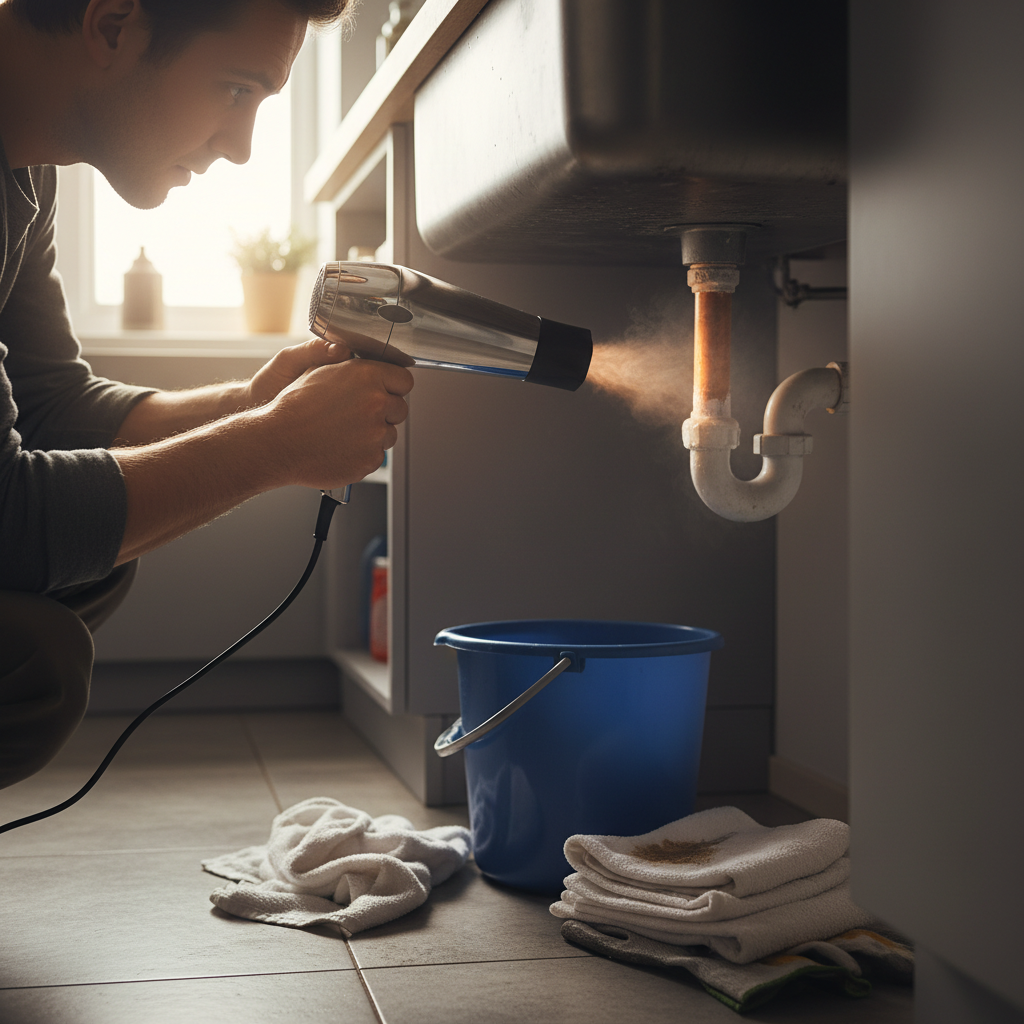
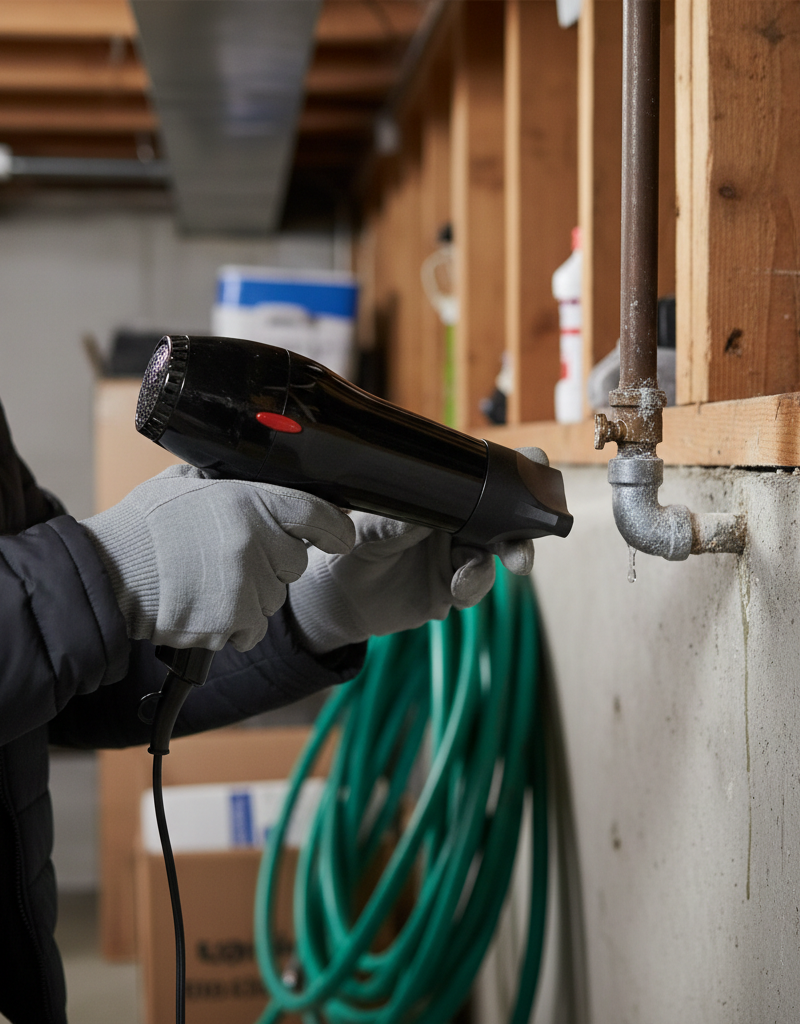
To safely thaw a frozen pipe, you must first identify the frozen section and immediately shut off your home's main water supply. Open any faucets connected to the frozen pipe to allow melting water to escape and relieve pressure. Apply gentle, indirect heat using tools like a hairdryer, a heat gun on its lowest setting, or towels soaked in hot water. Always start applying heat from the faucet side of the blockage and slowly work your way back along the pipe. Avoid using open flames, blowtorches, or electric heating pads directly on pipes, as these methods can cause severe damage, create steam explosions, or ignite nearby materials. If you can't locate the freeze or the pipe is already leaking, call a licensed plumber.
The Problem
Winter’s chill can turn the essential water delivery system of your home into a silent threat. A frozen pipe isn't just an inconvenience; it's a ticking time bomb. As water freezes, it expands with immense force, placing tremendous pressure on the pipe walls. This pressure can cause pipes to crack or, worse, completely burst, leading to catastrophic water damage, rot, mold, and expensive repairs once the thaw occurs. The real danger isn't just the bursting, but the often-unseen leaks that emerge after a seemingly successful DIY thaw, or the structural damage caused by improper heating methods, like an open flame overheating flammable building materials. Homeowners often panic, applying too much heat too quickly, or overlooking critical safety steps, turning a fixable problem into a far costlier disaster.
How It Works
Water expands by about 9% when it freezes into ice. This expansion is the fundamental scientific principle behind why frozen pipes burst. As the temperature drops below 32°F (0°C), water molecules slow down and rearrange themselves into a crystalline hexagonal structure, which takes up more space than the liquid water. When a section of pipe freezes, it creates a blockage, and as more un-frozen water behind this blockage attempts to flow, the expanding ice exerts immense pressure – sometimes thousands of pounds per square inch – on the pipe walls, both upstream and downstream of the blockage. This pressure can exceed the tensile strength of common pipe materials like copper, PEX, or PVC. Often, the pipe doesn't burst at the exact point of the freeze, but rather at another vulnerable spot between the ice blockage and the nearest closed faucet, where the hydraulic pressure becomes concentrated. Thawing a pipe slowly and evenly allows the ice to melt gradually, reducing this pressure and preventing a sudden rupture. The goal is to return the expanded ice to its liquid state without causing further stress to the already compromised pipe material or surrounding structures.
Step-by-Step Fix
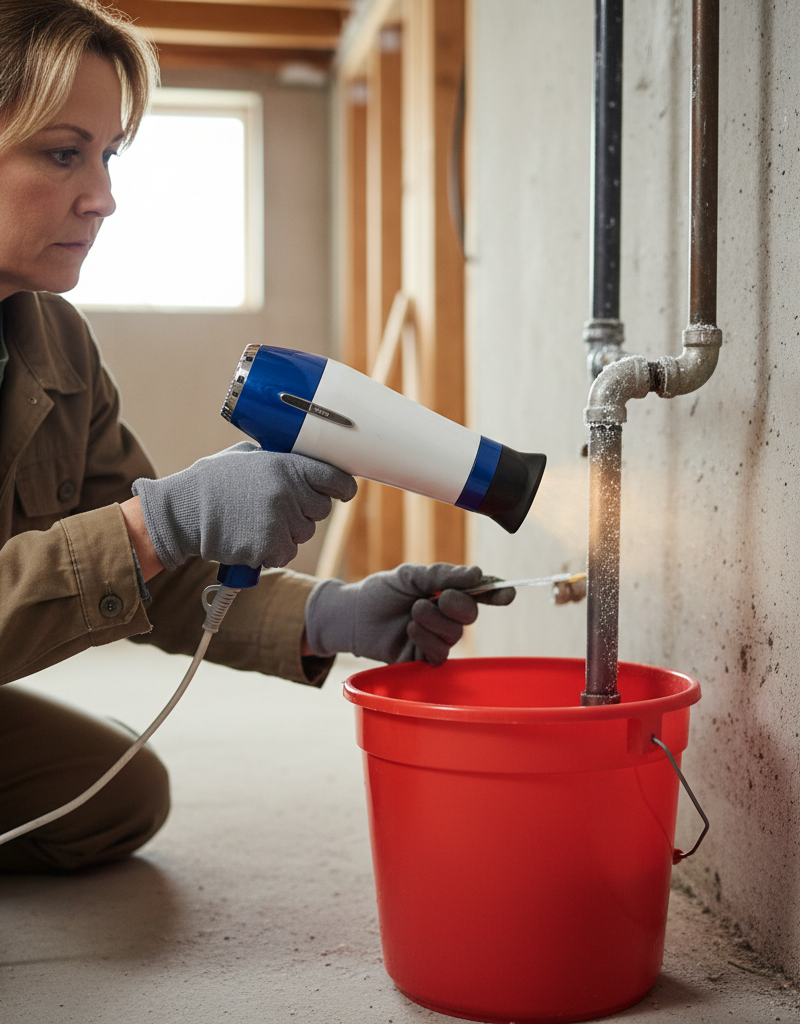
Before you begin, prioritize safety. Wear gloves to protect your hands, and have a bucket and towels ready for potential leaks. Never use open flames (like propane torches) on pipes, as this is extremely dangerous and can lead to fires or steam explosions.
- Locate the Frozen Section — Find the problem zone quickly and safely.
- Start by testing faucets throughout your home; a trickle or no water flow from a specific faucet points to a frozen pipe feeding it. Check pipes in unheated areas first, such as basements, crawl spaces, attics, garages, or under sinks against exterior walls. Look for visible frost or condensation on the pipe, or a slight bulge, which indicates an ice blockage.
- *If you can
Frequently asked questions
How do you tell if a pipe is frozen but not burst?+
The most common sign of a frozen pipe that hasn't burst is a complete loss of water pressure or a mere trickle from a faucet. You might also see frost on the outside of a pipe, or a slight bulge if the ice has expanded significantly. Be cautious, as a pipe can freeze without bursting immediately, but the risk of bursting remains until it's thawed.
Can I thaw a pipe with a heat gun?+
Yes, a heat gun can be used to thaw a frozen pipe, but it must be used with extreme caution. Set the heat gun to its lowest possible setting and keep it moving constantly, never focusing on one spot. Hold it at least 6-8 inches away from the pipe. Overheating can damage plastic pipes, melt solder joints on copper, or even cause the pipe to burst due to rapid internal pressure changes. A hairdryer is generally safer due to lower heat output.
How long does it take to thaw a frozen pipe?+
The time it takes to thaw a frozen pipe varies widely depending on the pipe's material, its diameter, the extent of the freeze, and the effectiveness of your heating method. A small, superficial freeze might clear in 20-30 minutes with a hairdryer, while a deeply frozen, larger pipe could take several hours of consistent, gentle heat. Patience is key; rushing the process can lead to pipe damage.
What happens if a frozen pipe bursts?+
If a frozen pipe bursts, it will typically release a significant amount of water once the ice blockage thaws. This can cause widespread water damage to walls, floors, ceilings, furniture, and electrical systems. Immediately shut off your main water supply if you suspect a burst pipe, then call a professional plumber and assess the damage. Prompt action can mitigate further costly repairs and prevent mold growth.
How do you prevent pipes from freezing in the future?+
To prevent pipes from freezing, insulate pipes in unheated areas like basements, crawl spaces, and attics. Seal air leaks around your home's foundation and exterior walls. During extreme cold, open cabinet doors under sinks on exterior walls to allow warm air to circulate, and consider letting a small trickle of water run from a faucet furthest from the main supply to keep water moving and relieve pressure in the pipes.
Discussion
Loading comments…