Tools & materials you'll need
Affiliate linksAs an Amazon Associate FixlyGuide earns from qualifying purchases — at no extra cost to you. Prices and availability are accurate as of publication and subject to change.
Quick Answer
A persistently running toilet, identified by the sound of flowing water long after flushing, usually points to one primary culprit: a faulty flapper. This rubber or plastic seal at the bottom of your toilet tank is designed to create a watertight seal, holding water until you flush. When it wears out, gets stiff, or is misaligned, it allows water to slowly seep into the bowl, prompting the fill valve to constantly refill the tank. The good news? This is one of the easiest and cheapest plumbing fixes, often requiring only a $2–$10 part and less than 30 minutes of your time.
The Problem
A running toilet isn't just an annoying sound; it's a significant water waster and money drain. Even a small, continuous leak can consume hundreds, if not thousands, of gallons of water per month, leading to surprisingly high utility bills. The problem manifests as the sound of water constantly flowing, trickling, or periodically refilling the tank without anyone flushing. Sometimes, the sound is subtle, a quiet hiss or gurgle. Other times, the fill valve will kick on every few minutes for a short burst to top off the tank, only to have the water slowly escape again. While it might seem like a minor issue, addressing a running toilet promptly saves water, money, and prevents unnecessary wear and tear on your toilet's internal components, like the fill valve, which has to work overtime.
How It Works
To understand why your toilet is running, it helps to know how the flushing mechanism works. When you press the flush handle, a chain or rod lifts the flapper valve at the bottom of the tank. This opens a large hole, allowing the water stored in the tank to rush into the toilet bowl, creating the siphon action that evacuates waste. As the tank empties, the flapper settles back down, sealing the hole. Simultaneously, the float mechanism inside the tank drops, which triggers the fill valve to open. The fill valve then refills the tank with fresh water and refills the toilet bowl's trapway through a small refill tube. As the water level in the tank rises, the float rises with it. Once the water reaches the predetermined fill line, the float signals the fill valve to shut off, creating a full tank, ready for the next flush. A running toilet occurs when any part of this system fails to create or maintain a perfect seal or properly signal the fill valve to shut off. The most common failure point is the flapper itself, but issues with the fill valve, float, or even the flush handle chain can also cause the problem.
Step-by-Step Fix
1. Turn Off the Water Supply — Safety First
Locate the small shut-off valve on the wall behind or near the base of the toilet. Turn the handle clockwise until it's snug. This prevents the tank from refilling while you work. Flush the toilet to empty most of the water from the tank.
- Safety Note: Always turn off the water supply before working on any plumbing fixture to prevent accidental flooding.
2. Inspect the Flapper — The Usual Suspect
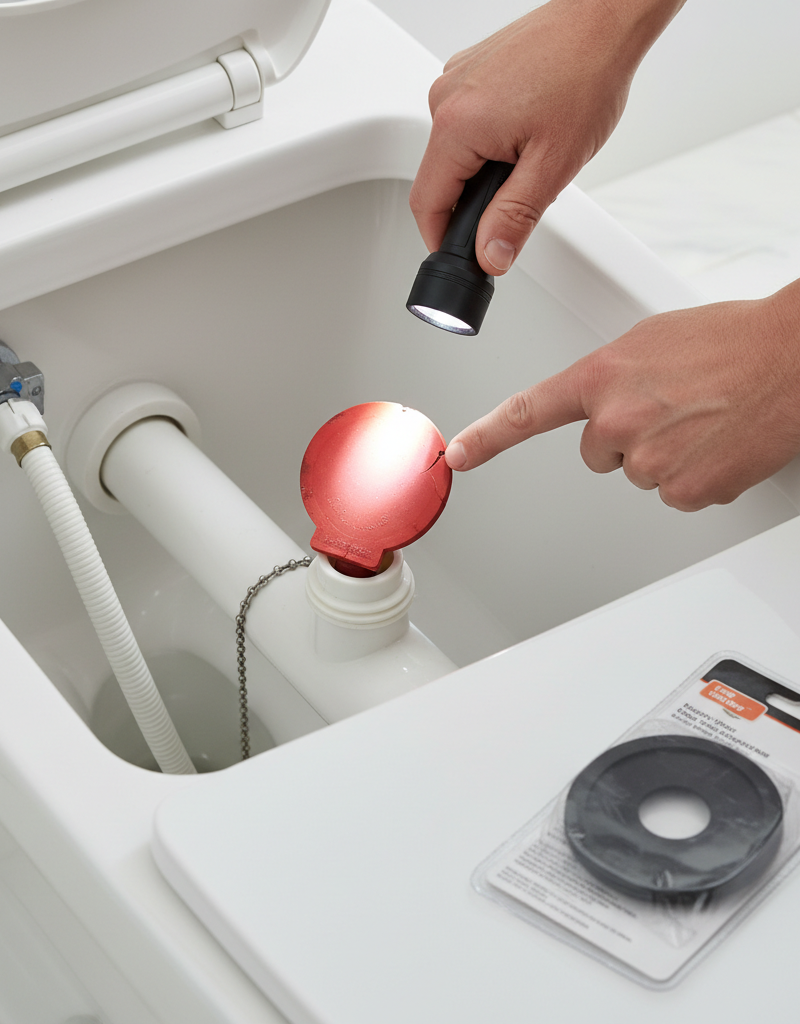
Carefully observe the flapper's condition. Is it old, brittle, or discolored? Does it have any cracks, tears, or mineral buildup? Lift the flapper gently and release it several times to see if it seals properly. Sometimes, the flapper chain is too short, holding the flapper slightly open, or too long, getting caught under it.
- If the chain is the problem: Adjust its length so it has just a slight amount of slack when the flapper is closed. Too tight, and it won't seal; too long, and it can interfere with the seal.
- If the flapper looks damaged or stiff: It's likely the cause. Proceed to replacement.
3. Clean the Flapper Seat — A Common Overlook
Even a perfect flapper won't seal if the surface it rests on (the flush valve seat) is dirty. With the tank empty, thoroughly wipe the rim of the flush valve opening with a clean cloth or a non-abrasive scrubber. Feel for any rough spots or mineral deposits. You can use a mild vinegar solution if there's stubborn buildup.
- If you see significant pitting or damage to the flush valve seat: This is a more advanced fix, potentially requiring a new flush valve, and might warrant a professional. However, most minor imperfections can be overcome with a new, softer flapper.
4. Adjust the Float — Ensuring Proper Shut-Off
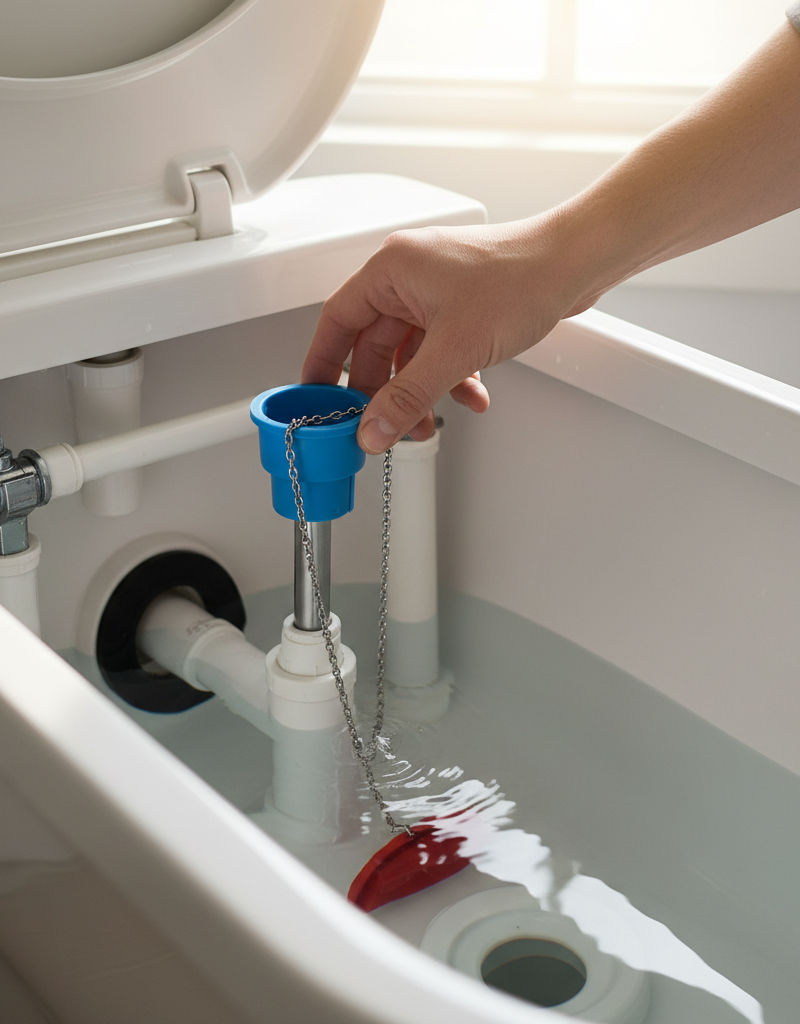
If the water level in the tank is too high, it can spill into the overflow tube, causing the fill valve to constantly try and refill it. The float mechanism determines the water level. There are two main types: cup-style floats (on the fill valve shaft) or ball-and-arm floats (older models).
- For cup-style floats: Pinch the clip on the side of the float cup and slide it down the fill valve shaft to lower the water level. The water level should be about 1 inch below the top of the overflow tube.
- For ball-and-arm floats: Gently bend the metal rod that connects the float ball to the fill valve arm downwards to lower the water level.
5. Check the Refill Tube — Small Tube, Big Impact
The small rubber tube running from the fill valve into the top of the overflow tube ensures the bowl is refilled after a flush. Ensure this tube is properly inserted into the overflow tube and isn't pushed too far down, which can siphon water out of the tank. It should sit just above the water line, allowing water to trickle into the overflow without being submerged.
6. Replace the Flapper — The Definitive Fix
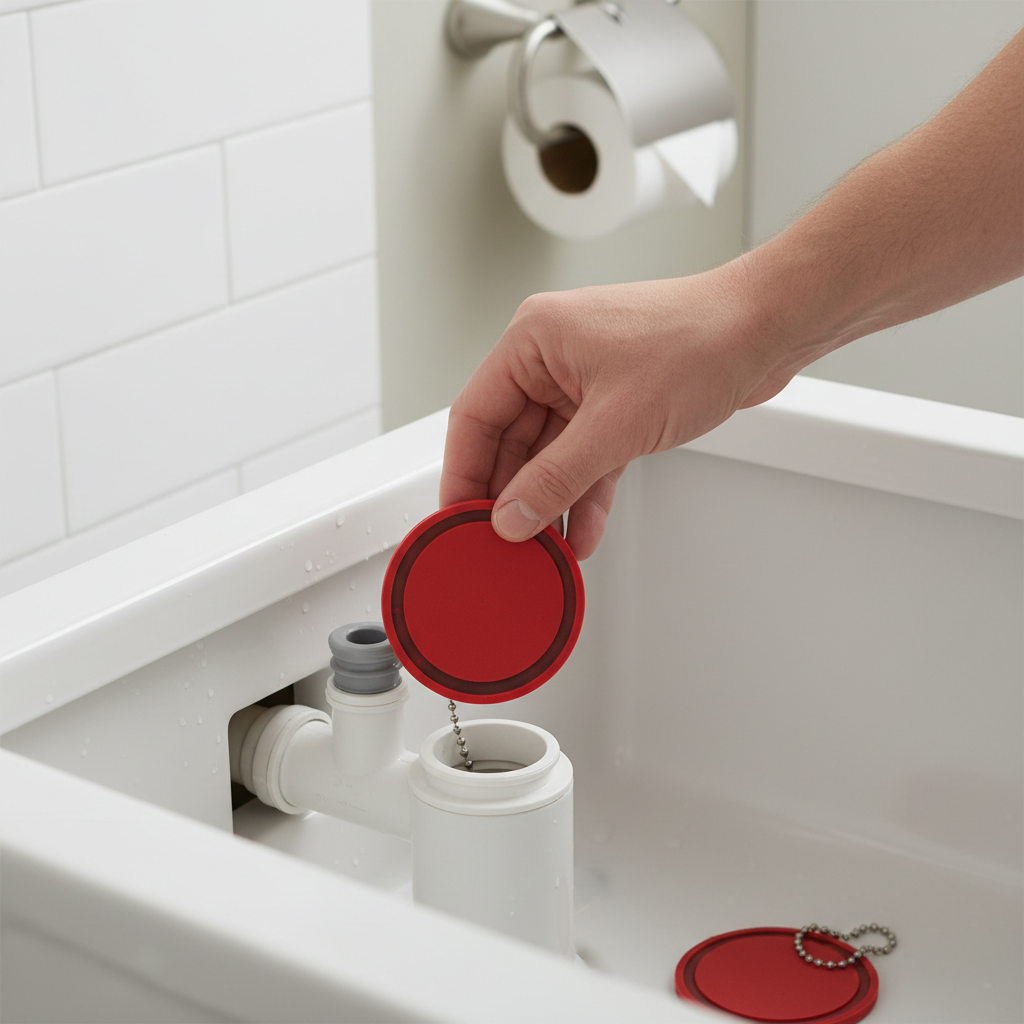
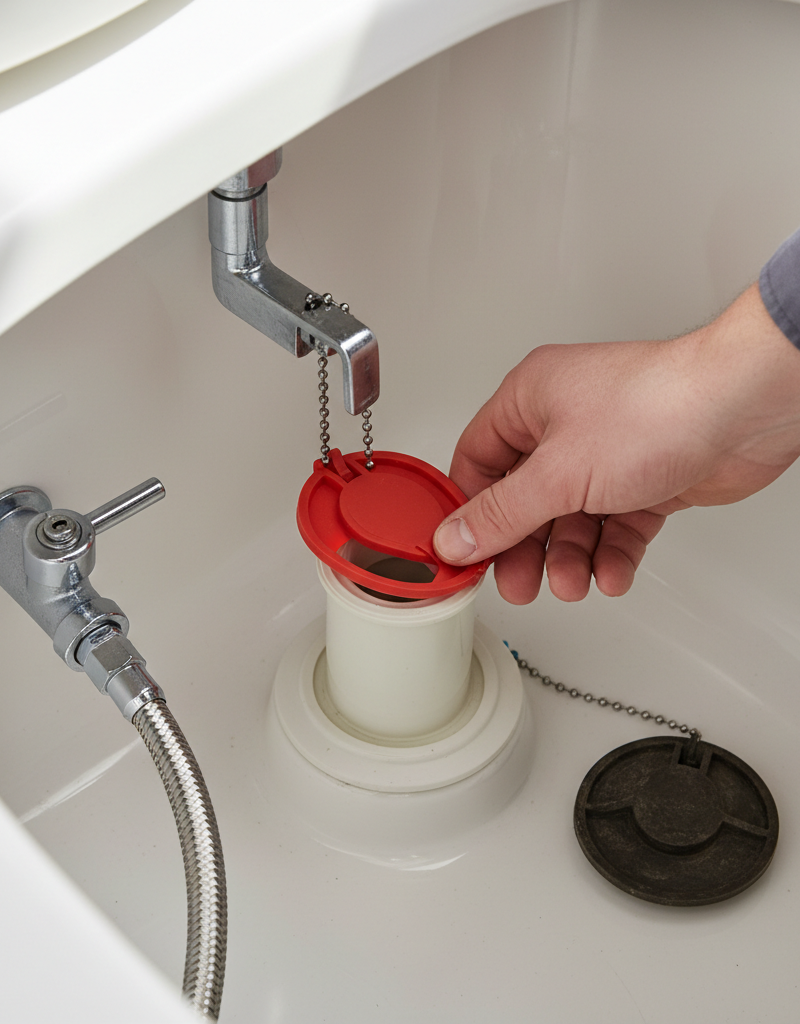
If inspection, cleaning, and adjustments don't solve the problem, replacing the flapper is the next step. Flappers aren't universal, so it's a good idea to take the old one to the hardware store for a match, or at least note its brand and type (e.g., Korky universal, specific Kohler model). Universal flappers often work, but a direct replacement is best.
- To remove: Unhook the chain from the flush lever. Gently unclip the flapper
Related Articles
Keep troubleshooting with these hand-picked guides from FixlyGuide:
- The 3 Hidden Reasons Your Toilet Tank Fills Slowly (And How to Fix Each) — Discover the common culprits behind a slow-filling toilet tank, from crucial valve issues to subtle obstructions, and learn how to restore…
- The 30-Second Toilet Fix Plumbers Don't Want You to Know — A running toilet can waste hundreds of gallons of water per day, but often the fix is incredibly simple and takes under a minute.
- The Secret Culprit Behind Your Slow Toilet Tank (And the $7 Fix) — A slow-filling toilet tank is a common, annoying problem, usually caused by a simple issue within the fill valve that homeowners can fix th…
- The Secret Culprit Behind Your Slow Toilet Fill (It's Not Clogs!) — A slow-filling toilet tank is usually caused by issues with the fill valve, not clogs, affecting both water pressure and flush efficiency.…
- The $2 Trick to Stop a Running Toilet (Plumbers Don't Want You to Know) — Discover the simple, two-dollar fix that can stop your running toilet in minutes, saving water and preventing costly repairs.
- The #1 Reason Your AC Blows Warm Air (And It's Not What You Think) — A dirty air filter is often the overlooked culprit behind an air conditioner blowing warm air, hindering its ability to cool your home effi…
Frequently asked questions
How much water does a running toilet waste?+
A running toilet can waste anywhere from 30 to 500 gallons of water per day, depending on the severity of the leak. Over a month, this can translate to thousands of wasted gallons and significantly higher water bills.
How do I know if my flapper is the problem?+
To check your flapper, first turn off the water supply to the toilet and flush it to empty the tank. Then, dry the bottom of the toilet tank around the flapper. Place a few drops of food coloring into the tank. Wait 15-20 minutes without flushing. If color appears in the toilet bowl, your flapper is likely leaking.
Can I replace a flapper myself?+
Yes, replacing a toilet flapper is one of the easiest DIY plumbing repairs. It usually requires no special tools and takes less than 30 minutes. The most important step is to purchase the correct replacement flapper for your toilet model, which you can often determine by taking the old flapper to a hardware store.
Discussion
Loading comments…