Tools & materials you'll need
Affiliate linksAs an Amazon Associate FixlyGuide earns from qualifying purchases — at no extra cost to you. Prices and availability are accurate as of publication and subject to change.
Quick Answer
If your toilet clogs every few days, the problem is rarely a single, solid obstruction. More often, it’s a partial blockage that allows some waste to pass but builds up quickly. This can be due to non-flushable items, excessive toilet paper, mineral buildup in older pipes, or even a failing toilet part. A closet auger is your best friend for clearing these recurring clogs, but proper diagnosis is key to a lasting fix.
The Problem
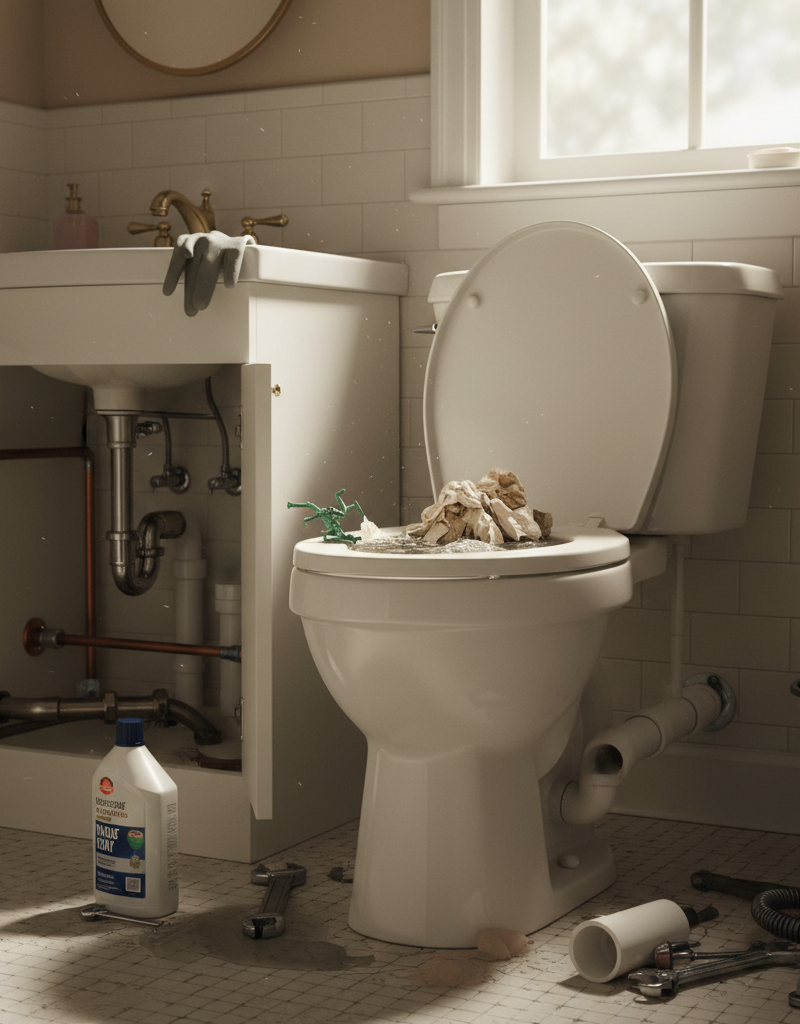
A toilet that clogs frequently – every few days, once a week, or frustratingly often – is a clear signal that something isn't right within your plumbing system. Unlike a one-off clog caused by an obvious accident, constant re-clogging indicates a persistent issue. It can range from user habits (what gets flushed) to the toilet's internal mechanics, or even problems further down the main drain line. This isn't just an inconvenience; it can be a sign of impending larger issues, like a complete drain blockage or a failing toilet, and can lead to water damage if not addressed.
How It Works
To understand why a toilet clogs, it helps to understand how it flushes. When you push the handle, a flapper or seal lifts, allowing water from the tank to rush into the bowl. This water enters the bowl through rim jets (small holes under the rim) and a larger siphon jet (a hole at the bottom of the bowl). The force of this water creates a siphoning action, pulling the contents of the bowl down into the toilet's internal trap. The trap is that curved pipe section you can see at the back of the bowl, designed to hold a small amount of water to prevent sewer gases from entering your home. From the trap, the waste water flows into the branch drain line that connects to your main house drain. A healthy flush relies on sufficient water volume and velocity from the tank, a clear trap, and an unobstructed drain line with proper venting. If any of these components are compromised – whether by a weak flush, a partial obstruction in the trap, or a buildup in the drainpipe – the waste can't evacuate completely, leading to recurring clogs.
Step-by-Step Fix
1. Assess the Situation – Determine the scope of the problem.
- Is it just this toilet? Flush other toilets and run sinks. If other drains are slow or gurgling, the problem might be further down the main drain. If only this toilet is affected, the issue is localized.
- When did it start? A new problem after a specific event (e.g., houseguests, a dropped item) can point to the cause.
- What was flushed? Think about anything unusual that might have gone down.
2. Plunger Power (The Right Way) – Attempt to clear the blockage with a good plunger.
- Use a flange plunger: These have a cup-like extension that seals better in the toilet's drain opening.
- Create a seal: Angle the plunger to remove air from the cup, then press down firmly to create a vacuum seal around the drain.
- Plunge vigorously: Use strong, quick pushes and pulls for 15-20 seconds. The goal is to dislodge the blockage with water pressure, pulling it back and forth.
- Check for success: If the water drains freely, flush once to confirm. Avoid multiple flushes if still clogged, as this can cause an overflow.
- If this doesn't work: A weak plunger won't do much. Ensure a good seal. If still no success, move to a closet auger.
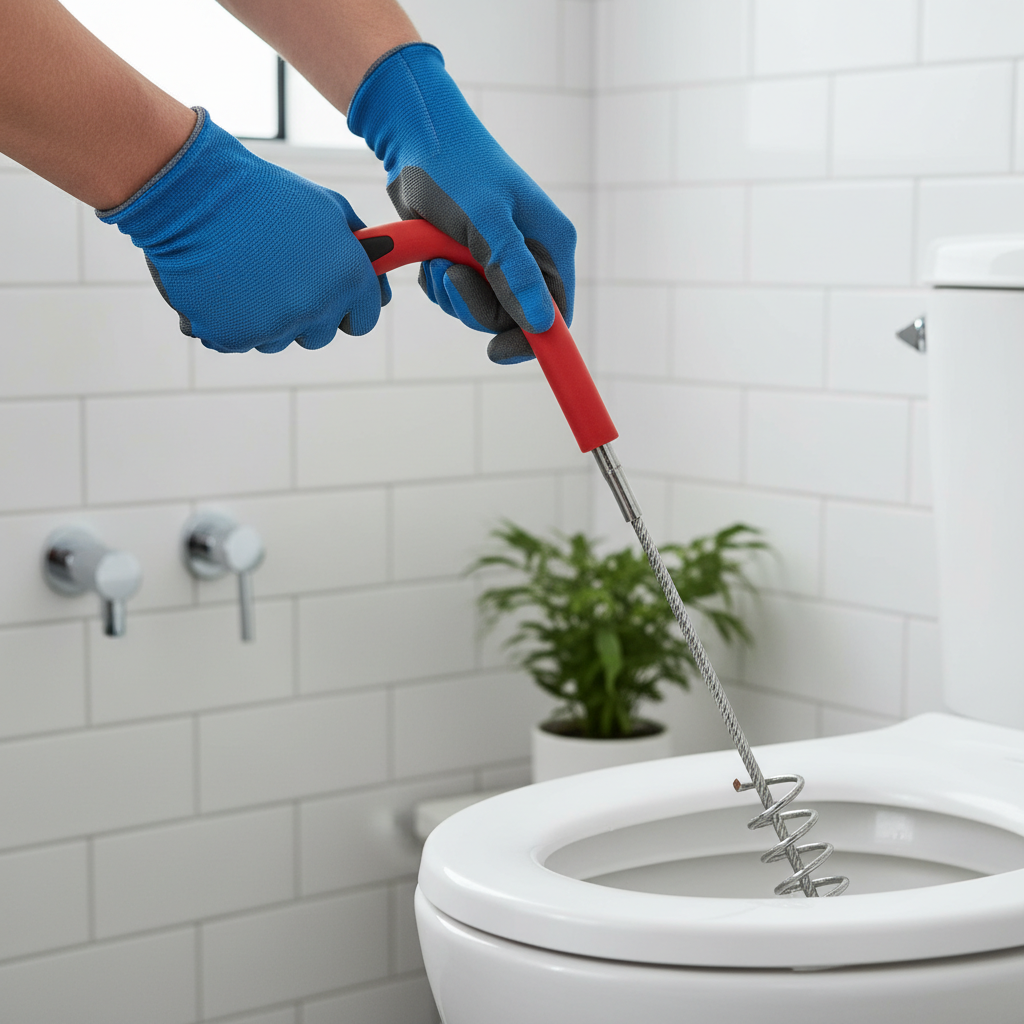
3. Unleash the Closet Auger – This is often the most effective DIY tool for toilet clogs.
- Protect your bowl: Place a towel or rag around the auger's tip to prevent scratching the porcelain.
- Insert carefully: Feed the auger cable into the toilet drain opening, guiding it gently around the bends of the trap.
- Crank through blockage: Once resistance is met (the clog or a bend), slowly turn the handle clockwise while pushing forward. This allows the auger to bore through or grab the obstruction.
- Retrieve the clog: Pull the auger back slowly, hopefully bringing the obstruction with it. You might need to repeat this several times.
- Flush and test: Once you've cleared the auger, flush the toilet to ensure proper drainage. If it still drains slowly, repeat the auger process.
- Safety Note: Never force the auger; too much force can damage the toilet or pipes.
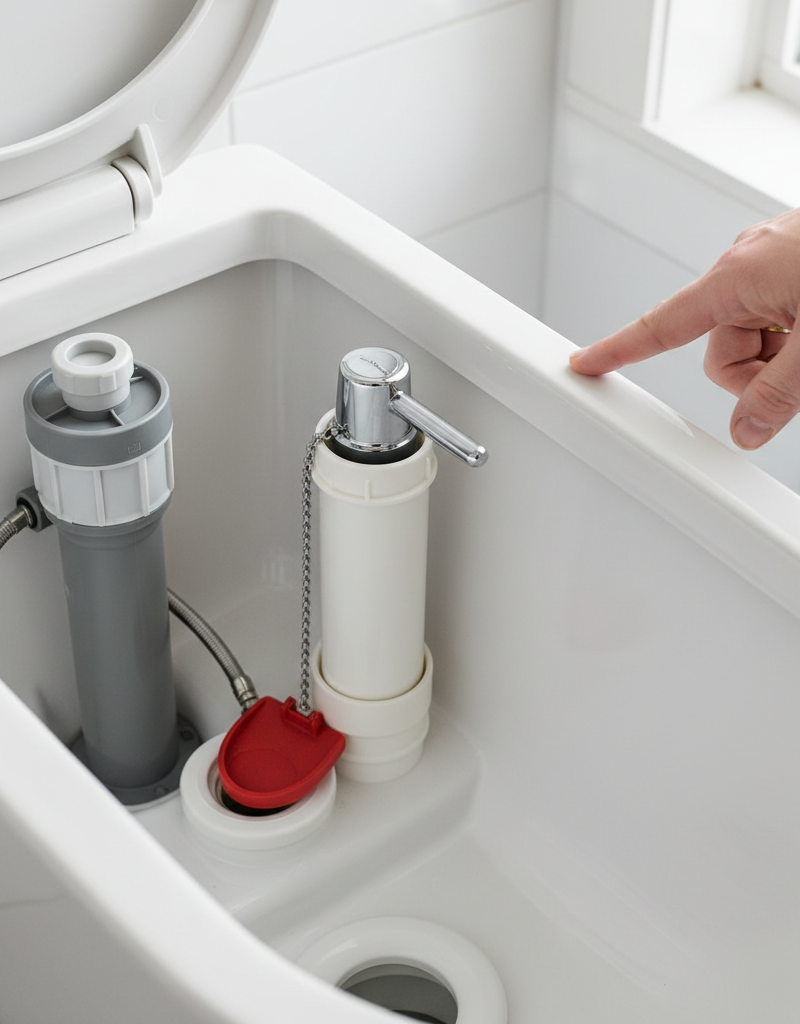
4. Inspect the Fill Valve and Flapper – Ensure a strong, complete flush.
- Check tank water level: Water should be about 1 inch below the top of the overflow tube. If too low, adjust the fill valve.
- Examine the flapper/flush valve: Look for signs of wear, warping, or mineral buildup. A worn flapper can cause a weak flush due to water leaking from the tank prematurely.
- Replace if faulty: If the flapper is corroded or no longer sealing, replace it with a new one that matches your toilet model. A new flapper costs around $10-$20 and is an easy DIY fix.
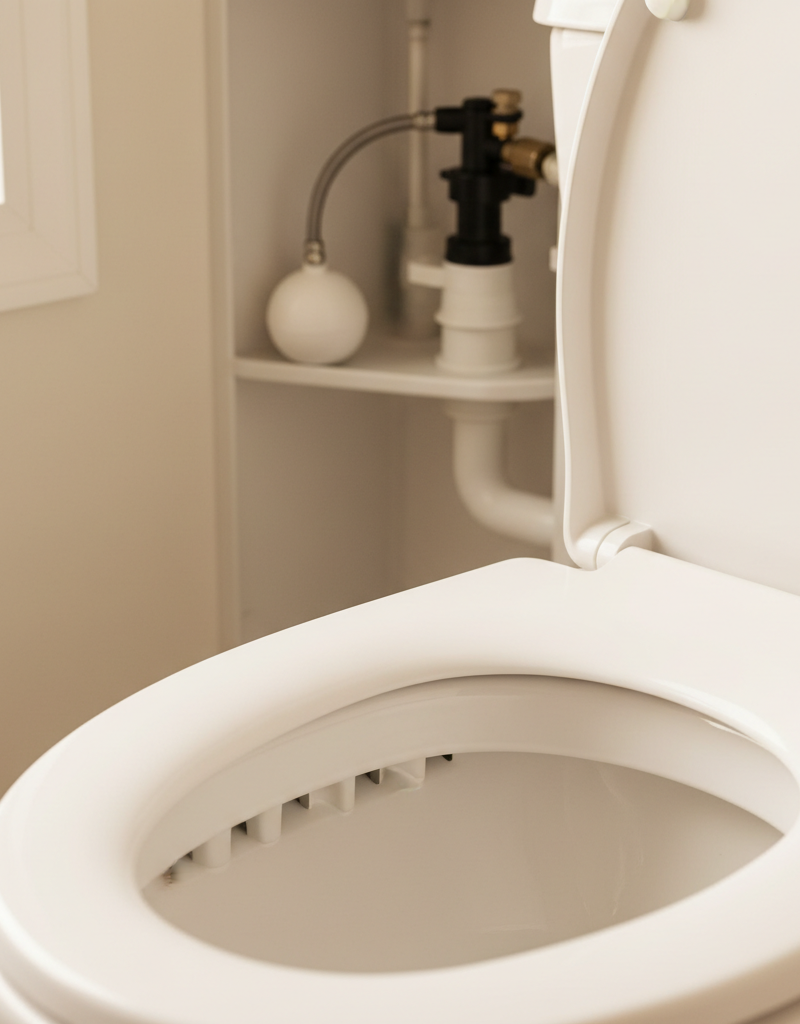
5. Clean Rim Jets and Siphon Jet – Restore full flush power.
- Safety First: Wear gloves and eye protection.
- Clear mineral buildup: Over time, hard water deposits can restrict the flow from the rim jets and siphon jet. Use a small mirror to view the jets under the rim and a piece of wire (like a coat hanger or paperclip) to poke out any blockages.
- Brush and chemical clean: For tougher buildup, a stiff brush and a descaling toilet bowl cleaner (follow product instructions carefully) can help. Let the cleaner sit for 30 minutes to an hour before scrubbing and flushing.
6. Consider a Drain Cleaner (Use with Caution) – Only for specific scenarios.
- Enzymatic cleaners: These use bacteria to break down organic matter and are safer for your pipes than chemical cleaners. They work slowly but can be effective for recurring organic buildup.
- Avoid caustic chemical cleaners: These can damage your pipes, especially older ones, and are ineffective against most recurring toilet clogs, often making the problem worse.
- Follow directions precisely: If using an enzymatic cleaner, apply at night and let it work undisturbed for best results.
7. Inspect the Vent Pipe – A rare but possible cause.
- Symptoms: Gurgling sounds, slow draining in multiple fixtures, or a strong sewer smell accompanying the clogs. A partially blocked vent pipe creates negative air pressure, hindering proper drainage.
- Visual inspection: If safe to access, visually check the roof vent pipe for debris (leaves, bird nests). This is usually a job for a professional.
- Pro Callout: If you suspect a vent issue, it's best to call a plumber. Working on roofs can be dangerous.
Common Causes
- Non-Flushable Items: Wipes (even
Related Articles
Keep troubleshooting with these hand-picked guides from FixlyGuide:
- The Secret Reason Your Toilet Clogs Every Few Days (It’s Not What You Think) — Frequent toilet clogs often point to issues beyond simple blockages, from vent pipe problems to a failing flush mechanism, demanding a clos…
- The Dirty Secret KITCHEN SINKS DRAIN SLOWLY — And It’s NOT Always a Clog — Discover the often-overlooked culprits behind a slow-draining kitchen sink that aren't always a simple clog, and learn how to fix them.
- The 3 Hidden Reasons Your Toilet Tank Fills Slowly (And How to Fix Each) — Discover the common culprits behind a slow-filling toilet tank, from crucial valve issues to subtle obstructions, and learn how to restore…
- The #1 Mistake Homeowners Make with a Slow Kitchen Drain (And the Simple Fix) — A slow kitchen sink drain is frustrating, but often an easy fix if you avoid common mistakes and know where to look first.
- The Nasty Truth About Your Smelly Bathroom Sink — And the 2-Ingredient Trick to Fix It — Uncover the hidden reasons behind that foul odor wafting from your bathroom sink drain and learn a simple, two-ingredient solution to banis…
- The 3 Hidden Reasons Your Gutters Fail in Heavy Rain (It’s Not Just Leaves) — Overflowing gutters during heavy rain often stem from a few common, yet overlooked, issues beyond simple leaf clogs, leading to potential s…
Frequently asked questions
Why does my toilet keep clogging every other day?+
Recurring toilet clogs are most often caused by a partial obstruction deep in the toilet's trap or the connecting drain line. This could be due to excessive toilet paper, non-flushable items, mineral buildup, or even a weak flush not clearing the bowl effectively. The obstruction isn't total, allowing some waste to pass, but it quickly builds up again.
What is the best way to unclog a toilet that keeps clogging?+
For a toilet that keeps clogging, the best DIY tool is a closet auger (also called a toilet auger). Unlike a plunger that pushes, an auger can snake through the toilet's S-trap and into the drain line, physically breaking apart or retrieving the partial blockage. Ensure you use it gently to avoid scratching the porcelain.
Can a weak flush cause a toilet to clog frequently?+
Yes, a weak flush is a significant contributor to recurring clogs. If there isn't enough water volume or velocity entering the bowl during a flush, waste isn't fully evacuated through the trap and into the drain line. This can be caused by a low water level in the tank, a faulty flapper or fill valve, or clogged rim jets.
When should I call a plumber for a frequently clogging toilet?+
You should call a plumber if you've tried using a plunger and a closet auger multiple times without success, if multiple drains in your home are clogging or draining slowly, or if you suspect a deeper issue like a main sewer line blockage or a vent pipe obstruction. Persistent clogs can indicate a larger plumbing problem that requires professional diagnosis and repair.
Are chemical drain cleaners safe for frequent toilet clogs?+
Chemical drain cleaners are generally not recommended for frequent toilet clogs. They can be corrosive to pipes, especially older ones, and are often ineffective against the types of partial blockages that cause recurring clogs. Instead, try an enzymatic cleaner, which uses bacteria to break down organic matter more safely, or use a mechanical method like a closet auger.
What happens if a toilet is constantly clogging?+
If a toilet is constantly clogging, it means waste is not being properly cleared from the bowl and drain system. Left unaddressed, this can lead to unsanitary conditions, potential overflows and water damage, persistent unpleasant odors, and can eventually contribute to more severe clogs deeper in the plumbing system, potentially even a main sewer line blockage.
Discussion
Loading comments…