Tools & materials you'll need
Affiliate linksAs an Amazon Associate FixlyGuide earns from qualifying purchases — at no extra cost to you. Prices and availability are accurate as of publication and subject to change.
Quick Answer
Extending the life of your washing machine and keeping it running efficiently boils down to three key maintenance practices: regularly cleaning the detergent dispenser, ensuring the machine is perfectly level, and performing a monthly deep cleaning cycle. Addressing these often-overlooked areas can prevent common issues like mold, odor, excessive noise, and premature wear, ultimately saving you money on repairs and replacement.
The Problem
Your washing machine is a workhorse, tackling load after load of dirty laundry. But over time, residue from detergents, fabric softeners, minerals from hard water, and even lint can accumulate in hidden crevices. This buildup leads to a host of problems: foul odors that transfer to your clean clothes, reduced cleaning effectiveness, increased vibration and noise during cycles, and ultimately, accelerated wear and tear on critical components. Many homeowners unknowingly contribute to these issues through simple habits, leading to unexpected repair bills or the need for a new machine far sooner than necessary.
How It Works
A washing machine operates by agitating clothes in a mixture of water and detergent to lift dirt and stains. Modern machines, whether top-loading or front-loading, use a drum that spins at high speeds to extract water. Detergent and fabric softener are dispensed at specific points in the cycle. Water enters through inlet hoses and fills the drum, then is heated (in some models) and mixed with the cleaning agents. An agitator (in top-loaders) or tumbling action (in front-loaders) moves the clothes through this soapy water. After washing, the dirty water is pumped out through a drain hose, and the drum spins rapidly to remove excess water. Finally, fresh water rinses the clothes, which is then drained again, leaving your laundry ready for drying. The efficiency of this entire process relies on clean components, balanced operation, and proper water flow. Filters, pumps, and hoses can get clogged, and unbalanced loads or an unleveled machine can stress the motor and suspension system.
Step-by-Step Fix
1. Deep Clean the Detergent Dispenser — *Washing machine odors often start here.
Many homeowners simply refill the detergent dispenser without ever cleaning it. This allows a sticky buildup of concentrated detergent, fabric softener, and even mold to accumulate, creating a breeding ground for odors and hindering proper dispensing.
- Tools: Small brush (old toothbrush works great), warm water, mild dish soap, cloth.
- Process:
- Remove the drawer: Most front-loading machines have a removable dispenser drawer that slides out. Consult your owner's manual if you can't figure out how to remove it. Some top-loaders have removable dispenser cups or sections.
- Disassemble (if possible): Some drawers have removable inserts for fabric softener or bleach. Take these apart for thorough cleaning.
- Soak: Place all removable dispenser parts in a basin of warm, soapy water for 15-30 minutes to loosen stubborn residue.
- Scrub: Use the small brush to scrub away all visible gunk, paying close attention to corners and crevices. Rinse thoroughly under running water.
- Clean the housing: While the drawer is out, inspect the dispenser housing inside the machine. Use a damp cloth and the brush to clean any residue, mold, or mildew you find there. This area is critical and often overlooked.
- Reassemble and replace: Ensure all parts are dry before reassembling and sliding the dispenser back into place.
2. Level Your Washing Machine — *Eliminate vibrations and reduce wear and tear.
An unbalanced washing machine not only creates a racket but also puts undue stress on the motor, suspension, and internal components, leading to premature failure. Even a slight tilt can cause problems over time.
- Tools: Level, adjustable wrench or pliers.
- Process:
- Empty the machine: Ensure the washing machine is completely empty of clothes and water.
- Locate leveling feet: Most washing machines have four adjustable leveling feet on the bottom. Front feet are typically easier to access; for rear feet, you might need to tilt the machine slightly or have someone help you.
- Place the level: Place a level across the top of the washing machine, first from front-to-back, then from side-to-side, and finally diagonally across the corners. Check all directions.
- Adjust the feet: Identify which feet need adjustment. To raise a corner, turn the foot counter-clockwise; to lower it, turn clockwise. Use an adjustable wrench or pliers if the feet are stiff or difficult to turn by hand. Some feet have a locking nut you'll need to loosen first before adjusting and then tighten afterward.
- Re-check all directions: After adjusting, re-check the level in all directions. Repeat until the machine is perfectly level and doesn't rock or wobble when pushed gently.
- Test: Run an empty rinse-and-spin cycle to ensure stability. If the machine still vibrates excessively, re-check the leveling. Also, ensure the floor itself is stable.
3. Perform a Monthly Deep Clean Cycle — *Banish odors and maintain cleanliness.
Even with regular dispenser cleaning, residue can build up in the drum, hoses, and pump. A monthly deep clean helps flush out detergents, softeners, mineral deposits, and biofilm, preventing odors and blockages.
- Materials: White vinegar, baking soda, or a commercial washing machine cleaner.
- Safety Note: Never mix vinegar and bleach – it creates dangerous chlorine gas.
- Process (Vinegar & Baking Soda Method):
- Empty and hot water: Ensure the washing machine is empty. Set the machine to its hottest water setting and the largest load size.
- Add vinegar: Pour 2 cups of distilled white vinegar directly into the detergent dispenser or the drum.
- Run a full cycle: Start a full wash cycle. Allow the cycle to run completely.
- Add baking soda (second cycle): Once the first cycle is complete, add ½ cup of baking soda directly into the drum.
- Run a second full cycle: Start another full wash cycle on the hottest water setting. The baking soda will help neutralize odors and scrub away residue.
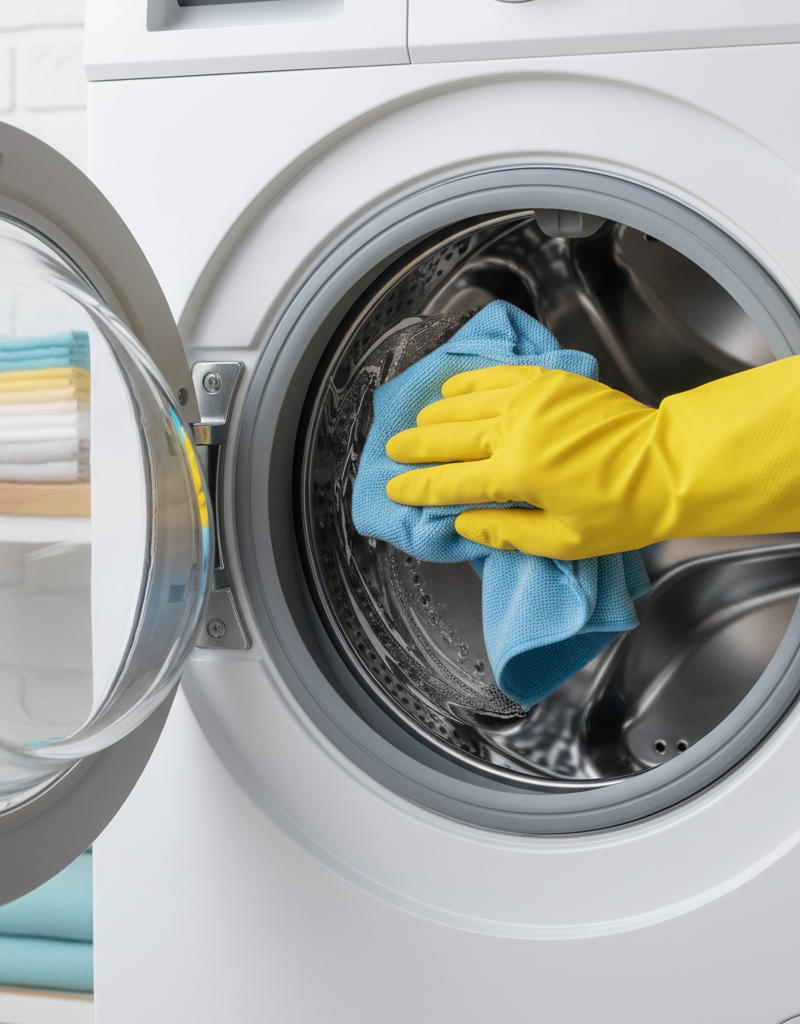
- Wipe down: After both cycles, use a cloth to wipe down the inside of the drum, door gasket (especially in front-loaders), and around the lid/door opening. Pay attention to any mold or mildew you see.
- Process (Commercial Cleaner Method):
- Follow product instructions: Different brands have specific directions. Typically, you'll add a tablet or liquid to an empty machine and run a hot water cycle.
- Wipe down: After the cycle, wipe down the drum and door seal.
- Frequency: Aim for a deep clean once a month, or more often if you live in a hard water area or wash particularly dirty loads frequently.
Common Causes
- Detergent and Fabric Softener Overuse: Using too much detergent or fabric softener (especially liquid types) leads to excessive suds and residue buildup in the dispenser, hoses, and drum. This sticky film traps dirt and fosters mold growth.
- Using Cold Water Exclusively: While energy-efficient, constant cold water washing doesn't effectively dissolve detergents or rinse away buildup as well as warm or hot water, especially in older machines or with certain detergents.
- Leaving the Door Closed (Front-Loaders): Trapped moisture in front-loading machines creates a perfect environment for mold and mildew to thrive on the door gasket and inside the drum, leading to notorious musty smells.
- Hard Water: High mineral content in hard water leaves behind deposits (limescale) that can clog spray jets, coat heating elements, and provide surfaces for soap scum and mold to adhere to.
- Unbalanced Loads/Uneven Floor: Consistently washing unbalanced loads or operating an unleveled machine puts enormous strain on the suspension system, bearings, and motor, causing vibrations, noise, and accelerated wear.
- Ignoring Lint Filters/Drain Traps: Some machines have accessible lint filters or drain traps that can become clogged with lint, hair, and small objects, impeding drainage and causing odors. Neglecting these causes blockages and strain the pump.
Common Mistakes
- Using Too Much Detergent: Most people use far more detergent than necessary. Modern concentrated detergents and high-efficiency (HE) machines require very little. Excess suds don't clean better; they leave residue and can even damage your machine over time. Read the detergent label and your machine's manual for recommended amounts, and err on the side of using less.
- Forgetting to Leave the Door Ajar: For front-loading machines, closing the door immediately after a wash traps moisture, creating an ideal breeding ground for mold and mildew. Always leave the door slightly ajar between washes to allow the drum and gasket to air out and dry completely.
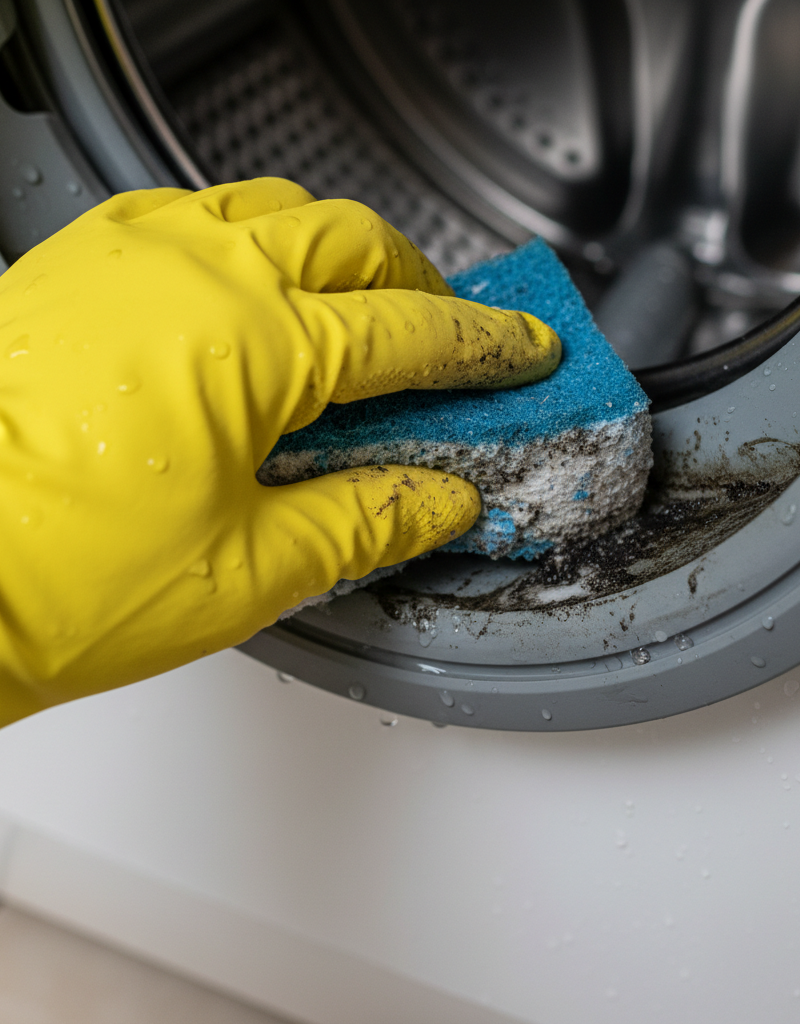
- Neglecting the Door Gasket/Seal: The rubber gasket on front-loading machines is a prime spot for mold and slime buildup. Many DIYers overlook this area during cleaning. Wipe down the gasket thoroughly after every few washes and inspect it for debris or mold. Use an old toothbrush and a vinegar solution for tough spots.
- Ignoring the Machine's Level: An unlevel machine isn't just annoying; it causes significant wear. Homeowners often just tolerate a shaky machine. Take the 15-20 minutes to properly level your machine using the adjustable feet and a level. This is crucial for longevity.
- Not Cleaning the Dispenser Regularly: The detergent dispenser gets sticky, gunky, and moldy, yet it's often forgotten. This affects dispensing and causes odors. Make dispenser cleaning part of your regular monthly routine, not just a one-off.
- Using Harsh Chemicals Inappropriately: While commercial cleaners are fine, using undiluted bleach or abrasive cleaners on internal components can damage rubber seals and plastic parts. Stick to manufacturer-recommended cleaners, white vinegar, or baking soda for internal cleaning.
Cost & Time Breakdown
| Task | DIY Cost | Pro Cost | Time |
|---|---|---|---|
| Clean Detergent Dispenser | $0–$5 | N/A | 15–30 minutes |
| Level Washing Machine | $0 | N/A | 15–20 minutes |
| Monthly Deep Clean (Vinegar/Baking Soda) | $2–$5/month | N/A | 1–2 hours/month |
| Replace Inlet Hoses (DIY) | $20–$40 | $150–$250 | 30–60 minutes |
| Inspect Drain Hose/Pump Filter | $0 | $100–$200 | 15–30 minutes |
A homeowner will spend very little on these maintenance tasks, mostly on cleaning supplies. Professional intervention is generally not required for these basic steps unless problems persist. Replacing inlet hoses is a simple DIY task that can save a service call.
Tips & Prevention
- Regularly Inspect Hoses: Check inlet hoses for cracks, bulges, or leaks every 6-12 months. Replace rubber hoses every 3-5 years, or upgrade to braided stainless steel hoses for better durability and peace of mind. Check the drain hose for kinks or blockages.
- Don't Overload the Machine: Overloading strains the motor, agitator/drum, and suspension system, leading to inefficient washing and premature wear. Leave enough space for clothes to tumble freely.
- Wipe Down After Use: After each wash, especially for front-loaders, wipe down the door seal/gasket to remove moisture and lint, preventing mold and mildew growth.
- Use HE Detergent for HE Machines: High-efficiency (HE) machines require low-sudsing HE detergent. Using regular detergent will create too many suds, leading to residue buildup and error codes.
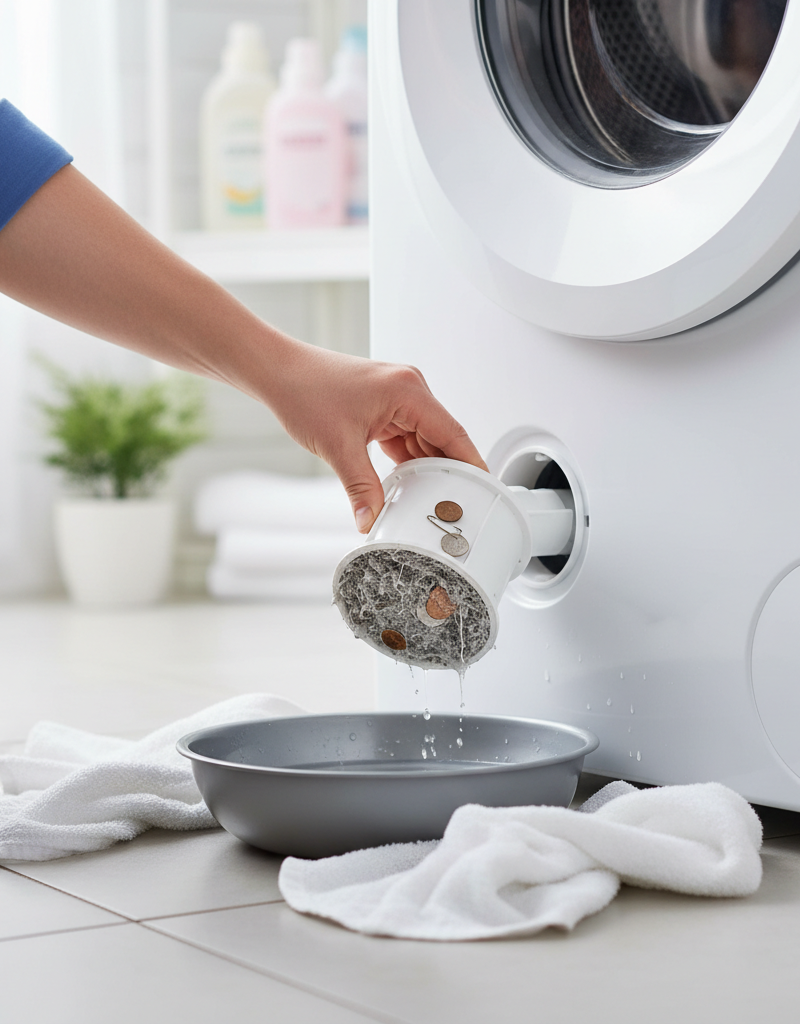
- Clean the Lint Filter (if applicable): Some top-loaders have a removable lint filter – clean it regularly as per your manual. For front-loaders, the pump filter (often behind a small panel at the bottom front) should be checked and cleaned every few months to prevent drainage issues.
- Install a Water Softener (Hard Water Areas): If you have very hard water, a whole-house water softener can significantly reduce mineral buildup in your washing machine (and other appliances), extending its life and improving cleaning performance.
When to Call a Professional
While routine maintenance can prevent many issues, some problems warrant a professional washing machine technician. If you notice persistent leaks from the bottom of the machine (not just the dispenser area), strange burning smells, grinding or loud banging noises during operation (beyond normal agitation), or if the machine fails to drain or spin effectively despite clearing the pump filter, it's time to call a pro. Issues related to internal electrical components, motor failure, transmission problems, or complex control board malfunctions are typically beyond the scope of DIY repair and require specialized tools and expertise. Attempting these repairs yourself could lead to further damage or safety hazards.
Related Articles
Keep troubleshooting with these hand-picked guides from FixlyGuide:
- Washing Machine Not Draining? Fix It in 5 Simple Steps — A washing machine that won’t drain leaves you with a tub full of soggy clothes. Often, this common problem has a simple DIY fix.
- The 7 Critical Home Inspection Mistakes Most Homeowners Make (and How to Spot Them) — Discover the crucial home inspection mistakes homeowners commonly overlook and learn how to identify potential problems before they become…
- The 5 Autumn Lawn Mistakes That Invite Winter Pests (And How to Fix Them in 90 Minutes) — Ignoring these crucial fall yard cleanup steps can create a perfect breeding ground for pests, leading to costly problems come spring.
- The 7 Critical Home Inspection Mistakes Most Homeowners Make (And How to Avoid Them) — Bypass costly surprises and ensure your home's longevity with a comprehensive annual inspection, catching issues before they escalate.
- The 7 Sneaky Home Problems Spring Reveals (Before They Cost You Thousands) — Spring weather can expose hidden issues around your home that could lead to costly repairs if not addressed proactively.
- That Mildew Smell in Your Washer? Here’s the Real Reason — Is a musty odor taking over your laundry room? That mildew smell from your washing machine isn't just unpleasant—it's a sign of a deeper pr…
Frequently asked questions
How often should I clean my washing machine?+
You should perform a deep cleaning cycle with vinegar or a commercial cleaner once a month. The detergent dispenser should be cleaned more frequently, ideally every few weeks or whenever you notice buildup. The door gasket on front-loaders should be wiped down after every use.
Why does my front-load washer smell so bad?+
The most common reason for a smelly front-load washer is mold and mildew growth in the door gasket and drum due to trapped moisture. Always leave the door ajar after use to allow it to dry. Regular deep cleaning with vinegar and baking soda will also help eliminate odors.
Can I use bleach to clean my washing machine?+
Yes, some manufacturers recommend using bleach for cleaning, but always check your owner's manual. If using bleach, run an empty hot water cycle with the bleach, then a second empty rinse cycle. Never mix bleach with vinegar or other cleaners, as this can create dangerous gases.
Discussion
Loading comments…