Tools & materials you'll need
Affiliate linksNo materials required.
As an Amazon Associate FixlyGuide earns from qualifying purchases — at no extra cost to you. Prices and availability are accurate as of publication and subject to change.
Quick Answer
Whole-home batteries offer a robust solution for maintaining power during grid outages, providing energy resilience and independence. However, homeowners often fixate solely on capacity (how much power it stores) and overlook crucial aspects like their home's specific energy needs, the intricate installation process, and the long-term commitment to maintenance. A successful whole-home battery system isn't just about buying a big battery; it's about smart planning, professional integration, and ongoing care to truly deliver reliable backup power when you need it most.
The Problem
Many homeowners today face an aging and increasingly unreliable power grid, leading to more frequent and longer power outages. The traditional solutions—fueled generators—come with their own set of drawbacks: noise, fumes, fuel storage, and manual operation. Whole-home battery systems, like those from EcoFlow, offer an appealing alternative: silent, emission-free, automatic backup power. The allure is strong: imagine your lights staying on, your refrigerator humming, and your Wi-Fi connected while the street goes dark. However, the path from this vision to a fully functional, reliable system is fraught with potential missteps. Homeowners often underestimate the complexity of choosing the right system, the significant undertaking of installation, and the critical importance of understanding their home's energy profile. Without proper preparation and realistic expectations, the dream of seamless backup power can quickly turn into an expensive, underperforming, or even unsafe reality.
How It Works
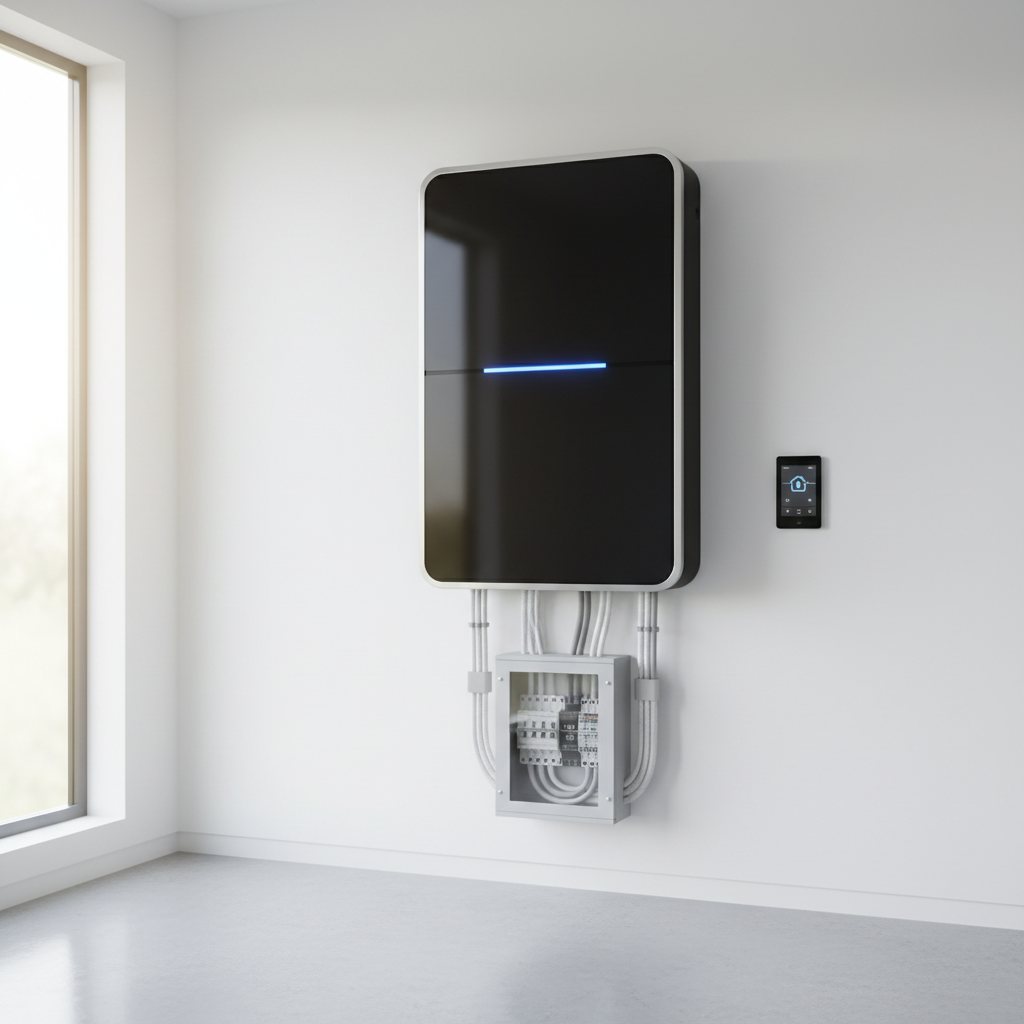
At its core, a whole-home battery system is an energy storage unit designed to integrate with your home's electrical panel. When the grid is active, the battery charges using electricity from your utility or, more commonly, from an integrated solar panel system. This charging process converts AC (alternating current) from the grid or DC (direct current) from solar panels into DC for storage within the battery cells (typically lithium-ion). An internal inverter then converts this stored DC back to AC for use in your home.
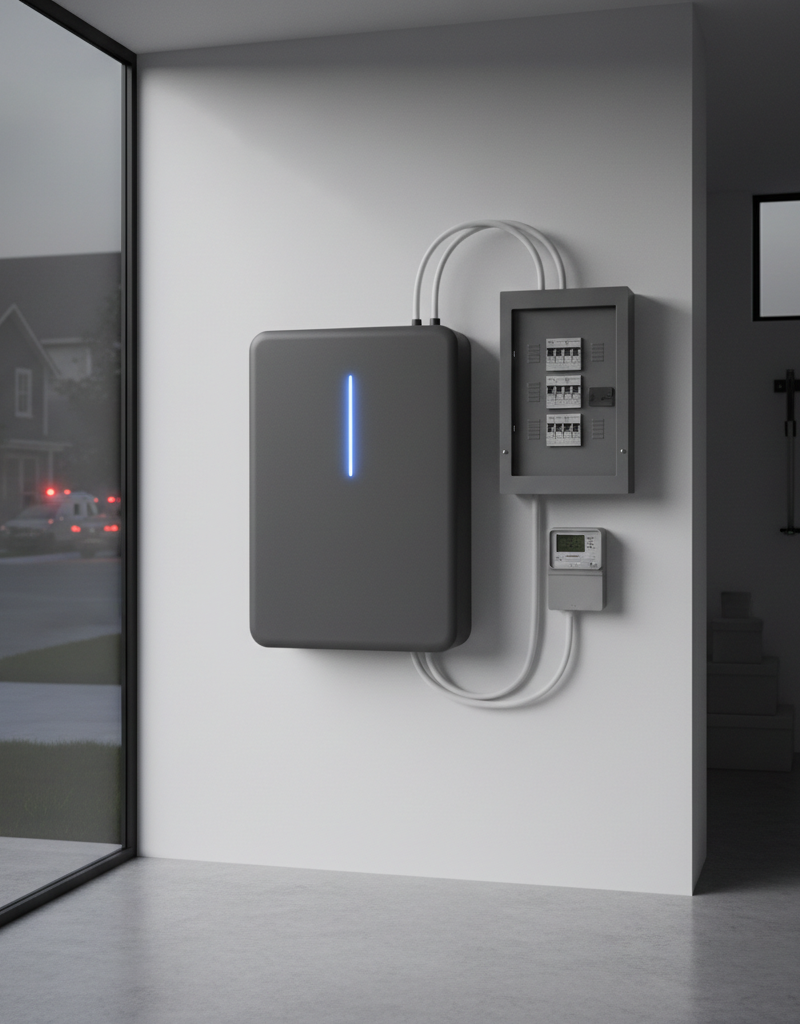
During a power outage, the system's transfer switch automatically disconnects your home from the grid, preventing 'backfeeding' (sending power back onto the grid where it could endanger utility workers). Once isolated, the battery begins to supply power to your home's designated circuits. High-end systems can back up an entire house, while more economical options might only power essential loads like refrigerators, lights, and a well pump. The battery's capacity (measured in kilowatt-hours, kWh) dictates how long it can power your appliances, while its inverter's power rating (measured in kilowatts, kW) determines how many appliances can run simultaneously. Most systems include sophisticated monitoring software, often accessible via a smartphone app, allowing homeowners to track charge levels, power flow, and system status, ensuring optimal performance and readiness for the next outage.
Step-by-Step Fix (Planning Your Whole-Home Battery System — Not an Installation Guide)
1. Assess Your Energy Needs – *Understand what you absolutely need to power during an outage. Identify critical circuits: lights, refrigerator, freezer, medical devices, well pump, internet router, a few outlets. Calculate cumulative wattage for these items. For instance, a refrigerator might draw 600W, a few LED lights 100W, and a router 50W. Consider starting surges—motors (like a refrigerator compressor) can temporarily draw 3-5 times their running wattage. This informs the necessary inverter size (kW output) and battery capacity (kWh). Don't guess; consult appliance labels or use a clamp meter if you're comfortable with electrical work.
2. Determine Battery Capacity & Power Output – *Match the system to your critical loads. Based on your energy assessment, select a battery with adequate kWh capacity to sustain your critical loads for your desired duration (e.g., 24-72 hours). Simultaneously, ensure the system's inverter has sufficient kW output to handle the simultaneous running wattage and surge requirements of your prioritized appliances. Many manufacturers offer modular systems, allowing you to expand capacity later. Over- or undersizing is a common mistake.
3. Plan for Charging Sources – *Decide how your battery will recharge. The most common charging sources are the utility grid (when available) and solar panels. If relying solely on the grid, you're limited by the length of the outage. Integrating solar panels provides continuous recharging during daylight hours, significantly extending your backup duration. Consider the number and orientation of solar panels needed to effectively recharge your chosen battery system. Some systems can also be charged by a gas generator, offering a hybrid approach for extended outages.
4. Evaluate Your Electrical Panel & Home Wiring – *Verify compatibility with your existing infrastructure. A whole-home battery system requires connection to your main electrical panel. Depending on the system's design, this could involve a critical load panel (only backing up essential circuits) or a full home backup. A licensed electrician will need to assess your current panel's capacity, available breaker slots, and wiring integrity to ensure it can safely accommodate the new system. Older homes or undersized panels may require upgrades, adding to the overall cost.
5. Select a Suitable Location – *Choose a safe, accessible, and protected spot for the battery. Batteries are generally heavy and can be sensitive to extreme temperatures. Select a location that is cool, dry, well-ventilated, and protected from direct sunlight, moisture, and freezing temperatures. Garages, basements, or dedicated utility rooms are common. Ensure there's adequate space for the unit itself and for future maintenance access. Check local codes regarding battery storage, as some areas have specific requirements.
6. Budget for Professional Installation – *Beyond the hardware, expect significant labor costs. Installing a whole-home battery system is not a DIY project for most homeowners. It involves high-voltage electrical work, integration with your home's main electrical panel, and compliance with local electrical codes. A licensed and experienced electrician specializing in energy storage systems is essential. Obtain multiple quotes for installation, as these costs can be substantial and vary widely.
7. Understand Permitting & Inspections – *Factor in the bureaucratic steps. Likely, your project will require electrical permits and inspections from your local authority having jurisdiction (AHJ). This ensures the installation meets safety standards and local codes. Your chosen electrician or solar installer should handle this process, but be aware it adds time to the project timeline. Failing to obtain permits can lead to fines, insurance issues, and safety hazards.
8. Plan for Ongoing Maintenance & Monitoring – *Ensure long-term readiness. While modern battery systems are largely maintenance-free, they do require monitoring. Most systems come with mobile apps to check charge status, performance, and fault codes. Regularly check connections for signs of wear or corrosion. Ensure software updates are applied as recommended by the manufacturer. If paired with solar, keep panels clean for optimal charging. Treat your battery like any other major appliance—it needs occasional attention to be ready when you need it.
Common Causes (Why Homeowners Seek Whole-Home Batteries)
- Aging Grid Infrastructure: Many areas in the US have an electrical grid that is decades old, susceptible to failures from weather events, increased demand, and lack of maintenance.
- Extreme Weather Events: Hurricanes, ice storms, heavy snowstorms, and even intense heatwaves can knock out power for extended periods, making backup power a necessity.
- Desire for Energy Independence: A growing number of homeowners want to reduce reliance on the utility company, especially when paired with solar energy, for greater self-sufficiency.
- Rising Generator Costs & Inconvenience: Fuel prices fluctuate, generators require fuel storage, emit fumes and noise, and often need manual startup, making batteries an attractive alternative.
- Critical Medical Needs: For homes with individuals relying on essential medical equipment (CPAP machines, oxygen concentrators), consistent power is non-negotiable.
- Remote Work & Connectivity: The shift to remote work means consistent internet and device charging are vital, even during outages, to maintain productivity.
Common Mistakes
- Underestimating Power Needs: Many homeowners only consider basic lights and refrigeration, forgetting about crucial items like well pumps, furnace fans, or even the modem/router for internet, leading to an undersized system.
- Ignoring Surge Loads: Motors in appliances like refrigerators, freezers, and sump pumps draw significantly more power for a split second upon startup (surge) than their running wattage. An inverter that can't handle these surges will trip, preventing critical appliances from starting.
- DIY Installation for Main Panel Integration: Attempting to connect a whole-home battery system to your main electrical panel without a licensed electrician is extremely dangerous, illegal, and can void warranties or result in serious injury/fire.
- Overlooking Permitting & Code Requirements: Skipping permits or ignoring local electrical codes can lead to fines, failed inspections, and safety hazards, making your system non-compliant and potentially uninsurable.
- Neglecting Environmental Factors: Installing batteries in unconditioned spaces subject to extreme hot or cold temperatures can significantly degrade battery performance, shorten lifespan, and even pose safety risks.
- Not Planning for Recharge: Assuming the battery will last indefinitely without a plan to recharge (e.g., through solar or a generator) for extended outages is a major oversight, especially in areas with frequent, multi-day blackouts.
Cost & Time Breakdown
| Task | DIY cost | Pro cost | Time |
|---|---|---|---|
| Energy Needs Assessment | $0 (if careful) | $150–$300 | 1–2 hours |
| Battery System (Hardware) | $8,000–$25,000+ | $8,000–$25,000+ | N/A |
| Professional Installation | N/A | $3,000–$10,000+ | 1–3 days |
| Permits & Inspections | Filed by installer | $100–$500 | 1–4 weeks (lead time) |
| Electrical Panel Upgrades (if needed) | N/A | $1,500–$4,000+ | 0.5–1 day |
| Monitoring & Configuration | $0 (if included) | $0–$200 | 0.5–1 hour |
Tips & Prevention
- Regular System Checks: Periodically check your battery's charge level and system status via its monitoring app, especially before expected severe weather. Ensure it's fully charged and ready.
- Keep Software Updated: Like any smart device, whole-home battery systems often receive firmware updates that improve performance, efficiency, and security. Apply these promptly.
- Understand Your Warranty: Familiarize yourself with the battery's warranty, including its expected cycle life and performance degradation over time. Most offer 10+ year warranties.
- Clear the Area: Ensure the battery installation area remains free of clutter, highly flammable materials, and is easily accessible for inspection.
- Test Periodically: If your system has a manual backup mode, test it briefly a couple of times a year (e.g., once in spring, once in fall) to ensure it's functioning correctly and you understand its operation.
- Consider a Combined Solar & Storage System: For true long-term energy resilience, pairing your whole-home battery with solar panels provides continuous recharging, vastly extending your backup capabilities beyond the battery's initial capacity.
When to Call a Professional
While the allure of having continuous power is strong, the installation and integration of a whole-home battery system into your home's electrical infrastructure is unequivocally a job for licensed professionals. You must call a licensed and certified electrician or a qualified solar/energy storage installer for any aspect involving connection to your home's main electrical panel, sub-panels, or grid tie-in. This includes sizing the system, wiring, transfer switch installation, and obtaining all necessary permits. Do not attempt to DIY these high-voltage connections; it presents extreme risks of electrocution, fire, and damage to your home and expensive equipment, voiding warranties, and violating electrical codes. Professionals ensure the system is correctly sized for your needs, safely installed, compliant with all local regulations, and properly configured for optimal performance and longevity.
Related Articles
Keep troubleshooting with these hand-picked guides from FixlyGuide:
- The Secret to Lush Raised Beds? It's Not Just About How You Water — Smart irrigation for raised garden beds isn't just about automation; it's about delivering the right amount of water precisely when your pl…
- The Secret to Endless Hot Showers? It's Not Your Water Heater's Age — Inconsistent hot water or no hot water at all often points to a single, often overlooked culprit: the thermostat. Understanding its role is…
- The Hidden Reason Your AC Isn't Cooling (And 7 Fixes Homeowners Miss) — If your central AC isn't cooling your home, the culprit often lies in an overlooked issue that's simple to fix, preventing costly professio…
- The Hidden Culprit Behind Your AC Not Cooling (and How to Find It) — If your central AC isn't cooling your home, the issue often stems from a surprisingly simple problem that's easy to overlook. Learn how to…
- The Hidden Reason Your GFCI Trips (It’s Not Always a Bad Outlet) — A tripping GFCI outlet is a safety mechanism doing its job, often indicating a problem like moisture, a faulty appliance, or a wiring issue…
- The #1 Reason Your AC Blows Warm Air (And It's Not What You Think) — A dirty air filter is often the overlooked culprit behind an air conditioner blowing warm air, hindering its ability to cool your home effi…
This article was independently written by FixlyGuide based on the source topic.
Frequently asked questions
How long can a whole-home battery power my house?+
The duration depends entirely on the battery's capacity (kWh) and how much power your critical appliances draw. A typical 10-15 kWh system might power essential items for 1-3 days, but heavy usage or larger homes will require more capacity or a charging source like solar to extend runtime.
Can I install a whole-home battery myself?+
While some smaller, portable power stations can be DIY-friendly, integrating a whole-home battery directly into your electrical panel is a complex, high-voltage job that requires a licensed electrician. Attempting it yourself is extremely dangerous and can lead to electrical hazards, fire, and code violations.
How much does a whole-home battery system cost?+
The total cost for a whole-home battery system, including hardware and professional installation, typically ranges from $11,000 to $35,000 or more, depending on battery capacity, inverter size, complexity of installation, and any necessary electrical panel upgrades.
Do I need solar panels to have a whole-home battery?+
No, you don't *need* solar panels. A whole-home battery can be charged directly from your utility grid when power is available. However, combining it with solar panels significantly enhances energy independence and provides continuous recharging during extended grid outages.


Discussion
Loading comments…