Tools & materials you'll need
Affiliate linksAs an Amazon Associate FixlyGuide earns from qualifying purchases — at no extra cost to you. Prices and availability are accurate as of publication and subject to change.
Quick Answer
If your central air conditioner is running but not cooling your home effectively, the most common culprits range from a simple dirty air filter or incorrect thermostat settings to more involved issues like a frozen evaporator coil due to reduced airflow, a failing run capacitor, or even clogged condensate drains. Addressing these problems often involves straightforward diagnostic steps and DIY fixes that can restore your system's cooling power and efficiency without an immediate professional service call.
The Problem
You arrive home on a sweltering summer day, eager for the blast of cool air you expect from your central AC. Instead, you're met with lukewarm breezes or, worse, no airflow at all. The unit outside is humming, the indoor fan is blowing, but the thermometer inside just keeps climbing. This frustrating scenario signals a breakdown in your cooling system's ability to transfer heat out of your home. It's not just uncomfortable; a malfunctioning AC can lead to increased energy bills, potential water damage from condensate issues, and even premature wear and tear on expensive components if the underlying problem isn't addressed promptly. Many homeowners immediately assume the worst – a costly compressor replacement or a refrigerant leak – but often, the actual cause is far less dramatic and can be resolved with a bit of troubleshooting and a few basic tools.
How It Works
To understand why your AC isn't cooling, it helps to grasp the basic principles of refrigeration. Your central AC system is a split system, meaning it has an indoor unit (the evaporator coil and air handler/furnace fan) and an outdoor unit (compressor and condenser coil). The magic starts with refrigerant, a special chemical compound that readily changes between liquid and gas states.
Inside your home, warm, humid air is drawn into your return ducts and passes over the evaporator coil. This coil contains cold, low-pressure liquid refrigerant, which absorbs the heat from the indoor air, causing the refrigerant to vaporize into a low-pressure gas. The now-cooled and dehumidified air is then blown back into your living spaces through your supply ducts.
This warm, low-pressure refrigerant gas then travels via a copper line to the compressor in the outdoor unit. The compressor, often called the "heart" of the AC system, pressurizes and heats the refrigerant gas. This hot, high-pressure gas then flows to the condenser coil, also in the outdoor unit. As the outdoor unit's fan pulls air across the condenser coil, the heat is released from the refrigerant into the ambient outdoor air, causing the refrigerant to condense back into a high-pressure liquid.
Finally, this cooled, high-pressure liquid refrigerant travels back to the indoor unit through another copper line, passes through an expansion valve or metering device (which drops its pressure and temperature), and re-enters the evaporator coil, ready to absorb more heat. This continuous cycle of absorbing, transferring, and releasing heat is what keeps your home cool. Any disruption in this cycle – whether it's insufficient airflow, thermodynamic problems, or mechanical failures – will compromise your AC's cooling capacity.
Step-by-Step Fix
Here are some common AC problems and how to troubleshoot and fix them yourself.
-
Check Thermostat Settings – The simplest oversight.
- Ensure your thermostat is set to "Cool" and the desired temperature is several degrees below the current room temperature. Check that the fan is set to "Auto" (unless you want continuous fan operation) and not "Off." A common mistake is accidentally switching the system to "Heat" or "Fan Only" mode. If your thermostat uses batteries, replace them, even if you think there's still power.
- If this doesn't work: Test different fan settings (e.g., "On" vs. "Auto") to confirm the indoor fan is operating correctly.
-
Inspect and Replace Air Filter – The most common culprit.
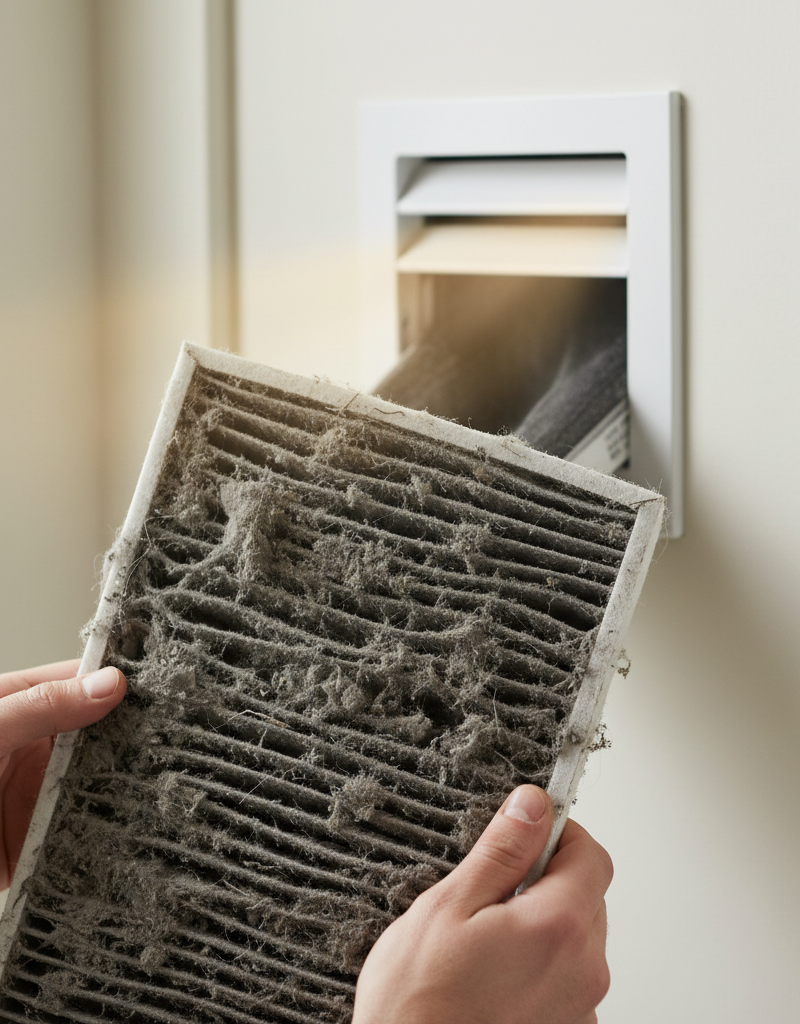
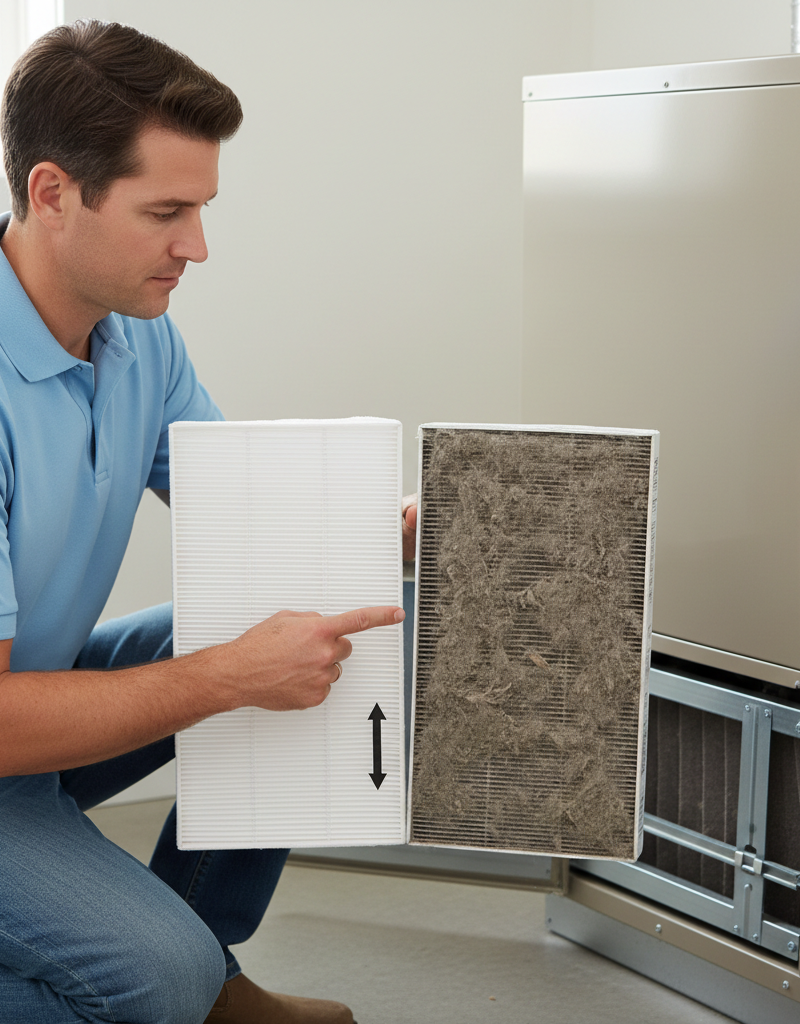
- Locate your air filter, typically in the return air vent or within the furnace/air handler unit. Pull it out and examine it. If it's visibly clogged with dust, pet hair, and debris, it's severely restricting airflow, causing your system to work harder and potentially freeze up. Replace it with a new, clean filter of the correct size. Filters should ideally be checked monthly and replaced every 1-3 months, depending on usage and household conditions (pets, allergies).
- Tools: New air filter (matching MERV rating and size).
- Safety: Turn off the AC system at the thermostat before handling the filter.
-
Clear Outdoor Condenser Unit – Restore proper heat exchange.
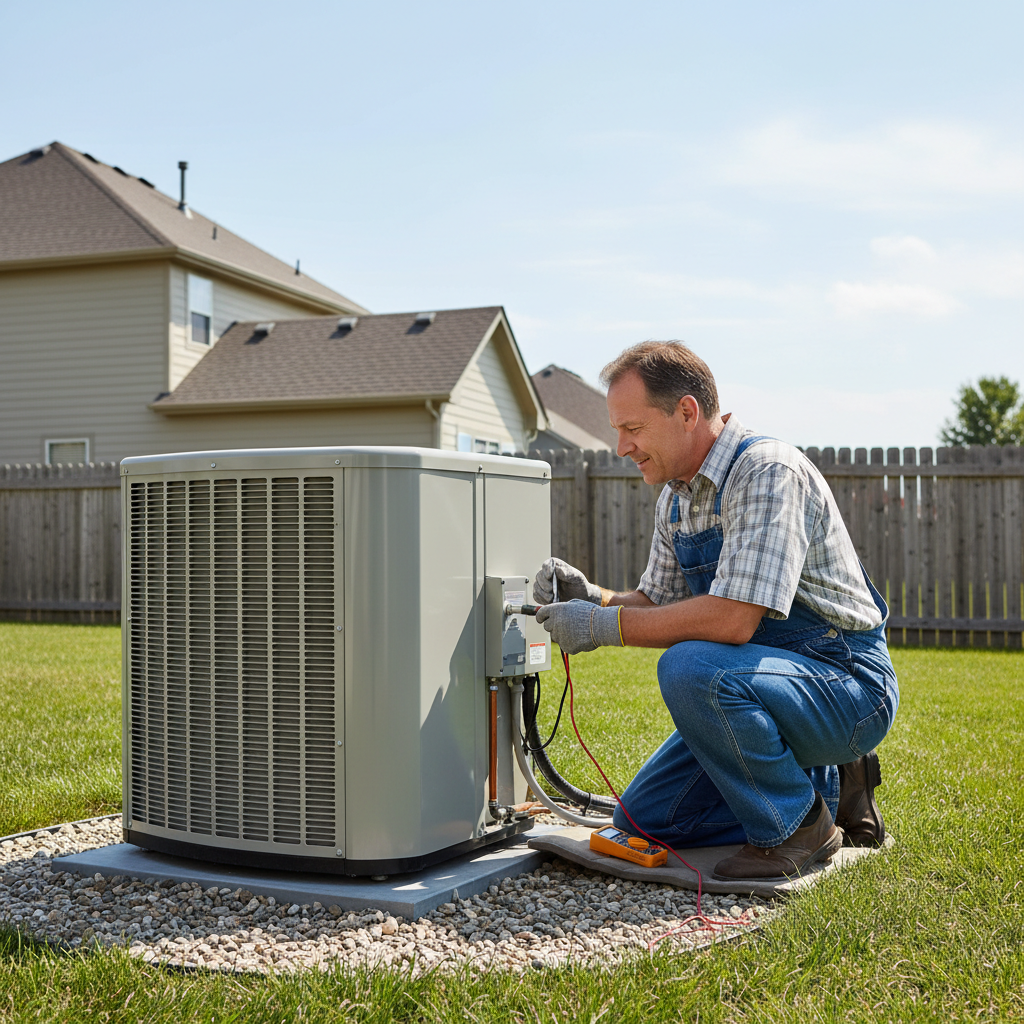
- Visually inspect your outdoor AC unit. Remove any leaves, grass clippings, weeds, or debris that have accumulated around the unit or are stuck to its fins. Ensure there's at least 2-3 feet of clear space on all sides for proper airflow. Use a soft brush or a garden hose (on a gentle setting) to carefully clean the condenser fins, making sure not to bend them. Bent fins can block airflow.
- Tools: Garden hose, soft brush, work gloves.
- Safety: Before cleaning, turn off the power to the outdoor unit at the dedicated disconnect box near the unit, as well as at your home's main electrical panel.
-
Check for Frozen Evaporator Coil – A sign of airflow issues.
- If your AC is blowing warm air or very little air, and you hear unusual noises from the indoor unit, turn off the AC system immediately. Access the indoor evaporator coil (usually located above the furnace in the main plenum). If you see a block of ice on the coil, it's frozen. A frozen coil prevents heat absorption. The primary cause is often restricted airflow (dirty filter, blocked return vents) or low refrigerant. Let it thaw completely (can take 2-24 hours with the fan running and compressor off). Once thawed, address the airflow issue that caused it.
- If this doesn't work: If the coil freezes repeatedly after addressing airflow, you likely have a refrigerant leak, which requires a professional.
-
Unblock Indoor Vents and Registers – Maximize cool air delivery.
- Walk through your home and ensure all supply registers (where cool air comes out) and return air grilles (where warm air goes in) are fully open and unobstructed by furniture, curtains, rugs, or decorative items. Restricted vents create back pressure, reducing system efficiency and potentially causing a frozen coil. Never close more than 20% of your home's supply vents, as this stresses the system.
-
Inspect Condensate Drain Line – Prevent overflow shut-offs.
- The indoor unit produces condensation, which drains away through a PVC pipe. If this line gets clogged with algae or debris, water backs up, often triggering a safety float switch that shuts down the system. Locate the condensate pan and drain line. If the pan is full of water, the line is clogged. You can often clear a clog by gently vacuuming the end of the drain line with a wet/dry shop vac or pouring a cup of distilled vinegar mixed with water into the clean-out access point (if available) to dissolve buildup.
- Tools: Wet/dry shop vac, distilled vinegar, cup.
- Safety: Turn off the AC system at the thermostat and breaker before working on the drain line.
-
Test the Run Capacitor – A common electrical failure.
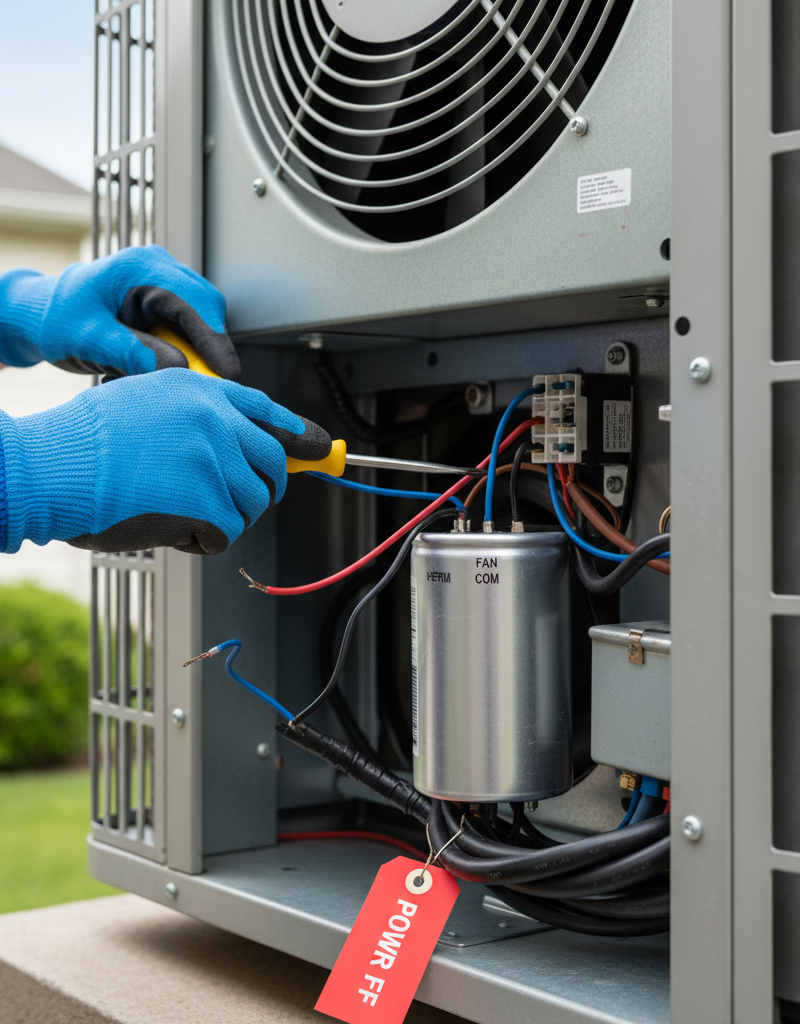
- The squirrel cage fan inside your outdoor unit, as well as the compressor, rely on a capacitor to get started and run efficiently. If the outdoor fan isn't spinning, or the compressor isn't running but the fan is, a failing capacitor is a strong suspect. Visually inspect the capacitor for bulging tops or leaks – clear signs of failure. Replacing a capacitor is a relatively simple DIY task for those comfortable with electrical work, but requires careful handling as it stores a lethal charge.
- Tools: Insulated screwdriver, multimeter with capacitance setting, needle-nose pliers, replacement capacitor (match MFD and voltage precisely).
- Safety: CRITICAL SAFETY NOTE: Capacitors store high voltage and can deliver a lethal shock even after power is disconnected. Always turn off power at the breaker and disconnect switch, then discharge the capacitor safely with an insulated screwdriver before touching it. If uncomfortable, call a pro.
- If this doesn't work: If the capacitor is fine, the fan motor or compressor itself may be faulty, requiring professional diagnosis.
Common Causes
- Dirty Air Filter: The most frequent cause of poor airflow and reduced cooling. Prevents proper heat exchange, often leading to a frozen evaporator coil.
- Thermostat Malfunction: Incorrect settings, dead batteries, or internal wiring issues can miscommunicate with the AC system.
- Blocked Condenser Unit: Debris restricting airflow around the outdoor unit prevents efficient heat dissipation.
- Frozen Evaporator Coil: Usually a symptom of severely restricted airflow (dirty filter, blocked vents) or low refrigerant, rather than a cause itself.
- Clogged Condensate Drain: Algae and sludge buildup blocks the drain, causing water overflow and triggering safety switches that shut down the system.
- Failing Start/Run Capacitor: Electrical components (motor, compressor) can't start or maintain operation without proper capacitance.
- Refrigerant Leaks (Low Refrigerant): While a DIY fix isn't possible, low refrigerant reduces the system's ability to absorb and transfer heat. This requires a certified HVAC technician.
- Damaged Fan Motor: Either the indoor blower fan or the outdoor condenser fan motor can fail, preventing crucial airflow.
Common Mistakes
- Ignoring the Air Filter: Many homeowners neglect to check or replace their air filter regularly, leading to reduced efficiency, higher bills, and potential system damage. Instead: Check monthly, replace every 1-3 months.
- Closing Too Many Vents: Thinking it saves energy or cools one room faster, closing several supply vents puts undue stress on your air handler and can lead to coil freeze-ups. Instead: Keep most vents open for balanced airflow; if certain rooms are too cold, use adjustable registers to slightly reduce airflow, but avoid fully closing them.
- Not Clearing the Outdoor Unit: Allowing shrubs, leaves, or fencing to crowd the condenser unit chokes its ability to dissipate heat, severely impacting efficiency. Instead: Maintain at least 2-3 feet of clearance around the outdoor unit at all times.
- Adding Refrigerant Yourself: Refrigerant isn't a "topping off" fluid. If your system is low, it has a leak, and simply adding more without fixing the leak is illegal, environmentally damaging, and wastes money. Instead: Call a certified HVAC technician for leak detection and repair.
- Poking at a Frozen Coil: Attempting to chip away ice from a frozen evaporator coil can easily puncture the delicate aluminum fins and refrigerant lines, leading to very expensive repairs. Instead: Turn off the AC and let it thaw naturally, then address the underlying airflow issue.
- Overlooking the Condensate Drain: A clogged drain can cause water damage and shut down the system. Many homeowners overlook this common, easy-to-fix problem. Instead: Regularly check the condensate pan for standing water and flush the drain line annually with vinegar.
Cost & Time Breakdown
| Task | DIY Cost | Pro Cost | Time |
|---|---|---|---|
| Replace Air Filter | $10–$30 | $0 (DIY) | 5 minutes |
| Clear Outdoor Unit Debris | $0 | $0 (DIY) | 15–30 minutes |
| Thaw Frozen Coil | $0 | $0 (DIY) | 2–24 hours (passive) |
| Clear Condensate Drain | $0–$10 | $100–$250 | 30–60 minutes |
| Replace AC Capacitor | $20–$50 | $150–$400 | 30–60 minutes |
| Full AC Diagnostic/Recharge | N/A | $200–$600+ | 1–3 hours |
Tips & Prevention
- Regular Filter Changes: Mark your calendar to check your air filter monthly, and replace it every 1 to 3 months, or more often if you have pets or allergies. This is the single most important maintenance task.
- Annual Professional Tune-up: Schedule a professional HVAC tune-up every spring. A technician will clean coils, check refrigerant levels, inspect electrical components, and identify potential issues before they become major problems. This costs around $75-$150 and can save you thousands.
- Clear Outdoor Unit: Periodically check your outdoor condenser unit for debris, foliage, and obstructions. Keep the area around it clear to ensure unrestricted airflow.
- Monitor Condensate Drain: Pour a cup of distilled vinegar mixed with water into the condensate drain's clean-out access point once or twice a year to prevent algae buildup.
- Listen and Look: Pay attention to unusual noises, smells, or puddles around your AC system. Early detection of problems can prevent larger failures.
- Smart Thermostat Usage: Use programmable or smart thermostats to optimize cooling schedules and maintain comfortable temperatures without overworking your system.
When to Call a Professional
While many AC issues can be resolved with DIY troubleshooting, some problems are beyond the scope of a typical homeowner and require the expertise of a licensed HVAC professional. You should always call a pro if you suspect a refrigerant leak. Signs include a hissing sound, a persistent frozen evaporator coil even after addressing airflow, or a sudden, significant drop in cooling performance without an obvious cause. Refrigerant is a regulated substance, and only certified technicians can legally handle, recover, and recharge it.
Similarly, if diagnosing and replacing the AC capacitor doesn't restore function, or if you hear grinding, squealing, or persistent rattling noises from either the indoor or outdoor unit, it could indicate a failing fan motor or a more serious compressor issue. These components are complex, expensive, and require specialized tools and knowledge to diagnose and replace. If you are uncomfortable working with electricity or cannot isolate the problem after checking the common culprits, an HVAC technician has the diagnostic tools and experience to pinpoint the exact issue safely and efficiently.
Related Articles
Keep troubleshooting with these hand-picked guides from FixlyGuide:
- The 12 Checks That Prevent 80% of Costly Home Repairs — Don't wait for a disaster. Our comprehensive monthly home maintenance checklist reveals the surprising, simple tasks that catch small issue…
- The Surprising Reason Your House Ticks and Pops At Night (And What It Means) — That unsettling ticking or popping sound in your house at night is usually normal thermal expansion and contraction, but sometimes it signa…
- The Secret to Endless Hot Showers? It's Not Your Water Heater's Age — Inconsistent hot water or no hot water at all often points to a single, often overlooked culprit: the thermostat. Understanding its role is…
- 7 Hidden Equity Drains Costing You Thousands Annually — Your home is an asset, but silent problems like minor leaks, poor insulation, and deferred maintenance can drain its value. Discover the se…
- The 3 Hidden Ways Your — Uncover the surprising habits and hidden household issues that are silently increasing your homeownership costs and learn how to fix them.
- The #1 Reason Your AC Blows Warm Air (And It's Not What You Think) — Discover the most common and often overlooked reason your AC might be blowing warm air, and how a simple capacitor fix can restore cool air.
Get the print-ready PDF of this guide
A clean, ad-free, printable version you can keep on your phone or pin to the workshop wall. We'll also send occasional weekly tips matched to your home situation.
- Print-optimized layout
- Tools, materials & every step included
- Unsubscribe anytime
This article was independently written by FixlyGuide based on the source topic.
Frequently asked questions
Why is my AC running but not cooling the house?+
Your AC might be running but not cooling due to a dirty air filter, incorrect thermostat settings, a frozen evaporator coil, restricted airflow from blocked vents, a dirty outdoor condenser unit, or a failing capacitor. Start by checking the filter and thermostat settings, then move on to inspecting for ice on the coil or debris around the outdoor unit.
What is the most common reason an AC stops cooling?+
The most common reason an AC stops cooling is a severely dirty or clogged air filter. This restricts airflow, making the system work harder, reducing its efficiency, and often leading to the evaporator coil freezing over, which completely prevents heat absorption and cooling.
Can I fix my AC not cooling myself?+
Many common AC cooling issues can be fixed by a homeowner. These include replacing a dirty air filter, cleaning debris from the outdoor condenser unit, thawing a frozen evaporator coil, clearing a clogged condensate drain line, and in some cases, replacing a faulty run capacitor (with extreme caution). However, issues like refrigerant leaks or compressor failure require a professional.
How do I know if my AC just needs refrigerant?+
You can't visually determine if your AC "just needs refrigerant." Low refrigerant often indicates a leak, not just a need to top it off. Signs might include a persistent frozen coil, warm air blowing despite other fixes, or a hissing sound. Adding refrigerant without fixing the leak is illegal and wasteful. This issue requires professional diagnosis and repair.
How long does it take for AC to start cooling after fixing?+
After fixing a common issue like replacing a dirty filter or clearing a blocked outdoor unit, your AC should start blowing noticeably cooler air within 15-30 minutes. If the evaporator coil was frozen, it can take 2-24 hours for the ice to completely thaw before the system can resume normal cooling operation. Patience is key for thawing.
Discussion
Loading comments…