Tools & materials you'll need
Affiliate linksAs an Amazon Associate FixlyGuide earns from qualifying purchases — at no extra cost to you. Prices and availability are accurate as of publication and subject to change.
Quick Answer
When a window sash refuses to stay open, it's almost always a problem with the balancing mechanism designed to counteract the weight of the window. This could be due to broken sash cords, worn-out spiral balances, or damaged pivot bars. Most of these issues are relatively easy to diagnose and fix with basic tools, often requiring the replacement of an inexpensive part or a simple adjustment.
The Problem
You push your window open, expecting a refreshing breeze, only for it to immediately slide back down with a thud. This frustrating scenario is common in older homes, but can also occur in newer windows as components age or become damaged. A window that won't stay open isn't just an annoyance; it can be a security hazard, a source of wasted energy (if you can't properly ventilate), and a sign of deeper wear and tear. The core issue lies in the system designed to hold the weighty glass and frame in place – the 'balance' mechanism. Without proper tension or support from these balances, gravity wins every time, pulling your window shut.
How It Works
To understand the fix, it helps to know how windows stay up in the first place. Most common residential windows, like single-hung or double-hung types, rely on a 'balance system' to counteract the weight of the sash (the movable part of the window). This system allows you to easily raise and lower heavy windows and have them remain at any desired height.
There are three primary types of balance systems:
-
Rope and Pulley (Weight Balances): Found in very old windows (pre-1950s), these systems use actual lead or cast-iron weights concealed within pockets in the window frame. The weights are connected to the window sash by ropes that run over pulleys at the top of the frame. When you lift the sash, the weights descend, balancing the load. If a rope breaks, the sash becomes heavy and won't stay up.
-
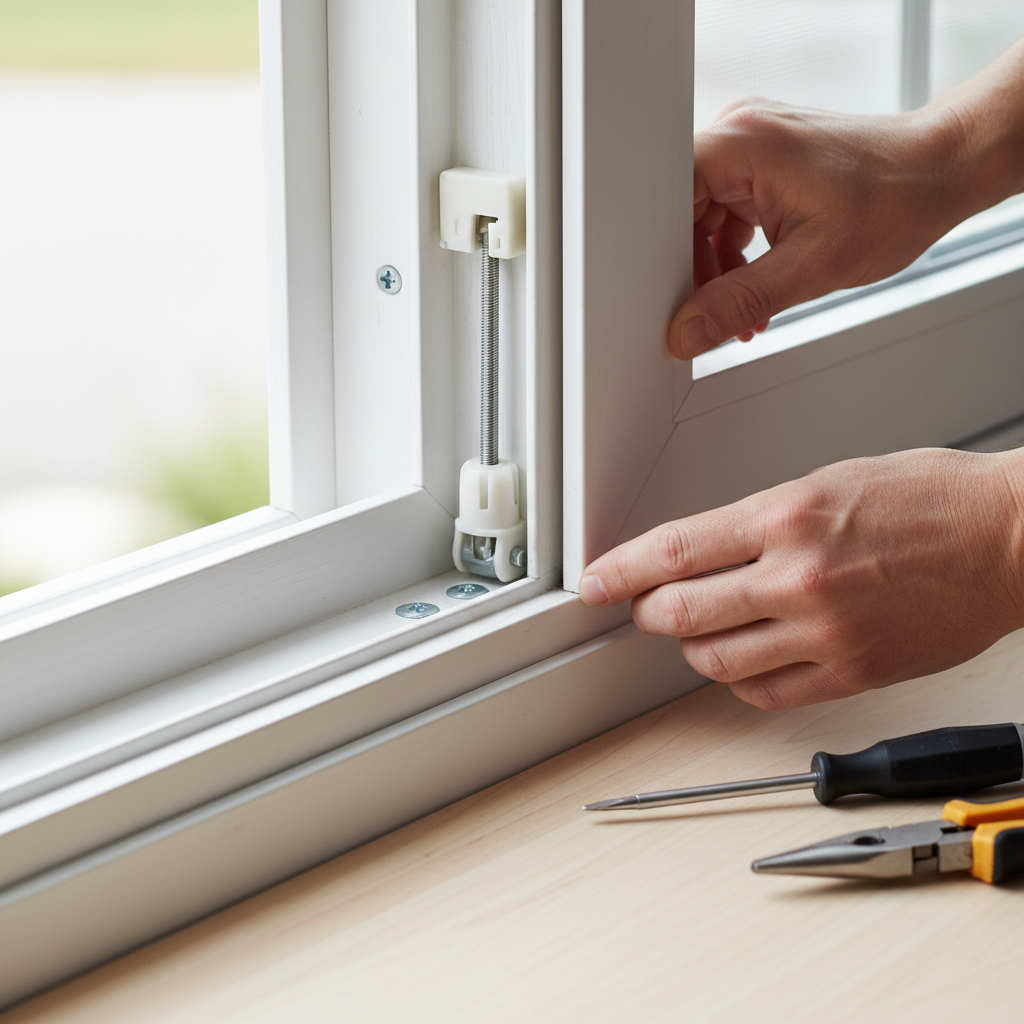
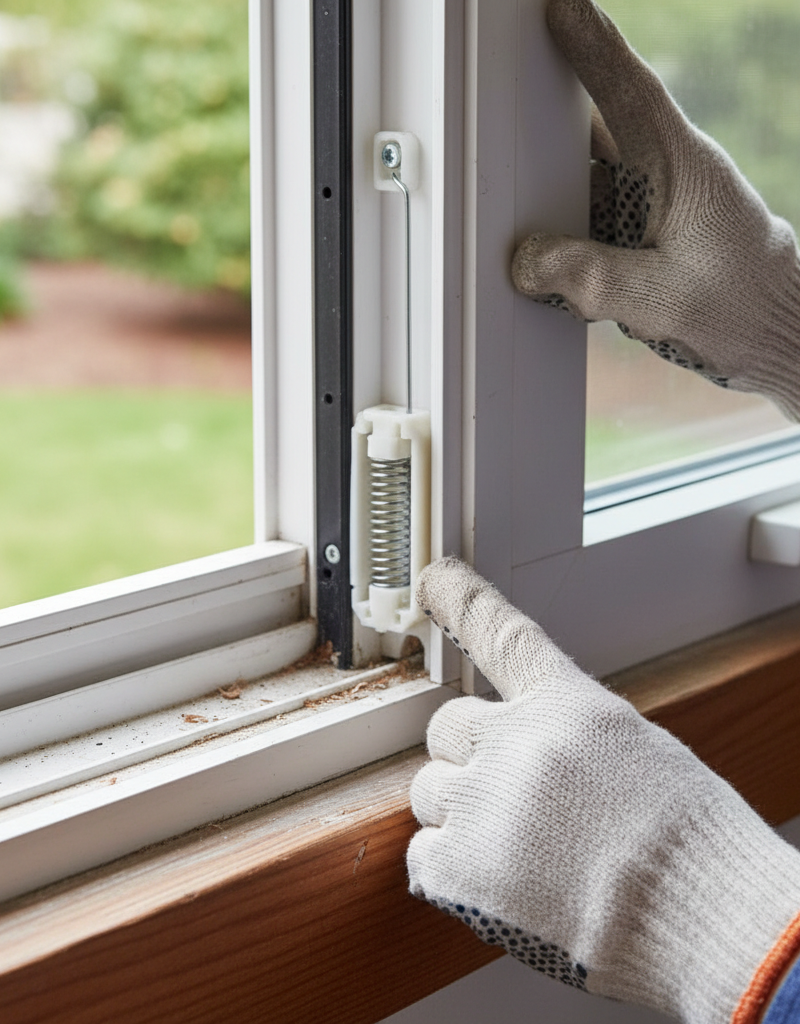
Spring Balances (Spiral Balances): Popular in many vinyl and aluminum windows, these are typically long, slender tubes containing a coiled spring and a rod. The spring provides tension to support the sash. One end of the spiral balance is attached to the window frame, and the other end (usually a pivot bar or pin) connects to the sash. As the window moves, the spring coils or uncoils, maintaining tension. Over time, springs can lose their tension, break, or the pivot bar can detach or break.
-
Block and Tackle Balances (Channel Balances): Also common in vinyl and often aluminum windows, these use a series of cords and pulleys enclosed within a metal or plastic channel. A coiled spring provides the tension. These are often easier to replace as a complete unit. If the cords fray or the spring inside the channel fails, the balance is lost.
When any part of these systems—be it a broken cord, a detensioned spring, a detached pivot, or a jammed mechanism—fails, the sash loses its counterweight or support, and gravity takes over, causing the window to slide down. Identifying your window type and its specific balance system is the first critical step in troubleshooting.
Step-by-Step Fix
Before you begin, ensure you have a clear understanding of your window type and balance system. If you have an older window with ropes and pulleys, the fix will differ significantly from a newer vinyl window with spiral balances.
Safety Note: Always wear appropriate eye protection and work gloves when handling glass or sharp window components. If working from a ladder, ensure it's stable and properly secured.
1. Identify Your Window Balance System
— Examine your window to determine which balance system it uses. This dictates the repair process. Look for ropes in the frame (old windows), exposed spiral rods (usually plastic or metal tubes often visible when the window is opened), or hidden channels (common in vinyl windows, sometimes with visible cords).
- Rope & Pulley: Look for visible ropes disappearing into the side jambs and a weight pocket cover. These are typically wood windows.
- Spiral Balance: Open the window and look at the side jambs. You might see a long, thin tube with a rod inside, sometimes with a 'spindle' or 'pivot bar' at the bottom that connects to the sash.
- Block & Tackle (Channel Balance): These are often completely enclosed within a metal or plastic channel that runs vertically along the side of the window sash. You might see a small cord exiting the bottom of the channel.
2. Prepare the Window and Work Area
— Clear the area around the window. Lay down a drop cloth to protect your floor and catch any fallen debris or screws. Gather all necessary tools and materials before starting.
- Tools: Screwdrivers (Philips and flathead), utility knife, pliers, pry bar (for older sash stops), tape measure, small block of wood.
- Safety: Wear work gloves and safety glasses. If removing a heavy sash, consider having a helper.
3. Remove the Window Sash
— Most balance repairs require removing the window sash completely. The method varies by window type.
- For Rope & Pulley windows: Carefully pry off the inner sash stops (thin strips of wood). Lower the top sash and remove the parting bead (another thin strip) to access the lower sash. Gently pull the sash out, detaching the ropes from the side of the sash (they are often knotted or nailed). Tie a knot in the rope or clamp it to prevent the weights from falling into the pockets.
- For Spiral or Channel Balances (often tilt-wash windows): Open the window partially, then engage the tilt latches (small tabs on the top corners of the sash) to tilt the sash inward. Once tilted, you can usually lift the sash out of the frame by pulling it up from the pivot pins on the bottom of the sash. If no tilt function, you might need to unscrew jamb liners/stops.
- If your window does not tilt: You may need to remove the entire jamb liner assembly. This often involves unscrewing several screws along the side of the frame.
4. Diagnose and Repair the Balance System
— With the sash removed, inspect the balance mechanisms.
- Rope & Pulley:
- Broken Rope: Gently retrieve the broken rope end from the weight pocket using a bent wire. Remove the access panel for the weight pocket (usually a screwed-on cover at the bottom of the jamb). Replace the old weight if necessary, thread a new sash cord over the pulley, and tie it to the weight. Reattach the cord to the sash using the original method (knot or nail).
- Frayed Rope/Stuck Pulley: If the rope is frayed, replace it. If the pulley is stuck, lubricate it with a dry silicone spray or replace it entirely.
- Spiral Balances:
- Lost Tension: If the spiral rod is loose or easily turns, it has lost tension. You might be able to re-tension it. Use a specialized winding tool (often comes with new balances) or a pair of pliers inserted into the balance's end to twist the rod clockwise, creating tension. Carefully reinsert the pivot into the sash's shoe. Do not over-tension or let go suddenly, as the spring can unwind violently.
- Broken Balance/Pivot: The most common issue is a broken or detached pivot bar at the bottom of the sash, or a completely failed spring. This requires replacing the entire spiral balance unit. Measure the old balance length and diameter, and note the color of the plastic tip (this usually indicates its weight rating). Purchase a new balance matching these specifications. Remove the old balance by rotating it slightly and pulling it out of its housing. Install the new one, ensuring the pivot bar engages correctly with the sash's balance shoe.
- Block and Tackle (Channel Balances):
- Broken Cord/Failed Spring: These are usually replaced as a complete unit. Release the balance from its clips at the top and bottom of the channel. Often, a small clip holds the balance to the sash pivot pin. Measure the length of the metal channel. Note any identifying numbers or codes on the balance. Purchase an exact replacement. New channel balances often come pre-tensioned; follow manufacturer instructions for installation and removing the tension clip.
5. Reassemble the Window
— Once the balance is repaired or replaced, carefully reverse the disassembly steps.
- For any system: Reinsert the sash into the frame. For tilt-wash windows, align the pivot pins into the balance shoes, then tilt the sash back into place, ensuring the latches engage. For rope and pulley, reattach ropes, then reinstall parting beads and sash stops.
- Test: Slowly raise and lower the window several times to ensure it operates smoothly and stays in position at various heights. Make any necessary adjustments to tension or alignment.
Common Causes
- Worn-Out Springs: Over years of use, the coiled springs within spiral or channel balances can lose their tension or break entirely, no longer able to support the sash's weight.
- Broken Sash Cords: In older, weight-balanced windows, the natural fibers of the sash cords can fray and break over time, causing the sash to become unsupported.
- Damaged Pivot Bars/Shoes: The small plastic or metal pivot bars on the bottom of the sash (connecting to spiral or channel balances) can break, detach, or become worn, preventing proper engagement with the balance system.
- Accumulated Dirt and Debris: Gunk and grime can build up in the window tracks or around the balance mechanisms, causing friction and hindering smooth operation, eventually leading to balance failure as parts are stressed.
- Improper Installation or Adjustment: Sometimes, new windows or replacement balances are not correctly installed or tensioned, leading to problems shortly after installation.
- Material Degradation: UV exposure, temperature fluctuations, and moisture can degrade plastic and metal components over time, leading to brittleness and failure.
Common Mistakes
- Ignoring the Balance Type: Trying to fix a spiral balance window with instructions for a rope and pulley system will lead to frustration and potential damage. Always identify your specific system first.
- Forcing the Window: If a window is stuck or not moving smoothly, forcing it can break delicate balance components or warp the frame. Diagnose the issue before applying excessive force.
- Not Measuring Accurately: When replacing spiral or channel balances, precise measurements (length, diameter, and sometimes weight rating indicated by tip color) are crucial. A balance that's too short, long, or has the wrong tension will not work correctly.
- Over-Tensioning Spiral Balances: While re-tensioning a spiral balance, turning it too many times can damage the spring or make the window difficult to close. Follow manufacturer guidelines, or aim for just enough tension to hold the sash up.
- Neglecting Track Cleaning: Even with new balances, dirty or obstructed tracks can cause friction and make the window stiff, mimicking a balance issue or putting undue strain on new components.
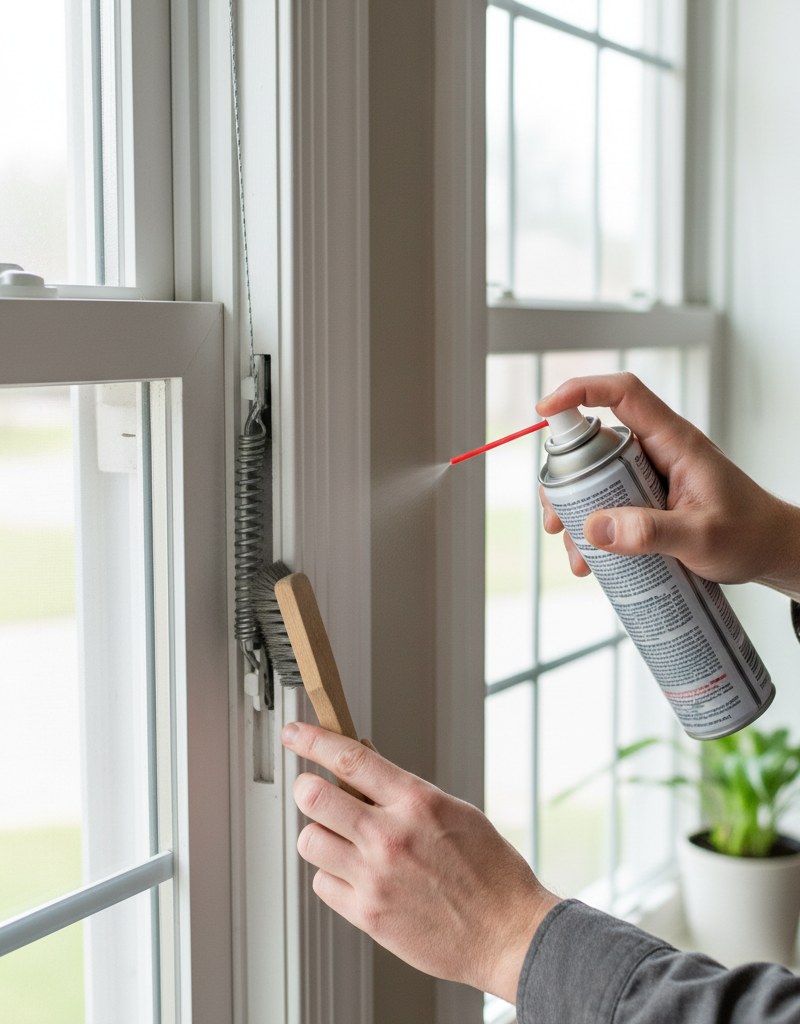
- Using the Wrong Lubricant: Oily lubricants (like WD-40) can attract dirt and grime, making the problem worse over time. Use a dry silicone spray specifically designed for window tracks and mechanisms.
Cost & Time Breakdown
| Task | DIY Cost | Pro Cost | Time |
|---|---|---|---|
| Diagnose problem | $0 | $75–$150 | 15–30 min |
| Replace sash cords | $5–$20 | $150–$250 | 1–2 hours |
| Replace spiral balance (per) | $10–$30 | $100–$200 | 30–60 min |
| Replace channel balance (per) | $20–$50 | $120–$250 | 45–90 min |
| Lubricate tracks/minor adjustments | $0–$10 (spray) | $75–$150 | 15–30 min |
Tips & Prevention
- Routine Cleaning: Regularly clean window tracks with a vacuum and a stiff brush to prevent dirt and debris buildup. This reduces friction and extends the life of balance systems.
- Lubricate Sparingly: Apply a dry silicone spray to window tracks and visible balance components (if appropriate for your system) once a year. Avoid petroleum-based lubricants.
- Avoid Slamming: Gently open and close windows. Excessively harsh operation can stress and damage balance springs, cords, and pivot points.
- Inspect Annually: Once a year, fully open and close all your windows, checking for smooth operation, unusual noises, or any signs of balance issues. Early detection can prevent more extensive repairs.
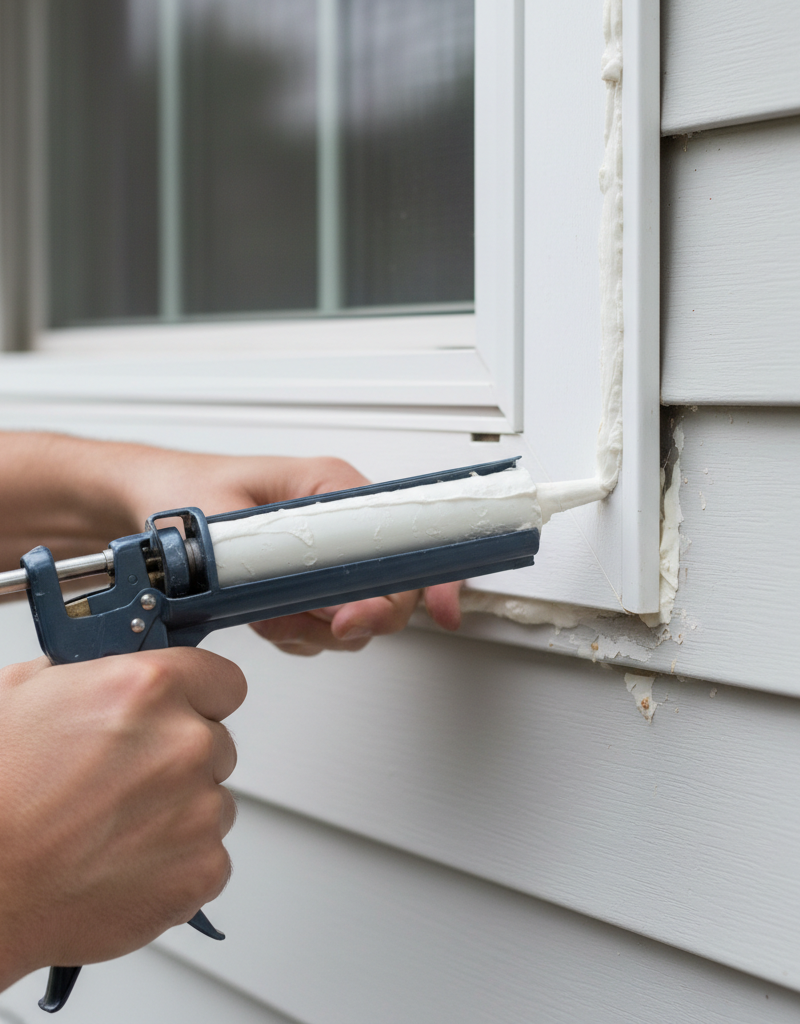
- Check for Moisture Damage: Ensure window frames are properly sealed and free of moisture damage, which can lead to warped wood and interfere with balance mechanisms.
- Proper Sag Measurement: If ordering replacement balances, ensure you measure the exposed length of the balance and verify any weight ratings or associated sash weights to get the correct replacement part.
When to Call a Professional
While many window balance issues are DIY-friendly, there are specific situations where calling a licensed window professional is the wisest course of action. If your window frame itself appears warped, rotted, or structurally compromised due to moisture or age, a professional can assess the damage and recommend appropriate repairs or replacements beyond simple balance fixes. Similarly, if you have a very large, heavy, or custom-designed window that requires specialized knowledge or tools for sash removal and reinstallation, attempting a DIY fix could lead to further damage or injury. If after a thorough inspection you cannot identify the balance system, locate replacement parts, or if the repair involves removing entire window sills or complex frame components, it's time to seek expert help to ensure the job is done safely and correctly, preserving the integrity and energy efficiency of your home.
Related Articles
Keep troubleshooting with these hand-picked guides from FixlyGuide:
- The 3 Hidden Reasons Your Window Won't Stay Up (And the Easy Fixes) — Before you call a repairman, learn the three most common reasons your double-hung window won't stay open and how to fix them yourself.
- The 5-Minute Trick to Fix a Window That Won't Stay Open (No Tools Needed!) — Discover the surprisingly simple reasons why your window keeps sliding shut and how to fix it in minutes, often without any tools.
- The 3 Hidden Reasons Your Door Won't Latch (And the Easy Fixes) — Discover the surprising reasons your interior door isn't latching and how to quickly diagnose and fix the issue with simple tools.
- The 4 Hidden Reasons Your Doorbell Dies (And the 20-Minute Fix) — A non-working doorbell is often caused by simple, hidden issues like a tripped transformer or a corroded button, which homeowners can fix i…
- The 3 Hidden Reasons Your Door Won't Latch (And the Easy DIY Fixes) — Frustrated by a door that refuses to latch? Discover the common culprits behind this annoying problem and learn simple, effective DIY fixes…
- The 3 Hidden Reasons Your Pipes Freeze (And How to Thaw Them Fast) — Discover the real culprits behind frozen pipes and learn a step-by-step method to safely thaw them, preventing costly damage.
Frequently asked questions
Why won't my double-hung window stay up?+
Most often, a double-hung window that won't stay up has a problem with its balance system. This could be a broken sash cord (in older windows), a worn-out or broken spiral balance spring, or a damaged pivot bar or shoe that connects the sash to the balance. The balance system is designed to counteract the weight of the sash, allowing it to remain open at any height.
Can I fix a window balance myself?+
Yes, many window balance issues are DIY-friendly! With proper identification of your window's balance type (rope and pulley, spiral balance, or channel balance), the right tools, and careful attention to instructions, you can often replace broken cords, re-tension springs, or swap out entire balance units. Always wear safety glasses and gloves, and if the sash is very heavy, get help.
How do I know what type of window balance I have?+
To identify your window balance type, inspect the side jambs when the window is open. Older windows (pre-1950s) often have visible ropes disappearing into the frame, indicating a rope and pulley system. Newer windows might have a visible, slender plastic or metal tube with a spiral rod inside (spiral balance), or a completely enclosed metal or plastic channel sometimes with a visible cord (channel balance).
What causes window balance springs to fail?+
Window balance springs primarily fail due to age and repeated use, which causes the coiled metal to lose its tension or break. Other factors include exposure to extreme temperatures, moisture, poor lubrication (leading to increased friction), or physical damage from forcing a stuck window. Incorrect initial tensioning or a manufacturing defect can also lead to premature failure.
How much does it cost to fix a window that won't stay up?+
The DIY cost to fix a window that won't stay up is typically low, ranging from $5 to $50 for replacement parts like sash cords, spiral balances, or channel balances. A professional repair can cost more, usually between $75 and $250 per window, depending on the severity of the problem and the type of balance system. This estimate typically covers labor and parts for one window.
Discussion
Loading comments…