Tools & materials you'll need
Affiliate linksAs an Amazon Associate FixlyGuide earns from qualifying purchases — at no extra cost to you. Prices and availability are accurate as of publication and subject to change.
Quick Answer
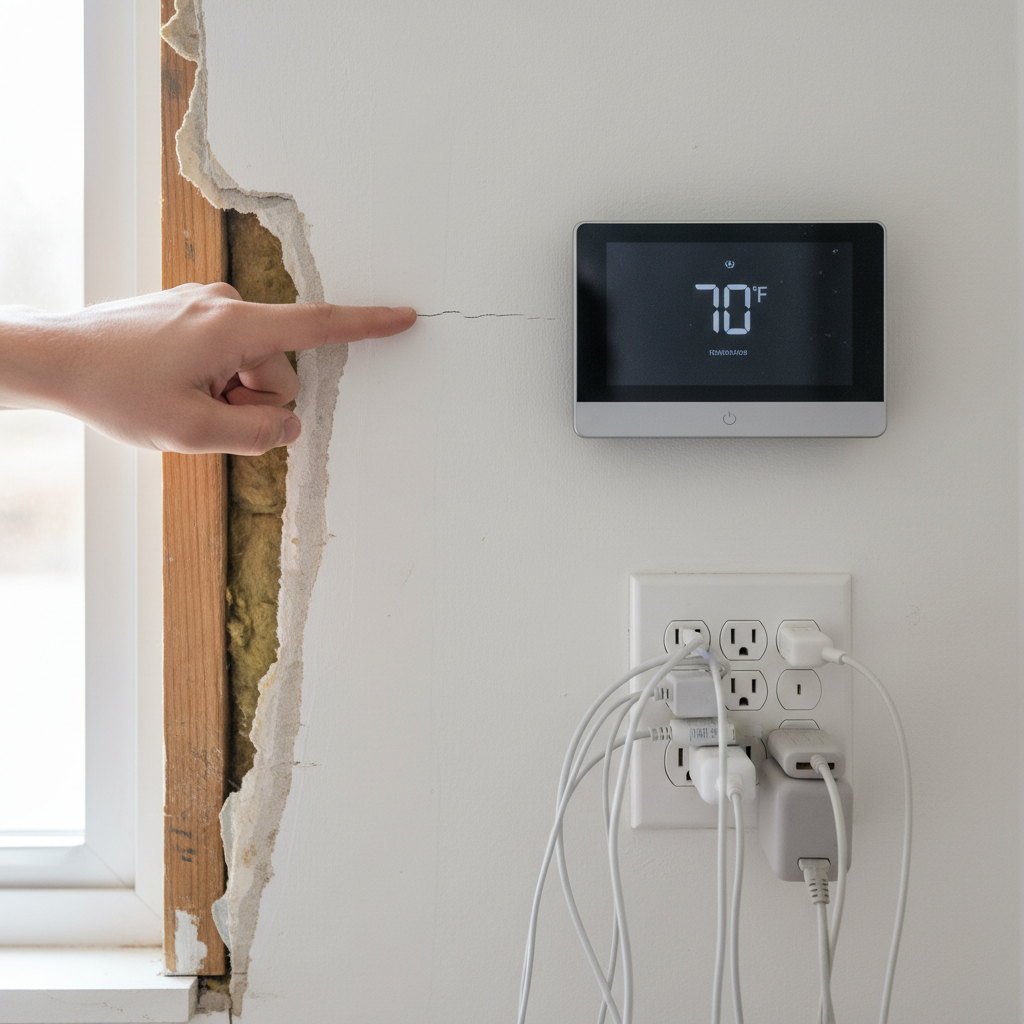
Many homeowners unknowingly increase their household expenses through inefficient habits like improper thermostat settings, neglecting minor repairs that escalate into larger problems, and overlooking 'vampire drain' from plugged-in electronics. Proactive maintenance, conscious energy consumption, and addressing small issues promptly are key to preventing these hidden costs from silently draining your wallet.
The Problem
Owning a home isn't just about mortgage payments; it's a constant balancing act of maintenance, utilities, and unexpected repairs. Often, homeowners focus on the big expenses and overlook the subtle, everyday habits and neglected minor issues that quietly but consistently add up. These 'hidden drains' aren't always obvious. They manifest as slightly higher-than-expected utility bills, premature appliance failures, or repair costs that could have been avoided with preventative action. The cumulative effect of these seemingly small oversights can be substantial, impacting your budget and potentially the long-term value of your home.
How It Works
Think of your home as a complex, interconnected system where every component affects the others. Energy efficiency, for instance, isn't just about insulation; it's about how your HVAC system runs, the seals around your windows and doors, and even the type of light bulbs you use. When your thermostat is set too low in winter or too high in summer, your HVAC system works harder, consuming more electricity or gas. Similarly, drafts from poorly sealed windows force your system to compensate, leading to increased energy usage. Appliances, even when turned off, often draw a small amount of power (known as 'vampire drain') for features like clocks, remote readiness, or chargers. Over time, these small draws add up.
Neglected minor repairs contribute to this financial drain by exacerbating existing problems. A small roof leak might seem insignificant, but if left unaddressed, it can lead to extensive water damage, mold growth, compromised structural integrity, and eventually, a much more expensive repair job. A dripping faucet wastes gallons of water over a year, increasing your water bill and potentially damaging your plumbing or fixtures. Ignoring a minor electrical issue, such as a flickering light, could indicate loose wiring that might eventually lead to a more serious (and costly) electrical fault or even a fire hazard. Understanding this interconnectedness helps homeowners identify where their money is actually going and how small changes can lead to significant savings.
Step-by-Step Fix
Here's how to tackle the most common hidden drains in your home and save money:
-
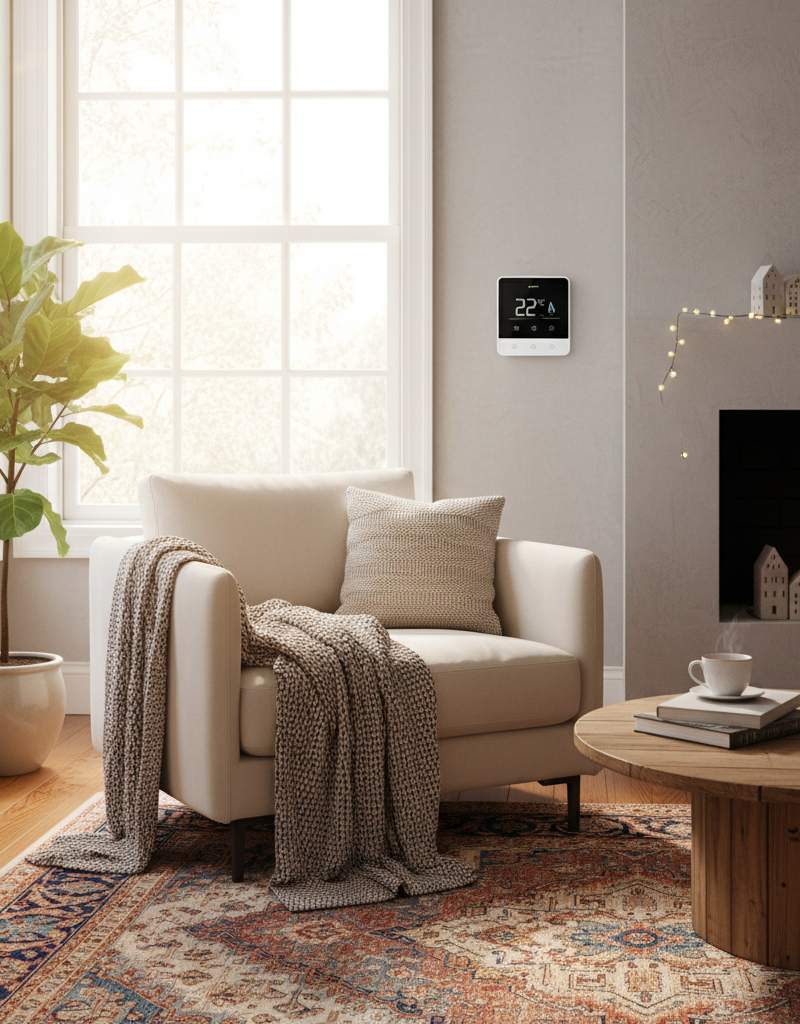
Optimize Your Thermostat Settings – Reduce energy waste by adjusting temperatures strategically.
- Goal: Maintain comfortable temperatures while minimizing HVAC run time.
- Action: In winter, set your thermostat to 68°F (20°C) during the day and lower it to 60-62°F (15-17°C) at night or when away. In summer, aim for 78°F (26°C) when home and higher when away. Consider a programmable or smart thermostat to automate these changes.
- If this doesn't work: Check for drafts around windows and doors; poor insulation can negate thermostat efforts.
-
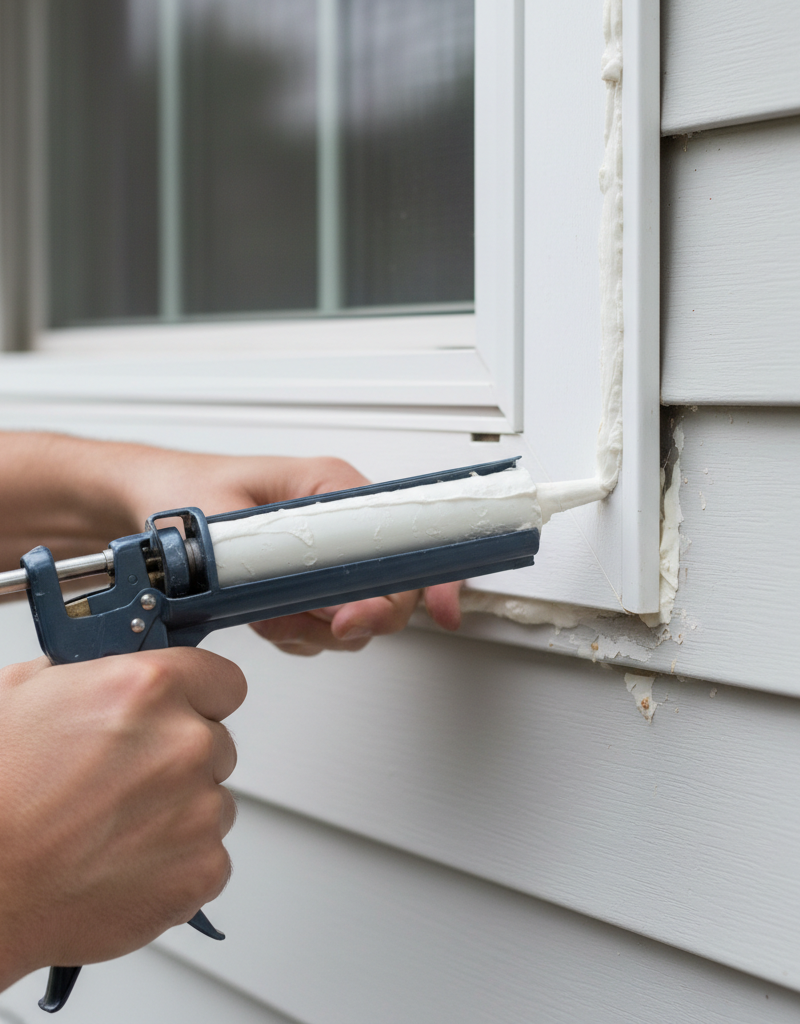
Seal Air Leaks Thoroughly – Prevent conditioned air from escaping and unconditioned air from entering.
- Tools: Caulking gun, exterior-grade caulk, weatherstripping, foam sealant.
- Action: Inspect around window and door frames, electrical outlets, plumbing penetrations, and attic hatches. Apply caulk to gaps smaller than a quarter-inch and use weatherstripping for moving parts like door and window sashes. Use expanding foam sealant for larger gaps in the attic or basement.
- Safety: Wear gloves and eye protection when using foam sealant. Ensure good ventilation.
-
Unplug Energy Vampires – Eliminate phantom power draw from electronics.
- Action: Identify electronics that consume power even when off (e.g., phone chargers, coffee makers, TVs, computers, game consoles). Unplug them when not in use. For convenience, use smart power strips that cut power to devices not actively being used, or regular power strips with an on/off switch.
- Tip: If you're unsure which devices are drawing power, use a kill-a-watt meter to measure their actual consumption.
-
Fix Leaky Faucets and Toilets – Stop wasting water and prevent extensive damage.
- Tools: Screwdriver, adjustable wrench, replacement washer/o-ring kit, toilet flapper.
- Action: For a leaky faucet, turn off the water supply, disassemble the handle and stem, and replace worn washers or o-rings. For a running toilet, check the flapper valve (often the culprit) and replace it if it's stiff or doesn't seal properly. Also, ensure the fill valve isn't set too high.
- Cost Savings: A single leaky toilet can waste hundreds of gallons per day, costing you significantly on your water bill.
-
Clean or Replace HVAC Filters Regularly – Improve efficiency and air quality, extend system life.
- Tools: New air filter (check your system for the correct size).
- Action: Locate your furnace or air handler. Slide out the old filter and replace it with a new one, ensuring the airflow arrow points in the correct direction. Aim to do this every 1-3 months, or more frequently if you have pets or allergies.
- Why it helps: A clogged filter restricts airflow, making your HVAC system work harder, consuming more energy, and shortening its lifespan.
-
Insulate Your Water Heater – Reduce standby heat loss and save on water heating costs.
- Tools: Water heater insulation blanket, measuring tape, scissors (for fiberglass blankets, wear gloves and a mask).
- Action: If your water heater tank feels warm to the touch, it's losing heat. Purchase an insulation blanket specifically designed for water heaters. Follow manufacturer instructions to wrap it securely around the tank. Be careful not to block the thermostat, relief valve, or burner access.
- Note: Newer water heaters may already be well-insulated; check your owner's manual. For gas water heaters, ensure no vents or air intakes are obstructed.
-
Conduct a DIY Home Energy Audit – Identify hidden energy inefficiencies.
- Tools: Flashlight, incense stick or tissue paper (to detect drafts), thermometer.
- Action: On a windy day, walk around your home's exterior and interior, feeling for drafts at windows, doors, outlets, and plumbing penetrations. Use an incense stick or tissue paper to visualize air movement. Check insulation levels in your attic. Note areas where improvement is needed.
- Next Steps: Prioritize fixes based on the severity of the drafts and the cost-effectiveness of the repair.
-
Address Minor Plumbing Leaks Promptly – Prevent water damage and mold.
- Tools: Plumber's tape, wrench, bucket, rags.
- Action: For small joint leaks under a sink, try tightening the connection a quarter turn. If that doesn't work, turn off the water supply, unscrew the fitting, apply new plumber's tape (PTFE tape) to the threaded pipe, and re-tighten. Place a bucket underneath to catch any drips.
- Warning: Even minor leaks can lead to significant mold growth and structural damage if ignored.
Common Causes
- Lack of Awareness: Many homeowners simply don't realize how much energy small leaks or phantom loads consume.
- Neglect of Preventative Maintenance: Skipping routine checks (like filter changes, sealing drafts) allows minor issues to compound into costly problems.
- Outdated Appliances/Systems: Older HVAC units, water heaters, and windows are inherently less efficient, costing more to operate.
- Poor Insulation: Insufficient insulation in walls, attics, and crawl spaces allows significant heat transfer, forcing HVAC to work overtime.
- Behavioral Habits: Leaving lights on, taking excessively long hot showers, and setting thermostats to extreme temperatures contribute to higher bills.
- DIY Mistakes: Improperly installed weatherstripping or caulk can be ineffective, leading to continued energy loss.
Common Mistakes
- Ignoring a Dripping Faucet: Believing a tiny drip isn't a big deal. Even a slow drip can waste hundreds of gallons a year and often indicates a worn-out part that will eventually fail completely.
- Not Changing HVAC Filters: A dirty filter chokes your system, reduces efficiency, and can lead to expensive repairs or premature system replacement. Change it every 1-3 months.
- Over-Insulating Without Sealing: Adding more insulation without first sealing air leaks is like putting a warm blanket on a leaky sieve; comfort and efficiency gains will be minimal.
- Setting the Thermostat to Extremes: Cranking the AC to 60°F or heat to 85°F won't cool or heat your house faster, it just makes the system run longer, wasting energy.
- Ignoring Gaps Around Pipes/Wires: Small gaps where pipes or electrical wires enter your home are often overlooked but can be significant entry points for drafts and pests.
- Buying the Cheapest Replacement Parts: While saving a few dollars initially, cheap faucet washers or toilet flappers often fail prematurely, leading to repeated repairs and frustration.
Cost & Time Breakdown
| Task | DIY Cost | Pro Cost | Time |
|---|---|---|---|
| Optimize Thermostat Settings | $0–$250 | N/A | 10 min – 1 hr |
| Seal Air Leaks (Caulk/Weatherstrip) | $20–$100 | N/A | 1–4 hours |
| Unplug Energy Vampires / Power Strips | $0–$50 | N/A | 10 min |
| Fix Leaky Faucet/Toilet | $5–$30 | $100–$300 | 30 min – 1 hr |
| Replace HVAC Filter | $10–$40 | N/A | 5 min |
| Insulate Water Heater (if applicable) | $20–$50 | N/A | 30 min – 1 hr |
Tips & Prevention
- Schedule Annual HVAC Servicing: A professional tune-up ensures your system runs efficiently and catches small issues before they become major problems.
- Perform a Seasonal Home Check-up: Before summer and winter, inspect weatherstripping, caulk, and insulation. Check for any new leaks or drafts.
- Monitor Your Utility Bills: Keep an eye on your energy and water consumption. Sudden spikes (without a clear reason) are red flags for potential issues.
- Upgrade to Energy-Efficient Appliances: When major appliances (furnace, AC, water heater, refrigerator) reach the end of their lifespan, invest in Energy Star certified models for significant long-term savings.
- Use LED Lighting: Replace old incandescent bulbs with LEDs; they use up to 90% less energy and last much longer.
- Consider a Home Energy Audit: A professional audit can identify hidden energy losses with specialized equipment and provide tailored recommendations for improvement.
When to Call a Professional
While many of these fixes are within a homeowner's DIY capability, there are specific situations where a professional is essential. If you suspect a major electrical issue, such as frequent circuit breaker trips, burning smells, or hot outlets, always call a licensed electrician. For persistent plumbing leaks that you can't identify or stop, especially if they involve main water lines or sewage, a licensed plumber is necessary to prevent extensive water damage and potential health hazards. Similarly, if your HVAC system is making unusual noises, not heating or cooling effectively, or you smell gas, contact a certified HVAC technician immediately. Never attempt to service gas appliances or high-voltage electrical systems yourself. Addressing foundational issues, significant roof leaks, or widespread insulation problems often requires the expertise and equipment of specialized contractors. Identifying when a problem exceeds your skill set is not a failure, but a smart decision to protect your home and your safety.
Related Articles
Keep troubleshooting with these hand-picked guides from FixlyGuide:
- 7 Hidden Equity Drains Costing You Thousands Annually — Your home is an asset, but silent problems like minor leaks, poor insulation, and deferred maintenance can drain its value. Discover the se…
- The 12 Checks That Prevent 80% of Costly Home Repairs — Don't wait for a disaster. Our comprehensive monthly home maintenance checklist reveals the surprising, simple tasks that catch small issue…
- The Secret Power Tool Hiding in Your Garage for a Speedier Clean — Unlock the hidden potential of your cordless drill to tackle stubborn household grime, soap scum, and dirt with specialized cleaning attach…
- The Surprising Reason Your House Ticks and Pops At Night (And What It Means) — That unsettling ticking or popping sound in your house at night is usually normal thermal expansion and contraction, but sometimes it signa…
- The Surprising Trick to Cutting Your Dryer Bill By $100 Per Year — Installing a clothesline can significantly reduce your energy bills and add a fresh scent to your laundry. This guide covers how to choose…
- The 3 Hidden Reasons Your Gas Burner Won't Light (Beyond a Clog) — Before you call a technician, discover the most common culprits behind a gas stove burner that refuses to ignite and learn how to fix them…
Get the print-ready PDF of this guide
A clean, ad-free, printable version you can keep on your phone or pin to the workshop wall. We'll also send occasional weekly tips matched to your home situation.
- Print-optimized layout
- Tools, materials & every step included
- Unsubscribe anytime
This article was independently written by FixlyGuide based on the source topic.
Frequently asked questions
What is 'vampire drain'?+
Vampire or phantom drain refers to the electricity consumed by electronic devices when they are plugged in but turned off. Devices like TVs, phone chargers, and coffee makers can still draw a small amount of power to maintain certain functions (e.g., clocks, remote readiness), quietly adding up on your electricity bill.
How often should I change my HVAC filter?+
Most experts recommend changing your HVAC filter every 1 to 3 months. If you have pets, allergies, or live in a dusty environment, you may need to change it more frequently, perhaps every 3-4 weeks. A clean filter ensures optimal airflow and system efficiency.
Can a small water leak really cost me a lot?+
Absolutely. Even a seemingly small drip from a faucet can waste hundreds to thousands of gallons of water over a year, significantly increasing your water bill. A constantly running toilet can be even worse, potentially wasting tens of thousands of gallons annually, leading to substantial financial losses and potential water damage.

Discussion
Loading comments…