Tools & materials you'll need
Affiliate linksAs an Amazon Associate FixlyGuide earns from qualifying purchases — at no extra cost to you. Prices and availability are accurate as of publication and subject to change.
Quick Answer
AWhen rain seeps into your chimney, the usual suspects are problems with the chimney cap, the condition of the flashing around the base, or cracks in the chimney crown. Less common, but still critical, can be issues with the brick and mortar itself, or even condensation mimicking a leak. Most homeowners can diagnose and fix minor issues with the right guidance, but serious issues or work at significant heights should always be left to a professional.
The Problem
Rain dripping, staining, or puddling near your fireplace or inside the flue indicates a chimney leak – a frustrating and potentially damaging issue. Beyond cosmetic damage to your ceilings and walls, persistent moisture can lead to efflorescence (white mineral deposits), mold growth, deteriorated masonry, and even structural compromise if left unaddressed. It can also significantly shorten the lifespan of your firebox and flue liner. Identifying the precise entry point of the water is essential, as the visible leak inside your home might be far from the actual source on the roof.
How It Works
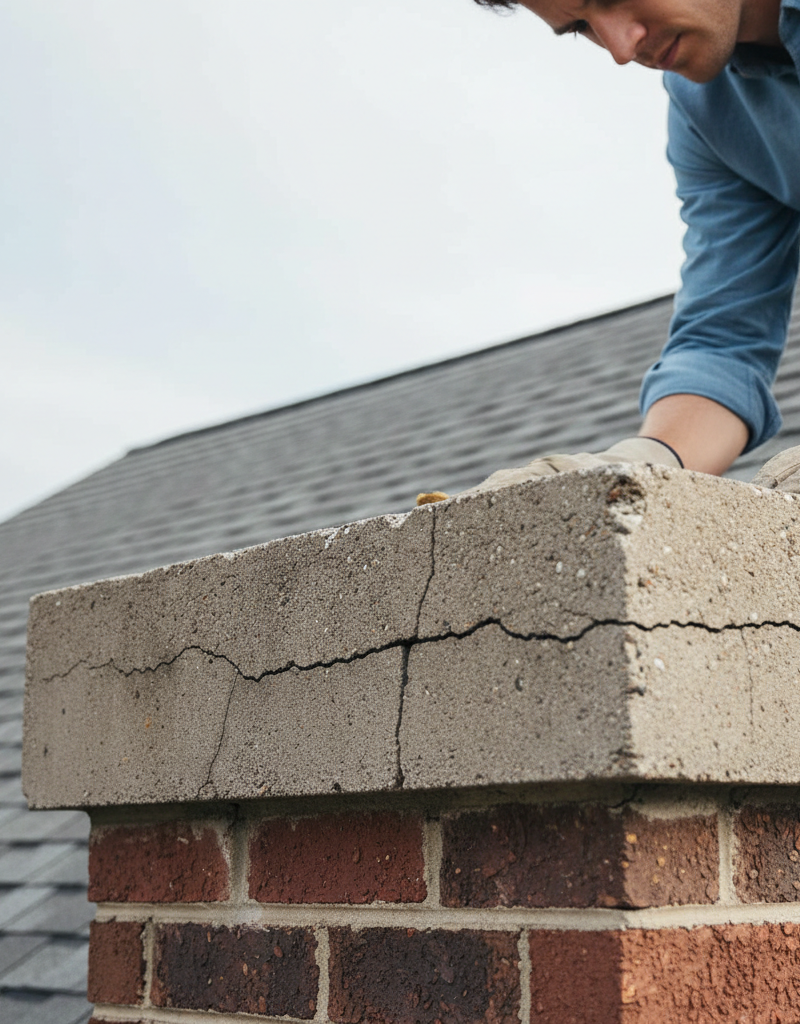
Your chimney isn't just a simple vertical pipe; it's a complex system designed to safely vent combustion byproducts while also preventing water intrusion. At the very top, the chimney cap (or rain cap) acts like an umbrella, preventing rain, snow, and animals from entering the flue. Below this is the chimney crown, a concrete or stone slab that slopes away from the flue opening, directing water to drip off the edges and not run down the sides of the chimney stack. The bulk of the chimney is constructed from brick and mortar, which, while durable, are porous materials. A good flue liner (clay tile, metal, or cast-in-place) ensures a smooth, safe path for smoke.
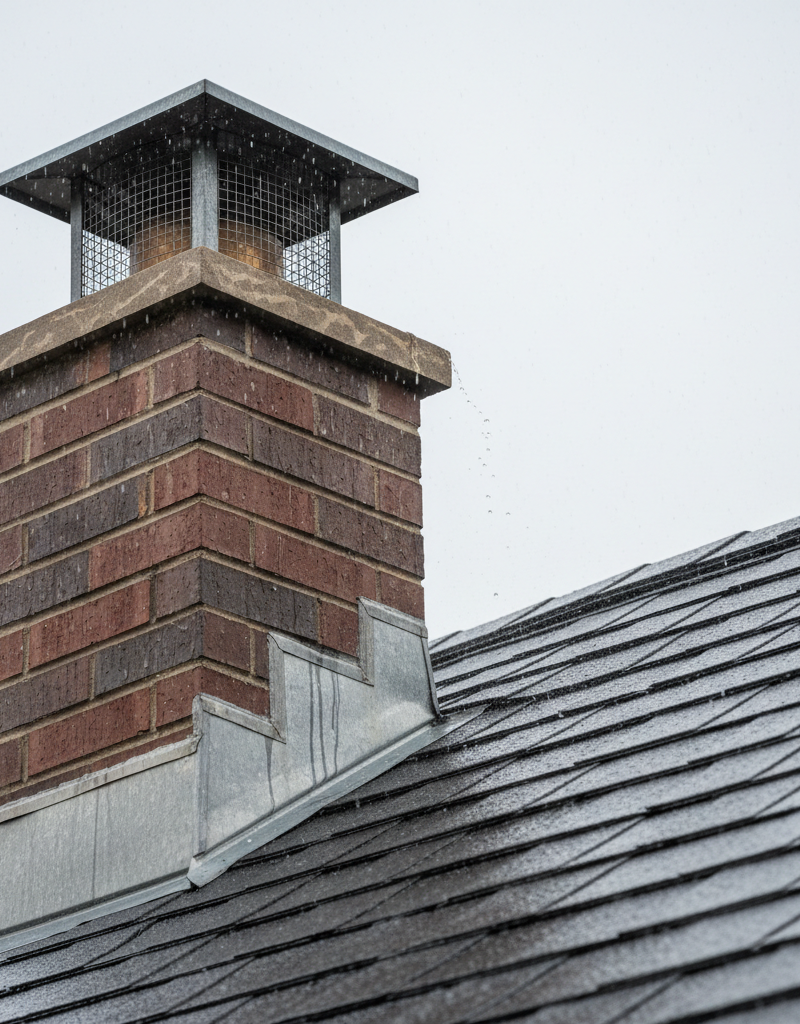
Where the chimney meets the roof, flashing—typically made of sheet metal—creates a watertight seal. This flashing isn't just one piece; it consists of "step flashing" integrated with the roof shingles, "counter flashing" embedded in the chimney mortar joints, and often a "cricket" (a small diversionary roof structure) on the uphill side of wider chimneys to shed water efficiently. Any breakdown in this multi-layered defense system – a missing cap, a cracked crown, deteriorated mortar joints, or compromised flashing – creates an open invitation for rainwater to penetrate the chimney structure and ultimately find its way into your home. Water follows the path of least resistance, often traveling along flue tiles or through the brickwork before manifesting as a noticeable drip or stain.
Step-by-Step Fix
Always prioritize safety. Working on a roof, especially a wet one, is dangerous. Only attempt these steps if you are comfortable with heights, have proper safety equipment, and conditions are dry. If in doubt, call a professional.
-
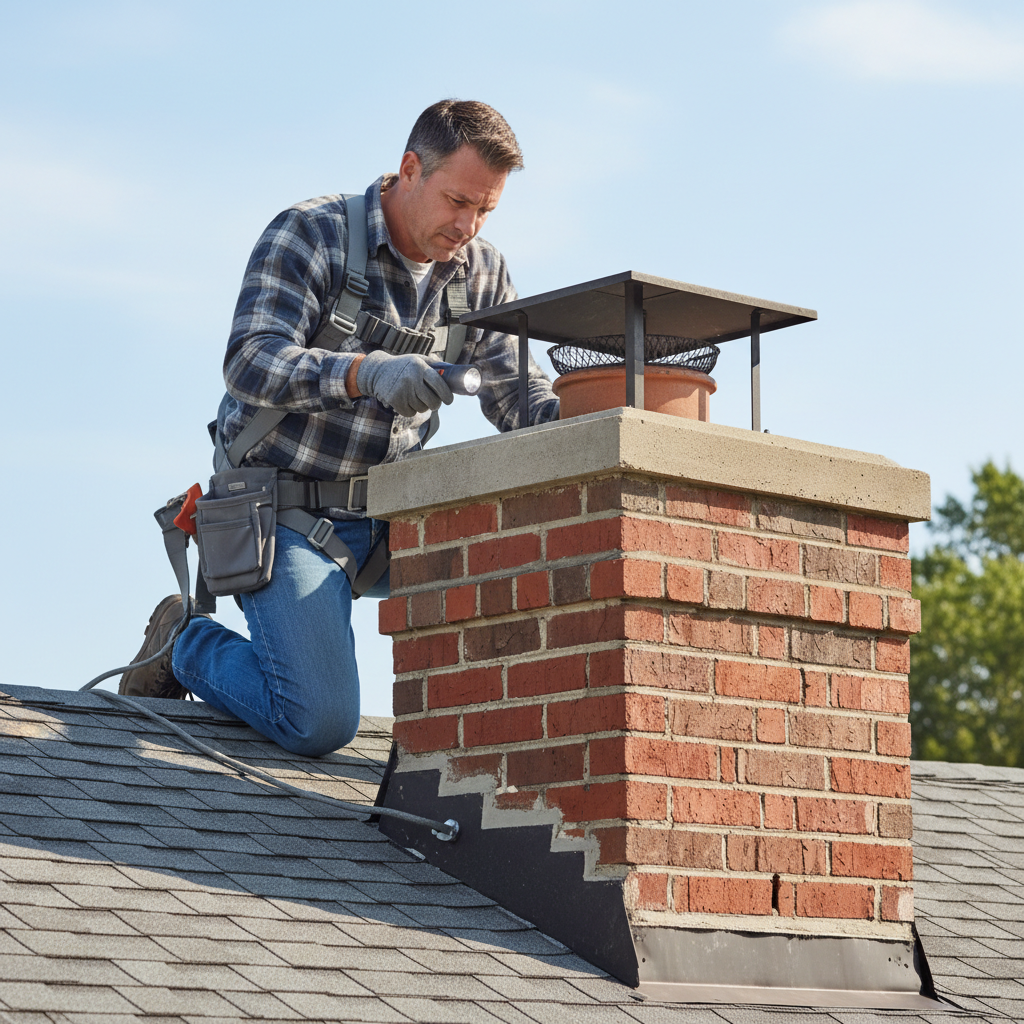
Safety First—Before ascending your roof, ensure you have a sturdy ladder, non-slip footwear, and ideally a safety harness securely anchored. Have someone spot you. Never work on a wet or icy roof, or during high winds. Bring a flashlight, camera/phone for documenting, and basic hand tools.
-
Inspect the Chimney Cap—The easiest fix you might overlook.
- Climb safely onto the roof. Shine a flashlight down the flue if possible. Look for a missing, damaged, or severely rusted chimney cap. If it's missing, rain can pour directly into the flue.
- _If it
Frequently asked questions
Why does my chimney leak only when it rains heavily?+
Heavy rain exacerbates minor issues. A small crack in the chimney crown or a slight gap in the flashing might not let water through during light rain, but a deluge will find its way in. It's often an indicator that a problem exists and is worsening.
Can a leaky chimney cause mold?+
Absolutely. Moisture inside the chimney stack or behind finished walls provides an ideal environment for mold and mildew to thrive. If you detect a musty odor or see discoloration, inspect for mold immediately as it can impact indoor air quality.
How much does it cost to fix a leaky chimney?+
DIY repair costs can range from $20 for a tube of sealant to $200 for a new chimney cap or minor flashing repair materials. Professional repairs, depending on the severity and accessibility, can range from $300 for basic flashing repair to over $1,000 for crown replacement or extensive masonry work.
Is chimney waterproofing effective?+
Yes, but it's a preventative measure, not a fix for an active leak. Once existing leaks are repaired, applying a siloxane-based water repellent designed for masonry can significantly reduce water absorption and prevent future leaks, extending the life of your chimney.
Discussion
Loading comments…