Tools & materials you'll need
Affiliate linksAs an Amazon Associate FixlyGuide earns from qualifying purchases — at no extra cost to you. Prices and availability are accurate as of publication and subject to change.
Quick Answer
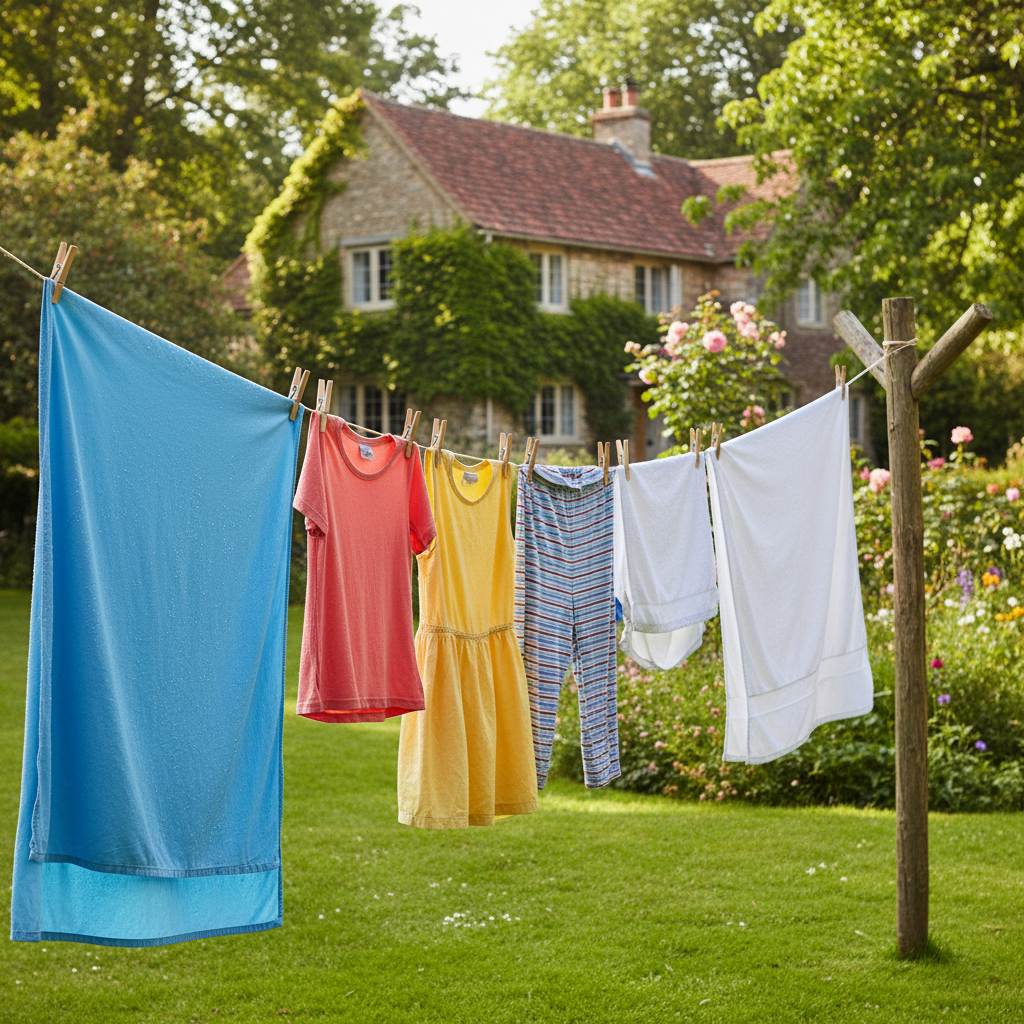
Installing a clothesline can drastically cut down on your electricity consumption, saving homeowners an average of $100 or more per year on dryer-related energy costs. Beyond the financial benefits, line-drying clothes can extend their lifespan by reducing wear and tear from machine drying and impart a natural, fresh scent that artificial dryer sheets can't replicate. The process involves choosing the right type of clothesline for your space, gathering a few basic tools, and following straightforward installation steps to ensure a secure and efficient setup.
The Problem
Modern homes are often designed with little thought to traditional, energy-saving methods like line drying. Many homeowners rely solely on electric or gas dryers, which are among the most energy-intensive appliances in a household. This not only leads to higher utility bills but also contributes to faster wear and tear on fabrics due to high heat and tumbling. Furthermore, the limited space in many backyards or urban dwellings can make homeowners believe a clothesline isn't a viable option, leading them to miss out on the financial and environmental benefits.
How It Works
At its core, a clothesline harnesses the power of natural air circulation and solar energy to evaporate moisture from wet clothes. When clothes are hung on a line, water molecules on the fabric surface absorb heat energy from the sun (evaporation) and are then carried away by the moving air (airflow). This continuous process effectively dries the garments without the need for electricity or gas. The effectiveness of a clothesline depends on several factors: temperature, humidity, and air movement. On warm, sunny, breezy days, clothes can dry in an hour or two. On cooler, more humid days, drying times may extend to several hours or even overnight. The material of the clothesline itself (typically vinyl-coated steel or braided polypropylene) is designed for durability and weather resistance, ensuring it can withstand the elements and support the weight of wet laundry without sagging excessively. Anchoring mechanisms, such as poles, wall brackets, or retractable spring-loaded systems, provide the necessary tension and stability for the line. Understanding this simple interplay of natural forces helps homeowners appreciate the efficiency and sustainability of line drying.
Step-by-Step Fix
1. Choose Your Clothesline Type – *Assess your yard space and laundry needs.
- Rotary Clothesline: Best for small to medium yards. Spins to allow easy access from one spot. Requires a central pole installation. Can hold multiple loads.
- Retractable Clothesline: Ideal for very small spaces or renters. Extends when needed, retracts when not. Mounts to a wall or post. Typically holds one or two loads.
- Permanent Parallel Lines: Suitable for larger yards. Uses two or more parallel lines strung between two fixed points (poles or walls). Can handle multiple large loads.
- Umbrella Clothesline: Similar to rotary but typically sturdier and designed for larger loads. Folds down for storage.
2. Select the Best Location – *Look for areas with maximum sun exposure and good air circulation.
- Avoid shaded areas that prolong drying times. Consider proximity to your laundry room for convenience.
- Ensure the path to the clothesline is clear and easily accessible.
- Check for any overhead obstructions like tree branches that could drop sap or leaves onto clothes.
3. Gather Your Tools and Materials – *Have everything ready before you start.
- Tools: Measuring tape, post-hole digger (for poles), level, drill, stud finder (for wall mounts), wrench, wire cutters (for wire clotheslines), safety glasses, work gloves.
- Materials: Chosen clothesline kit (rotary, retractable, etc.), concrete mix (for poles), gravel, turnbuckles (for tensioning), thimbles and clamps (for wire lines), lag screws or bolts (for wall mounts), eye hooks, clothesline prop (for long lines).
4. Install Support Poles (if needed) – *For rotary or parallel lines, sturdy poles are crucial.
- Dig a hole at least 24-36 inches deep and 10-12 inches wide for each pole. The depth should be at least 1/3 the height of the pole above ground.
- Place 4-6 inches of gravel at the bottom for drainage.
- Insert the pole, ensuring it is perfectly plumb with a level. Fill the hole with concrete mix, tamping it down to remove air bubbles.
- Allow concrete to cure for at least 24-48 hours before applying tension to the line. For parallel lines, ensure poles are spaced appropriately for your line length.
5. Mount Wall Brackets (for retractable or wall-mounted lines) – *Secure attachment to a sturdy surface is key.
- Use a stud finder to locate a wall stud or secure blocking within the wall. Mounting directly into drywall will not support the weight of wet clothes.
- Mark pilot holes and pre-drill. Use appropriate lag screws or heavy-duty anchors for masonry walls.
- Ensure the bracket is level and securely fastened. Follow manufacturer instructions for specific mounting requirements.
6. String the Clothesline – *Proper tension prevents sagging.
- For permanent lines: Attach one end of the clothesline to an eye hook or cleat on an anchor point. Thread the line through the holes or pulleys on the opposite pole/bracket. Use a turnbuckle on one end to adjust tension. Pull the line taut, then secure the other end. For wire clotheslines, use thimbles and wire clamps to create secure loops.
- For retractable lines: Pull the line out from the housing and hook it securely onto the opposite wall or pole hook. Ensure it clicks into place if it has a locking mechanism.
- For rotary/umbrella lines: Assemble the unit according to manufacturer instructions. The lines are usually pre-strung or easily attachable to the arms. Ensure the locking mechanism engages properly when extended.
7. Test the Line – *Check for stability and sag.
- Hang a few heavy, wet items (like towels or jeans) on the line. Observe if the line sags excessively. A slight sag is normal, but too much indicates insufficient tension or insecure mounting.
- Adjust tension using turnbuckles or re-tension retractable lines. Reinforce mounting points if necessary. For long parallel lines, a clothesline prop can support the middle to prevent sagging.
8. Maintain Your Clothesline – *Extend its life with simple care.
- Periodically wipe down lines with a damp cloth to remove dirt, pollen, and mildew. This prevents transfer to clean clothes.
- Check anchors, poles, and brackets for signs of rust, loosening, or wear. Tighten fasteners as needed.
- For retractable lines, ensure the retraction mechanism is clear of debris. Store rotary or umbrella lines indoors or under cover during harsh weather or winter months to prolong their lifespan.
Common Causes
- High energy bills: Over-reliance on electric or gas dryers. Clothes dryers are often the second-highest energy-consuming appliance in a home, after the refrigerator.
- Damaged fabrics: The harsh heat and tumbling action of machine dryers can degrade elastic, shrink certain fabrics, and cause pilling or fading over time. Line drying is gentler.
- Faded colors: UV rays from the sun can act as a natural bleach, which can be a problem for dark-colored clothes if left out too long. However, this is also an advantage for whites.
- Limited space misconceptions: Many homeowners believe they lack the space for a clothesline, not realizing the variety of compact or retractable options available.
- Lack of awareness: Many simply don't consider line drying as a viable or desirable option, often due to habit or lack of experience.
Common Mistakes
- Not checking local ordinances: Some HOAs or community rules restrict clothesline use. Always check before installation.
- Insufficient concrete cure time: Installing poles and immediately tensioning lines can lead to leaning poles and unstable setups. Be patient and allow concrete to fully cure.
- Mounting to drywall: Wall-mounted clotheslines must be secured to a wall stud or solid blocking. Drywall alone cannot support the weight of wet laundry, leading to ripped anchors and potential damage.
- Using flimsy line material: Thin cord or cheap rope can stretch, break, or degrade quickly in sunlight and rain. Invest in durable, UV-resistant clothesline material.
- Overloading the line: Hanging too many heavy items too close together prevents proper airflow, prolongs drying time, and puts excessive stress on the line and supports.
- Ignoring a clothesline prop: For long spans of clothesline, a prop in the middle is essential to prevent sag and keep clothes from touching the ground.
Cost & Time Breakdown
| Task | DIY cost | Pro cost | Time |
|---|---|---|---|
| Purchase clothesline kit | $30–$150 | Included in service | 1 hour shopping |
| Install poles/mounts | $20–$50 (materials) | $150–$300 | 2–4 hours |
| String/tension line | $0 | Included in service | 30–60 minutes |
| Concrete curing | $0 | $0 | 24–48 hours |
| Total | $50–$200 | $150–$300 | 1-3 days (incl. cure) |
Tips & Prevention
- Rotate Drying Orientation: Periodically reverse the direction clothes are hung on the line to ensure even drying and minimize sun-bleaching on one side.
- Utilize a Clothesline Prop: For longer runs of clothesline, a simple prop in the middle can prevent sagging and ensure clothes remain off the ground, even with heavy loads.
- Shake Clothes Before Hanging: A quick shake helps remove excess water and reduces wrinkles, speeding up drying time and making ironing easier.
- Hang Delicates Indoors: While most clothes benefit from outdoor drying, delicate items like silk, lace, or dark colors prone to fading might be better dried on an indoor rack away from direct sunlight.
- Monitor Weather: Always check the forecast. Unexpected rain can re-wet your laundry. Consider a quick indoor drying option as a backup.
- Clean Your Clothesline: Regularly wipe down your clothesline with a damp cloth to remove dirt, pollen, and bird droppings. This prevents transferring grime onto your clean laundry.
When to Call a Professional
While most clothesline installations are straightforward DIY projects, there are specific scenarios where professional help is advisable. If your chosen location requires significant concrete work for multiple large poles, especially on uneven terrain or near existing utility lines, consulting a landscaper or general contractor can prevent costly errors. Similarly, if you plan to attach a clothesline to a historic home or a structure with unclear weight-bearing capabilities, a professional can assess the structural integrity and recommend appropriate, safe mounting solutions. For complex retractable systems that integrate with smart home elements or require electrical wiring (uncommon for standard clotheslines but possible for advanced drying solutions), an electrician or specialized installer is crucial. Finally, if you encounter unexpected underground obstructions during pole installation, a professional can help resolve the issue without damaging buried services. Your primary goal is a safe, stable, and long-lasting installation, and professionals can ensure this with minimal hassle.
Related Articles
Keep troubleshooting with these hand-picked guides from FixlyGuide:
- The One Schedule That Saves Homeowners $2,500 a Year — A disciplined seasonal home maintenance schedule is your best defense against catastrophic repair bills. Learn which tasks to tackle each s…
- 7 Inspection Red Flags That Secretly Signal a $20,000 Bill — Don't let your dream home become a money pit. Many buyers and even some inspectors overlook subtle home inspection red flags that lead to f…
- Lower Your Heating Bills: A Homeowner's Guide to Winter Warmth — Keep your home warm and cozy all winter without breaking the bank by implementing simple, effective energy-saving strategies.
- The 12 Checks That Prevent 80% of Costly Home Repairs — Don't wait for a disaster. Our comprehensive monthly home maintenance checklist reveals the surprising, simple tasks that catch small issue…
- The Surprising Yard Tool That Vaporizes Weeds (No Chemicals Needed) — A weed torch offers an efficient, chemical-free method for removing unwanted plants from hardscaped areas like driveways, patios, and grave…
- The #1 HVAC Mistake That Costs Homeowners $500 Every Year — Discover the crucial HVAC maintenance step homeowners often overlook, leading to higher energy bills, frequent repairs, and premature syste…
This article was independently written by FixlyGuide based on the source topic.
Frequently asked questions
How much money can a clothesline save me?+
Homeowners can save an average of $100 or more per year on electricity costs by regularly using a clothesline instead of an electric dryer.
What kind of clothesline is best for small yards?+
For small yards, retractable clotheslines or compact rotary/umbrella clotheslines are excellent choices as they can be folded away when not in use, maximizing your space.
How long does it take for clothes to dry on a clothesline?+
Drying time varies based on weather conditions (temperature, humidity, wind) and fabric type, but on a warm, sunny, breezy day, clothes can dry in 1-4 hours.
Can I install a clothesline myself?+
Yes, installing most clotheslines is a moderate DIY project requiring basic tools and a few hours of effort. However, ensure proper mounting and tensioning for safety and durability.
Does line drying damage clothes?+
No, line drying is generally gentler on clothes than machine drying, extending their lifespan by reducing wear and tear, shrinkage, and exposure to high heat. However, prolonged direct sun exposure can bleach dark colors.


Discussion
Loading comments…