Tools & materials you'll need
Affiliate linksAs an Amazon Associate FixlyGuide earns from qualifying purchases — at no extra cost to you. Prices and availability are accurate as of publication and subject to change.
Quick Answer
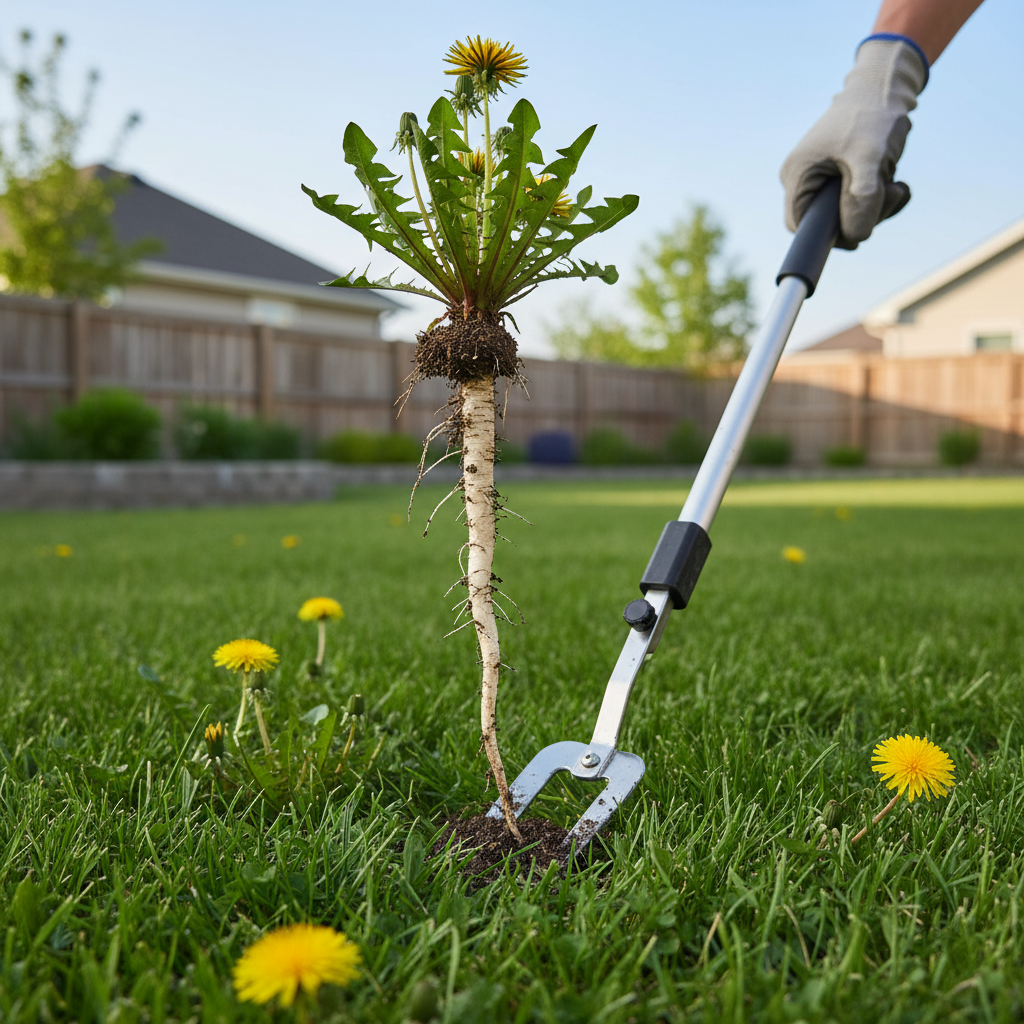
Many homeowners struggle with dandelions year after year because they only address the visible part of the weed: the yellow flower and green leaves. However, the dandelion's true strength lies in its deep, resilient taproot, which can extend 6-18 inches into the soil. Unless this taproot is completely removed or thoroughly destroyed, the plant will regenerate, often with renewed vigor. The secret to lasting dandelion control isn't just pulling the flower, but systematically eliminating this stubborn root system.
The Problem
Dandelions (Taraxacum officinale) are more than just a nuisance; they're formidable invaders in any lawn. Their cheerful yellow blooms quickly turn into fluffy white seed heads, each capable of releasing hundreds of seeds that can travel for miles on the wind. A single dandelion plant can produce up to 2,000 seeds in a growing season, quickly leading to an overwhelming infestation if left unchecked. Beyond their prolific seeding, dandelions compete with desirable turfgrass for water, nutrients, and sunlight, weakening your lawn and making it more susceptible to other pests and diseases. Their deep taproots also break up soil, which can seem beneficial for aeration but creates pathways for other weed seeds to germinate. The problem isn't just their presence; it's their relentless ability to spread and their hardy resistance to superficial removal methods.
How It Works
Understanding the dandelion's biology is key to defeating it. The dandelion is a perennial broadleaf weed, meaning it lives for more than two years and has wide, flat leaves in contrast to the narrow blades of grass. Its most distinctive feature is that formidable taproot. This taproot acts as a food storage organ, allowing the plant to survive harsh conditions, including drought and cold winters. Even if the above-ground foliage is cut or mowed, the taproot will store enough energy to regenerate new leaves and flowers. If you pull a dandelion and leave even a small piece of the taproot in the soil, it can sprout a new plant. This remarkable regenerative capacity is why superficially pulling the weed or just mowing over it provides only temporary relief. The plant also spreads through its seeds, which are dispersed by wind and can remain viable in the soil for several years. Furthermore, dandelions thrive in compacted or unhealthy lawns where desirable grass is sparse, allowing them to outcompete weaker turf.
Step-by-Step Fix
1. Identify the Enemy – Confirm you're dealing with dandelions, as treatment varies for other weeds.
- Dandelions have bright yellow flower heads that turn into white, puffy seed heads. Their leaves are deeply lobed (like teeth), grow in a rosette pattern close to the ground, and exude a milky white sap when broken. Ensure you're not confusing them with look-alikes likeHawkweed or Catsear, which have similar flowers but different leaf structures, affecting your choice of herbicide.
2. Manual Removal (Best for Small Infestations) – Extract the entire taproot from the soil.
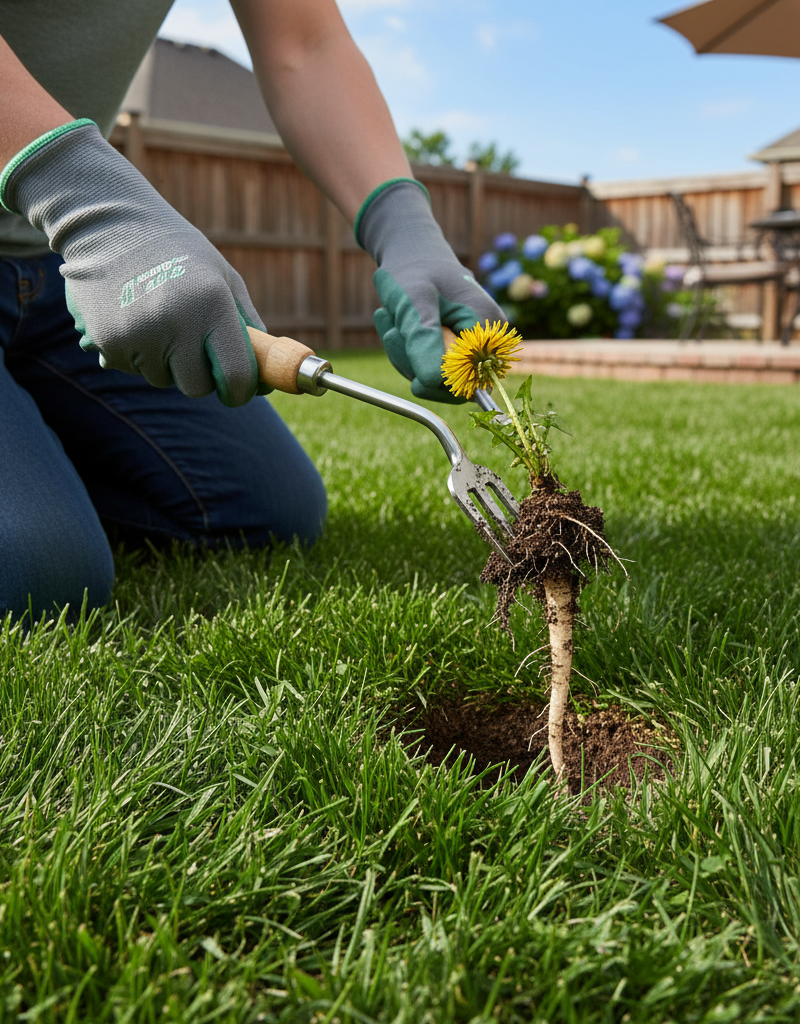
- Tools: A specialized dandelion weeder (stand-up or handheld) is highly recommended. These tools are designed with long, forked ends to grip the root.
- Technique: Water the lawn thoroughly an hour or two before weeding; moist soil makes extraction much easier. Position the weeder around the base of the plant, push it deep into the soil alongside the taproot, and leverage it to pull the entire root out.
- Critical: Aim to remove at least 4-6 inches of the taproot. Any left-over pieces can regenerate. Inspect the hole to ensure no significant root fragments remain.
3. Chemical Control (For Larger Infestations) – Apply a selective broadleaf herbicide.
- Safety First: Always read and follow the manufacturer's instructions, paying close attention to recommended personal protective equipment (gloves, eye protection) and application rates.
- Product Choice: Choose a 'selective broadleaf herbicide' that targets dandelions but won't harm your lawn grass. Look for active ingredients like 2,4-D, MCPP (mecoprop), or dicamba. These are often combined in products labeled as 'weed killers for lawns.'
- Application Timing: Apply herbicides when dandelions are actively growing (typically spring or fall) and temperatures are between 50-85°F (10-30°C). Avoid application on windy days to prevent drift to desirable plants or just before rain, which can wash it away.
- Targeted vs. Broadcast: For scattered dandelions, spot treat with a ready-to-use spray. For widespread infestations, use a hose-end sprayer or a pump sprayer for broadcast application. Ensure even coverage without over-saturating.
- Patience: Herbicides don't work instantly. It can take 7-14 days to see visible results, with leaves wilting and yellowing. Avoid mowing for at least 24-48 hours after application to allow the herbicide to translocate throughout the plant, especially to the roots.
4. Post-Treatment Follow-up – Monitor and re-treat if necessary.
- After initial treatment, monitor your lawn for any regrowth or new dandelion seedlings. It's common to miss some taproots with manual weeding or to have new seeds germinate.
- Reapply herbicide to stubborn individuals or new sprouts after the recommended waiting period (check product label, usually 2-4 weeks).
5. Soil Improvement – Compacted soil favors dandelions.
- Aerate: If your soil is heavily compacted, consider aerating your lawn in late spring or early fall. This improves drainage, nutrient uptake, and root growth for grass, making it harder for dandelions to establish.
- Top-dressing: Apply a thin layer of compost (1/4 to 1/2 inch) to improve soil structure and provide nutrients for grass.
6. Overseeding – Thicken your lawn to outcompete weeds.
- After treating dandelions and improving soil, overseed thin areas of your lawn. Dense, healthy grass crowds out weed seedlings, preventing them from germinating and establishing.
- Choose a grass seed variety appropriate for your climate and sun conditions.
7. Mulching (for garden beds) – Prevent dandelion growth in non-lawn areas.
- While not directly for lawns, if dandelions are invading from adjacent garden beds, a 2-4 inch layer of organic mulch (wood chips, shredded bark) will suppress germination and make any stray dandelions easier to pull.
Common Causes
- Sparse or Weak Lawn: The most significant underlying cause. Dandelions exploit bare spots and thin grass, thriving where competition is low. A healthy, dense lawn is your best defense. This often stems from improper mowing, insufficient watering, or lack of fertilization.
- Compacted Soil: Dandelions have deep taproots that can easily penetrate compacted soil where grass roots struggle. Heavy foot traffic, equipment, or clay-heavy soils contribute to compaction.
- Overwatering or Underwatering: Both extremes can stress turfgrass, creating opportunities for weeds. Consistent, deep watering encourages strong grass roots.
- Improper Mowing: Mowing too short (below 2-3 inches) stresses grass, reduces its ability to shade out weed seeds, and encourages dandelions. Scalping the lawn exposes the soil to sunlight, promoting weed germination. Letting dandelions go to seed before mowing spreads them exponentially.
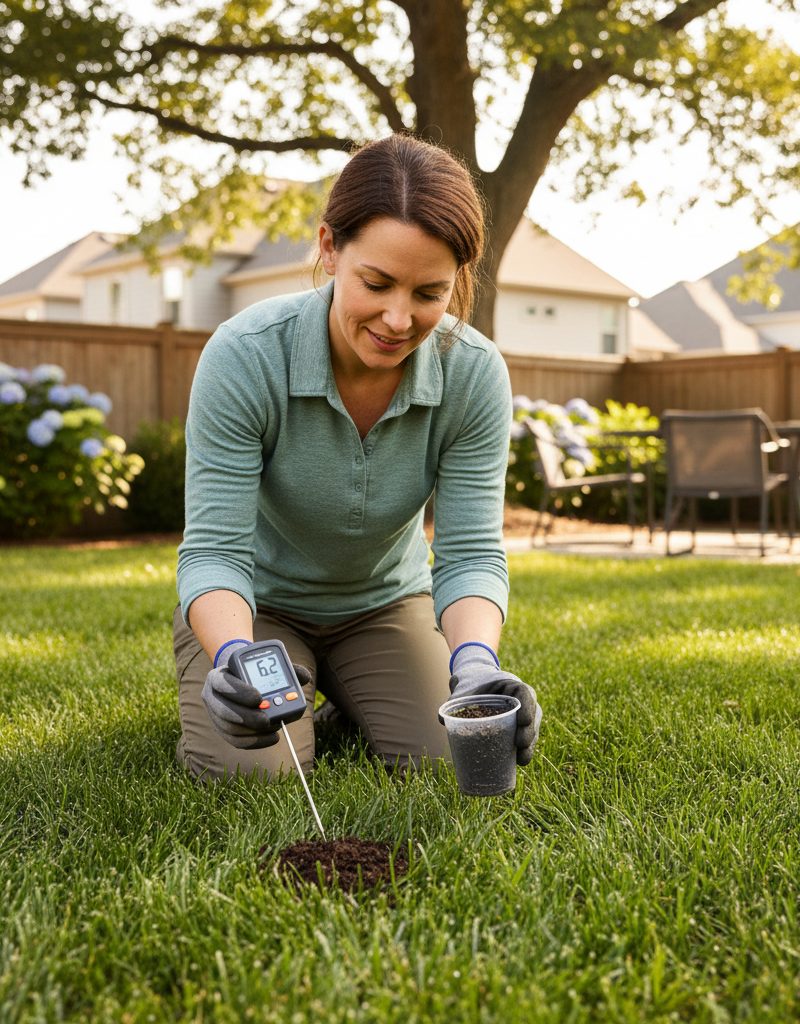
- Nutrient Imbalance: Unbalanced soil pH or nutrient deficiencies can weaken grass, allowing dandelions to dominate. A soil test can identify these issues.
- Bringing in Seeds: New dandelion seeds can be introduced to your lawn via wind, contaminated lawn equipment, or even on the soles of shoes.
Common Mistakes
- Mowing Over Flowering Dandelions: This is perhaps the biggest blunder. Mowing off the yellow flowers before they turn to seed might seem like a quick fix, but it only delays the inevitable and often encourages the plant to produce more flowers faster. If the flowers have already turned into those fluffy white seed heads, mowing will spread hundreds, if not thousands, of seeds across your entire lawn and into your neighbors'.
- Pulling Without the Root: Many homeowners yank the top off a dandelion, leaving the taproot intact. As discussed, this is a futile exercise; the plant will simply regrow, often stronger than before, from the remaining root.
- Applying Herbicides Incorrectly: Using the wrong type of herbicide (e.g., a non-selective weed killer that kills everything, including grass), applying it at the wrong time (too hot, too cold, or just before rain), or using incorrect concentrations (too weak to be effective, too strong to damage grass) are common errors.
- Ignoring Soil Health: A beautiful lawn isn't just about killing weeds; it's about fostering healthy grass. If your soil is compacted, acidic, or nutrient-deficient, your grass will struggle, making it a perpetual battle against dandelions. Neglecting aeration, top-dressing, and proper fertilization means you're fighting an uphill battle.
- Not Following Up: Eradicating dandelions is rarely a one-time event. New seeds will blow in, or missed root fragments will regrow. A consistent, long-term strategy involving monitoring, spot-treating, and preventative cultural practices is essential.
- Assuming a Single Solution: There's no magic bullet for dandelions. Relying solely on pulling, or solely on chemicals, without addressing underlying lawn health issues or practicing good cultural habits, will lead to ongoing frustration.
Cost & Time Breakdown
| Task | DIY cost | Pro cost | Time |
|---|---|---|---|
| Manual weeding (small areas) | $0–$30 | N/A | 15–60 min |
| Spot treating with herbicide | $10–$25 | N/A | 10–20 min |
| Broadcast herbicide (DIY) | $20–$50 | N/A | 30–60 min |
| Professional weed control | N/A | $75–$250 per visit | Varies |
| Aeration (DIY tool rental) | $40–$100 (rental) | $150–$300 | 2–4 hours |
| Overseeding | $20–$60 | N/A | 1–2 hours |
Tips & Prevention
- Mow High: Set your mower deck to 3 inches or higher. Taller grass shades the soil, keeping it cooler and preventing dandelion seeds from germinating by blocking sunlight. This also encourages deeper, stronger grass roots.
- Water Deeply and Infrequently: Provide about 1 inch of water per week, either from rain or irrigation. Water deeply to encourage grass roots to grow deep, making them more resilient. Frequent, shallow watering encourages shallow roots in grass and favors weeds.
- Fertilize Regularly: A properly fertilized lawn is a dense, healthy lawn. Follow a consistent fertilization schedule based on your grass type and local climate. This helps grass outcompete weeds for nutrients. Consider a 'weed and feed' product in spring if dandelions are problematic, but ensure it's suitable for your grass.
- Early Detection is Key: Regularly scout your lawn for new dandelion sprouts, especially in spring and fall. Removing them when they are young and small (before they flower or develop a deep taproot) is much easier and more effective.
- Prevent Seed Spread: If you see dandelions with white, puffy seed heads, make it an absolute priority to remove them before mowing or disturbing them further. Carefully bag and dispose of them in the trash, not your compost pile, as the seeds can survive composting.
- Improve Soil Aeration: For lawns with heavy foot traffic or compacted clay soils, consider annual or biennial aeration. This reduces compaction, allowing grass roots to thrive and making it harder for dandelion taproots to establish.
When to Call a Professional
While tackling a few dandelions is a straightforward DIY task, there are specific situations where calling a professional lawn care service or arborist is recommended. If your lawn is heavily infested with dandelions across a large area, and you've had limited success with DIY methods, a professional can offer more potent or tailored herbicide applications that aren't available to the general public. They may also have access to specialized equipment for broad-scale treatments or aeration. If you're unsure about identifying different weeds or selecting the correct herbicide for your specific grass type and climate, a professional can provide expert advice and ensure the right product is applied safely and effectively. Furthermore, if you suspect your lawn's health issues go beyond simple dandelions and involve significant soil compaction, nutrient deficiencies, or other persistent weed issues that could benefit from comprehensive lawn analysis and treatment plans, a professional service can diagnose and implement a long-term solution. They can save you time and potentially many wasted dollars on ineffective DIY attempts, ensuring your lawn gets back to its best.
Frequently asked questions
Why do dandelions keep coming back even after I pull them?+
Dandelions have a very deep taproot that can extend 6-18 inches into the soil. If even a small portion of this taproot remains after pulling, the plant can regenerate from the leftover piece. To permanently remove them, you must extract the entire taproot.
What is the best time of year to get rid of dandelions?+
The best times are early spring and fall. In spring, dandelions are actively growing and haven't set many seeds yet. In fall, they are drawing nutrients down to their roots to prepare for winter, making them more susceptible to systemic herbicides that translocate to the root system.
Will mowing get rid of dandelions?+
Mowing will cut off the flowers and leaves, but it will not kill the dandelion because it leaves the taproot intact. In fact, if you mow dandelions after they've gone to seed (those white fluffy heads), you will effectively spread hundreds of new seeds across your lawn, making the problem worse.
Are there natural ways to kill dandelions without chemicals?+
Yes, manual removal with a specialized dandelion weeder is the most effective natural method, ensuring the entire taproot is extracted. Establishing a very dense, healthy lawn through proper mowing (3+ inches), deep watering, and fertilization will also naturally suppress dandelion growth by shading out seeds and outcompeting young plants.
How long after applying weed killer can I mow my lawn?+
It is generally recommended to wait at least 24 to 48 hours after applying a liquid selective broadleaf herbicide before mowing. This allows the herbicide sufficient time to be absorbed by the dandelion leaves and translocate down to the taproot for effective killing. Mowing too soon can reduce the herbicide's effectiveness.
Discussion
Loading comments…