Tools & materials you'll need
Affiliate linksAs an Amazon Associate FixlyGuide earns from qualifying purchases — at no extra cost to you. Prices and availability are accurate as of publication and subject to change.
Quick Answer
Killing clover in your lawn without damaging the desirable grass requires a multi-pronged approach that targets the clover's growth habits and environmental preferences. The most successful strategies involve soil amendments to reduce clover's competitive advantage, careful application of selective herbicides designed for broadleaf weeds, and consistent cultural practices like proper mowing, watering, and fertilization that favor a dense, healthy lawn. Avoid broad-spectrum weed killers that will harm your grass, and instead focus on solutions that specifically disrupt clover's ability to thrive.
The Problem
Clover, while sometimes considered a beneficial groundcover, often becomes an unwanted intruder in a manicured lawn. Its rapid growth, tendency to form dense patches, and ability to outcompete desired turfgrass can quickly diminish the aesthetic appeal of your yard. Many homeowners struggle with eradicating clover because common weed killers can also damage or kill grass. The challenge lies in identifying and applying methods that specifically target clover, weakening its hold without compromising the health and vitality of your lawn. Understanding why clover thrives and how it differs from your grass is key to successful, lasting removal.
How It Works
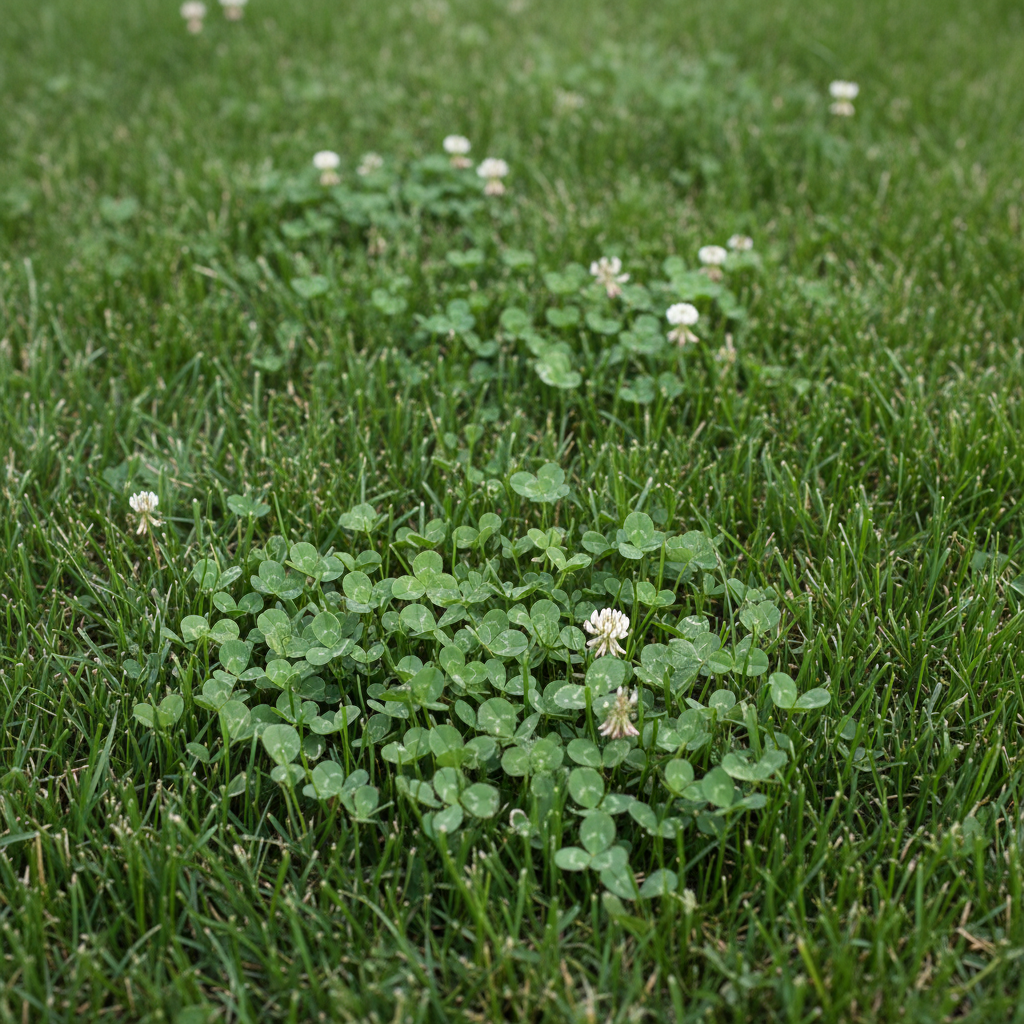
Clover (Trifolium repens, frequently white clover) is a perennial broadleaf weed that spreads aggressively via stolons (above-ground creeping stems) and seeds. Unlike most turfgrasses, clover is a legume, meaning it has a symbiotic relationship with nitrogen-fixing bacteria in its root nodules. This allows clover to essentially produce its own nitrogen, giving it a significant competitive advantage in nitrogen-poor soils where grass struggles. This nitrogen production is why clover often appears vibrant and green even when your lawn is looking stressed.
Clover germination often occurs when soil temperatures are between 50-75°F, typically in spring and early fall. It prefers compacted, nutrient-deficient soils, especially those low in nitrogen and with an imbalanced pH (often leaning slightly acidic). Its shallow root system, while efficient at absorbing surface moisture, makes it susceptible to drought if not consistently watered, but also allows it to quickly colonize disturbed areas. Grass, on the other hand, generally prefers well-aerated, nutrient-rich soils with a more neutral pH and requires consistent nitrogen for lush growth. By understanding these fundamental differences, homeowners can strategically manipulate the lawn environment to favor grass and discourage clover.
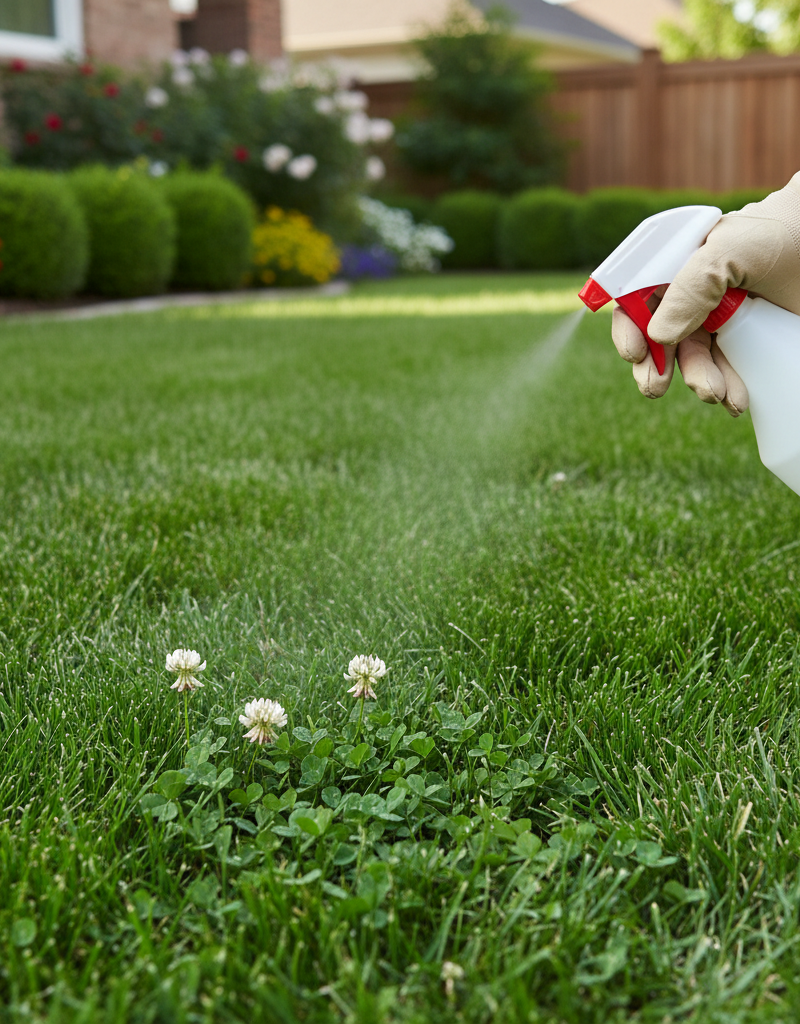
Selective broadleaf herbicides work by targeting specific plant enzymes or growth hormones found in broadleaf weeds like clover, but not in narrow-leaf grasses. These chemicals are absorbed through the leaves and translocated throughout the plant, disrupting its metabolic processes and eventually leading to its demise. Organic methods, conversely, often focus on making the soil inhospitable to clover or manually removing it before it can establish a strong foothold. A healthy, dense lawn is the best defense, as it physically chokes out opportunistic weeds like clover by limiting light and nutrients.
Step-by-Step Fix
1. Assess Your Clover Infestation – Determine the scale and type of clover you're dealing with.
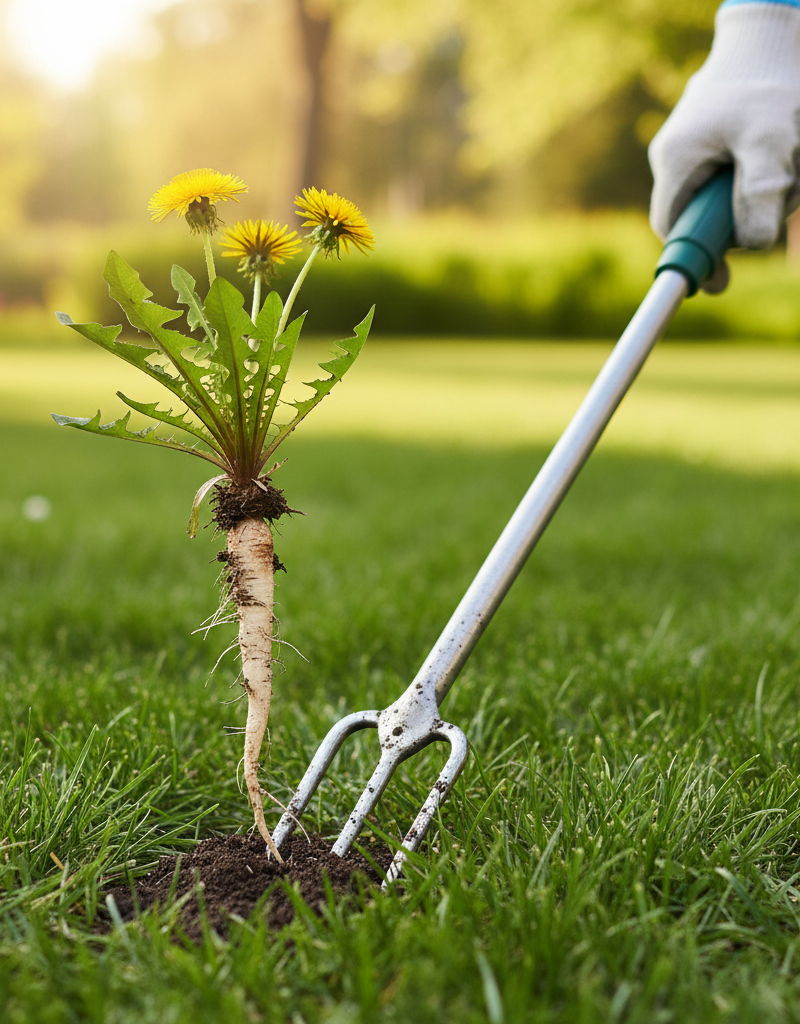
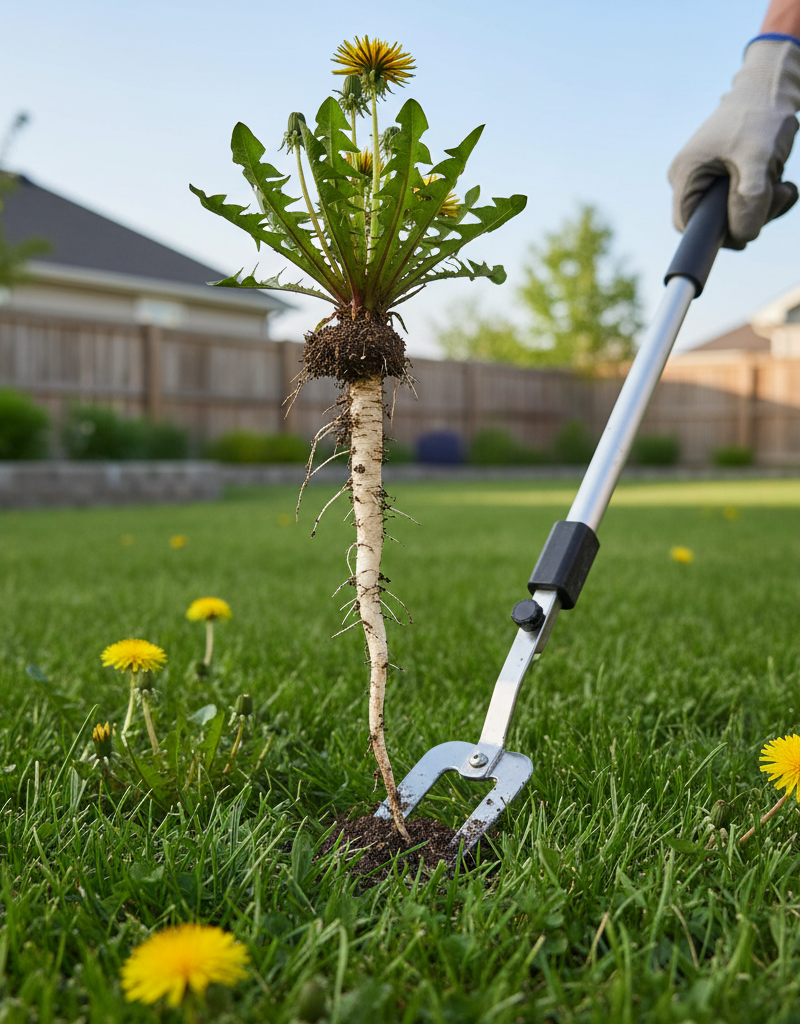
- Small, scattered patches: Manual removal or spot treatment with herbicide may be sufficient.
- Widespread infestation: A broadcast application of herbicide or significant soil amendment will likely be necessary.
- Identify the clover type: White clover is most common, but red clover orAlsike clover can also appear. Most broadleaf herbicides are effective on all common lawn clovers.
2. Test Your Soil – Understand your lawn's nutritional needs and pH.
- Get a soil test kit: Available at garden centers or through your local cooperative extension office. This provides crucial information on pH, nitrogen, phosphorus, and potassium levels.
- Analyze results: Pay close attention to nitrogen levels and pH. Clover thrives in low-nitrogen, slightly acidic soils (pH 5.5-6.5). Grass prefers a more neutral pH (6.0-7.0) and consistent nitrogen.
- If this doesn't work: If your soil test is inconclusive, apply a lawn fertilizer high in nitrogen as a general first step, as this often discourages clover.
3. Adjust Soil pH & Nutrients – Create an environment where grass thrives, not clover.
- If pH is too low (acidic): Apply lime as recommended by your soil test. Granular lime is easier to spread and less dusty than powdered lime.
- If nitrogen is low: Apply a slow-release, high-nitrogen fertilizer. Aim for a fertilizer with a higher first number in the NPK ratio (e.g., 20-5-10). Regular fertilization creates lush grass that outcompetes clover.
- Safety Note: Always wear gloves and eye protection when handling lime and fertilizers. Follow manufacturer's instructions for application rates to avoid over-fertilization, which can burn your lawn.
4. Choose Your Weapon: Selective Herbicide – Select a clover-specific killer.
- **Look for
Frequently asked questions
What kills clover but not grass?+
Selective broadleaf herbicides containing active ingredients like triclopyr, MCPP (mecoprop), or dicamba are effective at killing clover without harming most common lawn grasses when applied correctly. Additionally, ensuring your lawn has adequate nitrogen and a balanced pH can naturally suppress clover growth.
Will a lot of nitrogen kill clover?+
While a lot of nitrogen won't directly 'kill' clover, it significantly discourages its growth. Clover can fix its own nitrogen, so it thrives in nitrogen-poor soils where grass struggles. By providing ample nitrogen, you encourage lush, dense grass growth, which then outcompetes and shades out clover, making the environment less favorable for it.
Can I remove clover naturally without chemicals?+
Yes, you can remove clover naturally. Methods include manual removal (pulling by hand or spot treating with horticultural vinegar), adjusting soil pH and nutrient levels to favor grass, proper mowing practices (mowing high to shade out clover), and ensuring your lawn is dense and healthy enough to outcompete weeds.
Why is clover growing in my lawn?+
Clover often grows in lawns because it's well-suited to conditions where grass struggles. Common reasons include low soil nitrogen, compacted soil, imbalanced pH (often slightly acidic), and mowing your grass too short, which allows light to reach the clover. It's also a sign of an opportunistic weed taking advantage of less-than-ideal lawn health.
How long does it take to get rid of clover?+
Getting rid of clover can take anywhere from a few weeks to several months, depending on the severity of the infestation and the methods used. Manual removal offers immediate results for small patches. Herbicides typically show effects within 1-3 weeks. Long-term solutions involving soil amendments and cultural practices require consistent effort over a growing season to see significant, lasting improvement.
Discussion
Loading comments…