
Tools & materials you'll need
Affiliate linksAs an Amazon Associate FixlyGuide earns from qualifying purchases — at no extra cost to you. Prices and availability are accurate as of publication and subject to change.
Quick Answer
An extension cord repeatedly tripping a circuit breaker is often due to a ground fault or short circuit within the cord itself, or a fault within the appliance it's powering, rather than just an overload. It could also indicate an aging or undersized circuit breaker, or even a problem with the electrical outlet. Diagnosing the exact cause requires a systematic approach to identify the faulty component and address it safely.
The Problem
You plug in an extension cord, connect an appliance, and almost immediately, the circuit breaker trips, cutting power to everything on that circuit. You reset it, try again, and click—it trips again. This frustrating cycle suggests an underlying electrical issue that needs attention, not just a simple nuisance. While an obvious overload (like plugging a space heater and a microwave into one extension cord) is a possible culprit, repeated trips when the load seems reasonable point to more serious problems like a short circuit, a ground fault, or a failing component within your electrical system or the cord/appliance itself. Ignoring these persistent trips can lead to damaged appliances, increased fire risk, or even electrical shock.
How It Works
To understand why your extension cord might be tripping a breaker, it helps to know how a circuit breaker functions. A circuit breaker is essentially a safety switch designed to protect your home's electrical wiring from damage caused by overcurrent. It monitors the flow of electricity through a circuit.
There are two primary mechanisms by which a standard circuit breaker trips: thermal and magnetic. The thermal mechanism responds to sustained overloads. If too many appliances draw too much current for an extended period, the increased current flow heats a bimetallic strip within the breaker. This strip bends and eventually trips the breaker. The magnetic mechanism, on the other hand, responds to sudden surges of current, typically caused by a short circuit or a severe ground fault. In these cases, a coil within the breaker creates a magnetic field that instantly trips the switch.
Electricity flows from your electrical panel, through the breaker, out to your outlets, through the extension cord and appliance, and then back to the panel, completing a circuit. A short circuit occurs when the hot (live) wire accidentally touches a neutral wire or another hot wire without a load in between, creating a very low-resistance path and causing a massive surge of current. A ground fault occurs when the hot wire accidentally touches the ground wire or a grounded object (like a metal appliance casing or a wet surface), diverting current directly to the ground path. Both short circuits and ground faults result in a sudden, dangerous increase in current flow that the magnetic trip mechanism in your breaker is designed to detect and interrupt almost instantaneously, often before the appliance or cord even has a chance to heat up significantly. An extension cord, especially if it's old, damaged, or misused, can easily be the source of such faults.
Step-by-Step Fix
This diagnostic process helps isolate the problem. Always prioritize safety.
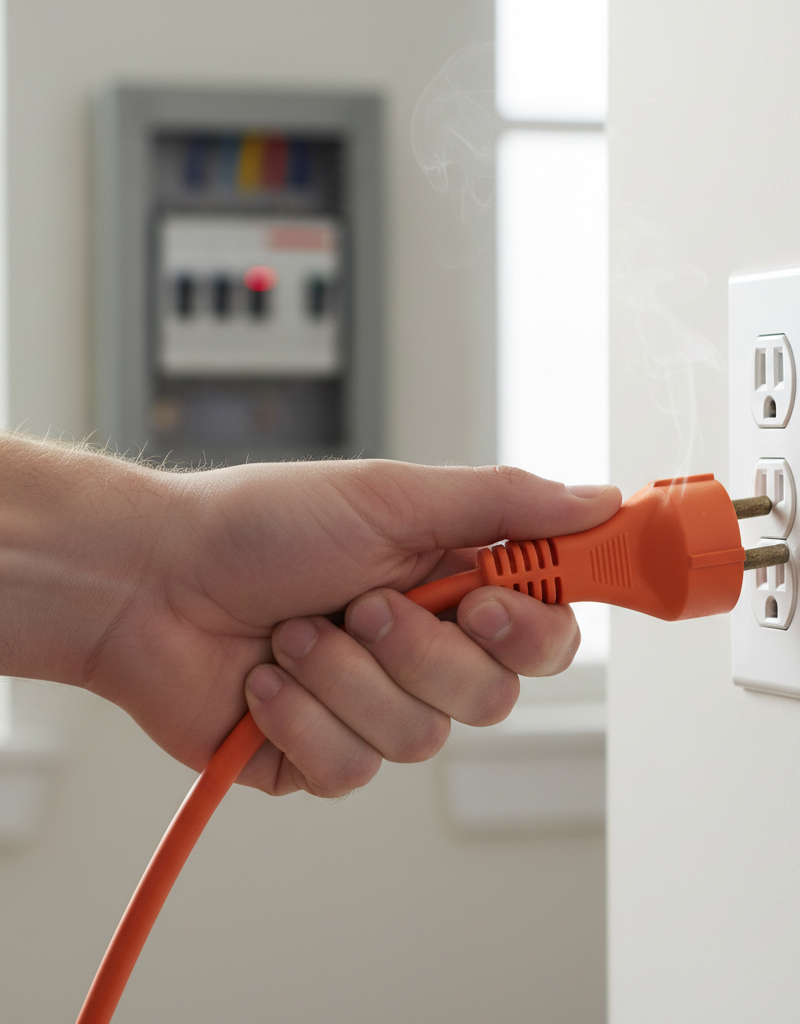
- Safety First—Before starting any electrical troubleshooting, unplug the extension cord and the appliance completely. Locate your electrical panel and identify the tripped breaker. Keep your hands dry and avoid standing in water. If you smell burning, see smoke, or hear buzzing from the breaker, call a licensed electrician immediately.
- Reset the Breaker Fully—Sometimes a breaker doesn't look fully tripped. Flip the tripped breaker firmly to the
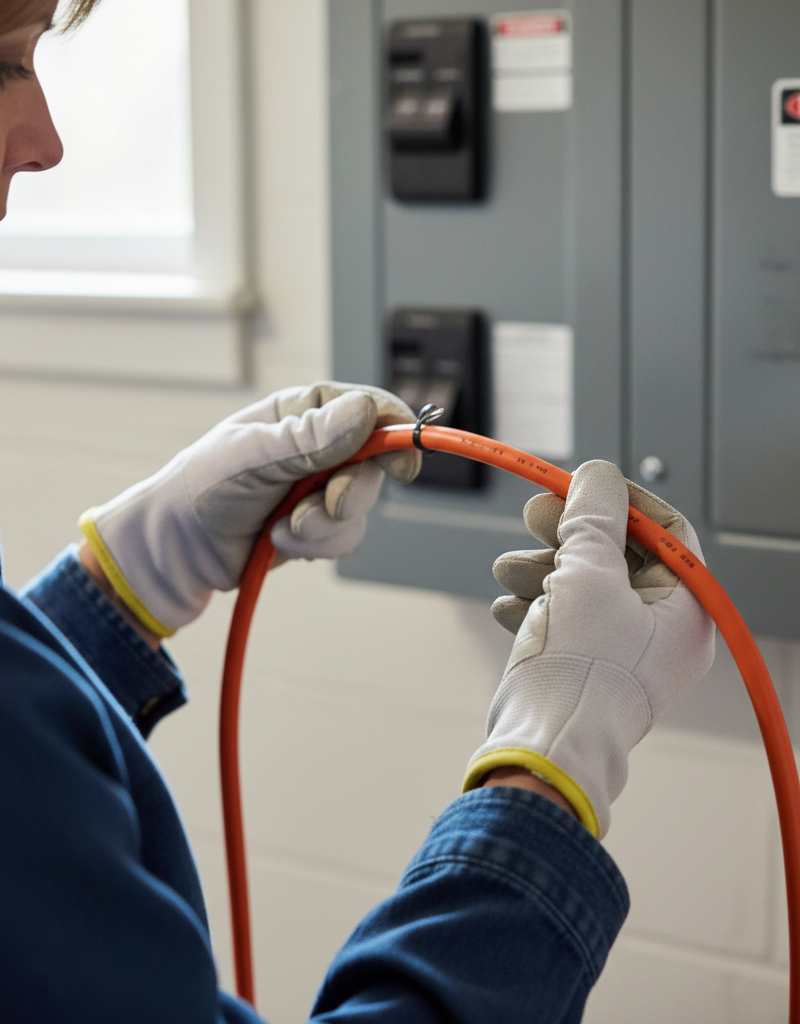
OFFposition, then firmly back to theONposition. A soft reset might not engage it correctly. Ensure the circuit is completely depowered before touching wires or testing outlets. - Inspect the Extension Cord—Carefully examine the entire length of the extension cord. Look for cuts, nicks, frayed insulation, crushed areas, or discolored spots, especially near the plugs and receptacles. Check for bent or corroded prongs on the plug. Even minor damage can expose wires and cause a short or ground fault. If the cord is damaged, discard it and replace it with a new, appropriately rated cord. Never attempt to repair a damaged extension cord as it compromises safety.
- Inspect the Appliance Plug & Cord—Unplug the appliance from the extension cord. Examine its power cord for any damage similar to what you looked for on the extension cord. Check the appliance's plug for bent prongs or discoloration. If the appliance cord or plug is damaged, do not use the appliance until it's professionally repaired or replaced.
- Test the Appliance Directly—Plug the appliance directly into a known good wall outlet on a different circuit (if possible). Turn the appliance on. If it works without tripping, the appliance itself is likely not the primary issue, and the problem points back to the extension cord or the original outlet/circuit. If it still trips the breaker on a different circuit, the appliance is faulty and should be repaired by a professional or replaced.
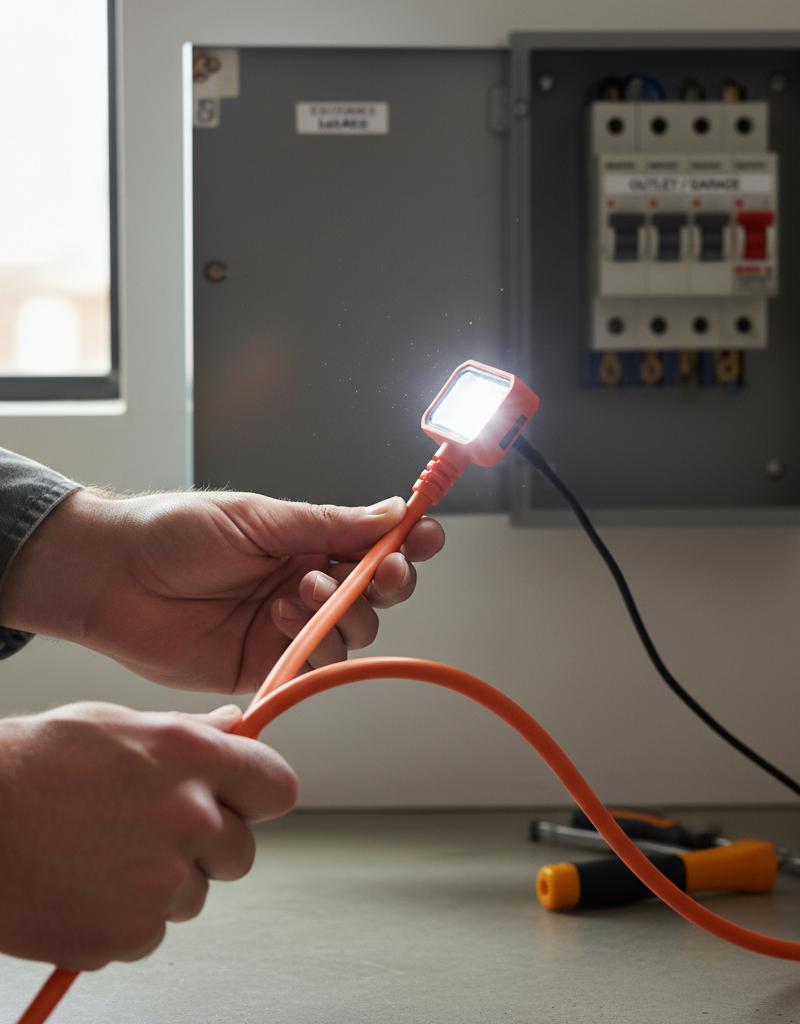
- Test the Extension Cord with a Low-Load Device—Plug the extension cord into the original wall outlet (with no appliance connected to the extension cord's other end). Reset the breaker. If the breaker trips immediately, the extension cord itself is almost certainly faulty, even if no visible damage was apparent. Discard it. If it doesn't trip, plug in a very low-load device (e.g., a small lamp with an LED bulb, not a hair dryer) into the extension cord and turn it on. If it trips now, the extension cord is likely the culprit.
- Inspect the Wall Outlet—With the power OFF to that circuit, carefully remove the faceplate of the wall outlet. Look for signs of burning, loose wires, or corrosion. If you see any, this is a serious issue that should be addressed by a qualified electrician. If the outlet looks fine, ensure the outlet's receptacles are not loose or damaged. A loose connection within the outlet can cause arcing and tripping. If you suspect the outlet is faulty, avoid using it and contact an electrician.
- Evaluate Circuit Load (The Seldom Culprit)—If the above steps haven't revealed the issue, consider if the combined wattage of all devices on that entire circuit (not just the extension cord) is genuinely exceeding the breaker's rating (typically 15 or 20 amps). This is less likely if the trip is instantaneous, but possible. Unplug all other devices on the circuit and re-test. If the issue resolves, you're overloading the circuit. Distribute high-wattage appliances across different circuits.
- Consider an Aging Breaker—If you've systematically ruled out the extension cord, appliance, and outlet, and the trips continue, particularly with varying loads, the circuit breaker itself might be weak or failing. Breakers wear out over time. This requires professional diagnosis and replacement by a licensed electrician.
Common Causes
- Damaged Extension Cord: The most frequent offender. Internal wires can fray, insulation can crack, or the plug can be damaged, leading to shorts or ground faults. This often happens from cords being walked on, having furniture placed on them, or being stored improperly.
- Faulty Appliance: An internal short circuit or ground fault within the appliance itself can cause immediate tripping. This could be due to aging components, water damage, or manufacturing defects.
- Overloaded Circuit (Less Common for Instant Trip): While usually causing a 'slow' thermal trip, if an extremely high-wattage appliance is plugged into an already heavily-loaded circuit via an extension cord, it can sometimes cause an immediate magnetic trip if the surge is substantial enough.
- Incorrect Cord Rating: Using an extension cord that is too thin (too high gauge number) for the wattage of the appliance can cause the cord to overheat and potentially short internally, or present too much resistance, leading to issues.
- Damaged Wall Outlet: Loose connections, corrosion, or internal damage within the wall outlet can create short circuits or ground faults at the point of connection.
- Weak or Failing Circuit Breaker: Over time, circuit breakers can degrade and become overly sensitive, tripping even under normal loads or minor fluctuations.
Common Mistakes
- Ignoring Persistent Trips: Resetting a breaker repeatedly without investigating the cause is dangerous. Each trip signals a problem; ignoring it can lead to fire or shock. Always diagnose the root cause.
- Attempting to Repair a Damaged Cord: Splicing or taping a damaged extension cord is a fire hazard. The integrity of the insulation and wire gauge is compromised, making it unsafe for continued use. Always discard and replace.
- Using Indoor Cords Outdoors: Indoor-rated extension cords are not designed to withstand moisture, UV light, or temperature extremes, which can quickly degrade their insulation and lead to faults. Always use outdoor-rated cords for outdoor applications.
Related Articles
Keep troubleshooting with these hand-picked guides from FixlyGuide:
- The Hidden Reason Your Extension Cord Keeps Tripping the Breaker (and It's Not Overload) — Discover why your extension cord might be tripping a circuit breaker even when it seems like nothing is overloaded, and how to fix it.
- Why Your Extension Cord Keeps Tripping the Breaker (And the Simple Test to Find the Hidden Cause) — Discover why your extension cord keeps tripping the circuit breaker and learn how to safely diagnose and fix the real problem with a simple…
- The 3 Hidden Reasons Your Circuit Breaker Keeps Tripping (And How to Stop It) — Uncover the surprising culprits behind repeatedly tripping circuit breakers and learn practical, actionable steps to diagnose and resolve t…
- The 3 Hidden Reasons Your Gas Burner Won't Light (Beyond a Clog) — Before you call a technician, discover the most common culprits behind a gas stove burner that refuses to ignite and learn how to fix them…
- The 3 Hidden Reasons Your Gas Burner Won't Light (Beyond a Clogged Pilot) — Before you call a technician, learn the common culprits behind a gas stove burner that refuses to light, from simple clogs to ignition comp…
- The 3 Hidden Reasons Your Dryer Takes Forever – And the Easy Fixes — If your dryer is taking too long to dry clothes, the culprit is often reduced airflow, which can be easily resolved with a few simple check…
Get the print-ready PDF of this guide
A clean, ad-free, printable version you can keep on your phone or pin to the workshop wall. We'll also send occasional weekly tips matched to your home situation.
- Print-optimized layout
- Tools, materials & every step included
- Unsubscribe anytime
Frequently asked questions
Can an old extension cord trip a breaker?+
Yes, absolutely. Over time, extension cords can suffer internal damage to their wires or insulation due to wear and tear, bending, or being crushed. This hidden damage can easily lead to a short circuit or ground fault, causing your breaker to trip, even if the cord looks fine from the outside.
What's the difference between an overload trip and a fault trip?+
An overload trip typically happens after a period of excessive current draw, causing the breaker's thermal mechanism to heat up and trip. A fault trip (due to a short circuit or ground fault) is almost instantaneous because the sudden, massive current surge triggers the breaker's magnetic mechanism, immediately cutting power to prevent damage and fire.
Is it safe to keep resetting a tripped breaker?+
No, it is not safe to repeatedly reset a tripped breaker without investigating the cause. A tripping breaker is a warning sign of an electrical problem. Continuous resetting can worsen the underlying issue, potentially leading to wiring damage, appliance failure, or an electrical fire.
When should I call an electrician for a tripping breaker?+
You should call a licensed electrician if the breaker continues to trip after you've systematically ruled out the extension cord and the appliance as the source of the problem. Also, call a pro immediately if you see signs of burning, smell smoke, hear buzzing from the electrical panel, or if you suspect issues within the wall outlet or the electrical panel itself.
Discussion
Loading comments…