Tools & materials you'll need
Affiliate links- AmazonOld towel or rags
As an Amazon Associate FixlyGuide earns from qualifying purchases — at no extra cost to you. Prices and availability are accurate as of publication and subject to change.
Quick Answer
Flushing your water heater involves shutting off power and water, connecting a hose to the drain valve, and opening the valve to release sediment-laden water. This simple maintenance task should be performed annually to prevent efficiency loss, unexpected repairs, and premature unit failure.
The Problem
Over time, sediment — primarily hard water minerals like calcium and magnesium — settles at the bottom of your water heater tank. This accumulation creates several problems: it reduces heating efficiency, acts as an insulator preventing heat transfer to the water, and can even corrode the tank prematurely. You might notice a rumbling noise coming from your water heater (the sound of boiling water trapped under sediment), fluctuating water temperatures, or even reduced hot water supply. Ignoring this sediment buildup can lead to a shorter lifespan for your water heater and higher energy bills due to the unit working harder to heat water.
How It Works
Your water heater, whether gas or electric, functions by heating water stored in a large tank. Cold water enters at the bottom, is heated by a gas burner or electric heating elements, and then rises to be drawn out from the top as hot water. Sediment, being denser than water, naturally settles at the lowest point in the tank. This layer of sediment can be surprisingly thick, sometimes several inches deep. When the burner or heating elements try to heat the water, they first have to heat this insulating layer of sediment. This vastly reduces the heat transfer efficiency, forcing the unit to run longer and consume more energy to achieve the desired water temperature. In gas water heaters, sediment can trap water underneath it, causing it to boil and create the distinctive rumbling or popping sounds you might hear. In electric models, sediment can encase the lower heating element, causing it to overheat and fail prematurely.
Step-by-Step Fix
Safety First — Before you begin, always prioritize safety. Working with water heaters involves electricity or gas, and hot water. Make sure to wear appropriate safety gear and follow these steps carefully.
1. Shut Off Power and Water — Crucial for safety and preventing tank damage.
- For Electric Water Heaters: Go to your home's electrical service panel (breaker box) and locate the breaker labeled for your water heater. Flip it to the "OFF" position. This prevents the heating elements from trying to operate in an empty tank, which can burn them out.
- For Gas Water Heaters: Locate the gas control valve on the front of the unit. Turn the dial to the "PILOT" or "VACATION" setting, or simply turn the gas supply valve (usually a lever on the gas line leading into the unit) to the "OFF" position. Do NOT turn off the pilot light itself if the unit has one; just the main gas supply.
- Shut Off Cold Water Supply: Locate the cold water inlet pipe at the top of the water heater tank. There should be a shut-off valve on this pipe. Turn it clockwise until it's completely closed. This stops new water from entering the tank during the flush.
2. Open a Hot Water Faucet — Relieve pressure and allow air into the tank.
- Go to a hot water faucet in a sink or bathtub somewhere in your house, preferably one on a lower floor. Turn on the hot water tap fully. This will relieve any vacuum in the hot water lines and allow air to enter the water heater tank, helping the water drain freely. You'll hear the water stop flowing after a minute or two as the tank begins to empty.
3. Connect and Position the Drain Hose — Prepare for the dirty work.
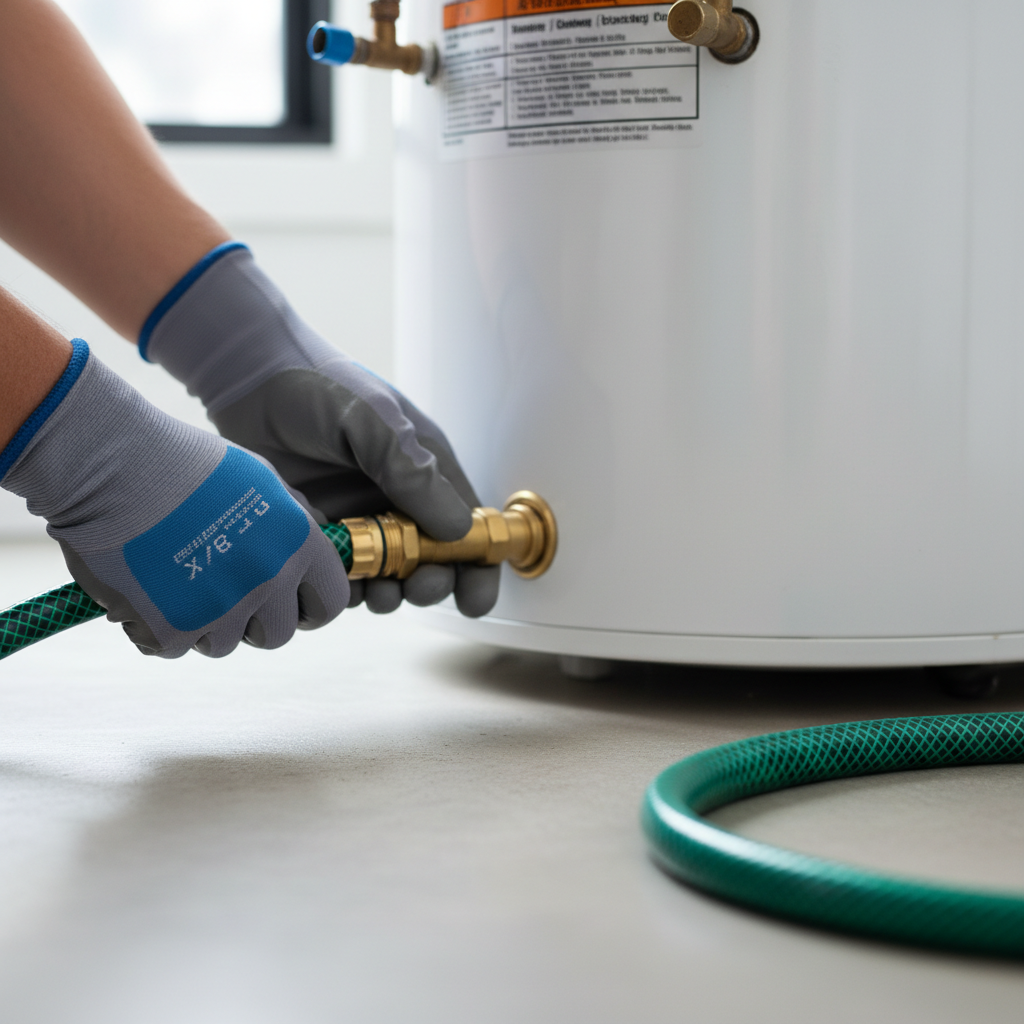
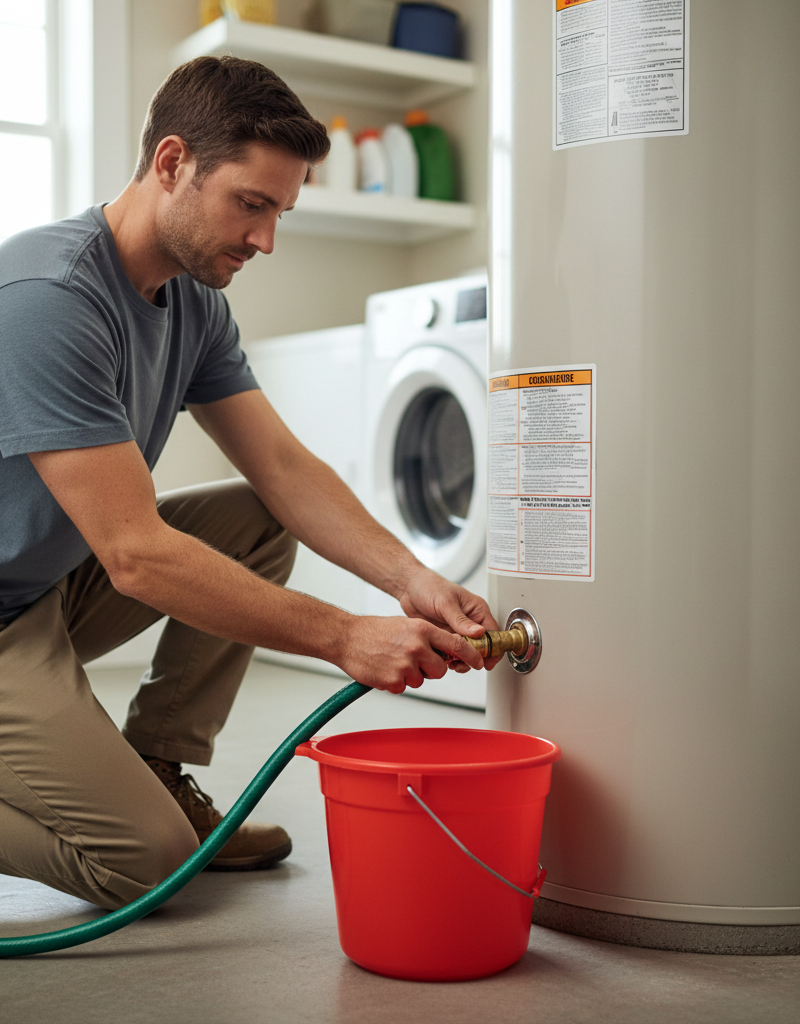
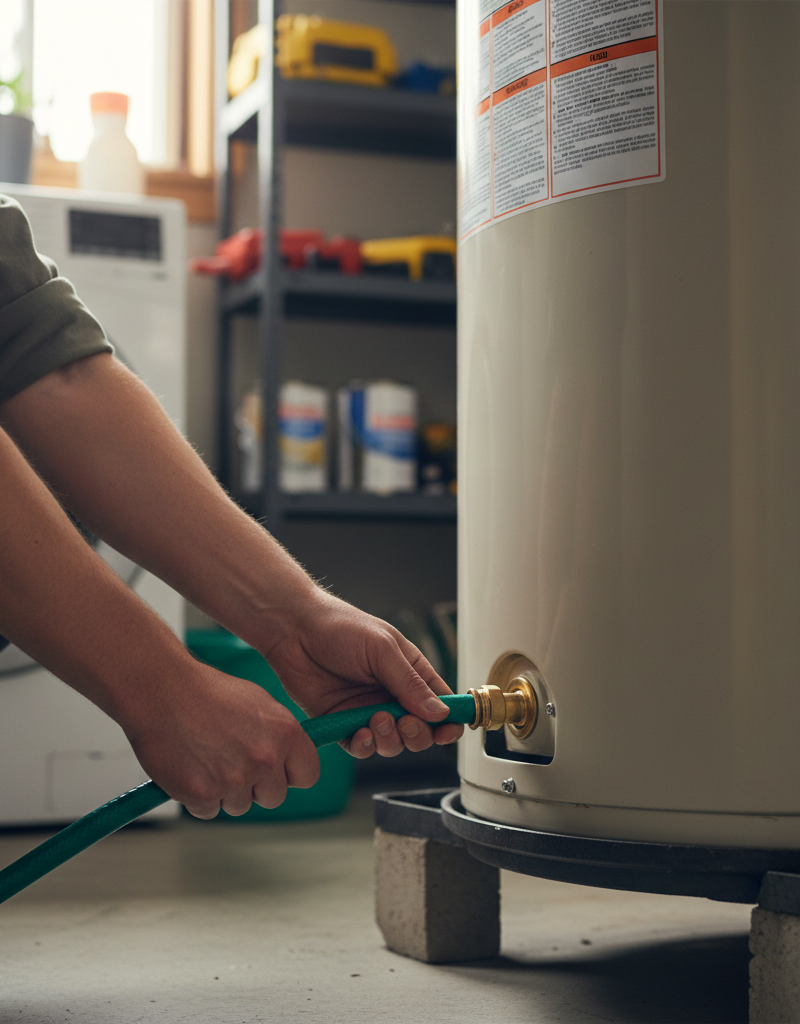
- Locate the drain valve at the bottom of your water heater tank. It typically looks like a spigot or a hose bib. Connect a standard garden hose to this drain valve. Make sure the connection is snug to prevent leaks.
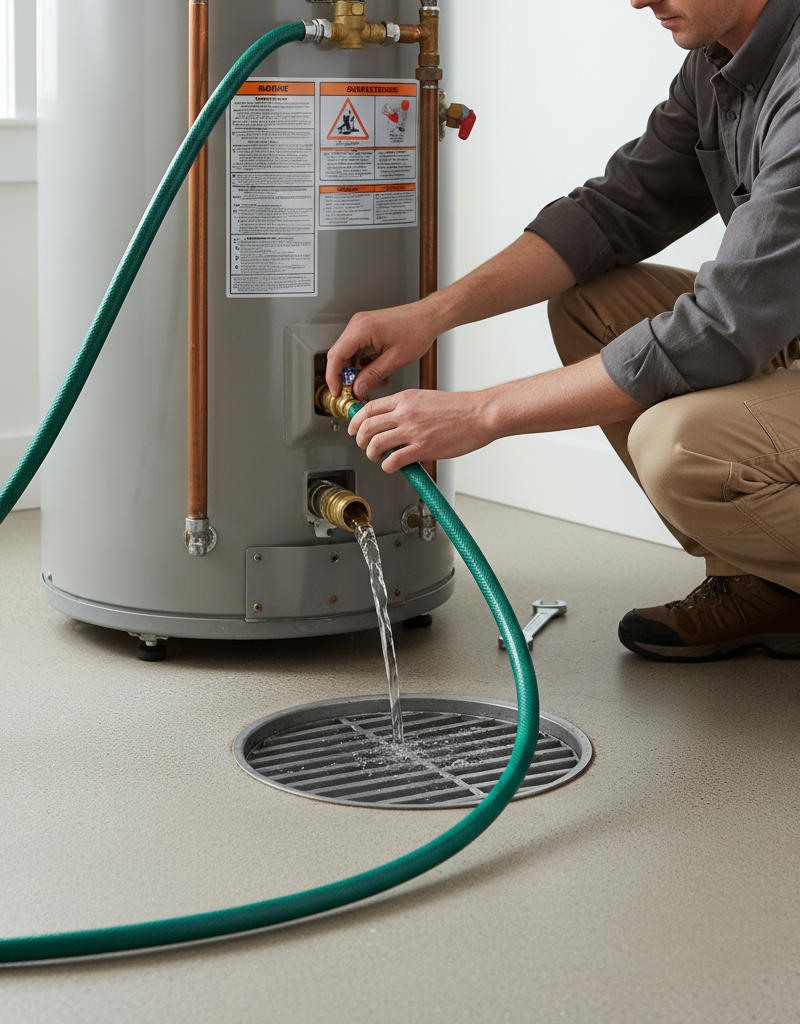
- Route the Hose: Direct the other end of the garden hose to a suitable drainage point. This could be a floor drain, a large utility sink, a laundry tub, or even outside into a safe area where hot, sediment-laden water won't harm plants or cause erosion. Do NOT drain into a sewage pump unless it's rated for hot water.
- Tip: If draining outside, ensure the hose runs downhill to facilitate drainage.
- Warning: The initial water coming out can be very hot (up to 140°F or more!) and will contain flushed sediment. Wear gloves and eye protection.
4. Drain the Tank and Flush Sediment — The main event, watching the gunk go.
- Slowly open the drain valve on the water heater. You might need a screwdriver or a wrench, depending on your valve type. Water, likely discolored and containing gritty sediment (which can be surprisingly chunky), will begin to flow out of the hose.
- Observe the Water: Let the water drain until it runs clear. This could take 15-30 minutes, or even longer if it's been years since the last flush. The initial water will be murky, brown, or even rust-colored. As the tank empties and sediment is flushed out, the water should become clearer.
- Stubborn Sediment: If the water remains cloudy or you hear gurgling, briefly turn on the cold water supply valve again for 30-60 seconds while the drain valve is still open. This will stir up additional sediment at the bottom of the tank, helping it to flow out. Then, close the cold water supply valve and continue draining. Repeat this on-and-off cold water technique until the water runs mostly clear.
- Pro Tip: For heavily neglected tanks, you might need to use a specialized water heater descaling solution, but this is an advanced step and typically requires professional help or careful following of product instructions.
5. Refill the Tank and Restore Power — Bringing your water heater back online.
- Once the water runs clear from the hose, close the drain valve completely. Make sure it's tight to prevent leaks.
- Disconnect the garden hose.
- Go back to the open hot water faucet in your house and LEAVE IT OPEN.
- Slowly open the cold water supply valve to the water heater. You'll hear the tank begin to fill. Let the tank fill completely until a steady stream of water (no sputtering) comes out of the hot water faucet you left open. This indicates the tank is full of water and there's no air trapped inside.
- Once water flows steadily from the faucet, turn off the hot water faucet.
- Restore Power: Go back to your breaker panel (for electric) or gas control valve (for gas) and restore power/gas to the water heater. For gas units, ensure the main control valve is set to "ON" or the desired temperature setting.
- Caution for Gas Heaters: If you completely turned off the gas, you may need to relight the pilot light according to the manufacturer's instructions. This is usually detailed on a label on the water heater itself.
Common Causes
The primary cause of sediment buildup in water heaters is hard water. Water with high mineral content (calcium, magnesium, iron) is prevalent in many regions. These dissolved minerals precipitate out of the water when heated, settling at the bottom of the tank. The hotter the water and the harder the water, the faster sediment accumulates. Infrequent flushing or never flushing the water heater allows these layers to build up year after year.
Common Mistakes
- Forgetting to Shut Off Power/Gas: The most dangerous mistake. Heating elements in an empty tank will burn out instantly. Gas burners can fire without water, leading to potential damage or extreme temperatures.
- Not Opening a Hot Water Faucet: Creates a vacuum, preventing the tank from draining properly and completely. You'll get minimal water flow.
- Draining into an Unsuitable Location: Hot water and sediment can kill plants, damage landscaping, or overload certain types of sewage pumps or septic systems not designed for it.
- Not Flushing Until Clear: Stopping the flush too early leaves a significant amount of sediment behind, negating much of the effort.
- Ignoring a Leaky Drain Valve: If the drain valve leaks after flushing, don't ignore it. It needs to be tightened or replaced, as even minor leaks waste hot water and can cause corrosion.
- Flushing a Very Old Heater: For water heaters 10+ years old that have never been flushed, flushing can sometimes expose existing rust or even cause leaks by disturbing weakened tank areas. While regular flushing prevents this, a first-time flush on an ancient, neglected unit can be risky. Consult a pro if unsure.
Cost & Time Breakdown
| Task | DIY cost | Pro cost | Time |
|---|---|---|---|
| Annual Flush (Parts) | $0–$10 | N/A | 30-60 min |
| Professional Flush (Labor) | N/A | $75–$150 | 45-90 min |
| Drain Valve Replacement | $15–$30 | $100–$250 | 15-30 min |
| New Hose (if needed) | $15–$50 | N/A | N/A |
Tips & Prevention
- Annual Flushing: Make it a yearly task, perhaps during spring cleaning or when changing your HVAC filters. Consistency is key to preventing major sediment buildup.
- Water Softener: If you live in a hard water area, installing a whole-house water softener can significantly reduce mineral buildup in your water heater and other appliances, extending their lifespan.
- Anode Rod Inspection: The anode rod sacrifices itself to protect the tank from corrosion. Have a professional inspect and replace it every 3-5 years, especially if you have hard water. This isn't a DIY task for most homeowners.
- Temperature Setting: Don't set your water heater temperature higher than necessary (120-125°F is usually sufficient). Higher temperatures can accelerate mineral precipitation.
- Listen for Sounds: Pay attention to any rumbling, popping, or hissing sounds from your water heater. These are often indicators of sediment buildup.
When to Call a Professional
While flushing a water heater is a straightforward DIY task, there are specific situations where calling a licensed plumber is the safest and smartest choice. If your water heater is over 10 years old and has never been flushed, disturbing the internal sediment could potentially expose weak spots and cause a leak; a professional can assess the risk. If you notice persistent leaks from the tank itself (not just the drain valve), rusty water even after flushing, or detect a gas smell, shut off the unit immediately and call a plumber. Additionally, if the drain valve is seized and won't open, or if you're uncomfortable working with either electricity or gas connections, a professional can complete the flush safely and efficiently.
Related Articles
Keep troubleshooting with these hand-picked guides from FixlyGuide:
- The #1 Mistake Homeowners Make When Their AC Drain Clogs (And The $5 Fix) — Discover the most common error homeowners make when tackling a clogged AC drain line and learn a simple, inexpensive solution to prevent co…
- The 3 Hidden Reasons Your Pipes Freeze (And How to Thaw Them Fast) — Discover the real culprits behind frozen pipes and learn a step-by-step method to safely thaw them, preventing costly damage.
- The Nasty Truth About Your Smelly Bathroom Sink — And the 2-Ingredient Trick to Fix It — Uncover the hidden reasons behind that foul odor wafting from your bathroom sink drain and learn a simple, two-ingredient solution to banis…
- The One Trick to Silence a Humming Garbage Disposal (Without Calling a Plumber) — A humming garbage disposal is usually jammed. Learn how to quickly and safely clear the obstruction yourself with basic tools.
- The Secret Culprit Behind Your Leaking Washer (It's Not Always the Hose) — A washing machine leaking water from the bottom can often be traced to common, easily fixable issues like loose hoses or a clogged drain pu…
- The $30 Trick to Melting Ice Dams (Before They Destroy Your Roof) — Discover how to safely remove ice dams from your roof instantly with common household items, preventing costly damage. Stay safe while tack…
Frequently asked questions
How often should I flush my water heater?+
You should flush your water heater annually (once a year) to prevent sediment buildup, improve efficiency, and extend the life of the unit. In areas with very hard water, you might consider flushing every six months.
What happens if I don't flush my water heater?+
If you don't flush your water heater, sediment will accumulate at the bottom of the tank. This leads to reduced heating efficiency, higher energy bills, rumbling noises, fluctuating water temperatures, and can significantly shorten the lifespan of your water heater by causing corrosion and early component failure.
Can flushing an old water heater cause a leak?+
For very old water heaters (10+ years) that have never been flushed, there's a small risk that flushing could disturb internal rust or weak spots, potentially causing a leak. Regular annual flushing prevents this, but for a heavily neglected, aged unit, it's wise to consult a plumbing professional first.
Discussion
Loading comments…