Tools & materials you'll need
Affiliate linksAs an Amazon Associate FixlyGuide earns from qualifying purchases — at no extra cost to you. Prices and availability are accurate as of publication and subject to change.
Quick Answer
That persistent, foul odor from your bathroom sink drain is almost certainly a result of organic matter—a delightful cocktail of hair, soap scum, skin cells, and microbial growth—accumulating within your drainpipes, particularly in the P-trap. As this gunk decomposes, it releases hydrogen sulfide gas, which smells like rotten eggs. The fastest, most effective DIY remedy involves a simple two-part attack: a baking soda and vinegar treatment to chemically break down the buildup, followed by a thorough flush with hot water to wash it all away. For more stubborn clogs, a physical removal of the P-trap and a good scrubbing may be necessary.
The Problem
Many homeowners experience the unpleasant surprise of a rotten-egg or musty smell emanating from their bathroom sink, especially after a period of non-use. While it might seem like a mysterious plumbing issue, the culprit is usually a buildup of biological debris within the drain. Every time you wash your hands, brush your teeth, or shave, tiny bits of hair, skin cells, toothpaste, and soap residue flow down the drain. Over time, these materials combine and stick to the interior walls of your drainpipes, especially accumulating in the P-trap—the U-shaped bend designed to hold water and prevent sewer gases from entering your home.
This organic sludge becomes a breeding ground for bacteria, which colonize and feed on the accumulating matter. As these bacteria break down the organic material, they produce gases, primarily hydrogen sulfide, which creates that unmistakable stench. Sometimes, the issue can also be a dry P-trap, where the water barrier has evaporated, allowing sewer gases to rise directly into your bathroom. However, a continuously smelly drain is almost always related to organic decomposition.
How It Works
Understanding your sink's drain system helps diagnose and fix the smell. Your bathroom sink drain is a relatively simple system. Water flows from the basin down through the tailpiece, which is often connected to the pop-up stopper assembly. Below this, the drain flows into the P-trap. The P-trap's primary function is to create a water seal that blocks sewer gases from entering your home. It's curved design ensures that a small amount of water always remains in the pipe, acting as a barrier. This P-trap is then connected to a horizontal waste arm, which leads to your home's main drain line and eventually to the sewer or septic system.
Crucially, your plumbing system also includes a vent stack. This vertical pipe extends through your roof and allows air into the drain system, which is essential for proper drainage and preventing a vacuum that could siphon water out of your P-trap. If the vent is clogged or improperly installed, it can lead to a dry P-trap and allow sewer gases in. However, in most cases of persistent odor, the foul smell originates before the P-trap or directly within the P-trap itself due to the aforementioned organic buildup. The decomposition process of hair, soap, and skin cells by anaerobic bacteria produces volatile organic compounds and hydrogen sulfide gas. These gases then waft up through the drain opening, contaminating your bathroom air. The P-trap, while designed to block sewer gases, actually becomes the perfect collection point for this decomposing sludge, making it both a solution to one problem (sewer gas) and a potential source of another (local drain odors).
Step-by-Step Fix
Safety First — Always wear gloves and eye protection when working with drain cleaners, even natural ones like vinegar, to prevent skin and eye irritation. Ensure good ventilation in the bathroom.
1. Clear the Pop-Up Stopper — The first step is often the easiest and most effective. Many smells originate right at the stopper.
- Lift your pop-up stopper as high as it goes. If it's the twist-and-pull type, twist it counter-clockwise to remove it. For lever-operated stoppers, unscrew the pivot nut under the sink (behind the P-trap) to pull out the horizontal rod, then remove the stopper from above.
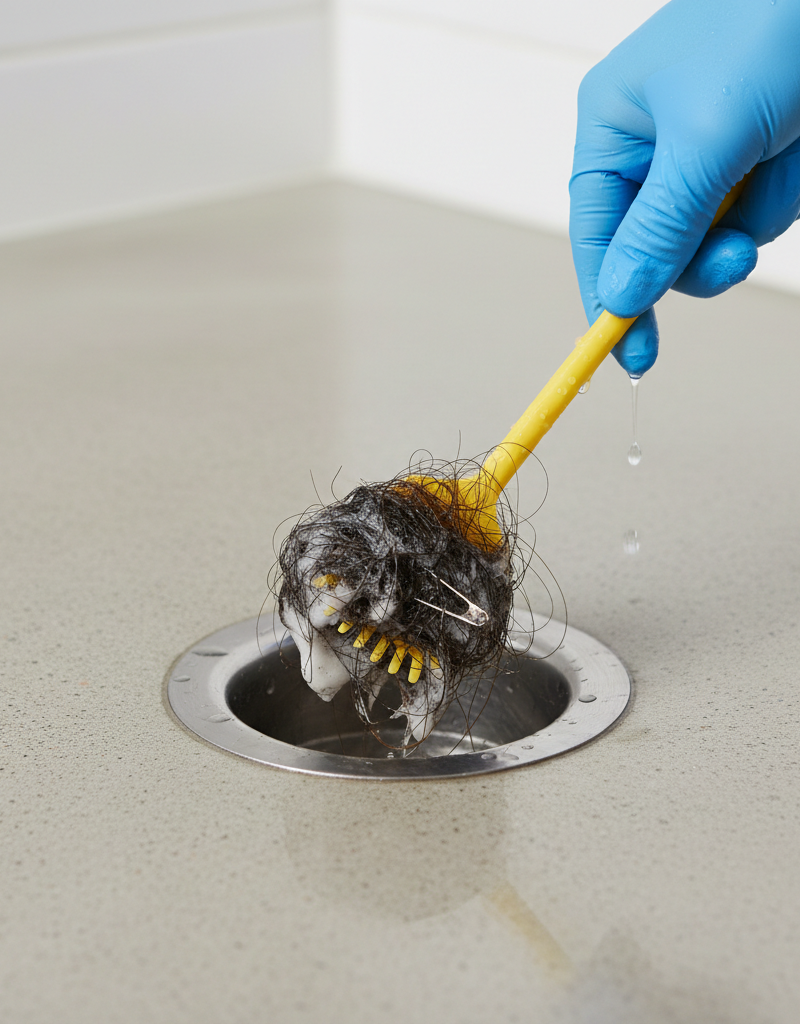
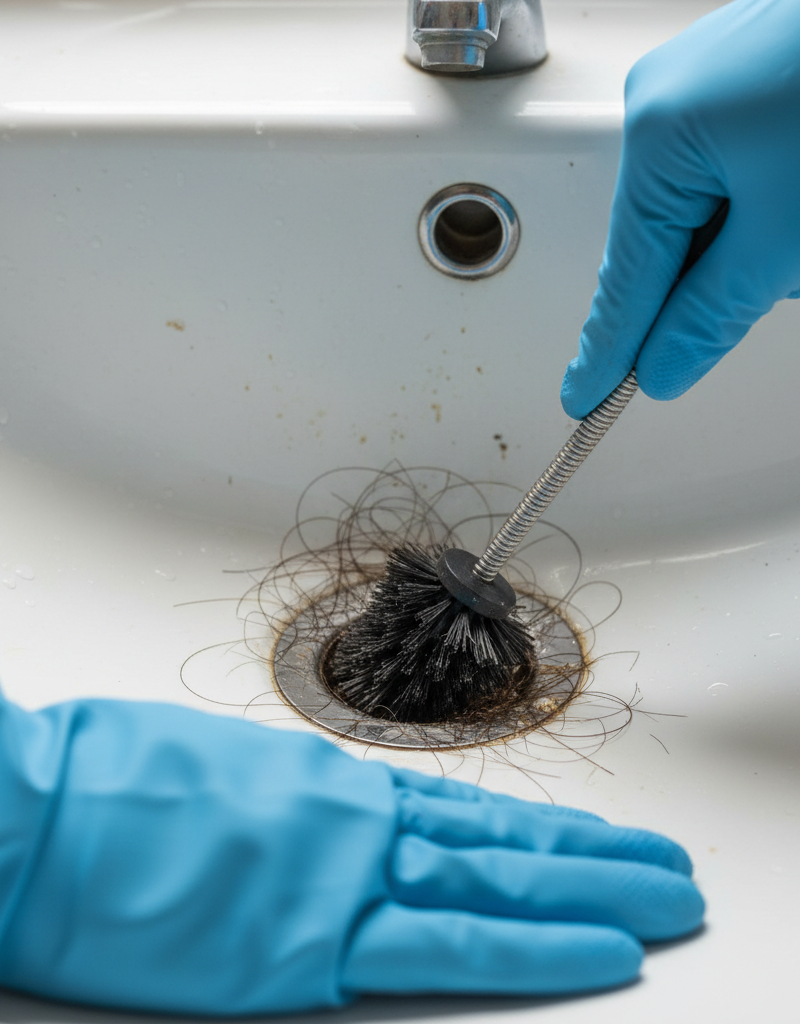
- Wearing gloves, use a paper towel or an old rag to wipe away any hair, soap scum, or grime clinging to the stopper and the drain opening. This alone can often eliminate a significant portion of the odor.
- Reinstall the stopper.
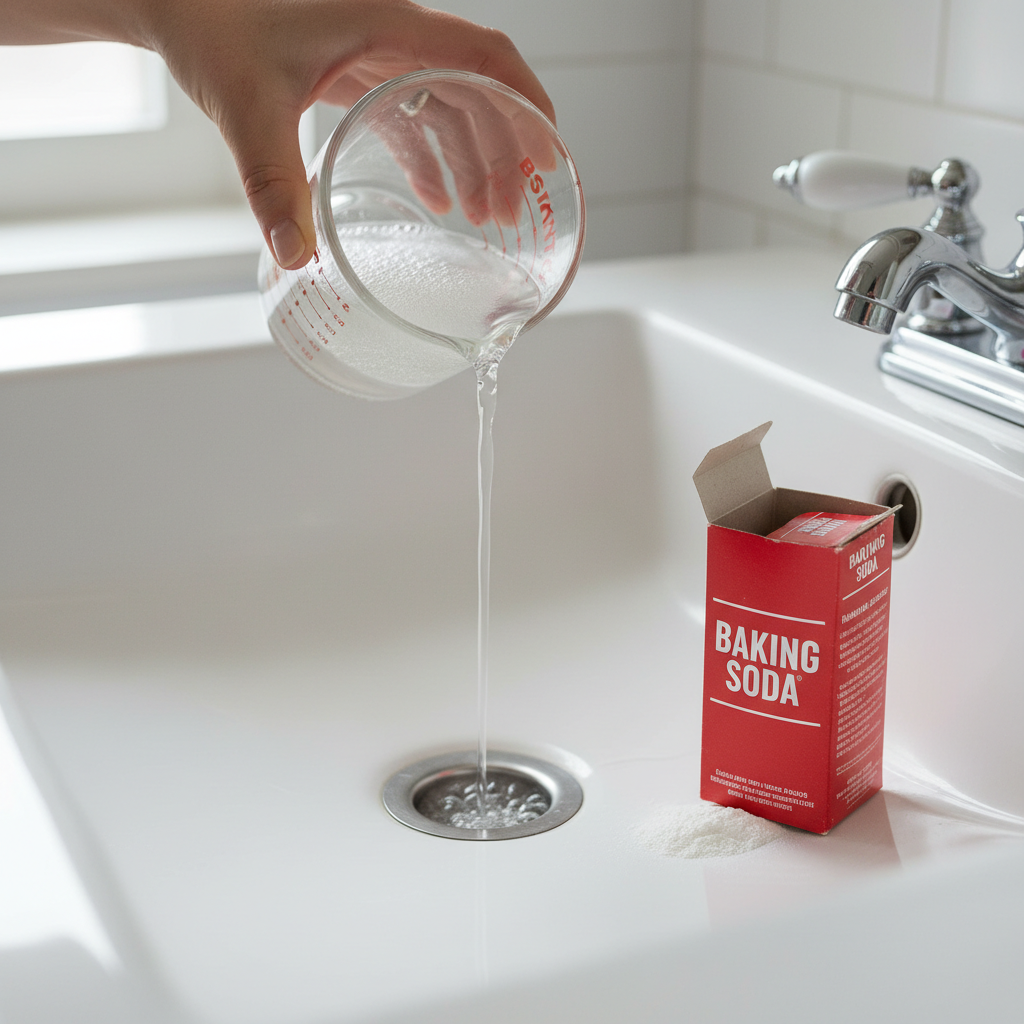
2. The Baking Soda and Vinegar Attack — This classic DIY method uses a chemical reaction to break down organic buildup.
- Pour 1/2 cup of baking soda directly down the drain. Try to get as much as possible to go down the drain opening, not just sit on the stopper.
- Immediately follow with 1 cup of white vinegar. You'll hear fizzing – this is the reaction breaking down the gunk.
- Let it sit for at least 30 minutes, or preferably an hour, allowing the solution to work its magic.
- If this doesn't work, repeat the process and let it sit overnight, then proceed to the next step.
3. The Hot Water Flush — Rinse away the loosened debris to clear the drain.
- After the baking soda and vinegar have sat, boil a pot of water (about 1 gallon). Be careful handling hot water.
- Slowly pour the boiling water down the drain. The hot water will help melt away any remaining grease and flush the broken-down biological material completely out of the P-trap and into the main drain line.
- DO NOT use boiling water if you have PVC pipes that are old or known to be delicate, as extreme heat can sometimes damage them. Extremely hot tap water (from your faucet) is a safer alternative in such cases.
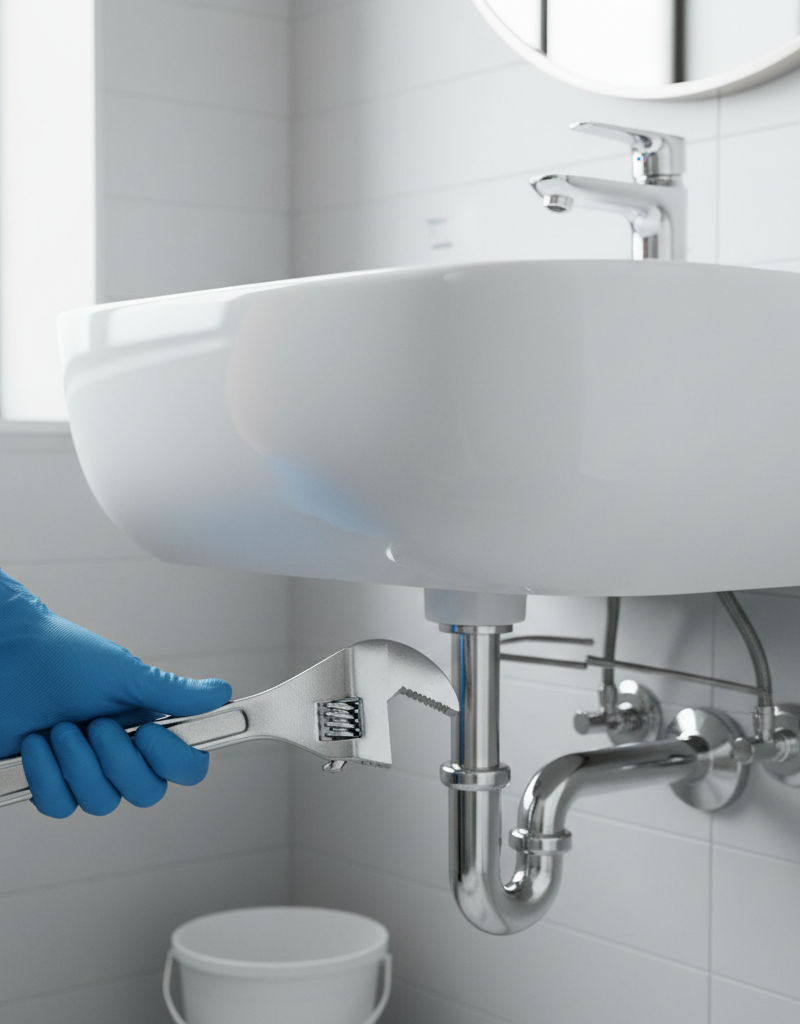
4. Physical P-Trap Cleaning (If Scent Persists) — For truly stubborn smells, a manual clean of the P-trap is required.
- Safety Note: Place a bucket or towel directly under the P-trap to catch any water or debris that will spill out.
- Using groove-joint pliers or a basin wrench, carefully loosen the slip nuts on both ends of the P-trap. These are typically hand-tightened or require only a slight turn.
- Remove the P-trap. You'll likely encounter a significant amount of foul-smelling sludge.
- Clean the inside of the P-trap thoroughly with a bottle brush, an old toothbrush, or a paper towel. Rinse it well under a utility sink or an outdoor hose.
- Inspect the trap for cracks or damage. Replace if necessary.
- Reattach the P-trap, ensuring the slip nuts are hand-tightened, then give them a quarter-turn with pliers to ensure a good seal. Do not overtighten, as this can crack plastic pipes.
- Run water for a few minutes to check for leaks.
5. Clean the Overflow Hole — This often overlooked area can harbor mold and grime.
- The small hole near the top of your sink basin prevents overflows. It also connects to the drainpipe.
- Mix a solution of 1 part bleach to 10 parts water or use a vinegar solution.
- Using a small funnel or a turkey baster, carefully pour the solution into the overflow hole.
- Let it sit for 15-20 minutes, then flush with hot water.
Common Causes
- Organic Buildup in P-trap: The most prevalent cause. Hair, skin flakes, soap scum, toothpaste, and other personal care products accumulate in the P-trap (the U-shaped bend under the sink) and decompose, creating foul-smelling gases like hydrogen sulfide.
- Dry P-trap: If a sink isn't used for a long time, the water in the P-trap can evaporate, removing the water seal that blocks sewer gases from entering your home. This allows unpleasant odors from your main sewer line to come directly through the drain.
- Clogged Vent Pipe: Your home's plumbing system relies on vent pipes to equalize air pressure and allow wastewater to drain properly. If a vent pipe (often on the roof) is blocked by leaves, nests, or debris, it can create a vacuum that siphons water from the P-trap, leading to a dry trap and sewer gas odors.
- Food Waste (in kitchen sinks primarily, but possible in bathroom if items are rinsed): While less common in bathroom sinks, occasionally small food particles can get washed down and contribute to organic decay. This is usually more of a kitchen sink issue.
- Bacterial Growth in Overflow Channel: The overflow hole at the top of your sink basin can also collect grime and mold, leading to persistent musty odors.
- Compromised Drain Line or Sewer Gas Leak: In rare cases, a crack in the main drain line or a loose joint could allow sewer gases to escape directly into the wall space or under the cabinet. This usually presents as a more pervasive smell than just from the drain opening.
Common Mistakes
- Using Caustic Chemical Drain Cleaners First: Harsh chemical drain cleaners can damage pipes, especially older ones, and are often ineffective against biological sludge. They also pose a significant safety risk. Always try natural solutions first.
- Ignoring the Pop-Up Stopper: Many homeowners overlook the stopper as a primary source of odor. It's the first point of contact for hair and scum, accumulating significant gunk. Always clean it initially.
- Not Letting Solutions Sit Long Enough: Pouring baking soda and vinegar and immediately flushing with water won't allow the chemical reaction enough time to effectively break down the buildup. Give it at least 30 minutes, ideally an hour or more.
- Overtightening P-trap Nuts: When reassembling the P-trap after cleaning, overtightening the slip nuts can crack or strip plastic pipes, leading to leaks and further problems. Hand-tighten until snug, then a quarter-turn with pliers.
- Neglecting the Overflow Hole: The overflow channel is a hidden breeding ground for mildew and bacteria. Forgetting to clean it can leave a residual musty smell, even after cleaning the main drain.
- Mistaking a Dry P-Trap for a Clog: If your sink is rarely used, the P-trap might simply be dry. Running water for a minute or two will often refill the trap and solve the sewer gas smell without needing extensive cleaning.
Cost & Time Breakdown
| Task | DIY Cost | Pro Cost | Time |
|---|---|---|---|
| Clear Pop-Up Stopper | $0 | N/A | 5–10 mins |
| Baking Soda & Vinegar Treatment | $2–$5 | N/A | 30–60 mins |
| Hot Water Flush | $0 | N/A | 5 mins |
| P-Trap Removal & Cleaning | $0 (existing tools) / $15–$30 (new tools) | $150–$300 | 30–60 mins |
| Clean Overflow Hole | $0–$1 | N/A | 10–15 mins |
Tips & Prevention
- Regular Flushing: Once a week, run hot water down your sink drain for 1-2 minutes to help prevent buildup. You can also follow this with a small amount of baking soda and vinegar.
- Hair Catchers: Install a hair catcher or drain screen in your sink to prevent hair, soap scum, and other debris from entering the drain. Clean it regularly.
- Periodic P-Trap Checks: Every 6-12 months, consider removing and cleaning your P-trap as a preventative measure, especially if you have long hair.
- Baking Soda & Vinegar Maintenance: Perform the baking soda and vinegar treatment every 2-4 weeks as a proactive measure to break down minor accumulations before they become a problem.
- Proper Disposal: Avoid rinsing oily or greasy substances down the bathroom sink. While less common than in kitchens, these can contribute to clogs.
- Run Unused Faucets: If you have a guest bathroom or a sink that isn't used frequently, run water for about 30 seconds once every few weeks to ensure the P-trap stays filled and prevents sewer gas intrusion.
When to Call a Professional
While most smelly drain issues are DIY-fixable, there are specific situations where calling a licensed plumber is the smartest and safest course of action. If you've thoroughly cleaned the drain, P-trap, and overflow, and the foul odor persists, it could indicate a more serious underlying plumbing problem. This includes a perpetual gurgling sound coming from the drain, slow drainage despite cleaning, or if the unpleasant smell is not confined to the drain opening but seems to be emanating from the walls or under the sink cabinet, suggesting a potential leak in a drainpipe or a compromised main sewer line. Additionally, if you suspect a clogged vent pipe (e.g., strong odors in multiple drains, slow drainage throughout the house, or gurgling toilets), a plumber has the specialized tools, such as a snake or camera inspection, to diagnose and clear these less accessible issues. Never attempt to address issues related to your main sewer line or vent stacks without professional expertise, as improper intervention can lead to significant damage and costly repairs.
Frequently asked questions
Why does my bathroom sink drain smell like rotten eggs?+
The rotten egg smell usually indicates the presence of hydrogen sulfide gas, which is produced when anaerobic bacteria break down organic matter (like hair, soap scum, and skin cells) trapped in your drainpipes, especially in the P-trap.
Can a dry P-trap cause a bad smell?+
Yes, absolutely. The P-trap is designed to hold a small amount of water to create a seal against sewer gases. If a sink isn't used for a long time, this water can evaporate, allowing sewer gases to rise directly into your bathroom, causing a very noticeable foul odor.
Is it safe to pour boiling water down the drain?+
Pouring boiling water down the drain is generally safe for most modern plumbing systems, especially with metal pipes. However, exercise caution with older or delicate PVC pipes, as extreme heat could potentially damage them. Hot tap water is a safer alternative if you have concerns.
How often should I clean my bathroom sink drain to prevent smells?+
To prevent smells, try to clean your pop-up stopper monthly. Perform a baking soda and vinegar flush every 2-4 weeks, and consider a thorough P-trap cleaning every 6-12 months, especially if you notice recurring issues or have long hair users in the home.
What if baking soda and vinegar don't work for my smelly drain?+
If baking soda and vinegar don't eliminate the smell, the next step is to physically clean out the P-trap under the sink. This involves removing the P-trap and manually clearing out any accumulated sludge. If the smell still persists after a thorough physical cleaning, it might indicate a more complex issue requiring a professional plumber, such as a clogged vent pipe or a main drain line problem.
Discussion
Loading comments…