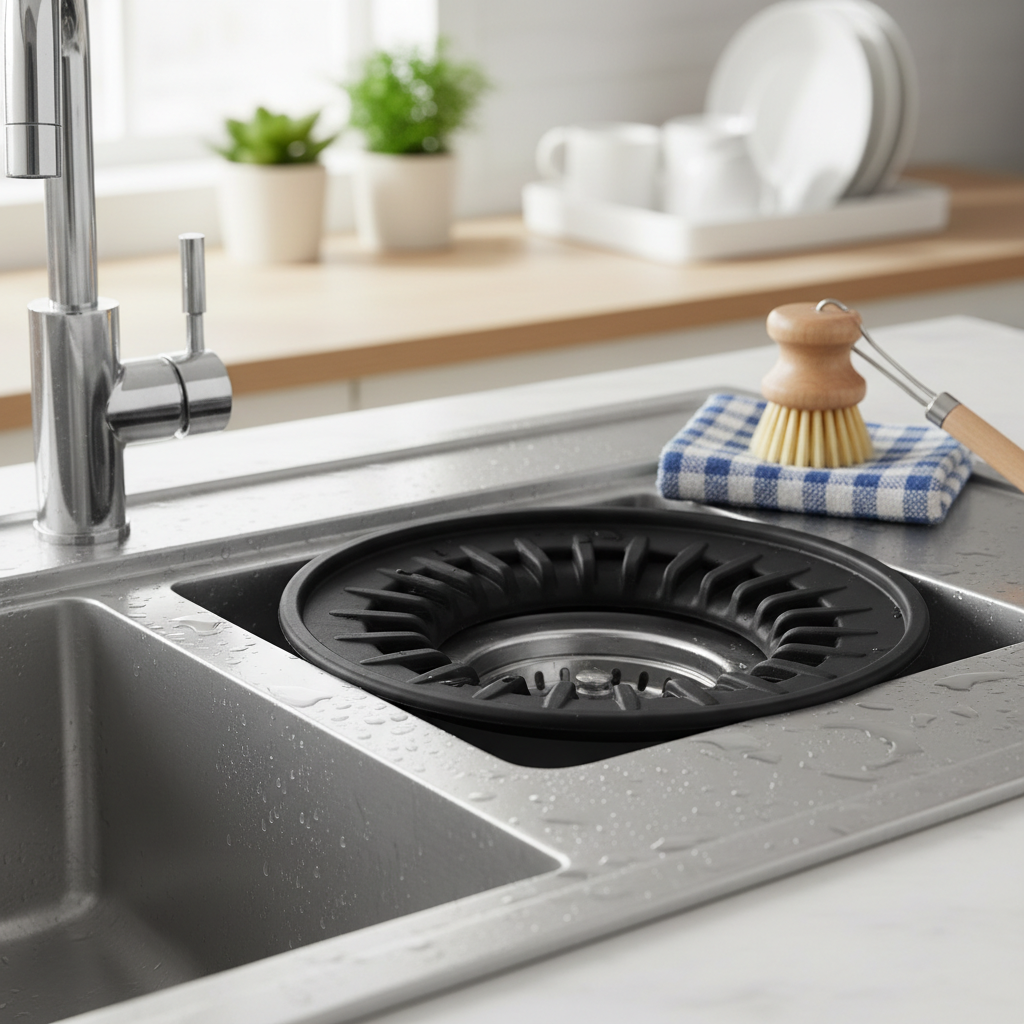
Tools & materials you'll need
Affiliate linksAs an Amazon Associate FixlyGuide earns from qualifying purchases — at no extra cost to you. Prices and availability are accurate as of publication and subject to change.
Quick Answer
That foul odor from your garbage disposal, often described as rotten or sewage-like, is usually caused by a buildup of anaerobic bacteria thriving on food particles, grease, and grime clinging to the disposal's internal components and drain lines. Simple rinsing isn't enough; a thorough cleaning and regular maintenance are essential to eliminate these odor-causing colonies.
The Problem
You've done it all: run water, thrown in lemon peels, maybe even a few ice cubes. Yet, that wretched, putrid smell emanating from your garbage disposal persists, permeating your entire kitchen. It’s more than just a lingering food smell; it’s a deep, gag-inducing stench that suggests something has died in your sink. This isn't just unpleasant; it can make spending time in your kitchen unbearable. The real issue isn't rotten food that’s still grinding; it's the invisible, tenacious film of decomposed organic matter, fats, and bacteria that cling to every surface inside your disposal and the drainpipes connected to it. This biofilm acts as a breeding ground for odor-producing microorganisms that release noxious gases, creating the illusion that your disposal is home to something truly horrible.
How It Works
Your garbage disposal isn't just an open chute to the sewer. It's a complex appliance with several components designed to pulverize food waste. When you feed food into it, the rotating impellers (often called 'grinders,' though they don't actually sharpen or cut) spin rapidly, forcing food against a stationary grind ring. This action breaks down solid food into tiny particles that can then be flushed down the drain with water. However, the internal chamber, including the rubber splash guard, the grind plate, the impellers, and the wall of the grind chamber, are all susceptible to accumulating a sticky residue. When food particles, especially greasy or fibrous ones, aren't completely flushed away, they stick to these surfaces. Over time, this buildup creates a nutrient-rich environment for bacteria, particularly anaerobic bacteria which thrive in oxygen-deprived spaces. These bacteria break down the organic matter, producing volatile sulfur compounds and other foul-smelling gases—the very essence of that 'death-like' odor. The problem is exacerbated in the P-trap (the U-shaped bend in your drainpipe below the sink), which is designed to hold water to prevent sewer gases from entering your home but can also collect stagnant debris. Additionally, the dishwasher drain hose, often connected to the disposal, can contribute if it's not draining properly or has its own buildup.
Step-by-Step Fix
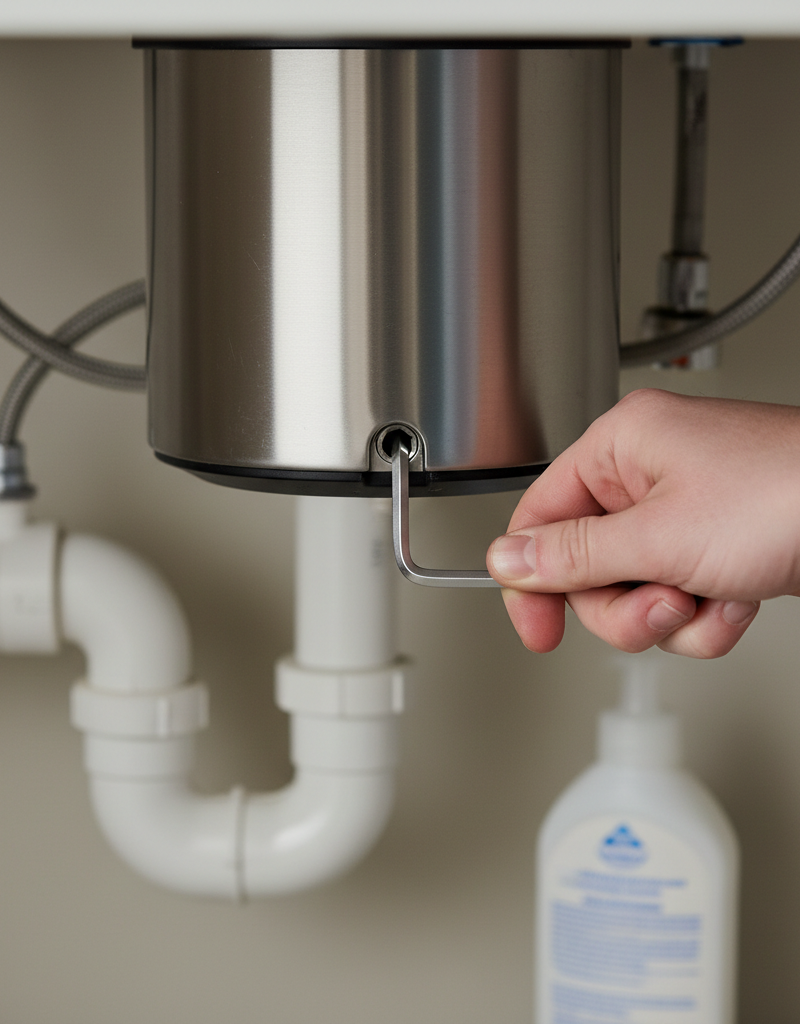
Safety First — Always unplug the garbage disposal or turn off its breaker before attempting any internal cleaning or reaching into the drain. Even when off, the grinding teeth are sharp.
-
Inspect and Clean the Splash Guard — Your first line of defense
- Lift and thoroughly clean both sides of the rubber splash guard (the black rubber flange inside the drain opening). Use a scrub brush or an old toothbrush with dish soap to remove visible gunk, mold, and trapped food particles. This often holds a surprising amount of slime.
-
The Ice and Salt Scrub — A mechanical abrasion technique
- Pour two cups of ice cubes into the disposal. Add 1/2 cup of coarse salt (kosher or rock salt works best). Turn on a slow stream of cold water and run the disposal for 30-60 seconds, or until the grinding sound subsides. The ice helps dislodge hardened food and grime, and the salt acts as an abrasive scrub.
-
The Citrus Purge — Nature's deodorizer and mild degreaser
- After the ice and salt, cut a lemon or orange into quartered pieces. With a slow stream of cold water running, feed the citrus peels into the disposal. The oils in the citrus help freshen and mildly cleanse, while the pulp provides further scrubbing action. Avoid using too much at once, as large amounts of citrus can clog.
-
Deep Clean with Baking Soda and Vinegar — The classic fizzing action for biofilm
- Pour 1/2 cup of baking soda into the disposal drain. Let it sit for 15-20 minutes. Then, slowly pour 1 cup of white vinegar down the drain. The mixture will fizz vigorously; this chemical reaction helps break down grease and lift stubborn biofilm. Allow it to sit for another 15-30 minutes, then flush thoroughly with hot water.
-
Scrub Beneath the Grind Plate — Reaching the hidden culprits
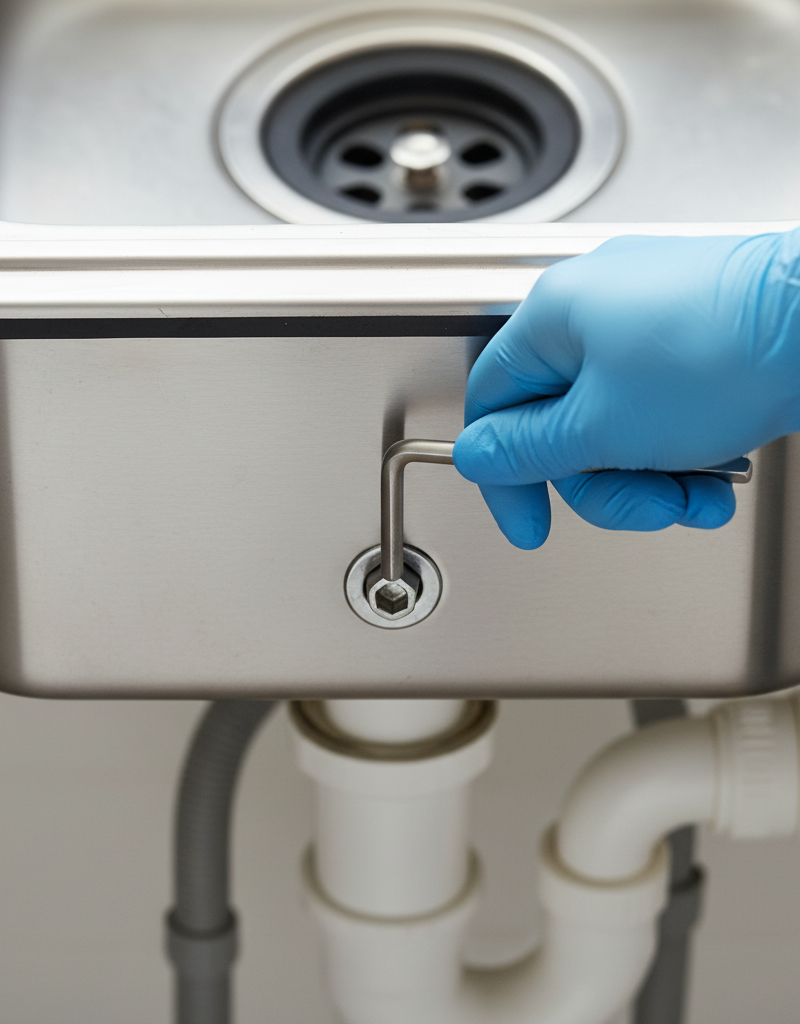
- IF SAFE (DISPOSAL UNPLUGGED/POWER OFF): Use a long-handled scrub brush (a bottle brush or specialized disposal brush works well) to reach down into the disposal chamber and scrub the sides, underneath the grind plate, and the impellers. You'll be surprised at the amount of slime you can remove. Wear gloves. Flush thoroughly with hot water afterward.
-
Bleach Flush (Caution Advised) — A strong disinfectant, used sparingly
- WARNING: Never mix bleach with other cleaners like ammonia or vinegar. If you used vinegar in a previous step, ensure the disposal has been thoroughly flushed with water before using bleach. Add 1/4 cup of liquid bleach to the disposal. Let it sit for 5-10 minutes (no more!). Flush with plenty of cold water for at least 60 seconds. Bleach helps kill odor-causing bacteria but should be used infrequently due to its corrosive nature on some plumbing materials and its environmental impact.
-
Check the Dishwasher Air Gap/Drain Hose — A common overlooked cause
- If your dishwasher drains into the disposal, ensure the drain hose isn't kinked and that your dishwasher air gap (if you have one on your sink) is clear of obstructions. Buildup in these areas can cause stagnant water and odors that back up into the disposal. Disconnect and clean the hose if necessary, but this may require some plumbing knowledge.
-
P-Trap Inspection and Cleaning — The last resort for stubborn odors
- IF THE SMELL PERSISTS: The P-trap beneath your sink might be holding onto debris. Place a bucket under the P-trap, then use channel locks or a pipe wrench to loosen the slip nuts on either side and carefully remove the trap. Empty any contents into the bucket and thoroughly clean the inside with a bottle brush and soapy water. Reassemble, ensuring a tight seal to prevent leaks. Run water to test for leaks immediately.
Common Causes
- Buildup of Food and Grease: The most common culprit. Food particles, especially starchy items, coffee grounds, and grease, cling to the disposal's grinding chamber and drain lines, creating a fertile breeding ground for odor-producing bacteria.
- Improper Flushing: Not running enough cold water before, during, and after grinding allows food particles to settle and stagnate instead of being fully flushed away.
- Infrequent Use: If the disposal isn't used regularly, water in the P-trap can evaporate, allowing sewer gases to enter your home or leaving settled food debris to decompose undisturbed.
- Rubber Splash Guard Neglect: The rubber splash guard often accumulates a slimy film of food residue and mold that goes unnoticed and untreated.
- Dishwasher Drain Backwash: If your dishwasher drains into the disposal and there's a clog or insufficient air gap, foul-smelling water can back up, contributing to the odor.
- Sewer Gas Backdraft: In rare cases, a faulty P-trap or vent pipe issue can allow sewer gases to enter your home through the disposal drain. This often presents as a more general sewage smell, not just from the disposal.
Common Mistakes
- Using Hot Water During Operation: Hot water can melt grease, causing it to solidify further down the drain and creating stubborn clogs and more surface area for bacterial growth. Always use cold water when running the disposal.
- Relying on Chemical Drain Cleaners: Caustic drain cleaners can damage your disposal's rubber and plastic components, and they rarely solve the underlying issue of biofilm buildup. They're also unnecessary and potentially hazardous.
- Ignoring the Splash Guard: Many homeowners focus only on the inside of the disposal, neglecting the easily accessible (and often filthy) rubber splash guard that traps food and grows mold.
- Not Flushing Long Enough: After the grinding noise stops, run cold water for another 15-30 seconds to ensure all particles are thoroughly flushed out of the disposal and into the main drain line.
- Feeding Too Much Grease/Oil: Even with cold water, large amounts of grease and oil should never go down the disposal. They will congeal, creating significant clogs and persistent odors.
- Using Too Many Citrus Peels as the ONLY Solution: While citrus helps freshen, it's not a deep cleaner. Overuse can also lead to clogs if the peels aren't ground finely enough and flushed properly.
Cost & Time Breakdown
| Task | DIY cost | Pro cost | Time |
|---|---|---|---|
| Basic Cleaning (DIY products) | $5–$15 | N/A | 15–30 minutes |
| Deep Cleaning (DIY products) | $5–$25 | N/A | 30–60 minutes |
| P-Trap Removal & Cleaning | $0–$10 (if needed) | $150–$300+ | 30–60 minutes |
| Professional Disposal Service | N/A | $100–$250+ | 30–60 minutes |
Tips & Prevention
- Always Use Cold Water: Run cold water for a few seconds before, during, and after using the disposal to flush food particles effectively and prevent grease solidification.
- Grind Ice Regularly: Once a week, grind a tray of ice cubes. This helps dislodge accumulated food residue and keeps the grinding components sharp.
- Citrus Peels for Freshening: After cleaning, occasionally grind a few small pieces of citrus peel (lemon, lime, orange) for a fresh scent. Do not overdo it.
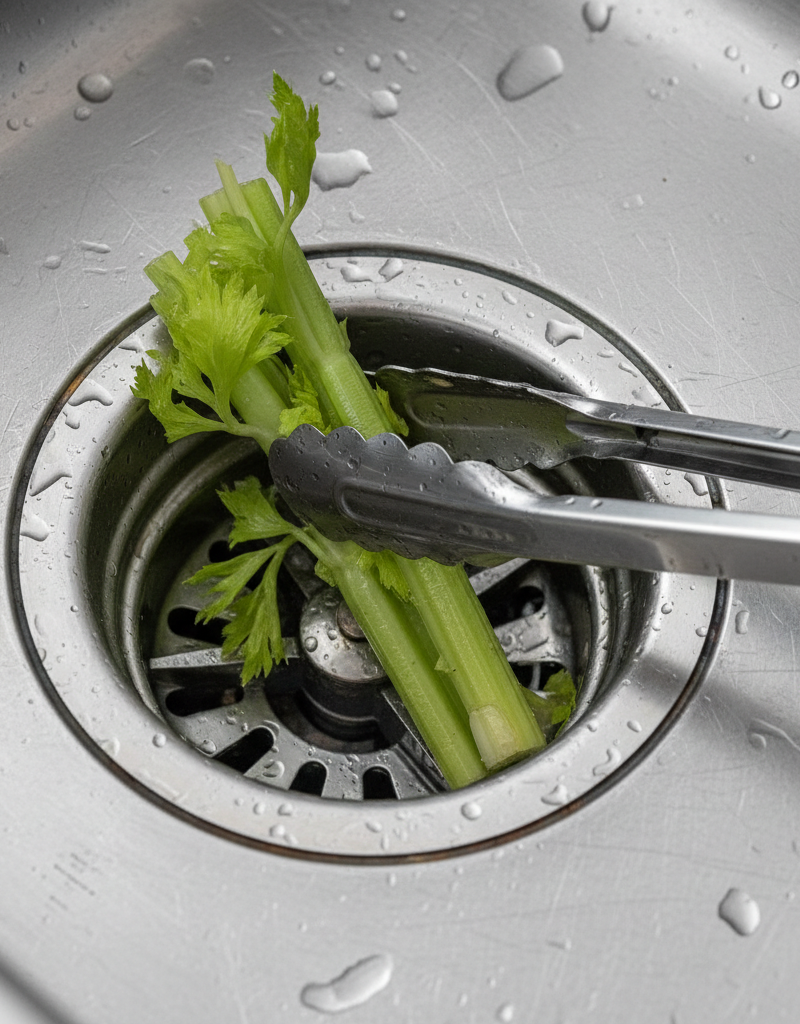
- Use Proper Foods: Avoid sending fibrous materials (celery, corn husks), starchy items (potato peels in large quantities), expandable foods (pasta, rice), or tough bones down the disposal. Absolutely no grease or oil.
- Regular Splash Guard Cleaning: Make it a habit to lift and clean the underside of the rubber splash guard weekly.
- Run Water When Not in Use: If you haven't used your disposal in a few days, run cold water down the drain for 30 seconds to refresh the P-trap and flush any sitting water.
When to Call a Professional
If, after thoroughly cleaning your garbage disposal using the steps outlined, the foul odor persists, it might indicate a more serious plumbing issue. A persistent, deep sewage smell could point to a problem with your plumbing vent system, a dry P-trap (beyond simple evaporation), or a deeper clog within your main drain line that's allowing sewer gases to back up. If you notice leaks from the disposal unit itself, hear unusual grinding noises, or the disposal stops working entirely, it's time to call a licensed plumber. They have specialized tools to diagnose and clear deep clogs, inspect your entire drain system, and can safely repair or replace a malfunctioning disposal without risking electrical or water damage to your home.
Related Articles
Keep troubleshooting with these hand-picked guides from FixlyGuide:
- The Nasty Truth About Your Smelly Bathroom Sink: It's Not Always the Drain — Uncover the surprising culprits behind your stinky bathroom sink and learn how to banish those foul odors with simple, effective troublesho…
- The 30-Second Fix for a Humming Garbage Disposal (Plumbers Don't Want You to Know) — Before you call a plumber, try these simple steps to unjam a humming garbage disposal in under a minute and save yourself a service call.
- That Ceaseless Hum? Why Your Sump Pump Runs When It's Dry — A constantly running sump pump often points to issues beyond rain, such as a high water table, a stuck float switch, or a failed check valv…
- The Secret Culprit Behind Your Dishwasher's Standing Water (It's Not Always a Clog) — Don't assume a clog is the only reason your dishwasher isn't draining; often, the fix is simpler than you think.
- The Secret Reason Your Chimney Leaks During Rain (It's Not Always the Obvious Culprit) — A leaking chimney during rain can be a frustrating mystery, but often the root cause isn't what you think, leading to costly misdiagnosis.
- The #1 Mistake Jamming Your Garbage Disposal for Good — Constantly resetting your humming, jammed garbage disposal? The culprit might be your daily routine. We'll reveal the common mistake that w…
Get the print-ready PDF of this guide
A clean, ad-free, printable version you can keep on your phone or pin to the workshop wall. We'll also send occasional weekly tips matched to your home situation.
- Print-optimized layout
- Tools, materials & every step included
- Unsubscribe anytime
Frequently asked questions
How often should I clean my garbage disposal?+
You should perform a basic cleaning (like the ice and salt method or citrus purge) at least once a week, and a deeper cleaning with baking soda and vinegar once a month. The rubber splash guard should be wiped down weekly.
Can I put bleach down my garbage disposal?+
Bleach can be used sparingly (1/4 cup, 5-10 minutes, then flush thoroughly) to kill bacteria, but it's generally not recommended for frequent use. Never mix it with other cleaners like vinegar, and ensure adequate flushing to protect plumbing components.
Why does my garbage disposal smell like rotten eggs?+
A rotten egg smell is typically hydrogen sulfide gas, a byproduct of anaerobic bacteria breaking down organic matter (food, grease) trapped within the disposal or drain lines. This indicates a significant bacterial buildup that needs thorough cleaning.
What should I *never* put down my garbage disposal?+
Avoid fibrous foods (celery, corn husks), starchy items (potato peels, rice, pasta), coffee grounds, eggshells, large bones, fruit pits, and especially grease, oil, or chemical drain cleaners. These can clog or damage the unit.
Will a professional plumbing service clean my garbage disposal?+
While plumbers primarily fix mechanical issues and clogs, they can offer professional cleaning as part of a drain service or if the odor is caused by a deeper system issue. However, most routine odor removal is a DIY task.
Discussion
Loading comments…