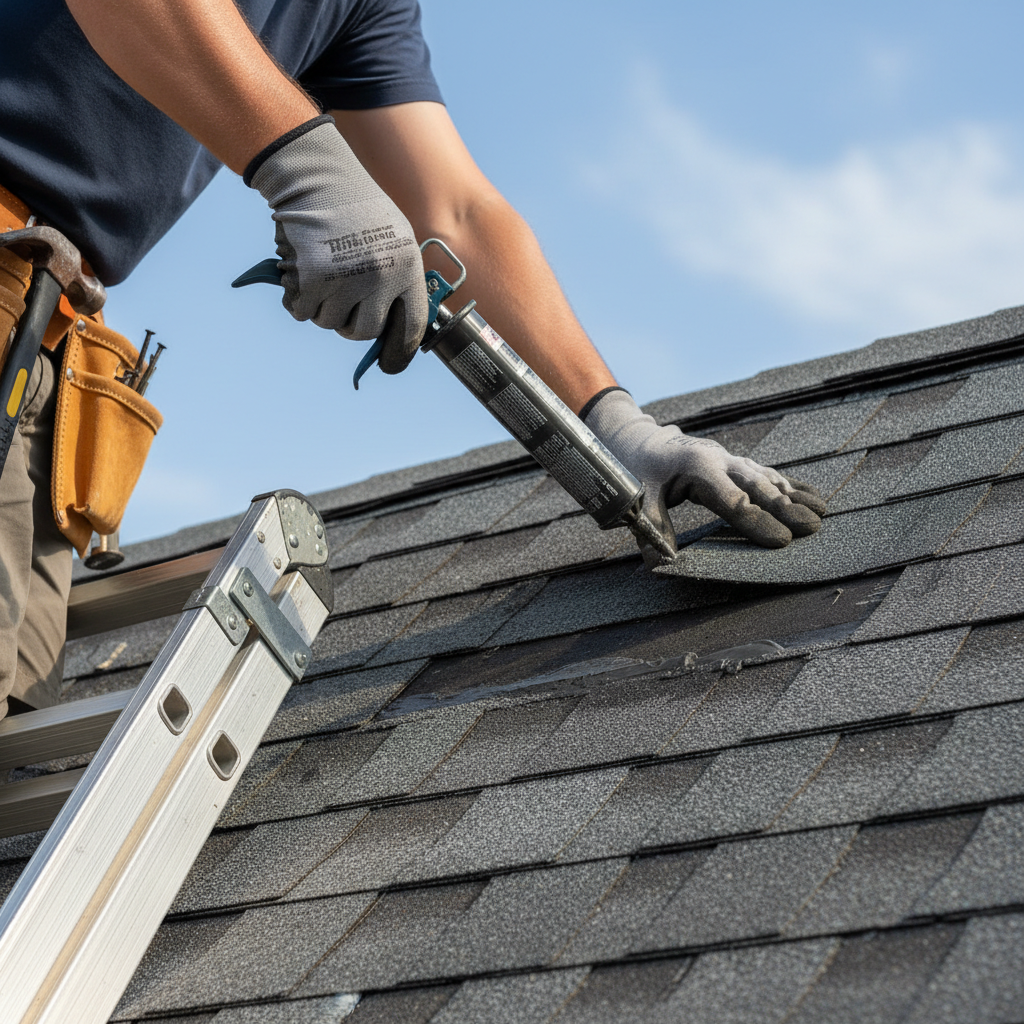
Tools & materials you'll need
Affiliate linksAs an Amazon Associate FixlyGuide earns from qualifying purchases — at no extra cost to you. Prices and availability are accurate as of publication and subject to change.
Quick Answer
Missing roof shingles after a storm can create significant vulnerabilities in your home's defense against the elements. The good news is that for isolated damage, a homeowner with basic DIY skills can often replace these shingles effectively. The process involves a careful inspection from the ground and, if safe, on the roof, followed by removing any remaining damaged shingle pieces, preparing the area, and securely installing new shingles with roofing cement and nails. Acting quickly is crucial to prevent minor damage from escalating into major leaks and structural problems.
The Problem
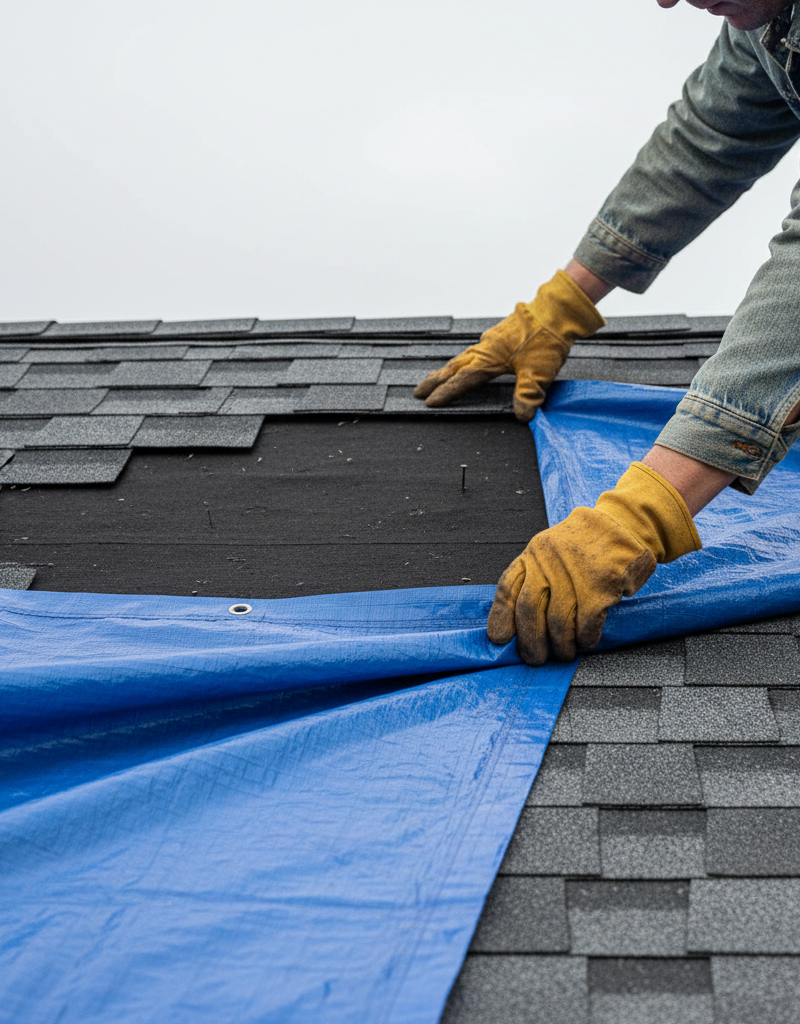
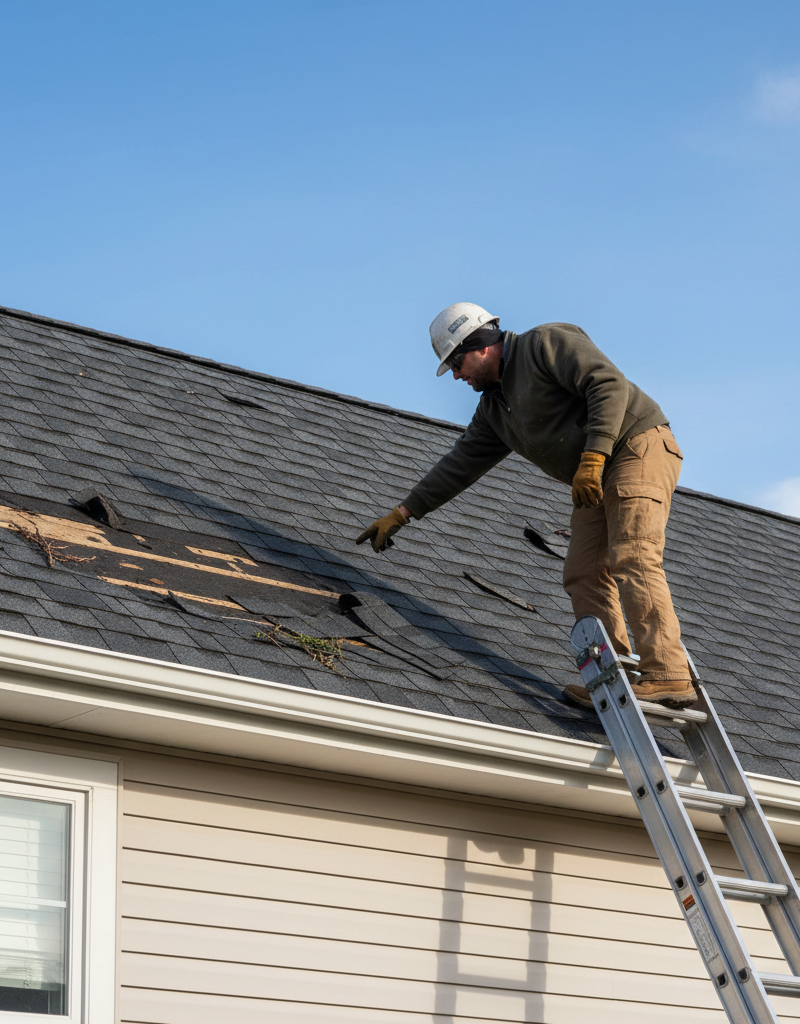
You wake up after a particularly nasty storm—high winds, heavy rain—and glance up at your roof only to see a dark patch where a cluster of shingles used to be. Or perhaps you find shingle granules scattered across your lawn. Missing roof shingles aren’t just an aesthetic problem; they’re a gaping wound in your home's protective shell. Each missing shingle exposes the underlayment, and eventually, the roof decking, to direct assault from rain, snow, and UV radiation. This exposure quickly degrades the underlying materials, leading to leaks, rot, mold growth in your attic, and even structural compromise if left unaddressed. It’s an urgent issue because a small patch of missing shingles can rapidly lead to widespread and expensive damage, especially with subsequent rainfalls.
Safety Note: Working on a roof can be extremely dangerous. Always prioritize safety. Never go on a wet, icy, or very windy roof. Use a sturdy ladder, wear non-slip shoes, and ideally, have someone spot you. If you are uncomfortable with heights or the roof pitch is steep, call a professional contractor.
How It Works
To understand why missing shingles are a threat, it helps to know how a shingle roof works. Asphalt shingles are designed to shed water like fish scales. Each shingle overlaps the one below it, creating a continuous, waterproof barrier. Beneath the shingles, you'll typically find an underlayment (often asphalt-saturated felt or synthetic material) which provides a secondary layer of protection against water intrusion. Below that is the roof decking, usually plywood or OSB, which provides the structural base. When a shingle goes missing, it breaks this layered defense. The exposed underlayment, while water-resistant, is not designed for prolonged direct exposure to the elements. UV light can degrade it, and strong winds or heavy rain can tear or penetrate it, allowing water to reach the roof decking. Once water penetrates the decking, it can saturate the wood, leading to rot, create pathways for leaks into your attic or ceilings, and foster mold growth in unseen spaces. The interlocking nature of shingles also means that a single missing shingle can undermine the adhesion and integrity of adjacent shingles, making them more susceptible to being lifted or torn away in the next storm.
Step-by-Step Fix
1. Assess the Damage Safely – _Determine the extent and location of missing shingles.
Start by walking around your home and inspecting the roof from the ground with binoculars. Look for obvious missing shingles, torn areas, or loose, flapping sections. Note the exact locations. Avoid climbing onto the roof unless it's completely dry, not windy, and you feel secure. If you're unsure or the damage is extensive, stop and call a professional. For minor, easily accessible damage on a low-slope roof, proceed carefully.
- Tools: Binoculars, sturdy ladder, non-slip shoes.
- Safety: Never work on a wet or icy roof. Ensure your ladder is stable on level ground.
2. Clear Debris and Prepare the Area – _Remove any loose granules, nails, or old shingle fragments.
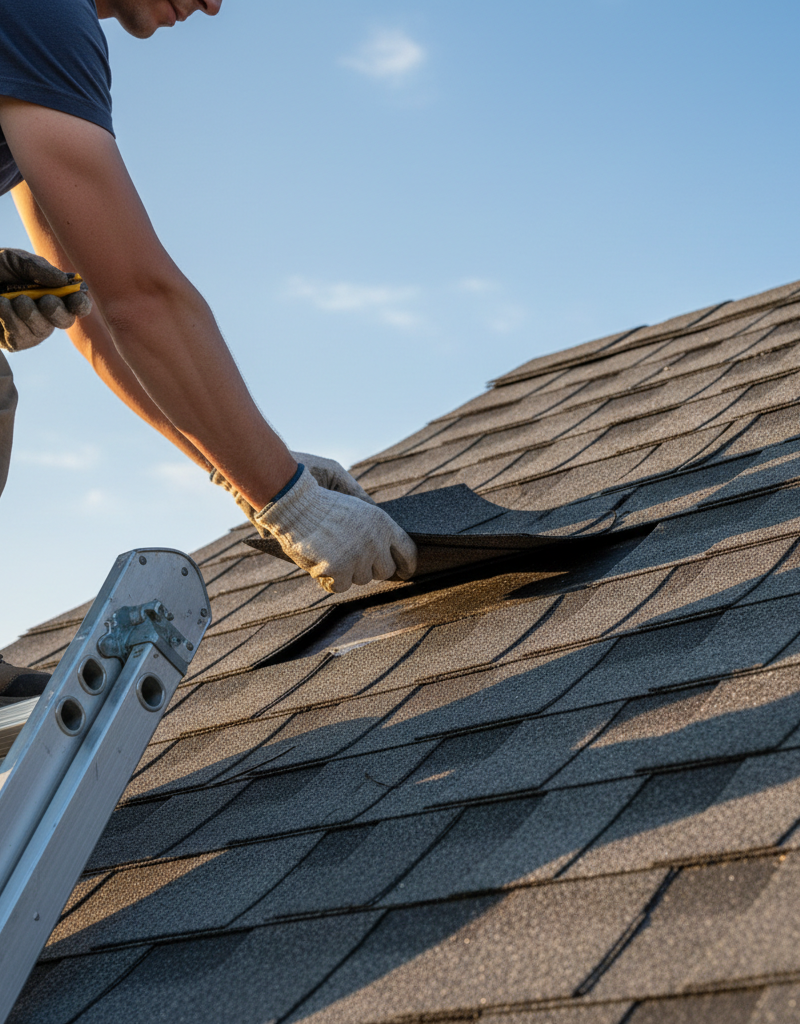
Once on the roof and secured, carefully remove any remaining pieces of the damaged shingle, loose roofing nails, or accumulated debris from the area where the shingle is missing. Use a pry bar to gently lift the bottom edge of the shingle above the missing section to access the old roofing nails. Remove these nails. Ensure the surface is clean and smooth for the new shingle to adhere properly.
- Tools: Pry bar, hammer, stiff brush.
- Tip: Be gentle when lifting shingles to avoid cracking or damaging adjacent ones.
3. Apply Roofing Cement – _Create a waterproof bond for the new shingle.
Apply a generous amount of roofing cement (sometimes called asphalt cement or flashing cement) to the underside of the shingle directly above where the new shingle will go. Also, apply a thin bead along the exposed underlayment where the tab of the new shingle will rest. This cement helps create a watertight seal and secures the shingle against future wind uplift.
- Material: Tube of roofing cement.
- Coverage: Ensure even distribution, but don't over-apply to avoid squeeze-out.
4. Insert the New Shingle – _Slide the new shingle into position.
Carefully slide the new shingle upwards, underneath the shingle above it, until its bottom edge aligns perfectly with the bottom edge of the adjacent shingles. Make sure it's snug against the side edges of the neighboring shingles as well. The new shingle should cover the exposed nail heads from the row below.
- Tip: If the new shingle is stiff, let it warm in the sun for a few minutes to make it more pliable.
5. Secure with Roofing Nails – _Fasten the shingle to the roof decking.
Using roofing nails, fasten the new shingle. Drive nails approximately 1 inch up from the cutouts (the slots separating the shingle tabs) and about 1 inch in from each side. Aim to place nails so they penetrate both the new shingle and the top edge of the shingle below it for added stability. Ensure the nail heads lie flat and don't pierce the surface of the shingle above.
- Tools: Hammer.
- Material: 1-inch galvanized roofing nails.
- Caution: Don't nail too tightly, which can deform the shingle. Don't nail crooked, which can leave the shingle loose or cause leaks.
6. Seal Nail Heads and Tabs – _Completely waterproof the repair.
Apply a dab of roofing cement over each exposed nail head to seal it against water. Additionally, apply a small dab of roofing cement under the bottom edge of the new shingle's tabs, pressing down firmly to ensure they adhere to the shingle below. This prevents wind from lifting the newly installed shingle sections.
- Material: Tube of roofing cement.
- Inspection: Double-check that all edges and nail heads are fully sealed.
7. Inspect Adjacent Shingles – _Check for hidden damage around the repair.
Before you pack up, take a moment to gently lift and inspect the shingles immediately surrounding your repair. Look for signs of weakened adhesive, hairline cracks, or loose granules that might indicate they too were stressed by the storm and could become problematic soon. Re-seal any suspect tabs with roofing cement. This proactive step can prevent a repeat repair in the near future.
- Tools: Gloves, eyes.
- If this doesn't work: If you find widespread damage or a significant area where shingles appear compromised, it’s a sign that the repair might be beyond a simple DIY patch. Call a licensed roofing professional to assess the overall integrity of your roof and provide a more comprehensive solution.
Common Causes
- High Winds: The most frequent culprit. Strong gusts can get under shingle edges, lift them, and tear them away, especially older or improperly installed shingles.
- Aging Shingles: As shingles age, they become brittle, lose their protective granules, and their adhesive strips weaken, making them far more susceptible to wind damage.
- Poor Installation: Shingles nailed too high (nailing
Related Articles
Keep troubleshooting with these hand-picked guides from FixlyGuide:
- The #1 Mistake Homeowners Make After Finding Missing Shingles (And How to Fix It Right) — Discover the crucial steps to take after a storm rips shingles from your roof, ensuring a proper, lasting repair and preventing costly futu…
- The 3 Missing Shingles: Why Ignoring Them Costs You $10,000 — Ignoring even a few missing roof shingles after a storm can lead to thousands in water damage and rot – here’s how to safely fix them yours…
- The One Mistake Homeowners Make When Shingles Blow Off (And How to Fix It Fast) — When shingles blow off your roof after a storm, the biggest mistake is waiting; quick, decisive action can prevent far more expensive damag…
- Is Your Gutter Sagging After Every Storm? The Hidden Flaw Most Homeowners Miss — Discover the overlooked reason your gutters sag after every storm and learn the lasting fix that most homeowners miss.
- The One Overlooked Mistake After Storm Damage: Finding Missing Roof Shingles Fast — Storms can rip off roof shingles, exposing your home to further damage. Learning how to safely assess and temporarily patch your roof is cr…
- The 3 Hidden Reasons Your Baseboards Are Pulling Away (And How to Fix It FAST) — Don't ignore separating baseboards—they’re not just an eyesore. Learn the surprising culprits behind the gaps and how to permanently fix th…
Frequently asked questions
How urgently do I need to replace missing shingles?+
You should aim to replace missing shingles as soon as possible, ideally within a few days of noticing the damage. Each day your roof is exposed increases the risk of water leaks, rot, and further damage to your home's structure and interior.
Can I use any type of shingle for replacement?+
It's best to use shingles that are the same brand, type, and color as your existing roof for the most effective and aesthetically pleasing repair. While function is key, matching helps maintain your home's appearance and ensures compatible materials. If you can't find an exact match, use a shingle of similar asphalt composition and weight.
What if I can't find matching shingles?+
If you can't find an exact match, you have a few options: (1) Check local roofing supply stores, not just big box stores. (2) Consider taking a shingle from a less visible part of your roof (like a shed or under an overhang) to use as the repair, then replace that less visible spot with a non-matching shingle. (3) Use a close-match shingle of the same asphalt composition, prioritizing function over perfect aesthetics. (4) If many shingles are missing or damaged, it might be time for a professional assessment of a partial or full re-roof.
Is it safe to go on my roof?+
Only go on your roof if it's completely dry, not windy, and the pitch is not excessively steep. Always use a sturdy ladder, wear non-slip shoes, and ideally have someone spot you. If you have any doubts about your safety or comfort with heights, do not attempt to go on the roof; call a licensed professional.
How long do roofing cement repairs last?+
Roofing cement provides a durable, watertight seal for shingle repairs, often lasting several years, especially when used in conjunction with roofing nails. Its longevity depends on the quality of the cement, proper application, and exposure to extreme weather. Regular inspection of repairs is recommended to ensure continued integrity.
Discussion
Loading comments…