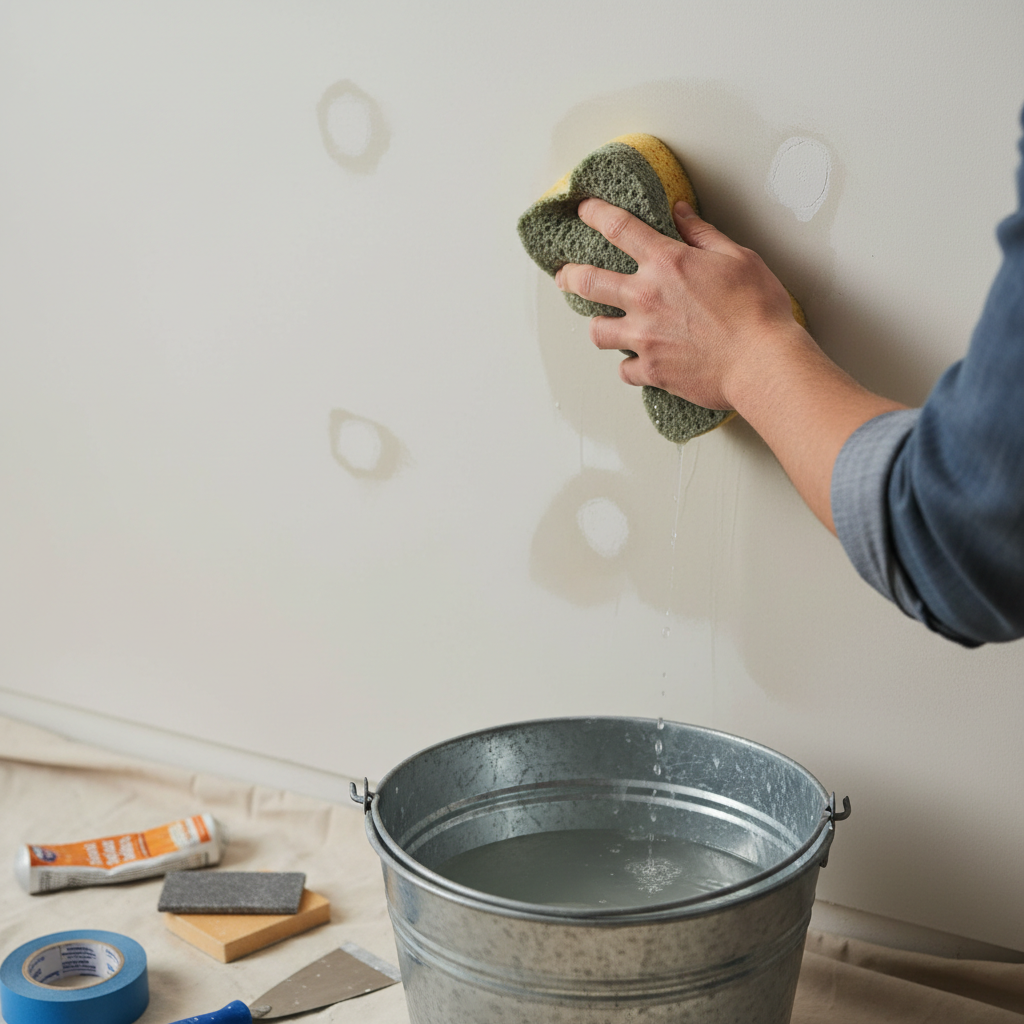
Tools & materials you'll need
Affiliate links- AmazonDrop cloths (canvas preferred)as needed
- AmazonPainter's tape (blue or green)1–2 rolls
- AmazonSponges or microfiber cloths2–3
- AmazonMild all-purpose cleaner or TSP substitute1 bottle
- AmazonSpackle or lightweight joint compound1 container
- AmazonSandpaper (120-150 grit and 180-220 grit)assorted pack
As an Amazon Associate FixlyGuide earns from qualifying purchases — at no extra cost to you. Prices and availability are accurate as of publication and subject to change.
Quick Answer
Before applying any paint, thorough wall preparation is essential to achieve a professional, long-lasting finish. This involves cleaning the surfaces to remove dirt and grease, repairing any holes or cracks, sanding to create a smooth and adherent base, and finally priming to ensure even color and improved durability. Skipping these steps often leads to visible imperfections and a prematurely deteriorating paint job.
The Problem
Many homeowners, eager to transform a room with a fresh coat of paint, rush straight to opening the paint can. However, this is one of the biggest — and costliest — mistakes you can make. Painting over dirty, damaged, or unprepared walls is like building a house on a shifting foundation. The new paint won't adhere properly, leading to a host of frustrating issues: peeling, chipping, uneven color, visible scratches or gouges, mildew growth, and even ghosting of old stains or marks. These flaws not only detract from the aesthetic appeal of your newly painted room but also significantly shorten the lifespan of your paint job, forcing you to repaint sooner than necessary. The problem isn't just cosmetic; it's a structural failure of the paint system, meaning all your effort and expense will have been wasted.
How It Works
Paint adhesion relies on a clean, stable surface for its polymers to grip. When you apply paint to a wall, the liquid components evaporate, leaving behind a solid film formed by these polymers. For this film to bond effectively and create a durable, uniform layer, the surface needs to be free of contaminants like dust, grease, and grime, which act as a barrier. Damage like holes or cracks creates uneven absorption and an irregular texture, making it impossible to achieve a smooth finish. Glossy surfaces, like old oil-based paint or semi-gloss, diminish mechanical adhesion because they lack a 'tooth' for the paint to grab onto.
Priming plays a critical role here. Primer is specially formulated to penetrate the surface and create a uniform, slightly textured base that promotes excellent adhesion for the topcoat. It also seals porous surfaces like new drywall or patched areas, preventing the topcoat from soaking in unevenly and creating a blotchy appearance. Additionally, primers can block stains from bleeding through the new paint, especially when going from a dark color to a light one or covering water damage. Without proper preparation, the paint 'sits' on the surface rather than bonding, making it vulnerable to chipping, peeling, and premature wear. The chemistry of paint requires a specific environment to perform its best, and surface preparation is about creating that ideal environment.
Step-by-Step Fix
1. Clear the Room and Protect Your Space — Don't skip this critical first step. An empty, protected room is easier and safer to work in.
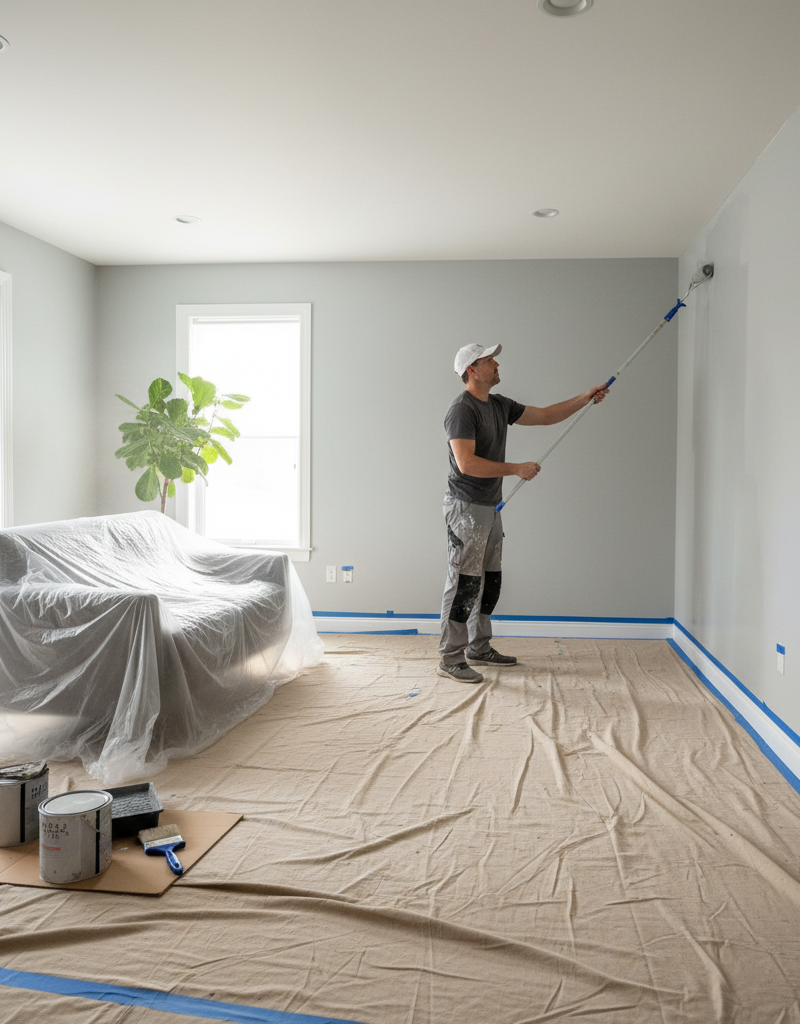
*   Remove all furniture, wall hangings, and decor. If large furniture cannot be removed, move it to the center of the room and cover it completely with plastic sheeting.
*   Cover floors with drop cloths, preferably canvas, as plastic can be slippery and doesn't absorb spills. Secure drop cloths with painter's tape along the baseboards.
*   Remove switch plates, outlet covers, and light fixtures. Store screws with their respective plates to avoid mix-ups. Turn off power to outlets and switches at the breaker box for safety when removing covers.
2. Deep Clean the Walls — Grime and residue are paint's worst enemies. A clean surface ensures proper adhesion.
*   **Safety Note:** Always wear rubber gloves and eye protection when cleaning with detergents.
*   For general dirt and dust, wipe walls down with a damp sponge and a mild all-purpose cleaner or a solution of warm water and a few drops of dish soap. For stubborn grease or smoke residue (common in kitchens), use a degreaser like TSP (Trisodium Phosphate) substitute, following product instructions carefully. TSP requires rinsing.
*   Work from the top down. Rinse walls thoroughly with clean water using a separate sponge to remove all cleaning solution residue. Allow walls to dry completely, which can take several hours depending on humidity.
3. Repair Holes and Cracks — Smooth walls are key to a professional finish. Imperfections will show through new paint.
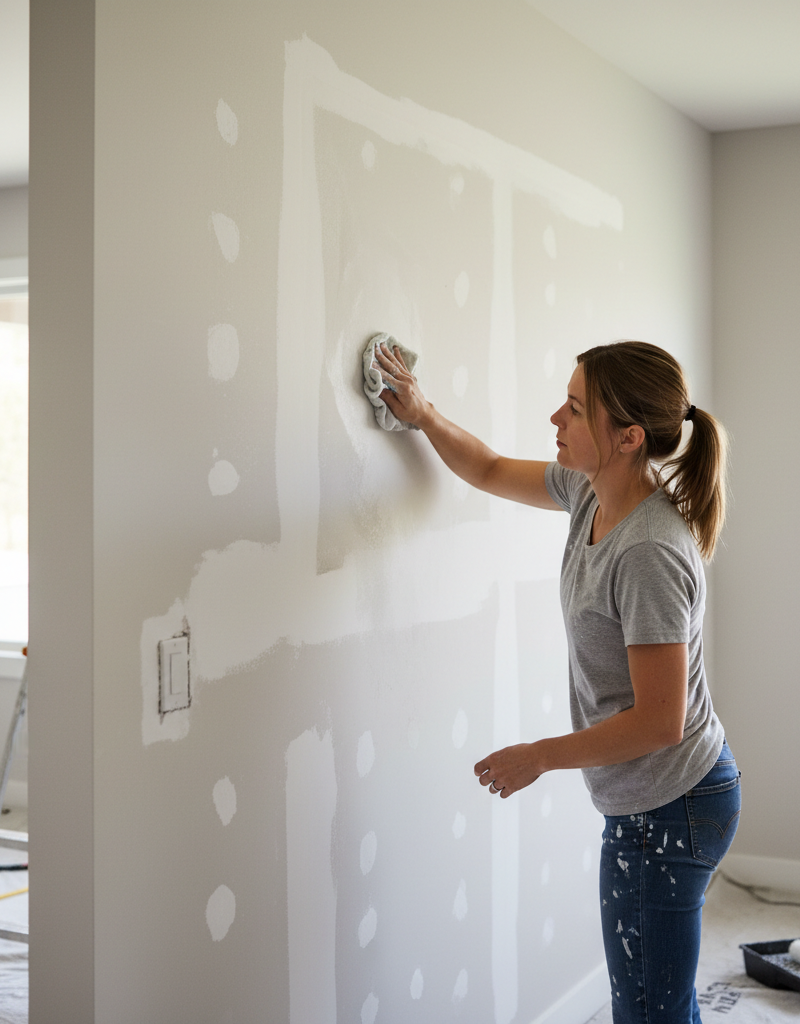
*   For nail holes and small dings (up to 1/2 inch), use spackle or lightweight joint compound. Apply a small amount with a putty knife, pressing it into the hole and scraping off excess flush with the wall surface.
*   For larger holes (e.g., from anchors) or cracks, you may need joint compound. Apply in thin layers, allowing each layer to dry completely before applying the next. For cracks, slightly widen them with a utility knife to allow the filler to penetrate better.
*   **If this doesn't work:** For very large holes (larger than a few inches), you might need a drywall patch kit. Cut a piece of drywall to fit the opening, secure it with furring strips or a repair patch, then tape and mud the seams.
4. Sand for Smoothness and Adhesion — Sanding creates a smooth surface and 'roughs up' glossy finishes, improving paint grip.
*   Once all repairs are completely dry, sand the patched areas smooth with 120-150 grit sandpaper. Use a sanding block for even pressure. Feather the edges of the patched areas into the surrounding wall to avoid bumps.
*   For glossy paint or very smooth surfaces, lightly sand the entire wall with 180-220 grit sandpaper to create a 'tooth' for the new paint. This is called 'scuff sanding.'
*   After sanding, wipe down the walls with a tack cloth or a damp microfiber cloth to remove all dust. Dust is a major enemy of adhesion.
5. Tape Off Trim, Ceilings, and Edges — Precision taping saves time and delivers crisp, professional lines.
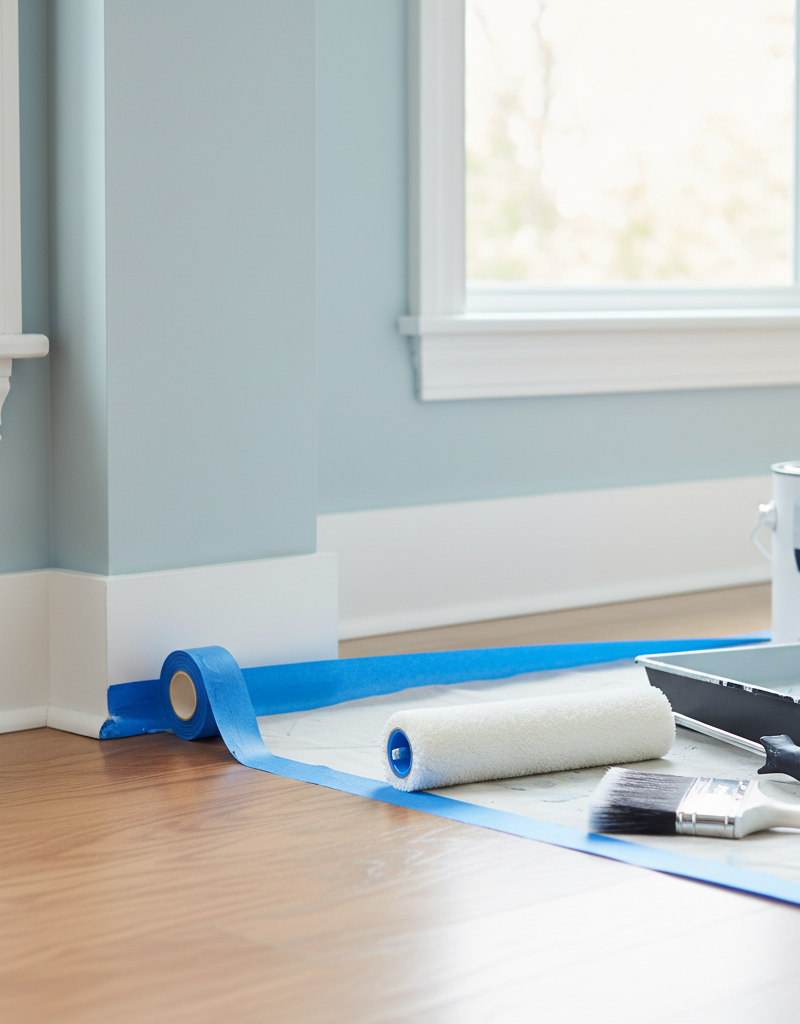
*   Using high-quality painter's tape (blue or green tape) with a sharp edge, carefully mask off baseboards, door and window frames, and the ceiling line. Press the tape firmly along its entire length to ensure a tight seal and prevent paint bleed.
*   Run your finger or a putty knife along the edge of the tape to secure it firmly and create a clean line.
6. Apply Primer — Primer is the secret weapon for excellent adhesion, even color, and stain blocking.
*   **Safety Note:** Ensure adequate ventilation when priming and painting. Open windows and use fans.
*   Choose the right primer: a water-based (latex) primer for new drywall or previously painted walls, and an oil-based or stain-blocking primer for covering dark colors, stains, or glossy oil-based paint. Follow product recommendations based on your topcoat.
*   Apply primer using a roller for large areas and a brush for edges and corners, just as you would apply paint. Ensure even coverage. One coat of primer is usually sufficient.
*   Allow the primer to dry completely according to the manufacturer's instructions. This is crucial for its sealing properties to fully activate.
7. Perform a Final Inspection — Catching overlooked issues now prevents disappointment after painting.
*   Once the primer is dry, walk around the room with good lighting. Look for any missed patches, uneven spots, or areas where dust might have settled.
*   Touch up any imperfections by lightly sanding (if needed) and re-priming the small area. Ensure the surface is perfectly clean before moving to painting.
Common Causes
- Visible Imperfections (bumps, dips, cracks): Directly caused by not repairing wall damage with spackle or joint compound, or by not sanding patches smooth before painting. Old paint layers can also show through if not properly prepped.
- Peeling or Chipping Paint: Often due to painting over dirty, greasy, or overly glossy surfaces without adequate cleaning or sanding, preventing proper adhesion. Also, failure to use primer on porous surfaces or when switching paint types (e.g., from oil to latex) can lead to this.
- Uneven Color or Blotchy Finish: Primarily caused by not priming new drywall, patched areas, or going from a very dark to a very light color without a tinted primer. Porous surfaces absorb paint unevenly, leading to inconsistent sheen and color.
- Mildew or Mold Returning: Painting over existing mildew without properly cleaning and treating the area. Paint itself does not stop mold growth; the surface must be disinfected first.
- Poor Adhesion Around Trim/Edges: Caused by failing to ensure the painter's tape is firmly pressed down, allowing paint to bleed underneath. Dirty or dusty trim can also prevent tape from adhering properly.
Common Mistakes
- Skipping the Cleaning Step: Many homeowners believe a wall looks clean, but invisible dust, grease, and grime are present. Painting over these contaminants guarantees poor adhesion and a shorter-lived paint job. Always wash walls thoroughly, especially in kitchens and bathrooms.
- Not Sanding Patches (or Glossy Surfaces): Leaving patched areas unsanded results in bumps and visible imperfections under the new paint. Failing to scuff-sand glossy surfaces (like semi-gloss trim or oil paint) prevents the new paint from truly gripping, leading to peeling.
- Ignoring Small Holes and Cracks: Even tiny imperfections cast shadows and become glaringly obvious once painted. It's much easier to fill and sand these before painting than to try to fix them afterwards.
- Not Using Primer (Especially on New Drywall or Patches): Primer creates a uniform, adhesive surface. Without it, new drywall sucks up paint unevenly, leading to blotchy colors and more coats of paint needed. Patches will flash through the topcoat without a primer seal.
- Using the Wrong Painter's Tape (or Applying It Incorrectly): Cheap tape or improperly applied tape will allow paint to bleed underneath, creating messy lines. Always use good quality painter's tape and press it down firmly with a putty knife or fingernail along the edge.
- Painting Before Walls Are Completely Dry: Applying new paint to damp walls, even slightly, can trap moisture, leading to bubbling, mildew growth, and poor adhesion over time. Always allow ample drying time after cleaning or priming.
Cost & Time Breakdown
| Task | DIY Cost | Pro Cost | Time |
|---|---|---|---|
| Cleaning Supplies | $10–$25 | Included in labor | 30–60 min |
| Patching Materials (Spackle) | $5–$15 | Included in labor | 30–60 min (drying) |
| Sandpaper & Block | $5–$10 | Included in labor | 20–40 min |
| Painter's Tape | $10–$30 | Included in labor | 30–60 min |
| Primer (1 gal) | $20–$50 | Included in labor | 1–2 hours (drying) |
| Total (DIY Materials) | $50–$130 | $50–$250 (per room for prep only) | 3–6 hours active |
Tips & Prevention
- Inspect Annually: Regularly check walls for small dings, scuffs, or moisture stains, especially in high-traffic areas or near windows. Addressing minor issues quickly prevents them from worsening.
- Clean Gently: For routine wall cleaning between paint jobs, use a soft cloth and mild soap. Avoid abrasive cleaners or scrub brushes that can damage your paint or drywall surface.
- Use Quality Materials: Invest in good quality spackle, sandpaper, and painter's tape. The small extra cost pays dividends in a smoother process and a superior finish.
Related Articles
Keep troubleshooting with these hand-picked guides from FixlyGuide:
- The 7 Critical Mistakes Almost Everyone Makes When Painting a Room — Unlock the secrets to a flawless, professional-looking paint job by avoiding common pitfalls and mastering essential techniques for perfect…
- The 7 Mistakes That Ruin a Perfect Paint Job (and How to Fix Them) — Painting a room like a pro isn't just about technique—it's about avoiding common pitfalls that lead to streaks, drips, and uneven finishes.…
- The #1 Mistake Homeowners Make Installing Floating Shelves (and How to Fix It) — Discover the most common error DIYers make when mounting floating shelves into drywall and how to ensure your shelves are sturdy and secure.
- That 'Wet Edge' Trick: Paint a Room in a Single Day — Tired of paint jobs that drag on all weekend? The secret to a flawless, fast finish isn't working harder—it's using the pro 'wet edge' syst…
- The Secret to a Flawless Drywall Patch Is In the Paper — Frustrated by drywall patches that always show through? That telltale bump or sanding mark can ruin a perfect wall. Discover the 'Californi…
- The 3 Hidden Mistakes That Make Your Deck Sealer Fail (And How to Fix Them) — Resealing your wood deck protects it from weather and extends its life. Learn how to avoid common mistakes for a long-lasting finish and vi…
Frequently asked questions
Why is wall prep so important for painting?+
Wall preparation is essential because it creates a clean, smooth, and uniform surface for the paint to adhere to. Skipping prep can lead to issues like peeling, chipping, uneven color, and visible imperfections, significantly shortening the lifespan and quality of your paint job.
Do I need to wash walls before painting if they look clean?+
Yes, always. Even walls that appear clean can have invisible layers of dust, grime, and oils from cooking or everyday living. Painting over these contaminants prevents proper adhesion and can lead to flaws in the finished coat.
What's the best way to fill small holes in walls?+
For small nail holes and minor dings, lightweight spackle applied with a putty knife works perfectly. Press it firmly into the hole and smooth the excess flush with the wall. For larger holes or cracks, use joint compound applied in thin layers.
Is priming always necessary before painting?+
While not always strictly 'necessary' for every single situation, priming is highly recommended, especially on new drywall, patched areas, or when making a significant color change (dark to light). Primer ensures better adhesion, seals porous surfaces for even paint absorption, and blocks stains, leading to a more professional and durable finish.
Discussion
Loading comments…