Tools & materials you'll need
Affiliate links- AmazonCalcium chloride ice melt5–10 lbs
- AmazonOld nylon stockings or pantyhose2–3 pairs
- AmazonSilicone or acrylic latex caulk
- AmazonExpanding foam sealantLow-expansion formula recommended for gaps
- AmazonPlywood sheets or planksFor safe walking in attic
- AmazonInsulation (blown-in or batts)Appropriate R-value for your climate
As an Amazon Associate FixlyGuide earns from qualifying purchases — at no extra cost to you. Prices and availability are accurate as of publication and subject to change.
Quick Answer
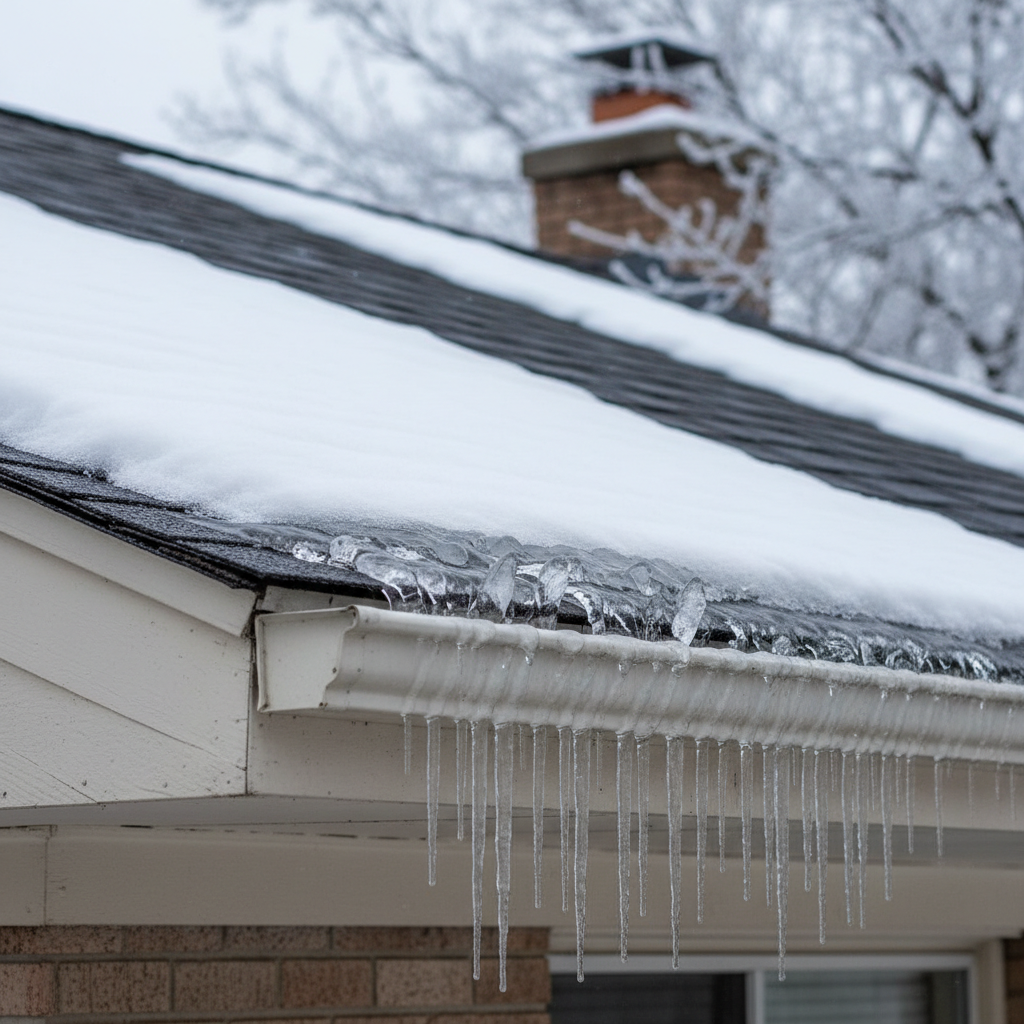
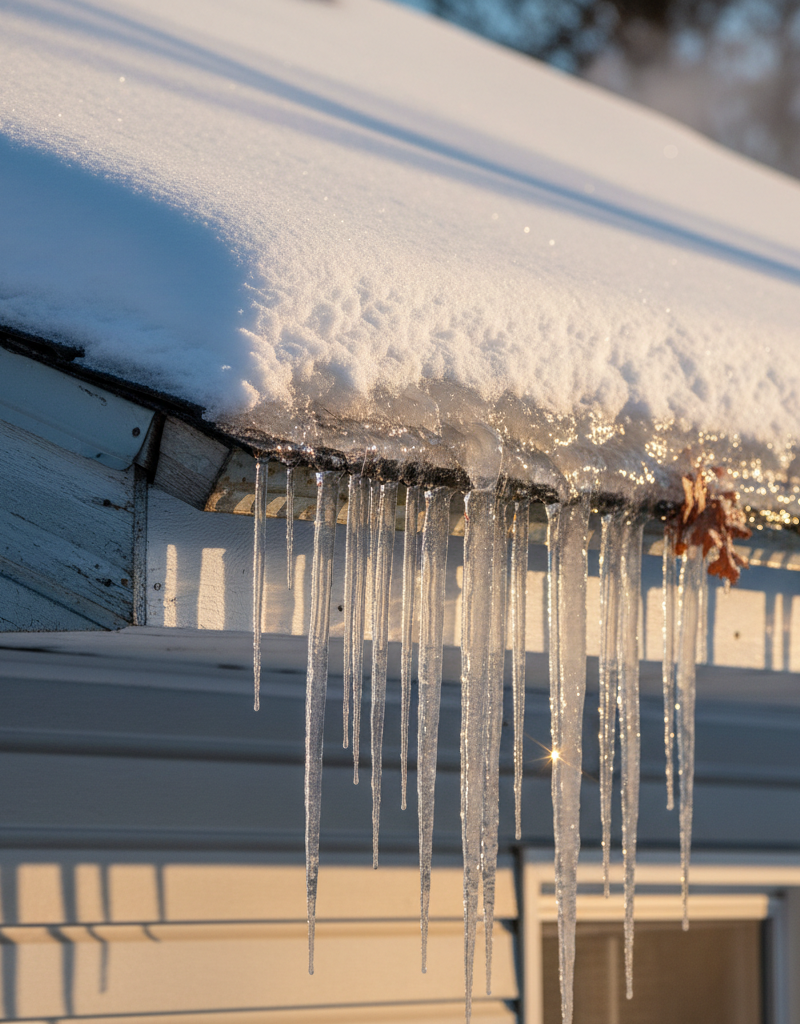
Ice dams are a common winter nuisance that can cause significant damage to your roof, gutters, and even the interior of your home. They form when heat from your attic melts snow on the upper parts of your roof. This water then runs down to the colder roof edges, often over the unheated overhangs, and refreezes, creating a ridge of ice. The key to safe removal and long-term prevention lies in understanding this cycle and addressing the root causes: proper attic insulation and ventilation.
The Problem
Many homeowners view ice dams as an inevitable part of winter, but they are actually a symptom of a deeper issue: heat loss from your home's conditioned space into the attic, and inadequate attic ventilation. When the attic gets warm, it heats the roof deck above it. This warmth melts snow on the main part of the roof, even if the outdoor temperature is below freezing. As this melted water flows down the roof, it reaches the overhangs and eaves, which are typically colder because they extend beyond the heated portion of the house and lack direct heat transfer. Here, the water refreezes, forming a barrier of ice—the ice dam. This dam traps more meltwater behind it, which can then back up under your shingles, seep into your attic, walls, and ceilings, leading to water stains, rot, and mold.
How It Works
To really understand ice dams, think about the delicate balance between your home's heat, your attic's temperature, and the outside air. Your home is designed to keep heat inside. However, if your attic isn't properly insulated or sealed, that warmth escapes into the attic space. Studies show that a significant amount of heat can be lost through an uninsulated attic floor, especially around recessed lights, unsealed top plates, and poorly fitted attic hatches. This warm air then rises and heats the underside of your roof sheathing.
When the roof deck is warmer than 32°F (0°C)—even if the ambient air is well below freezing—it melts the snow directly above it. This liquid water, obeying gravity, flows downhill. As it reaches the eaves, which are often cooler because they extend beyond the main heated structure of the house, the water temperature drops below freezing. This refreezing creates a blockade of ice. As more snow melts and flows down, it pools behind this initial dam, creating hydrostatic pressure. This standing water, rather than shedding off the roof, eventually finds its way under the shingles, through cracks in the roof sheathing, and into your attic. This process is exacerbated by heavy snowfall, which acts as an insulating blanket, trapping even more heat on the roof surface.
Step-by-Step Fix
Remember, proactive prevention through proper insulation and ventilation is key. However, if you already have ice dams, here’s how to address them safely. Never use a pickaxe, chisel, or power washer on your roof, as this can severely damage shingles and potentially lead to injury.
-
Safety First – Assess the Situation – Before you even think about getting on a ladder or roof, assess the size and height of the ice dam. For significant dams or high roofs, consider calling a professional. Ensure a spotter is present if you are using a ladder or working on the roof. Always wear appropriate winter gear, non-slip footwear, and use fall protection if on a steep roof.
- If the dam is large or high: Do not attempt DIY removal. Call a licensed roofing contractor experienced in ice dam removal. Your safety is paramount.
-
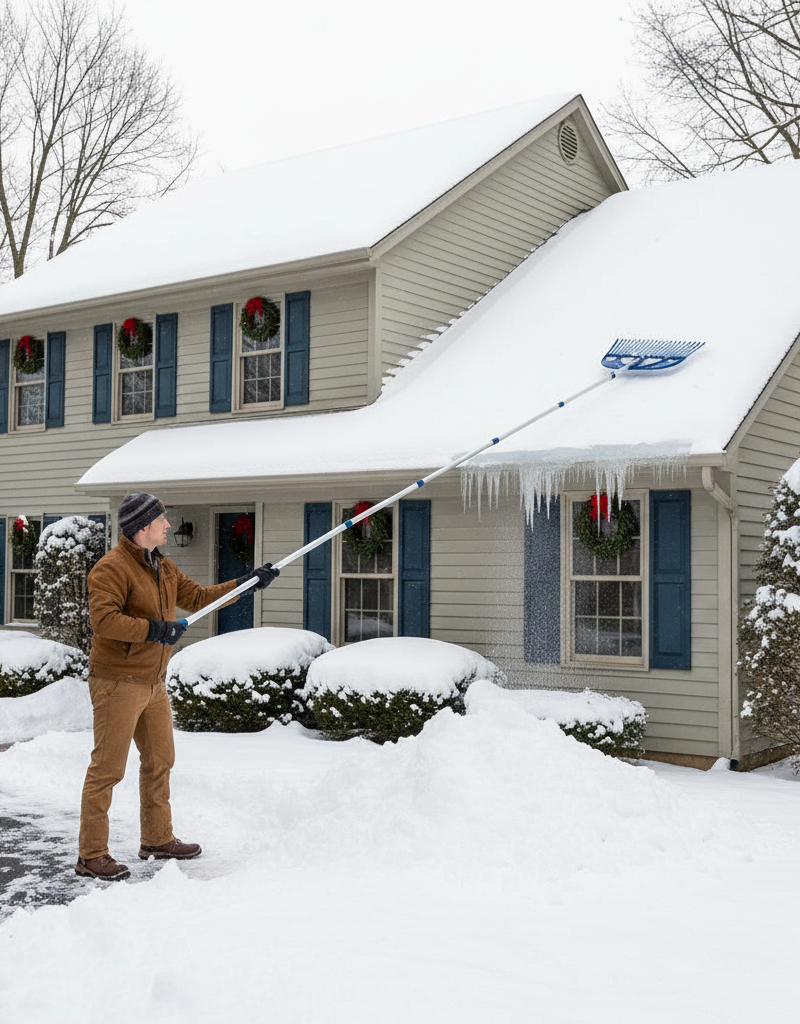
Clear Snow from the Eaves – The first step is to remove the source of the meltwater. Carefully use a roof rake to pull snow off the lower 3-5 feet of your roof, especially over the overhangs and gutters. This exposes the ice dam and prevents more water from feeding it.
- Tools: Lightweight aluminum roof rake with an extendable pole.
- Safety: Work from the ground. Be mindful of falling snow and ice. Keep pets and children away from the work area.
-
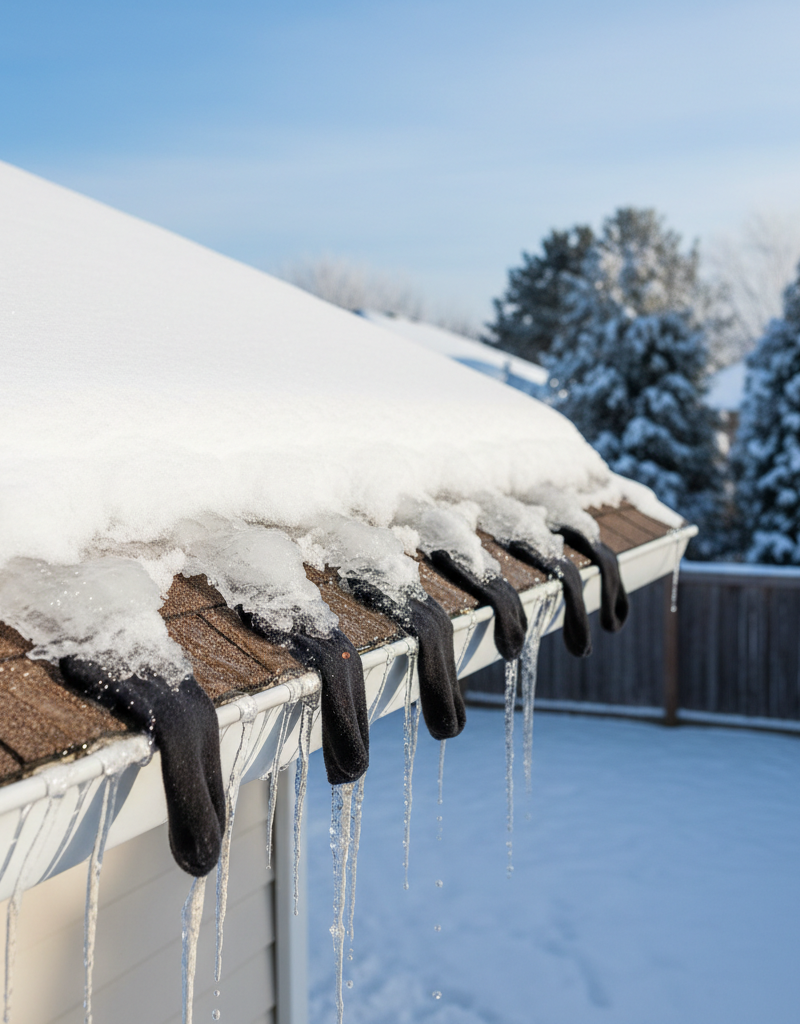
Create a Melt Channel with Calcium Chloride – For smaller, manageable ice dams, calcium chloride can create channels for trapped water to escape. Fill old nylon stockings or pantyhose with calcium chloride ice melt. Tie the ends securely.
- Materials: Calcium chloride ice melt (avoid rock salt/sodium chloride, which can damage roofs and plants), old pantyhose/stockings.
- Process: Place the filled stockings perpendicular to the ice dam, spanning the width of the dam. The calcium chloride will slowly melt through the ice, creating a path for water.
- Warning: Do not use rock salt (sodium chloride) or de-icers containing urea. These can damage roof shingles, gutters, and surrounding vegetation. Calcium chloride is generally safer but still use sparingly.
-
Consider Steam or Hot Water (Pro Only) – While tempting, applying hot water directly can create new ice or be ineffective. Professional services sometimes use specialized steam equipment to melt channels or remove dams without damaging the roof. This is NOT a DIY method due to equipment cost, safety risks, and potential for further damage.
-
Address the Meltwater on the Ground – As snow and ice melt, direct the runoff away from your foundation. Ensure downspouts are clear and extend at least 5-10 feet away from your home.
- If downspouts are frozen: Gently apply warm water (not boiling) to thaw them. Never use sharp objects.
-
Seal Attic Air Leaks – This is a crucial long-term prevention step. Inspect your attic for any openings that allow warm, conditioned air from your living space to enter the attic. These often include gaps around plumbing stacks, electrical wires, recessed light fixtures (especially older, non-IC rated types), attic hatches, and chimney chases. Use caulk for small gaps and expanding foam for larger ones.
- Tools: Caulk gun, caulk (silicone or acrylic latex with silicone), expanding foam sealant, utility knife.
- Process: Carefully remove existing insulation around potential leak points, seal the gaps, and then replace the insulation.
- Safety: Wear a dust mask, gloves, and eye protection when working with insulation and sealants. Ensure the attic is well-ventilated.
-
Increase Attic Insulation – Once air leaks are sealed, ensure your attic has sufficient insulation to meet current R-value recommendations for your climate zone (e.g., R-38 to R-60 in colder climates). This creates a thermal barrier, keeping heat in your living space and out of your attic.
- Materials: Blown-in cellulose or fiberglass insulation, batt insulation.
- Tip: Aim for consistent coverage and don't compress insulation, as this reduces its R-value.
-
Improve Attic Ventilation – A well-ventilated attic allows cold outside air to enter through soffit vents (at the eaves) and exit through ridge or gable vents (at the peak), creating a continuous airflow. This keeps the attic temperature closer to the outdoor temperature, preventing heat buildup and subsequent snowmelt.
- Check: Ensure soffit vents are not blocked by insulation. Install or clear channels called
Related Articles
Keep troubleshooting with these hand-picked guides from FixlyGuide:
- The $30 Secret to Banishing Ice Dams From Your Roof (Before They Destroy It) — Learn safe and effective methods to remove ice dams from your roof and prevent costly damage to your home's structure and interior.
- The $30 Secret to Banishing Ice Dams Without Damaging Your Roof — Discover how a simple, inexpensive trick can safely eliminate dangerous ice dams from your roof and prevent costly damage to your home.
- The #1 Mistake Homeowners Make with Ice Dams (and How to Fix It SAFELY) — Most homeowners approach ice dam removal incorrectly, creating more damage or safety risks. Learn the right, safe methods to protect your r…
- The $20 Trick That Melts Ice Dams (and Saves Your Roof) — Discover a surprisingly simple, budget-friendly method to safely remove ice dams and prevent costly roof damage to your home.
- The 4 Hidden Reasons Your Entire Home Has Low Water Pressure (And the Easy Fixes) — Low water pressure throughout your entire home can be a frustrating and often misunderstood problem, with several common culprits. Learn to…
- The 3 Hidden Reasons Your Pipes Freeze (and How to Thaw Them Fast) — Discover the real culprits behind frozen pipes and learn safe, effective methods to thaw them quickly, preventing costly damage to your hom…
Get the print-ready PDF of this guide
A clean, ad-free, printable version you can keep on your phone or pin to the workshop wall. We'll also send occasional weekly tips matched to your home situation.
- Print-optimized layout
- Tools, materials & every step included
- Unsubscribe anytime
Frequently asked questions
What causes ice dams to form on a roof?+
Ice dams form due to a combination of heat loss from your home into the attic, and inadequate attic ventilation. This warms the roof deck, melting snow. The water then refreezes at the colder eaves, creating a dam.
Is it safe to chip away at ice dams?+
No, it is generally unsafe and highly destructive to chip away at ice dams with tools like hammers or chisels. This can damage your roof shingles, gutters, and could lead to serious injury. Use safer methods like calcium chloride sock melting or professional steaming.
Can ice dams damage my roof?+
Yes, ice dams can cause significant damage. The trapped water can back up under shingles, leading to water leaks in your attic, ceilings, and walls. This can result in damaged insulation, rot, mold growth, and compromised structural integrity.
How can I prevent ice dams from forming?+
The most effective way to prevent ice dams permanently is to improve your attic's insulation to reduce heat loss and enhance ventilation to keep the attic space cold. Sealing air leaks from your living space into the attic is also crucial.
Discussion
Loading comments…