Tools & materials you'll need
Affiliate linksAs an Amazon Associate FixlyGuide earns from qualifying purchases — at no extra cost to you. Prices and availability are accurate as of publication and subject to change.
Quick Answer
A slow-draining kitchen sink isn't just annoying; it's a sign that something is impeding the flow of water. While many homeowners immediately suspect a simple clog, the true culprit can often be less obvious. The most common reasons include an accumulation of grease and food particles in the P-trap or further down the drainpipe, a partially obstructed or malfunctioning garbage disposal, or even a problem with the sink's air vent. Addressing these issues often involves basic drain cleaning techniques, inspecting the garbage disposal, or clearing the vent.
The Problem
You pour water into your kitchen sink, and instead of swiftly disappearing, it swirls sluggishly, taking its sweet time to drain away. Perhaps it eventually clears, but the delay is noticeable, sometimes leaving a thin film of residue. This isn't just an inconvenience; it can lead to foul odors, potential overflows if ignored, and a general disruption to your kitchen routine. A slow drain can quickly escalate into a complete blockage, making it crucial to diagnose and address the issue before it worsens. The frustration of standing water, coupled with the uncertainty of the cause, makes this a common and vexing homeowner problem.
How It Works
To understand why your kitchen sink is draining slowly, it helps to know how the drain system normally functions. When you open your faucet, water flows from the spout, down into the sink basin, and through the drain opening. Directly beneath the sink, the drain pipe typically features a P-trap, a U-shaped section of pipe designed to hold a small amount of water. This water barrier prevents sewer gases from entering your home. After the P-trap, the drainpipe connects to a branch drain, which then leads to the main household drain line. For proper drainage to occur, air must be able to enter the drain system behind the flowing water. This is achieved through a vent pipe, which extends from the drain line up through the roof. When water flows down the drain, it creates negative pressure. The vent pipe allows atmospheric pressure to equalize this negative pressure, preventing a vacuum from forming that would otherwise slow or stop the flow of water, or even siphon water out of the P-trap. If any part of this system – the P-trap, the branch drain, the garbage disposal, or the vent – becomes obstructed or malfunctions, the delicate balance is disrupted, resulting in a slow drain.
Pressure plays a critical role here. Think of pouring water from a bottle; if you don't allow air to enter, the water gurgles and flows slowly. A properly vented drain functions similarly, allowing air in to push the water efficiently through the pipes. The absence of adequate air, or the presence of a physical obstruction like grease or food particles, creates resistance. In a garbage disposal, food waste is ground into tiny particles and flushed away. However, if the disposal blades are dull, or if too much fibrous material (like celery or potato skins) is introduced, it can compact and reduce flow, or even create a partial blockage within the disposal unit itself or the short drain hose connecting it to the P-trap. Over time, fats, oils, and grease (FOG) congeal and adhere to the interior walls of drainpipes, especially in kitchen sinks, gradually reducing the pipe's effective diameter and impeding water flow.
Step-by-Step Fix
1. Clear the Garbage Disposal — *Sometimes the simplest solution is right under your nose.
- If your sink has a garbage disposal, it's often the first place to check. Turn off the disposal's power at the switch or breaker. Visually inspect the drain opening for any obvious obstructions. Use a flashlight to peer down. If you see anything, try to remove it with pliers or tongs. Never put your hand into the disposal. If the disposal hums but doesn't spin, there might be a jam. Locate the reset button (usually red) on the bottom of the disposal unit and press it firmly. Then, insert a 1/4-inch hex wrench into the center hole on the bottom of the disposal and manually turn it back and forth several times to free the impellers. Once clear, turn the power back on and run cold water while pushing the reset button if it tripped again. Test drainage.
2. Plunge the Drain — *A good old-fashioned plunger can often dislodge common clogs.
- Remove the sink stopper or disposal cover. Ensure there is enough water in the sink to cover the flange of the plunger cup. If you have a double-basin sink, seal the other drain opening tightly with a wet rag or a separate stopper to create a good seal. Place a cup-style plunger firmly over the drain opening, ensuring a tight seal. Plunge vigorously for 15-20 seconds with up-and-down motions, maintaining the seal. Pull the plunger off quickly to check if the water drains faster. Repeat several times if necessary. Always use a sink plunger, not a toilet plunger, for kitchen sinks.
3. Clean the P-Trap — *Grease and food particles love to accumulate here.
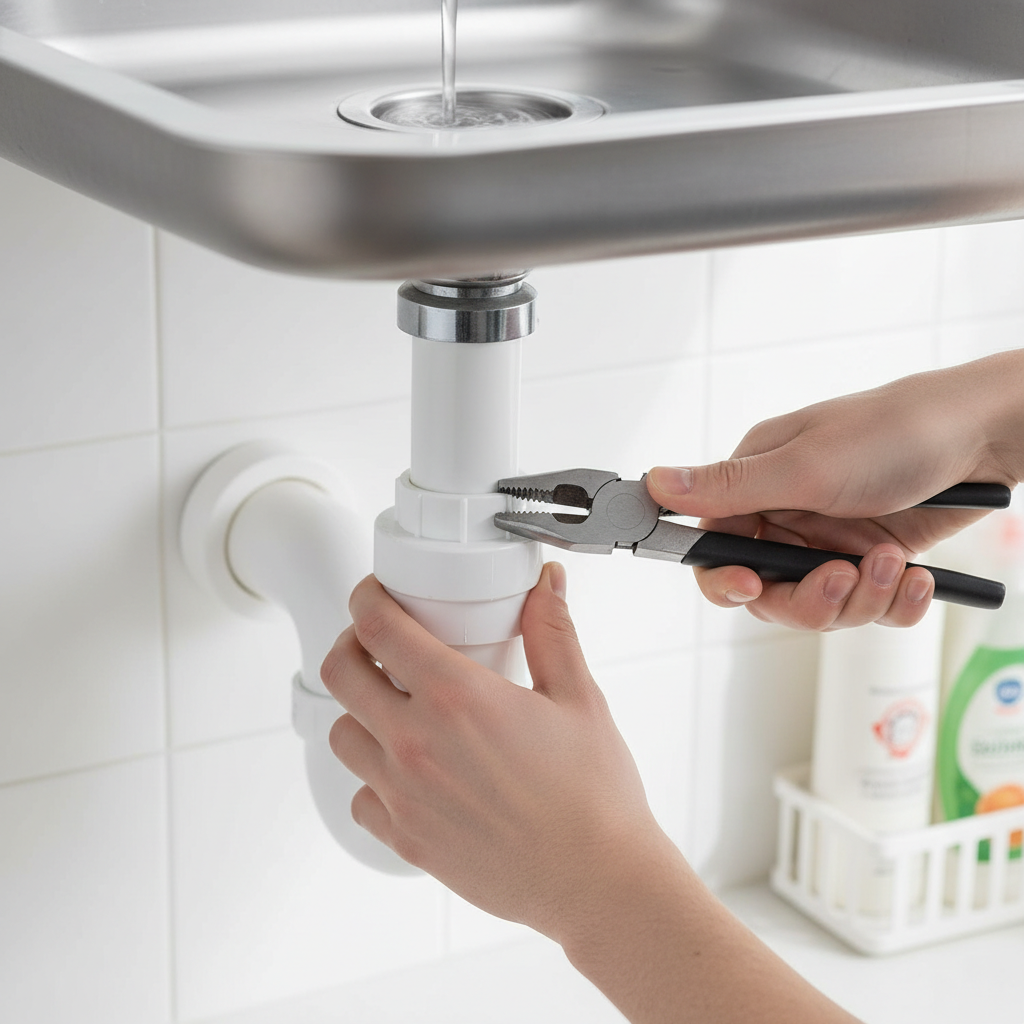
- Place a bucket or an old baking pan directly underneath the P-trap to catch any water or debris. Using channel-lock pliers or a basin wrench, carefully loosen the slip nuts on both ends of the P-trap. You might need to hold the trap securely with one hand while loosening with the other. Once the nuts are loose, gently remove the P-trap. Empty its contents into the bucket. Use a bottle brush or a stiff wire brush to thoroughly clean the inside of the P-trap, removing any accumulated grease, hair, and food particles. Inspect the drainpipe sections connecting to the P-trap as well. Reassemble the P-trap, ensuring the slip nuts are hand-tightened, then give them a final quarter-turn with the pliers, being careful not to overtighten and crack plastic pipes. Run water to check for leaks.
4. Snake the Drain — *For clogs beyond the P-trap, a drain snake is your next tool.
- With the P-trap removed, insert the head of a handheld drain auger (snake) into the open drainpipe leading into the wall. Push the cable in until you feel resistance. Lock the thumbscrew on the snake to secure the cable, then turn the handle clockwise while pushing forward. This motion helps the snake's tip break through or hook onto the clog. If you feel the clog give way, continue rotating and pushing a little further. When pulling the snake back out, wear gloves and have a bucket ready, as it will likely bring out foul-smelling debris. Repeat the process if necessary. Flush the drain with hot water for several minutes after clearing.
5. Assess the Vent Pipe — *Sometimes the issue isn't in what's blocking, but in what's venting.
- If the problem persists and you hear gurgling noises from the drain or other fixtures when water runs, the issue might be a clogged vent pipe. This is typically an external job. Safety Note: Working on a roof can be dangerous. Only attempt this if you are comfortable and have a stable ladder and proper safety gear. Locate the vent stack on your roof, usually a PVC or cast-iron pipe extending vertically. Shine a flashlight down the pipe to check for obvious obstructions like bird nests, leaves, or even dead animals. Use a garden hose with good water pressure to flush water down the vent. If the water backs up, the vent is clogged. A plumber's snake can be cautiously used to clear the vent from the roof, but this is more complex and often better left to a professional due to safety and potential damage.
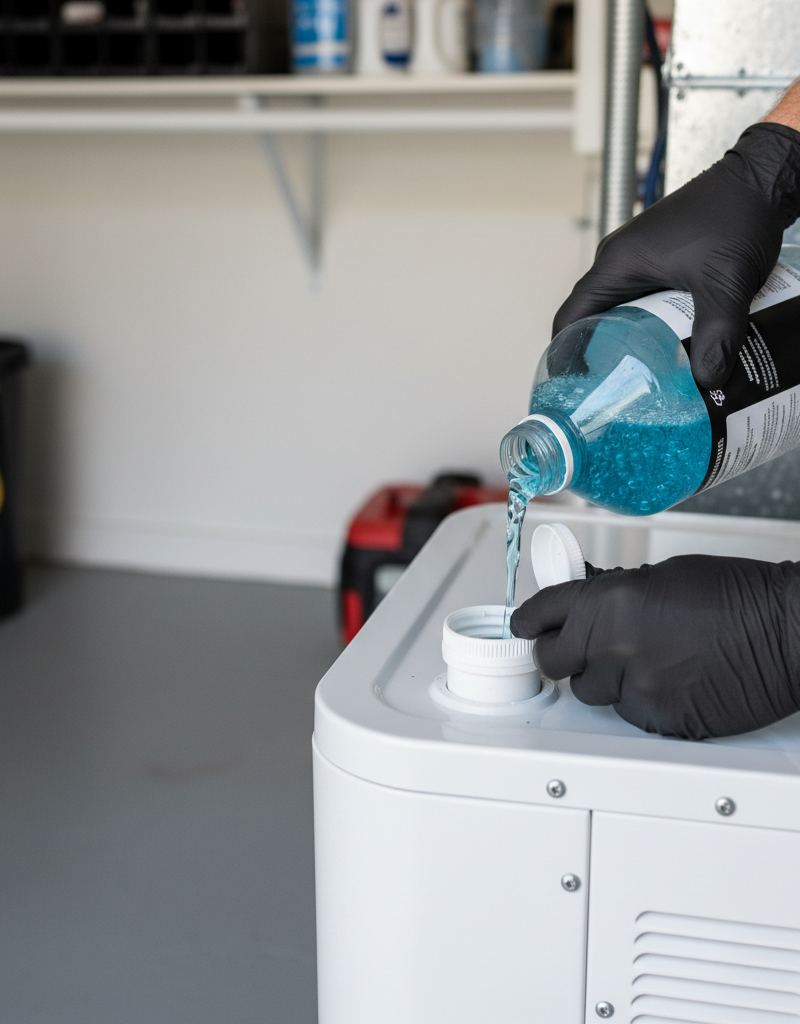
6. Consider Enzyme Cleaners (as a preventive measure) — For ongoing grease buildup, enzymes can help. While not a quick fix for an active clog, enzyme-based drain cleaners can help break down grease and organic matter over time. Follow product instructions carefully. They work by introducing beneficial bacteria that digest organic material. Use them regularly, perhaps monthly, as a preventive measure for kitchen sinks prone to grease buildup. Avoid chemical drain cleaners, as they can be corrosive, damaging pipes, and dangerous to handle, especially if they don't clear the clog and a plumber needs to open the line.
Common Causes
- Grease and Food Particle Buildup: The primary culprit. Fats, oils, and grease (FOG) solidify when cooled and adhere to pipe walls, trapping food scraps and other debris, gradually narrowing the drain. This process is exacerbated by pouring hot grease down the drain, as it cools and solidifies further along the pipe.
- Garbage Disposal Malfunction/Overload: An overpacked or jammed disposal unit cannot effectively shred food waste, leading to a backlog of material that either sits in the disposal or slowly makes its way into the P-trap, impeding flow. Worn-out impellers also contribute.
- Soap Scum and Detergent Residue: While less common in kitchen sinks than bathrooms, dish soap and detergents can leave a sticky residue that contributes to the buildup of other debris.
- Vent Pipe Obstruction: If the vent pipe is blocked by leaves, debris, or a critter's nest, the drain system cannot equalize air pressure, creating a vacuum that significantly slows drainage and often causes gurgling sounds.
- Improper Pipe Slope or Installation: Less common but possible, if drainpipes were installed without adequate slope, water will not flow efficiently by gravity, leading to chronic slow drainage. This is usually seen in new installations or renovations.
- Tree Root Intrusion (Main Line): While less likely to affect just a single kitchen sink, if the slow drainage is accompanied by issues in other areas of the house (e.g., toilets, showers), tree roots may have intruded into the main sewer line, creating a significant obstruction.
Common Mistakes
- Using Chemical Drain Cleaners Regularly: Chemical drain cleaners often contain harsh acids or lye that can corrode pipes, especially older ones, and are extremely dangerous if they splash on skin or eyes. They rarely solve the root cause of the clog and can make a plumber's job more hazardous. Opt for mechanical methods or enzyme cleaners instead.
- Ignoring the Problem: A slow drain is a warning sign. Ignoring it allows the clog to grow and harden, making it much more difficult and costly to clear later. Early intervention with simple methods can save significant hassle.
- Pouring Grease Down the Drain: This is perhaps the biggest mistake contributing to kitchen drain clogs. Always collect grease in an old can or jar and dispose of it in the trash once cooled and solidified. Even supposedly
Related Articles
Keep troubleshooting with these hand-picked guides from FixlyGuide:
- The Secret Culprit Behind Your Kitchen Sprayer’s Drab Drizzle (It’s Not Clogging!) — Don't replace that kitchen sink sprayer head just yet! Low pressure often stems from a few hidden, easily fixable issues within your faucet…
- The Secret Culprit Behind Your Leaky Chimney (It's Not Always the Obvious Fix) — Discover the often-overlooked causes of a leaky chimney during rain and learn how to diagnose and fix these common problems yourself.
- The Nasty Truth About Your Smelly Bathroom Sink: It's Not Always the Drain — Uncover the surprising culprits behind your stinky bathroom sink and learn how to banish those foul odors with simple, effective troublesho…
- The Secret Culprit Behind Your Leaky Refrigerator (It’s Not Always the Water Line) — Discover the most common, often overlooked, reasons your refrigerator is leaking water and how to fix them with simple DIY steps.
- The Secret Culprit Behind Your Leaking Refrigerator (It’s Not Always a Big Fix) — Discover the most common and often overlooked reasons why your refrigerator is leaking water on the floor, and how to fix them yourself.
- The 3 Hidden Reasons Your Gas Burner Won't Light (Beyond a Clog) — Before you call a technician, discover the most common culprits behind a gas stove burner that refuses to ignite and learn how to fix them…
Frequently asked questions
Why is my kitchen sink draining slowly but not completely clogged?+
A slow drain often indicates a partial obstruction, commonly grease and food debris building up in the P-trap or drainpipe, or a partially jammed garbage disposal. It could also be a subtle issue with your drain's vent pipe, preventing proper airflow.
Can a clogged vent pipe cause a slow draining kitchen sink?+
Yes, absolutely. A clogged vent pipe is a common, often overlooked, cause of slow drains and gurgling noises. Without proper venting, air pressure cannot equalize as water drains, creating a vacuum that impedes flow.
How often should I clean my kitchen sink drain to prevent slow drainage?+
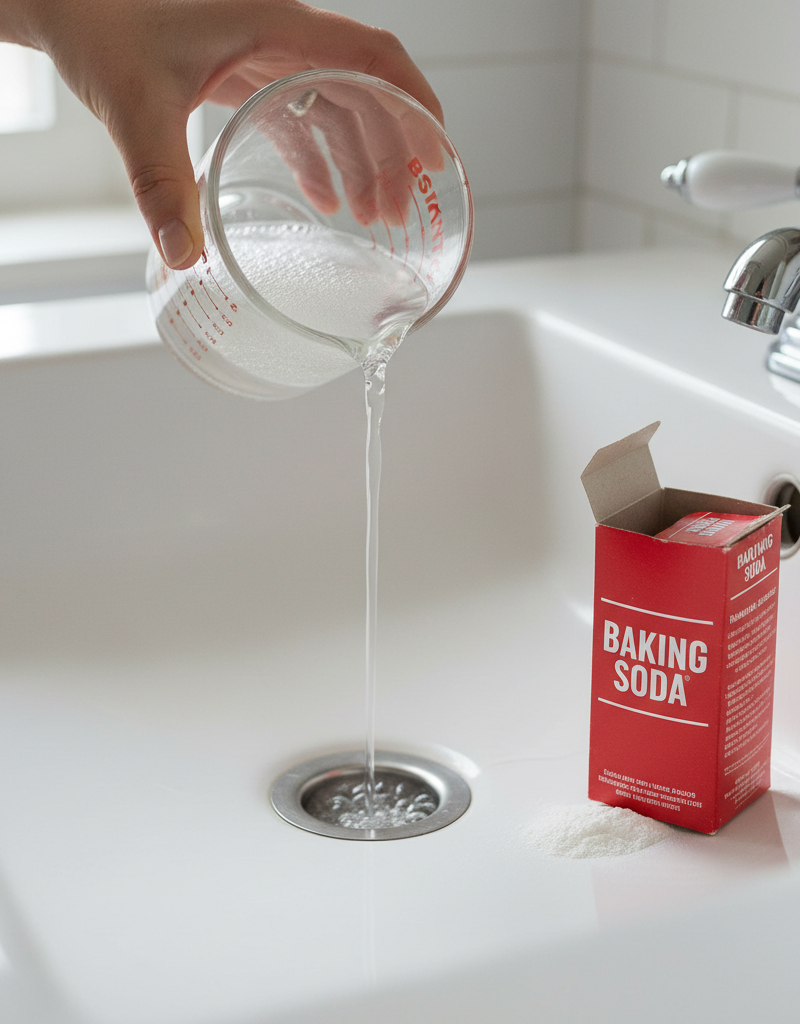
For prevention, a monthly flush with hot water and baking soda/vinegar, or a weekly use of an enzyme drain cleaner, can significantly reduce grease buildup. Cleaning the P-trap every 6-12 months, or as needed, is also a good practice, especially if you cook frequently.
Are chemical drain cleaners safe for a slow kitchen sink?+
It is strongly advised to avoid chemical drain cleaners. They can damage pipes, especially older ones, and pose significant safety risks. Mechanical methods like plunging or snaking, or biological enzyme cleaners, are safer and often more effective long-term solutions for kitchen sinks.
Discussion
Loading comments…