Tools & materials you'll need
Affiliate linksAs an Amazon Associate FixlyGuide earns from qualifying purchases — at no extra cost to you. Prices and availability are accurate as of publication and subject to change.
Quick Answer
Many common washing machine issues, from moldy smells to premature breakdowns, stem from preventable mistakes like using too much detergent, overloading, or neglecting routine cleaning. By adjusting your habits and performing simple monthly maintenance, you can significantly prolong your appliance's lifespan and avoid expensive professional interventions.
The Problem
You rely on your washing machine almost daily, but are you unknowingly shortening its life and inviting costly repairs? A surprising number of common washing machine problems—leaks, strange noises, moldy smells, and clothes that aren't truly clean—aren't manufacturing defects or signs of old age. Instead, they're often the direct result of preventable habits. These mistakes can lead to premature wear and tear on crucial components, excessive energy consumption, and even water damage to your home. Understanding these pitfalls and implementing simple maintenance routines can save you hundreds, if not thousands, in repair or replacement costs and keep your laundry flowing smoothly.
How It Works
To truly appreciate washing machine maintenance, it helps to understand the basic mechanics. When you start a cycle, water enters the tub through solenoid valves. The detergent dispenser then releases soap, which mixes with the water to create suds. In top-loaders, an agitator or impeller rotates rapidly to create friction and clean clothes, while in front-loaders, the drum tumbles clothes, using gravity and less water. The water is heated (if applicable), and various sensors monitor water levels, temperature, and spin speed. Once the wash cycle is complete, a drain pump removes the dirty water, sending it through a filter and out the drain hose. During the spin cycle, the drum accelerates to extremely high RPMs (revolutions per minute) to extract water from the clothes. This entire process relies on a complex interplay of electrical components (motor, control board), mechanical parts (drum, bearings, pump), and plumbing (hoses, valves). Overloading stresses the motor and bearings, excessive detergent creates residue and clogs, and neglected filters prevent proper drainage. Each part has a role, and neglecting one can cascade into issues for the entire system.
Step-by-Step Fix
1. Battle the Suds Monster – Too much detergent is a silent killer.
Excessive detergent is the leading cause of residue buildup, mold growth, and issues with your washer's sensors and pump. High-efficiency (HE) washers, in particular, use very little water, meaning standard detergents (or even excessive HE detergent) won't rinse away properly.
- Why it helps: Prevents soap scum buildup, reduces mold risk, protects pump and sensors.
- How to do it: Check your detergent's instructions and your washing machine's manual. For most HE washers, one tablespoon of HE liquid detergent is often sufficient for a normal load. Use liquid over powder to reduce residue. If you have soft water, you may need even less.
2. Master the Load Size – Overloading damages key components.
Stuffing your washer to the brim might seem efficient, but it puts enormous strain on the motor, bearings, and suspension system. Clothes won't get properly cleaned, and the machine will vibrate excessively, leading to premature component failure.
- Why it helps: Protects motor, bearings, and suspension; ensures proper cleaning and rinsing.
- How to do it: For top-loaders, never load above the top agitator vanes (if present) or more than about three-quarters full. For front-loaders, leave about a fist's worth of space above the clothes when lightly compressed. Distribute clothes evenly in the drum to maintain balance, especially before the spin cycle.
3. Clean the Dispenser Drawers – Prevent clogs and detergent buildup.
Detergent, fabric softener, and bleach dispensers can accumulate a sticky, gunky residue over time, leading to blockages, foul odors, and improper dispensing of products.
- Why it helps: Ensures products are dispensed correctly, prevents clogs and odors.
- How to do it: Most dispenser drawers are removable. Pull the drawer out completely. In a sink, use hot water, an old toothbrush, and dish soap to scrub away all residue. Rinse thoroughly and dry before reinserting. For non-removable dispensers, use a damp cloth and toothbrush to clean as much as possible.
4. Deep Clean the Tub – Eliminate mold, mildew, and odors.
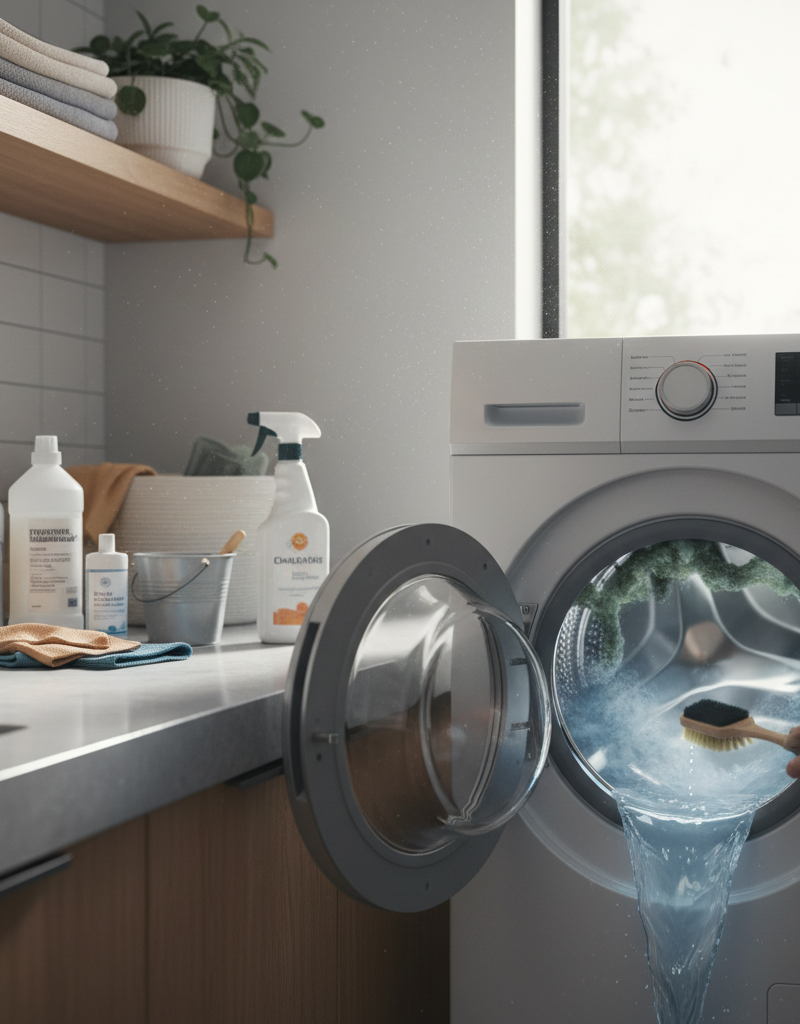
Over time, mold, mildew, and detergent residue can build up inside the wash tub, leading to unpleasant smells and even transferring to your clothes. This is especially true for front-loading machines with their rubber door gasket.
- Why it helps: Removes odor-causing bacteria and residue, keeps clothes smelling fresh.
- Safety Note: Never mix bleach and vinegar! This creates dangerous chlorine gas.
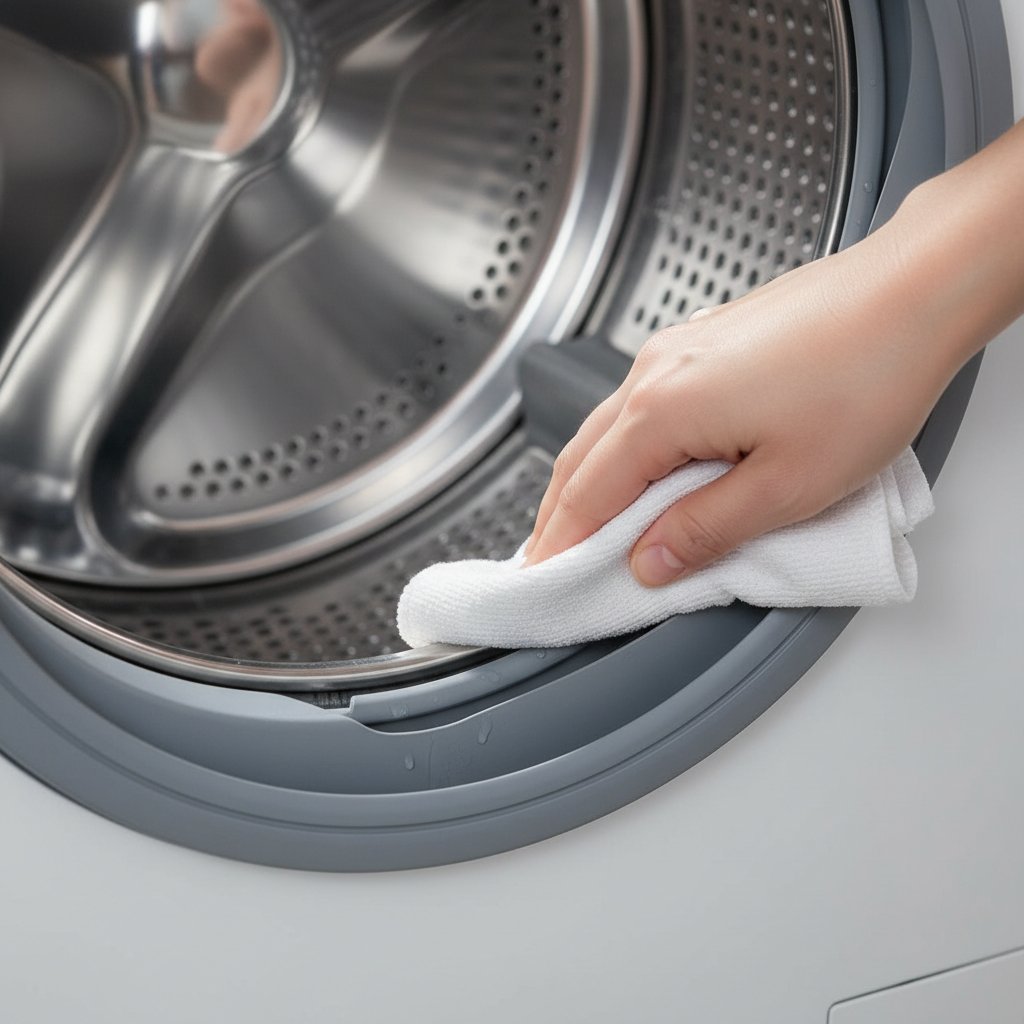
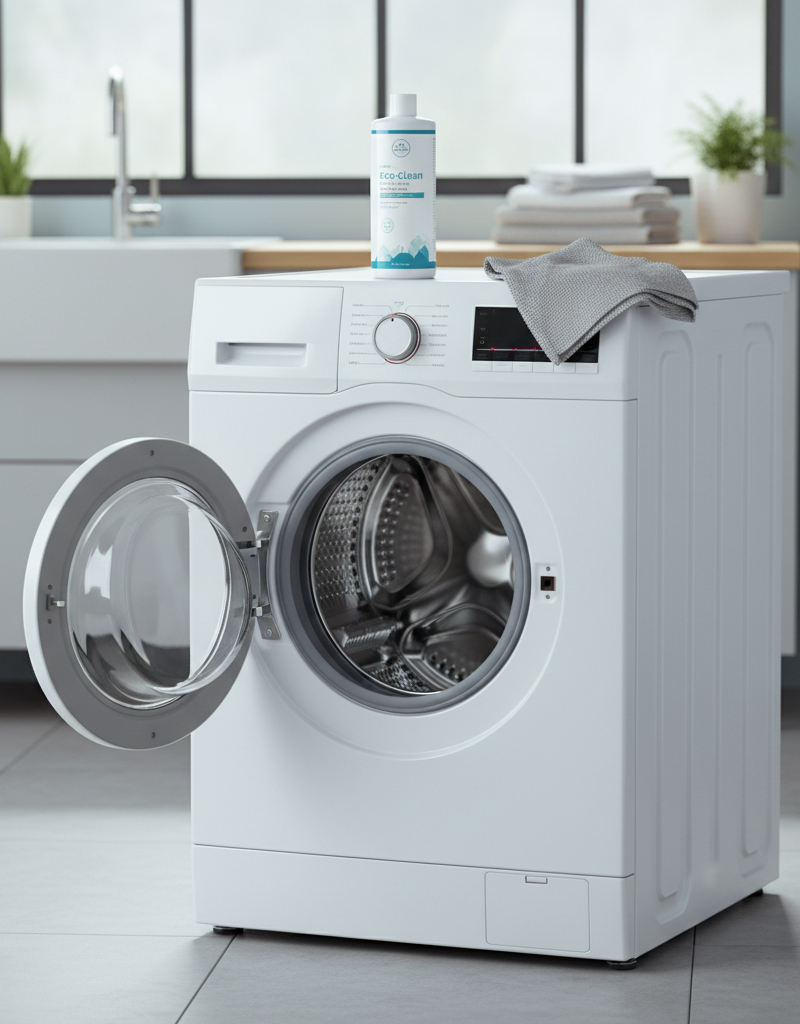
- How to do it (Front-loader): Run a monthly 'Tub Clean' cycle (if your machine has one) with a washing machine cleaner (like Affresh or Lemi Shine) OR two cups of white vinegar poured directly into the detergent dispenser. For the door gasket, peel back the rubber seal and wipe thoroughly with a cloth dampened with a solution of equal parts white vinegar and water. Pay close attention to any hidden crevices.
- How to do it (Top-loader): Fill the tub with hot water. Add one quart of white vinegar and one cup of baking soda directly to the tub. Let it agitate for a minute, then pause and let it soak for an hour. Run a full cycle. Repeat with a second full cycle, if needed, without any cleaning agents to ensure all residue is rinsed away.
5. Inspect and Clean the Drain Filter – Crucial for proper drainage.
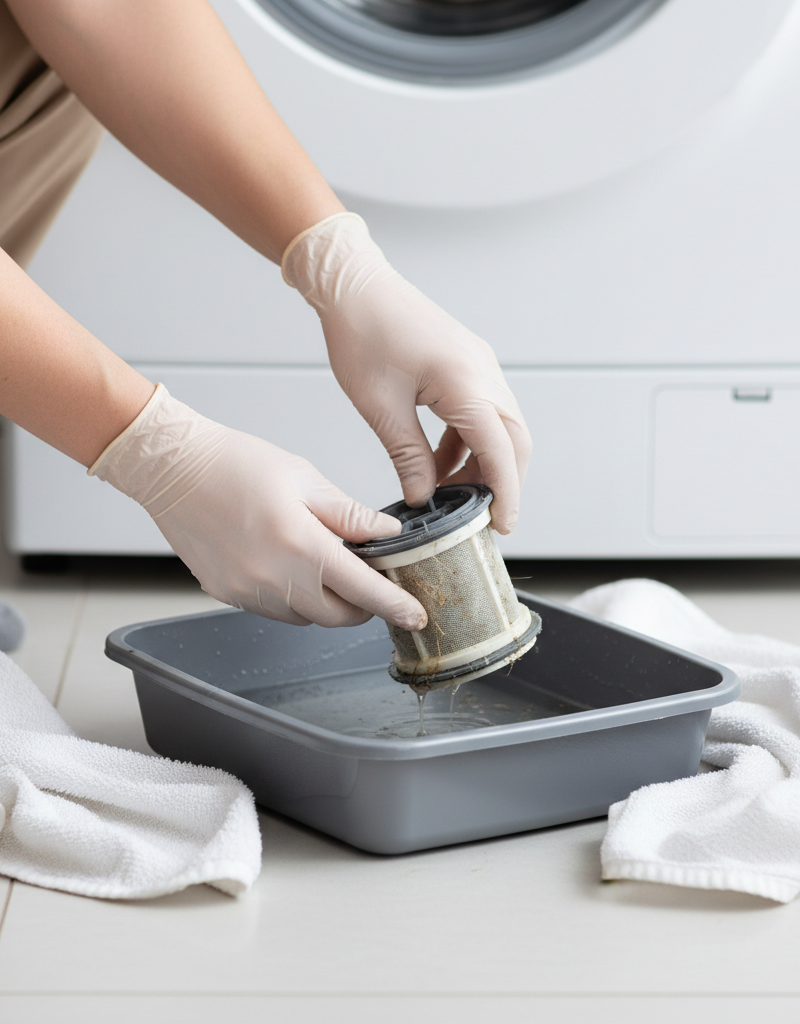
Many front-loading washers have a coin trap or drain filter designed to catch lint, coins, buttons, and other debris before it reaches the pump, preventing clogs and pump damage. Neglecting this leads to poor drainage, error codes, and even pump failure.
- Why it helps: Prevents pump damage, ensures proper drainage, avoids foul odors.
- Safety Note: Always unplug the washing machine before accessing internal components.
- How to do it: Locate the filter (usually behind a small access panel at the bottom front of the machine). Place a shallow pan and towels underneath as water will likely drain out. Slowly unscrew or unclip the filter cover. Remove any lint, coins, or debris. Rinse the filter under hot water. Check the cavity for additional foreign objects. Screw the filter back in securely. This should be done every 2-3 months.
6. Check Hoses and Connections – Prevent leaks and water damage.
Inlet and outlet hoses can weaken, crack, or become leaky over time, leading to significant water damage. Loose connections are also a common cause of minor drips.
- Why it helps: Prevents costly water damage, maintains water pressure.
- How to do it: Periodically (every 6-12 months) examine the rubber inlet hoses (connecting to the wall taps) for cracks, bulges, or signs of wear. If they're rubber and more than 5 years old, consider replacing them with stainless steel braided hoses, which are more durable. Ensure all hose connections (to the machine and wall taps) are tight but not overtightened. Check the drain hose for kinks or blockages.
Common Causes
- Excessive Detergent Use: Leads to soap scum, mold/mildew, clogged dispensers, and issues with drain pumps and water sensors. Modern HE washers require very little detergent. For more on this, check out our guide on HE detergent usage.
- Overloading the Drum: Stresses the motor, transmission, bearings, and suspension system, leading to premature failure, excessive vibration, and inadequate cleaning.
- Neglecting Gasket/Tub Cleaning: Allows mold, mildew, and foul odors to develop, especially in front-loaders, which can transfer to clothes.
- Blocked Drain Filter/Coin Trap: Prevents proper drainage, can cause error codes, leaves standing water, and can damage the drain pump. It's often filled with lint, coins, or small objects.
- Hard Water: Mineral buildup from hard water can scale internal components like heating elements, hoses, and spray jets, reducing efficiency and lifespan. Regular tub cleaning helps mitigate this.
- Improper Installation/Leveling: An unlevel machine will vibrate excessively, accelerating wear on parts and potentially causing the machine to
Related Articles
Keep troubleshooting with these hand-picked guides from FixlyGuide:
- The 3 Washing Machine Mistakes That Cost You Hundreds (And How to Fix Them Forever) — Avoid costly repairs and premature replacement by learning three common washing machine mistakes and how to fix them for good.
- The #1 Washing Machine Killer (It's Not Overloading!) — And How to Prevent It — Discover the surprising culprit behind premature washing machine failure and learn simple, actionable steps to extend its lifespan and keep…
- The 3 Critical Mistakes Homeowners Make Inspecting Their Roof (From the Ground) — Learn how to spot damaging roof problems safely from the ground, avoiding common pitfalls and knowing exactly what to look for.
- The 7 Critical Home Inspection Checks Most Homeowners Miss (and How to Do Them Yourself) — Discover the essential annual home inspection checks many homeowners overlook and learn how to perform them yourself to prevent costly repa…
- The #1 Caulk Mistake That Leads to Mold (And How to Fix It Right) — Discover the most common caulk mistake that causes frustrating mold growth around your bathtub and learn the simple, effective way to recau…
- The Secret Culprit Behind Your Leaking Washer (It's Not Always the Hose) — A washing machine leaking water from the bottom can often be traced to common, easily fixable issues like loose hoses or a clogged drain pu…
Frequently asked questions
How often should I deep clean my washing machine?+
You should deep clean your washing machine tub monthly, especially if you use it frequently or notice odors. The drain filter should be checked every 2-3 months.
Can I use regular detergent in an HE washing machine?+
No, you should only use HE (High-Efficiency) detergent in HE washing machines. Regular detergent produces too many suds for the low water levels in HE machines, leading to residue, odors, and potential damage to components like the pump and sensors.
What's the best way to prevent mold in a front-load washer?+
To prevent mold in a front-load washer, always wipe down the rubber door gasket after each use, leave the door ajar between washes to allow the drum to dry, and run a monthly 'Tub Clean' cycle with a specialized cleaner or white vinegar.
Discussion
Loading comments…