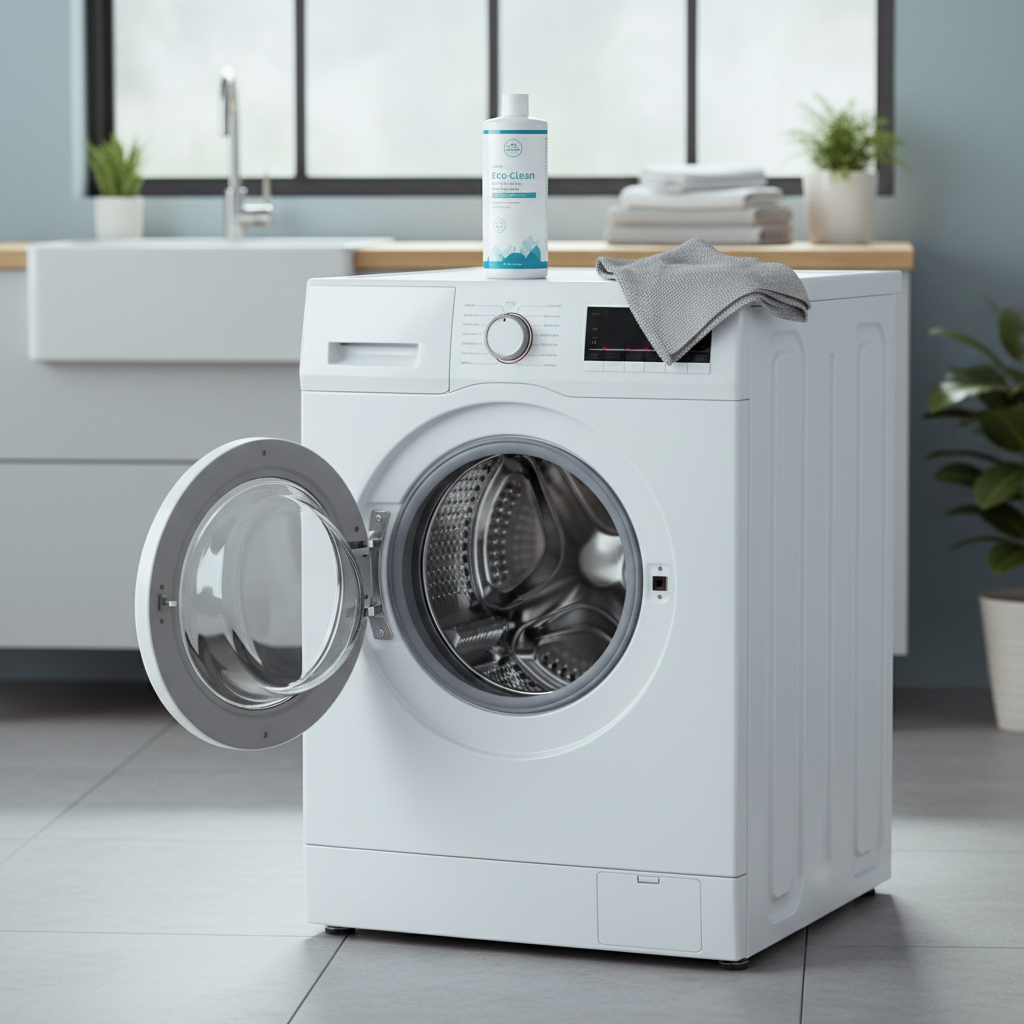
Tools & materials you'll need
Affiliate linksAs an Amazon Associate FixlyGuide earns from qualifying purchases — at no extra cost to you. Prices and availability are accurate as of publication and subject to change.
Quick Answer
Your washing machine's lifespan and performance are frequently cut short not by mechanical failure, but by the silent killer: residue buildup. This insidious accumulation of detergent, fabric softener, minerals from hard water, and even fabric fibers creates a breeding ground for mold and mildew, leading to unpleasant odors, ineffective cleaning, and eventually, component failure. The good news is that preventing this issue is simple and involves routine cleaning and mindful usage habits. By tackling this buildup head-on, you can significantly extend your washing machine's life, save money on repairs, and ensure your laundry always comes out smelling fresh and truly clean.
The Problem
Many homeowners assume their washing machine will last a decade or more with minimal attention, only to be surprised by foul odors, slimy detergent dispensers, or clothes that feel less than clean. The root cause is often a combination of factors: using too much detergent, opting for cold water washes exclusively, and neglecting basic cleaning routines. Over time, these habits lead to a stubborn film on the drum, agitator/impeller, and hidden components like the gasket and hoses. This film isn't just unsightly; it's a microbial feast. Mold and mildew thrive in the dark, damp environment created by this residue, especially in high-efficiency (HE) machines that use less water. The resulting "mildewy" smell can permeate your clothes, and the buildup can even clog drain pumps and hoses, straining the motor and leading to expensive repairs or premature replacement. Ignoring this accelerates wear and tear, reducing efficiency and ultimately shortening your washer's life.
How It Works
To understand why residue buildup is such a problem, let's briefly look at how a washing machine operates. Whether top-loading or front-loading, all washers rely on a delicate balance of water, detergent, and agitation to clean clothes. Water enters the machine, mixes with detergent, and then is agitated to rub against the clothes, loosening dirt and stains. During the spin cycle, the dirty water is drained away, and fresh water rinses the clothes before a final spin extracts as much moisture as possible.
Modern high-efficiency (HE) washers, particularly front-loaders, are designed to use significantly less water than older models. While environmentally friendly, this lower water usage means there's less dilution for detergents and fabric softeners. If you use too much product, or if your water is particularly hard, the unrinsed residue doesn't just disappear; it clings to surfaces. The rubber gasket (or bellows) on front-loaders, with its many folds, is a prime trap for water and residue. The detergent dispenser, often an intricate tray, is another notorious spot for goo accumulation. Inside the machine, unseen components like the drain pump filter and the network of hoses can also become coated. When moisture and organic material (like fabric fibers and skin cells) combine with this residue in a warm, dark environment, mold and mildew spores find the perfect conditions to propagate. This fungal growth then releases the volatile organic compounds (VOCs) that create that unmistakable, musty odor. Beyond the smell, this buildup can restrict water flow, impede drainage, and force your machine's motor to work harder, leading to premature component failure—including the motor itself, pumps, or electronic controls.
Step-by-Step Fix
1. Deep Clean the Drum – The Foundation of Freshness
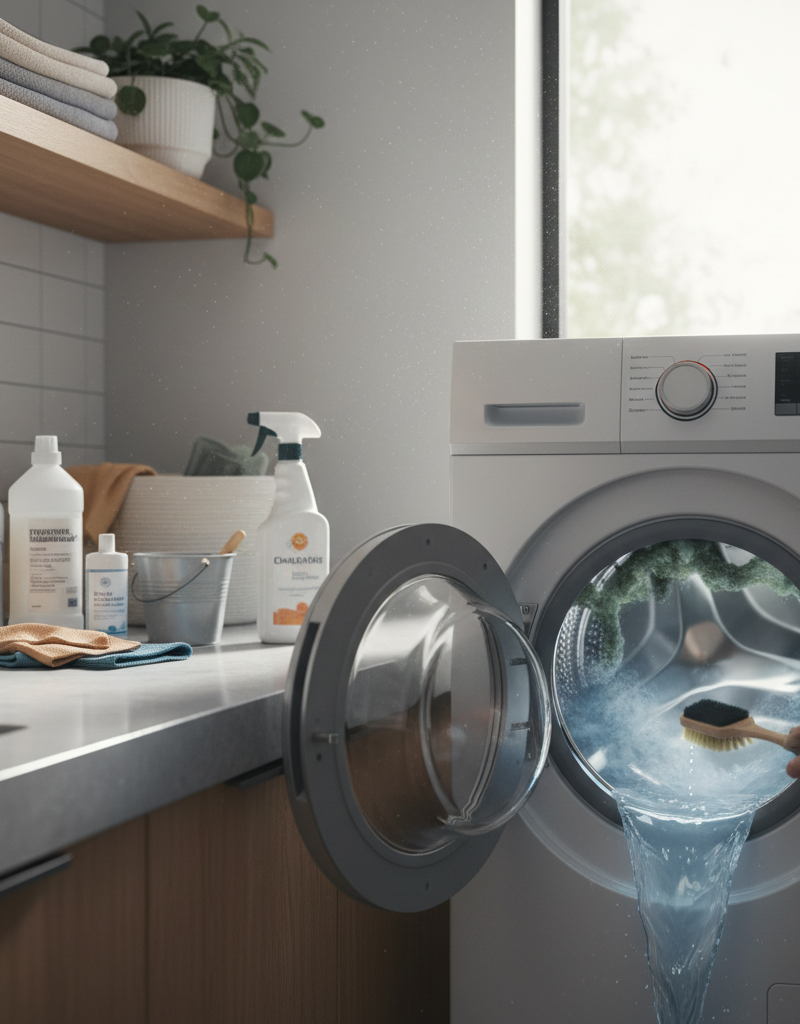
— Start by running an empty hot water cycle with a specialized washer cleaner. This disinfects and dislodges stubborn residue. * Tools: Washing machine cleaner (e.g., Affresh, OxiClean washing machine cleaner), white vinegar, or baking soda. * Process: Follow cleaner instructions, usually adding to the detergent dispenser. For vinegar, add 2 cups to the dispenser and run on the hottest cycle. For baking soda, sprinkle 1/2 cup directly into the empty drum and then add 1 cup of white vinegar to the detergent dispenser, running a hot wash cycle immediately. * If this doesn't work: If strong odors persist, repeat the cleaning cycle or try a different brand of washer cleaner to ensure all possible buildup is addressed.
2. Tackle the Gasket – The Front-Loader's Hidden Trap
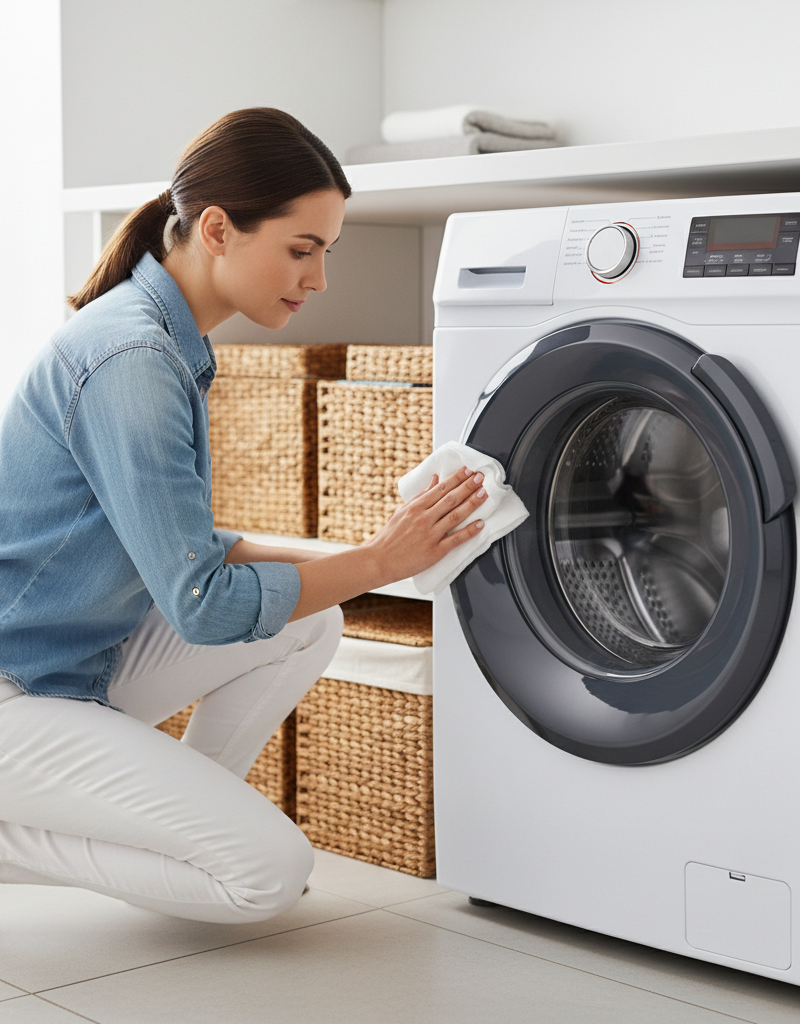
— The rubber seal around the door on front-loaders is a notorious breeding ground for mold and mildew. Open it wide and inspect. * Tools: Old rag or microfiber cloth, spray bottle, warm water, white vinegar, mild dish soap, or a dedicated mold cleaner. * Process: Pull back each fold of the gasket and wipe thoroughly. Use a spray bottle with a 50/50 water-vinegar solution, or a small amount of dish soap on a damp cloth, to scrub away any black mold or slimy residue. Pay close attention to crevices. * Safety: Wear rubber gloves to protect your hands from mold and cleaning solutions. * Prevention: After every wash, wipe the gasket dry and leave the door slightly ajar for air circulation.
3. Clean the Detergent Dispenser – No More Goo!
— Residue often solidifies in the dispenser, blocking proper flow and encouraging mold. * Tools: Scrub brush (old toothbrush works well), warm water, mild dish soap, paper towels. * Process: If removable, take the dispenser tray out and soak it in warm, soapy water for 15-20 minutes. Scrub all compartments, orifices, and the housing it came from. Rinse thoroughly and dry before reinserting. * If not removable: Use a wet scrub brush and warm soapy water to clean as much as possible, including the back and top surfaces where water sprays.
4. Clear the Drain Pump Filter – The Unsung Hero
— Found on front-loaders (usually near the bottom-front), this filter catches lint, coins, and small items before they clog the pump. * Tools: Shallow pan or towel for water containment, pliers (if cap is tight), old towel. * Process: Locate the small access panel (often a hinged door) at the bottom-front of the washer. Place the pan or towel beneath it. Slowly unscrew the cap to release any trapped water. Remove the filter, clear away all debris (lint, hair, coins), and rinse it under running water. Inspect the cavity for any blockages. Screw the filter back in firmly. * Safety: Ensure the machine is unplugged before accessing the drain pump filter to prevent accidental start-up. * Frequency: Check and clean this filter every 3-6 months, or more often if you have pets.
5. Inspect and Clean Hoses – Hidden Blockages
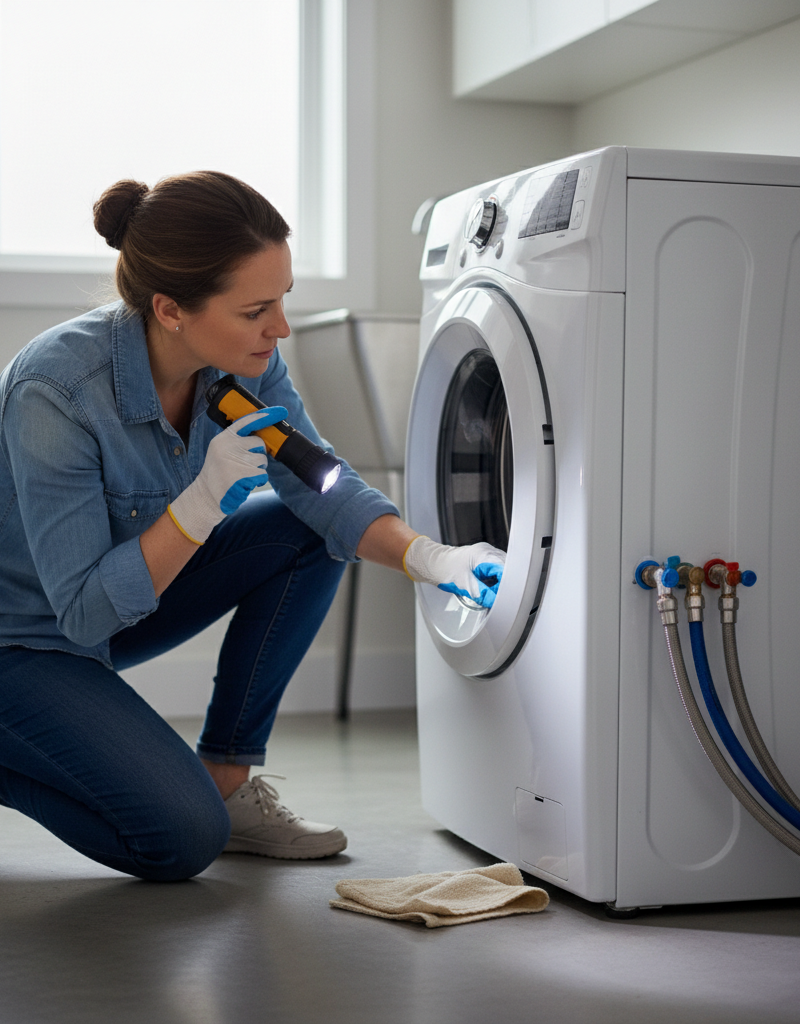
— While less common, hoses can harbor buildup or even degrade. * Tools: Screwdriver (Philips or flathead, depending on clamp type), bucket, old towels. * Process: Turn off water supply to the machine and unplug it. Disconnect the hot and cold supply hoses from the wall and the machine. Check for sediment in the small screens at the connection points; clean with a brush. If accessible and comfortable, you can inspect the drain hose for blockages, though disconnecting this is a more involved task and often best left to a professional if significant issues are suspected. * Pro Tip: Look for cracks or bulges in supply hoses. Replace immediately if found, typically every 5 years.
6. Adjust Detergent Usage – Less is More
— Overdosing detergent is a leading cause of residue buildup. * Process: Always use HE detergent in HE machines and follow the manufacturer's recommendations carefully. Use less detergent for smaller or lightly soiled loads, soft water zones, or concentrated detergents. The suds amount should be minimal, not a mountain of bubbles. * Diagnostic: If you see excessive suds in the wash or rinse cycle, you're using too much detergent.
7. Mind Your Water Hardness – A Key Factor
— Hard water leaves mineral deposits that contribute to buildup. * Process: If you have hard water, consider using a water softener or adding a water softening additive to your wash (e.g., Calgon). You can also increase the frequency of your monthly deep cleaning cycles. * Test: Home water hardness test kits are inexpensive and easily available.
8. Dry, Dry, Dry – Combat Moisture
— Moisture is mold's best friend. * Process: After each wash, wipe down the inside of the drum, especially the gasket. Leave the door slightly ajar between washes to allow air to circulate and the interior to dry completely. * Habit: Make this a quick, final step in your laundry routine.
Common Causes
- Overuse of Detergent and Fabric Softener: The most common culprit. Excess product doesn't fully rinse away, clinging to surfaces. Modern HE machines use less water, exacerbating this problem.
- Exclusive Cold Water Washing: While energy-efficient, cold water is less effective at dissolving detergents and killing mold spores, leading to more residue and microbial growth.
- Infrequent Cleaning Cycles: Neglecting to run monthly cleaning cycles allows residue to accumulate and mold to establish itself.
- Leaving the Door Closed: Traps moisture inside the drum, creating a dark, damp environment ideal for mold and mildew.
- Hard Water: Mineral deposits from hard water combine with detergent residue to form a tougher, more adhesive film.
- Overloading the Machine: Prevents proper spinning and rinsing, leaving more soil and moisture behind.
Common Mistakes
- Using Non-HE Detergent in an HE Washer: Non-HE detergents produce too many suds, overwhelming the machine, hindering rinsing, and leaving excessive residue.
- Ignoring the Gasket (Front-Loaders): Many homeowners focus only on the drum, missing the most significant mold trap in front-loaders. This area must be cleaned regularly.
- Skipping Monthly Cleaning Cycles: Thinking the machine cleans itself with everyday use. It doesn't. A dedicated cleaning cycle is crucial.
- Using Too Much Bleach: While bleach can kill mold, excessive amounts can degrade rubber components like gaskets and hoses over time. Use targeted washer cleaners or vinegar instead for routine maintenance.
- Not Unplugging Before Filter Cleaning: A significant safety hazard. Always unplug the machine before attempting to access internal components like the drain pump filter.
- Overloading the Washer: Cramming too many clothes into the drum prevents effective washing and rinsing, leading to more residue and strain on the motor.
Cost & Time Breakdown
| Task | DIY Cost | Pro Cost | Time |
|---|---|---|---|
| Deep Drum Cleaning | $5–$15 (cleaner) | N/A | 1–3 hours (cycle) |
| Gasket/Seal Cleaning | $0–$5 (materials) | N/A | 10–20 minutes |
| Detergent Dispenser Cleaning | $0 | N/A | 5–15 minutes |
| Drain Pump Filter Cleaning | $0 | $100–$250 | 15–30 minutes |
| Supply Hose Inspection/Replace | $0–$25 (hoses) | $150–$300 | 10–20 minutes |
| Pro Full Diagnostic/Deep Clean | N/A | $180–$350 | 1–2 hours |
Tips & Prevention
- Always Use HE Detergent in HE Machines: Specifically formulated to produce fewer suds and rinse cleanly. Look for the 'HE' symbol.
- Measure Detergent Accurately: Read the detergent label and use the recommended amount for your load size and water hardness. Error on the side of using less rather than more.
- Run Hot Washes Periodically: Incorporate a hot water wash (empty or with whites) at least once a month to help dissolve residue and kill bacteria/mold.
- Leave the Door Ajar Between Washes: This allows the drum and gasket to air dry, preventing mold and mildew growth.
- Wipe Down the Gasket and Dispenser After Use: A quick wipe can make a huge difference in preventing buildup.
- Clean the Drain Pump Filter Every 3-6 Months: This is a key maintenance task, especially for front-loaders, to prevent drainage issues and odors.
- Inspect Supply Hoses Annually: Check for cracks, bulges, or leaks. Replace rubber hoses every 3-5 years; braided stainless steel hoses can last longer but should still be inspected.
When to Call a Professional
While routine cleaning and maintenance can prevent many common washing machine issues, there are times when professional intervention is necessary. If you perform all recommended DIY cleaning steps and still experience persistent foul odors, notice water pooling under the machine, hear unusual grinding or whirring noises during operation, or if the machine is not draining or spinning clothes effectively, it's time to call a qualified appliance technician. These symptoms could indicate deeper mechanical or electrical issues, such as a failing pump, a corrupted control board, or a clog in the main drain system that is beyond a simple filter clean. Attempting advanced repairs without the proper expertise can lead to further damage, costly fixes, or even electrical hazards. A professional can accurately diagnose complex problems and perform repairs safely and effectively, ultimately saving you money and frustration in the long run.
Related Articles
Keep troubleshooting with these hand-picked guides from FixlyGuide:
- The 3 Washing Machine Mistakes That Cost You Hundreds (And How to Fix Them Forever) — Avoid costly repairs and premature replacement by learning three common washing machine mistakes and how to fix them for good.
- The 7 Critical Home Inspection Checks Most Homeowners Miss (and How to Do Them Yourself) — Discover the essential annual home inspection checks many homeowners overlook and learn how to perform them yourself to prevent costly repa…
- The 4 Hidden Reasons Your Entire Home Has Low Water Pressure (And the Easy Fixes) — Low water pressure throughout your entire home can be a frustrating and often misunderstood problem, with several common culprits. Learn to…
- The $30 Trick to Melting Ice Dams (Before They Destroy Your Roof) — Discover how to safely remove ice dams from your roof instantly with common household items, preventing costly damage. Stay safe while tack…
- The #1 Mistake Homeowners Make with Ice Dams (and How to Fix It SAFELY) — Most homeowners approach ice dam removal incorrectly, creating more damage or safety risks. Learn the right, safe methods to protect your r…
- The Secret Culprit Behind Your Leaking Washer (It's Not Always the Hose) — A washing machine leaking water from the bottom can often be traced to common, easily fixable issues like loose hoses or a clogged drain pu…
Frequently asked questions
How often should I clean my washing machine?+
For optimal performance and to prevent odors, aim to deep clean your washing machine (drum cycle) once a month. The gasket and detergent dispenser should be wiped down after almost every use, and the drain pump filter checked every 3-6 months.
Can I use bleach to clean my washing machine?+
While bleach can kill mold, it's not always the best solution for regular cleaning. Overuse can degrade rubber seals and hoses. White vinegar or specialized washing machine cleaners are often safer and more effective for routine maintenance and odor prevention.
Why does my front-load washer smell so bad?+
Front-load washers are prone to mold and mildew due to their water-efficient design and the rubber door gasket, which can trap moisture and residue. Regular cleaning of the gasket, running hot cleaning cycles, and leaving the door ajar between washes are crucial to prevent odors.
How much detergent should I use?+
Always use HE detergent in HE machines and follow the manufacturer's recommendations. For most loads, you'll need significantly less than you think – typically to the first or second line on the cap. Excessive suds indicate too much detergent.
What happens if I don't clean the drain pump filter?+
Neglecting the drain pump filter can lead to reduced drainage, longer cycle times, unpleasant odors, and eventually, the machine struggling or refusing to drain entirely. It can also cause strain on the pump motor, potentially leading to its failure.
Discussion
Loading comments…