Tools & materials you'll need
Affiliate linksAs an Amazon Associate FixlyGuide earns from qualifying purchases — at no extra cost to you. Prices and availability are accurate as of publication and subject to change.
Quick Answer
The most common reason an AC freezes up, especially during heavy use in late summer, is restricted airflow. When air can't move freely across the indoor evaporator coil, the coil can't absorb enough heat from your home. This causes the refrigerant to get too cold, dropping the coil's temperature below 32°F and flash-freezing the condensation that forms on it. The leading culprits are a dirty air filter and blocked air vents.
The Problem
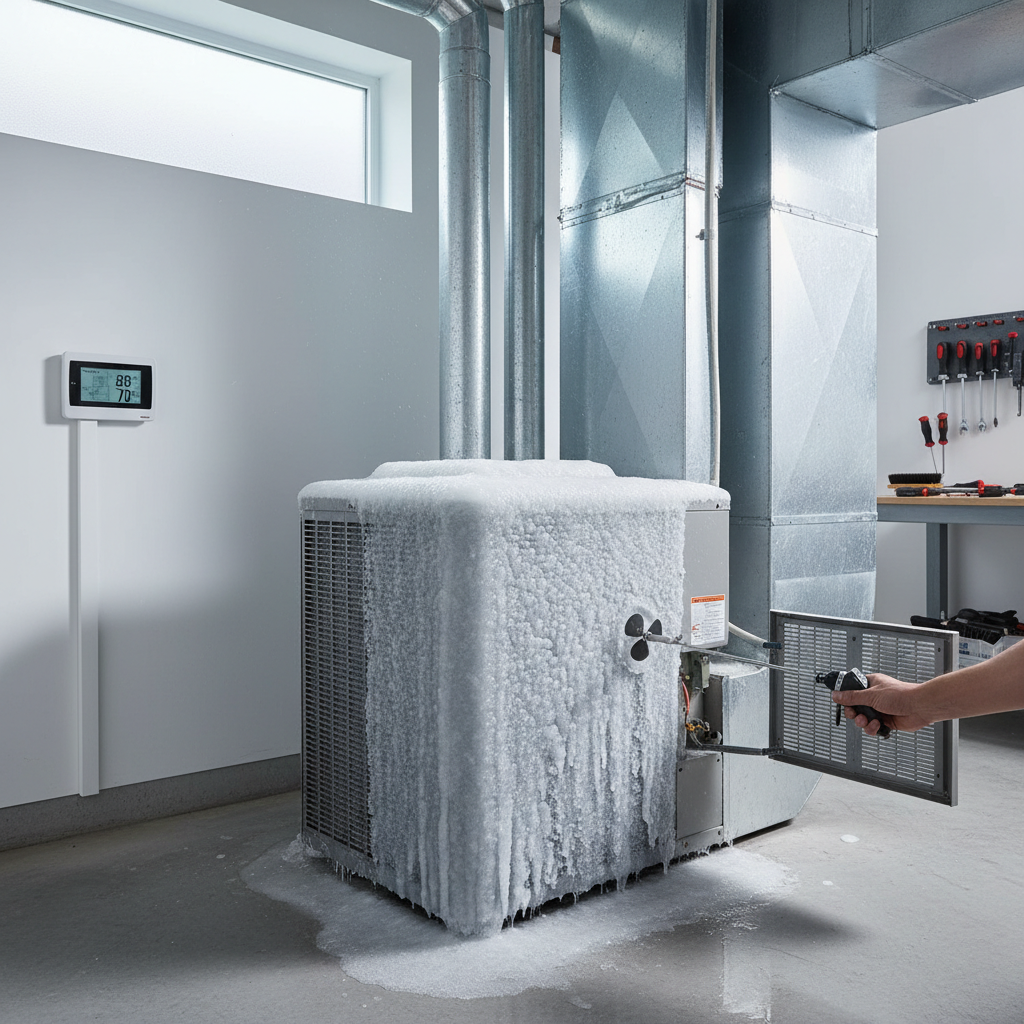
It’s the hottest week of the year, likely in mid-to-late August. The sun is relentless, the humidity is thick enough to swim through, and your air conditioner has been running nonstop for days, a heroic soldier in the war against heat. Then, the unthinkable happens. You notice the air coming from your vents is weak, or maybe not cold at all. The house starts to feel stuffy and warm, and the AC unit outside is still humming away. Puzzled, you head to your indoor unit or check the lines outside, and you see it: a solid block of ice encasing the copper pipes and the fins of the evaporator coil. Frost in August—it’s a homeowner’s nightmare.
A frozen AC unit is more than just an inconvenience; it’s a system in distress. First, it completely stops cooling your home. The ice physically blocks any air from passing through the coil, halting the heat exchange process. Second, as that massive block of ice eventually melts, it can create a huge amount of water. If your condensate drain line is overwhelmed or clogged, you could be looking at significant water damage to your ceilings, walls, or the area around your furnace or air handler. Worst of all, running the AC while it’s frozen puts immense strain on the compressor, the heart of your HVAC system. A struggling, overworked compressor can fail spectacularly, leading to a repair bill that can run into the thousands of dollars—a catastrophic failure often precipitated by a simple, fixable issue.
How It Works
To understand why your AC freezes up, you need to understand its basic function: moving heat. Your AC doesn't create "cold"; it removes heat from your indoor air and transfers it outside. This process hinges on the continuous circulation of refrigerant through two sets of coils: the evaporator coil (inside) and the condenser coil (outside).
-
Heat Absorption (Indoors): Inside your air handler or furnace, the evaporator coil gets very cold as liquid refrigerant expands into a gas. The blower motor pulls warm, humid air from your house and forces it through the fins of this coil. As the air passes over the coil, its heat is absorbed by the refrigerant, much like a cool drink absorbs the heat from a "sweating" glass. The now-cool air is then blown back into your home through the vents.
-
Heat Release (Outdoors): The refrigerant, now a hot gas carrying your home's heat, is pumped to the outdoor condenser unit. A compressor pressurizes the gas, making it even hotter. A large fan blows outside air across the condenser coils, releasing the collected indoor heat into the atmosphere. The refrigerant cools, condenses back into a liquid, and travels back inside to start the cycle over.
The critical part of this process is the "warm, humid air" from your house passing over the evaporator coil. This airflow is not just a byproduct; it is an essential ingredient. The air provides the heat that the refrigerant needs to absorb to boil into a gas at the correct temperature and pressure. When that airflow is restricted—by a clogged filter, for instance—the refrigerant doesn’t get its required dose of heat. Without enough heat to absorb, the refrigerant’s temperature plummets, and the surface of the evaporator coil drops below 32°F. At the same time, the moisture in the humid summer air that does reach the coil condenses on it. But instead of dripping down and draining away, it instantly freezes. A thin layer of frost becomes a thick layer of ice, and soon the entire coil is a solid, useless block.
Step-by-Step Fix
If you discover a frozen AC, do not panic. And do not let it continue to run. Follow these steps carefully to thaw the unit and diagnose the likely airflow problem. This process can take several hours, so be patient.
-
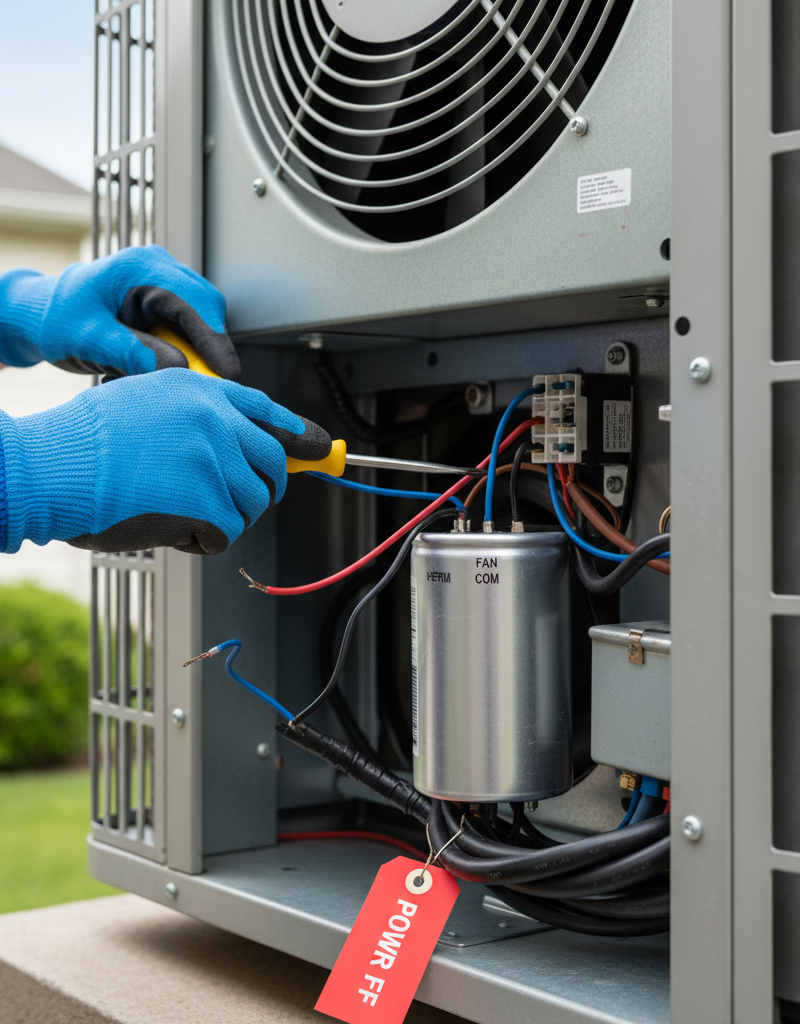
Safety First: Kill the Power. This is non-negotiable. Go to your thermostat and turn the AC system completely OFF. This stops the cooling cycle and prevents damage to the compressor. Next, go to your home's main electrical panel (breaker box) and find the breaker labeled "AC," "Air Handler," or "Furnace." Flip it to the OFF position. For added safety, if your outdoor unit has a disconnect switch (a small box mounted on the wall near the unit), open it and pull the disconnect out or flip the switch to OFF.
-
Melt the Ice (The Right Way). Now that the cooling is off, you need to thaw the ice. Go back to your thermostat and turn the system’s fan setting from "Auto" to "On." This will circulate room-temperature air across the frozen coil without running the compressor. It is the safest and most effective way to thaw the unit. Do NOT use a hairdryer, heat gun, or any sharp objects to chip away at the ice. The coil fins are extremely delicate and expensive to repair or replace. Place towels on the floor around the indoor unit to catch any water that might overflow the drain pan.
-
Wait. Seriously. Depending on the thickness of the ice, thawing can take anywhere from 1 to 12 hours. You cannot rush this process. The goal is to have the entire coil, including the parts you can’t see, completely free of ice before proceeding.
-
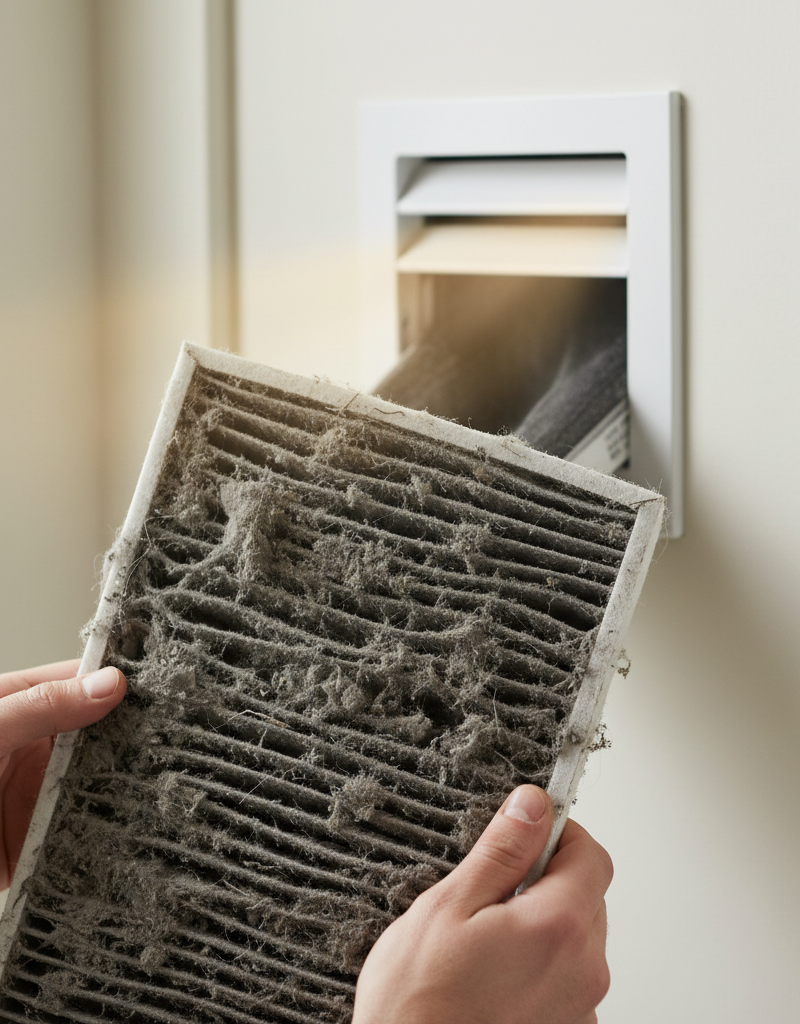
Locate and Inspect the Air Filter. While the unit is thawing, find your air filter. It’s typically located either in a slot on the side of the furnace/air handler or inside a large return air vent in a wall or ceiling. Slide it out and hold it up to a light. If you cannot easily see light through it, it’s clogged. A dirty filter is the #1 cause of an AC that freezes up.
-
Replace the Air Filter. If the filter is dirty, replace it with a new one. Make sure you use the exact same size (the dimensions are printed on the filter's frame). Pay attention to the MERV rating. While higher MERV ratings filter more particles, they are also more restrictive. Using a filter with a MERV rating that’s too high for your system’s blower can also impede airflow. For most systems, a MERV 8-11 filter is a good balance.
-
Check All Indoor Air Vents. Walk through your entire house. Check every single supply vent (where air blows out) and return vent (where air gets sucked in). Ensure they are fully open and not blocked by furniture, rugs, curtains, or anything else. People often close vents in unused rooms, but this can unbalance the system and contribute to airflow reduction.
-
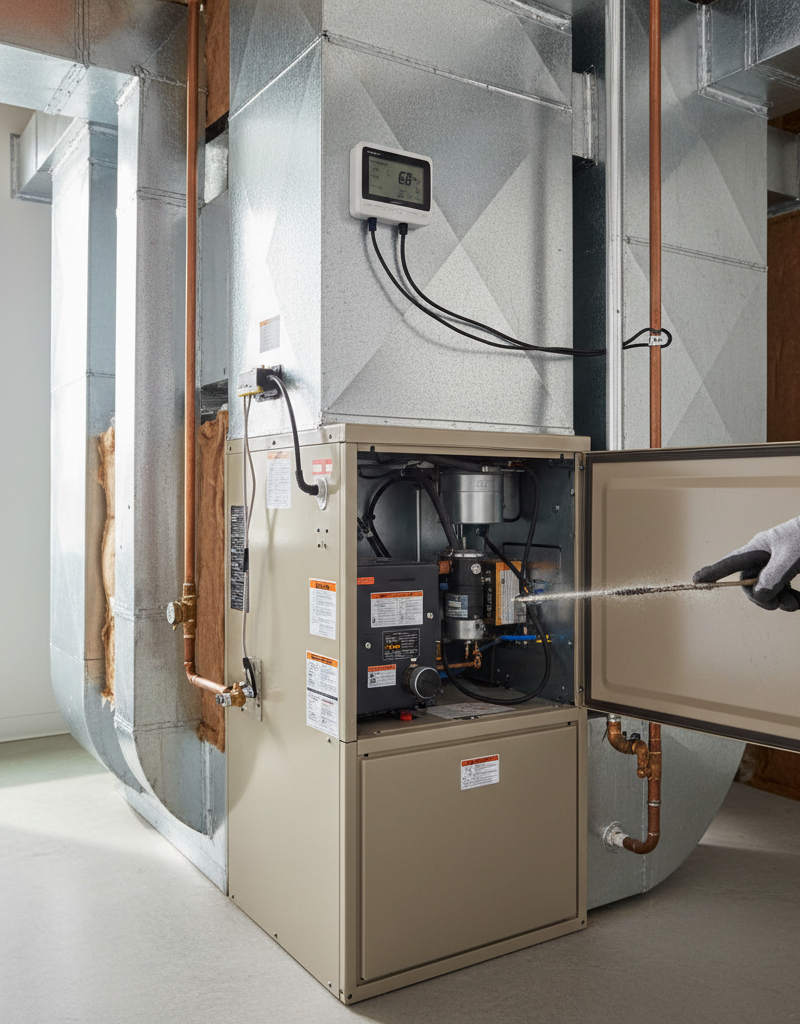
Inspect the Evaporator Coil. Once the ice is completely gone (check with a flashlight), look at the evaporator coil. Is it still caked with dirt, dust, and grime that the filter missed over the years? A dirty coil acts like an insulator, preventing heat transfer just like a dirty filter prevents airflow. If it looks fuzzy or coated in dust, it needs cleaning. This is often a job for a professional, but a visual check is good for diagnosis.
-
Clear the Outdoor Unit. Go outside to your condenser unit. Make sure it has at least two feet of clear space around it on all sides. Remove any leaves, grass clippings, weeds, or debris that may be clinging to the fins. A dirty outdoor coil can’t release heat efficiently, which can cause other system problems.
-
Allow The System to Dry. After all the ice is melted, turn the fan off and let the unit, especially the electrical components, air dry for at least 30-60 minutes before restoring power.
-
Restore Power and Test. Re-insert the outdoor disconnect, flip the breaker back on, and turn your thermostat back to COOL. Set the temperature a few degrees below the room temperature. The system should kick on. Go to a vent and feel the airflow. It should feel stronger than before. If the air is cool and the system runs normally, you have likely solved the problem.
Common Causes
While a dirty filter is the prime suspect, several issues can cause or contribute to an AC freeze-up.
-
Dirty Air Filter: We can’t say it enough. This is the cause 90% of the time for homeowners. It’s a simple, cheap fix that prevents catastrophic failures.
-
Blocked Vents and Registers: Closing too many vents or blocking a large return air grille with a sofa is like trying to breathe with a hand over your mouth. The system can’t move the volume of air it was designed for.
-
Dirty Evaporator Coil: If you’ve been lax about filter changes, years of dust can build up on the coil itself. This layer of grime insulates the coil, preventing it from absorbing heat effectively, which leads to freezing. Coil cleaning is an essential part of HVAC maintenance.
-
Low Refrigerant: This is a serious issue that requires a professional. Air conditioners do not "use up" refrigerant. If the level is low, it means you have a leak. A low refrigerant level causes the pressure inside the evaporator coil to drop, which in turn causes the temperature to plummet, leading to freezing. Simply "topping off" the refrigerant without fixing the leak is illegal, bad for the environment, and only a temporary fix.
-
Failing Blower Motor: The blower is the powerful fan inside your air handler that pushes air through the vents. If the motor is failing or the fan wheel is caked with dirt, it won’t spin fast enough to move the required volume of air, leading to a freeze-up. Signs include weak airflow even with a clean filter, or unusual noises from the indoor unit.
-
Mechanical or Electrical Failures: Less common issues like a stuck contactor relay can cause the outdoor unit to run continuously, even when the indoor blower is off, which can lead to freezing. These issues are difficult to diagnose without professional tools.
Common Mistakes
When faced with a frozen AC, what you don't do is as important as what you do.
-
Using Force or Tools to Remove Ice: The aluminum fins on the evaporator coil are paper-thin. Trying to scrape, chip, or pick the ice off will bend and crush them, ruining the coil and leading to a very expensive repair. Always let it thaw with air.
-
Ignoring the Problem and Letting It Run: Continuing to run a frozen AC puts unimaginable strain on the compressor. This is like redlining your car's engine for hours. It’s the fastest way to turn a minor issue into a $2,500+ compressor replacement.
-
Just Thawing and Restarting Without Investigating: Melting the ice is just the first step. If you don't find and fix the underlying cause (like the dirty filter), the unit will simply freeze up again within a day or two, repeating the cycle of damage.
-
Adding Refrigerant Yourself: Handling refrigerant requires an EPA license. It’s a pressurized chemical, and an overcharged system can be just as damaging as an undercharged one. If you suspect a leak, call a professional—it’s the law.
Cost & Time Breakdown
Your costs can range from a few dollars for a DIY fix to thousands for a major component replacement.
| Task | Estimated Cost (USD) | Estimated Time | Who Does It | Notes |
|---|---|---|---|---|
| Thaw & Filter Change | $5 - $30 | 2 - 12 hours | DIY | Cost is for a new air filter. The time is mostly spent waiting for the ice to melt. |
| Professional HVAC Diagnostic | $75 - $150 | 1 - 2 hours | Professional | A service call to determine the cause of the freeze-up if you can't find it. |
| Professional Evaporator Coil Cleaning | $150 - $450 | 2 - 4 hours | Professional | Cost varies based on accessibility of the coil. Necessary if the coil is caked with grime. |
| Refrigerant Leak Detection & Repair | $400 - $1,500+ | 3 - 6 hours | Professional | Includes finding the leak, repairing it, and recharging the system with refrigerant. |
| Blower Motor Replacement | $500 - $1,200 | 2 - 4 hours | Professional | Cost depends on the type of motor (PSC vs. high-efficiency ECM). |
Tips & Prevention
An ounce of prevention is worth a pound of cure (and saves you thousands in repairs).
-
Check Your Air Filter Monthly: Don't wait for a problem. Set a calendar reminder. During heavy summer use, you may need to change it every 30-60 days. This is the single most important HVAC maintenance task.
-
Schedule Annual Professional Maintenance: A yearly tune-up from a qualified HVAC technician can catch problems before they start. They will clean coils, check refrigerant levels, test electrical components, and ensure your system is running efficiently and safely.
-
Keep Your Vents & Registers Clear: Do a quick walkthrough of your home every few months to ensure vents are open and unobstructed.
-
Maintain Your Outdoor Unit: Gently rinse the outdoor condenser coils with a garden hose (do not use a pressure washer) to remove dirt and debris. Ensure bushes and plants are trimmed back at least 24 inches from all sides of the unit.
-
Don't Go Overboard with Closing Vents: Your system is designed for a certain total airflow. Closing vents in multiple rooms can severely restrict this airflow, stressing the blower motor and potentially causing a freeze-up.
When to Call a Professional
While checking filters and vents is a great first step, some problems are not DIY jobs. You should turn off your system and call a qualified HVAC technician immediately if:
- You have thawed the unit, replaced the filter, and confirmed all vents are open, but the AC freezes up again.
- You see a significant amount of ice on the refrigerant lines of the outdoor unit, which is a classic sign of a refrigerant charge issue.
- After thawing, the evaporator coil is visibly caked with thick dirt or grime that you cannot easily access.
- You hear loud, unusual noises, or the blower fan doesn't seem to be pushing much air even with a brand new filter.
- You suspect a refrigerant leak. Remember, this is not a DIY task and requires licensed professionals with specialized equipment to handle and charge the system correctly according to EPA regulations.
Ignoring these signs or attempting complex repairs yourself can lead to further damage and more expensive fixes down the line. A professional can diagnose the root cause accurately and safely, whether it’s an electrical fault, a failing motor, or a refrigerant leak.
PROFESSIONAL HELP RECOMMENDED
Unless your problem is a dirty filter or a blocked vent that you can easily identify and fix, we recommend calling an HVAC technician. Refrigerant handling requires an EPA license. Further diagnosis can involve working with high-voltage electricity. A professional has the tools and expertise to safely diagnose and repair your AC system.
Related Articles
Keep troubleshooting with these hand-picked guides from FixlyGuide:
- The #1 Reason Your AC Blows Warm Air (And It's Not What You Think) — Discover the most common and often overlooked reason your AC might be blowing warm air, and how a simple capacitor fix can restore cool air.
- AC Blowing Warm Air? Easy Fixes for Common AC Problems — Discover the most common reasons your AC is blowing warm air and learn simple, actionable steps to troubleshoot and fix the issue yourself,…
- The #1 Mistake Homeowners Make When Their AC Won't Turn On (And the Easy Fix) — Learn the most common reason your air conditioner won't turn on and how to diagnose and fix it with simple steps.
- The Secret Culprit Behind Your AC Blowing Warm Air (It’s Not What You Think) — Discover the unexpected reason your air conditioner is blowing warm air and how a simple, often overlooked fix can restore your home’s cool…
- Furnace Keeps Turning On and Off? Here's Why. — Is your furnace running in short, frequent bursts instead of steady cycles? This is called short cycling. Discover the common causes, like…
- The Surprising Culprit Behind Your Refrigerator's Water Leak (It's Not Always the Ice Maker) — Discover the most common, often overlooked reason your refrigerator is leaking water and how to fix it with simple steps.
Get the print-ready PDF of this guide
A clean, ad-free, printable version you can keep on your phone or pin to the workshop wall. We'll also send occasional weekly tips matched to your home situation.
- Print-optimized layout
- Tools, materials & every step included
- Unsubscribe anytime
Frequently asked questions
Can I use a hairdryer to melt the ice on my AC faster?+
No, you should never use a hairdryer, heat gun, or any external heat source. The intense, direct heat can damage plastic components and, more importantly, the delicate aluminum fins on the evaporator coil. The safest and most effective method is to turn off the AC and run the fan only, using room-temperature air to thaw the ice gradually.
Why does my AC freeze up in August, the hottest month?+
It happens in August precisely *because* it's so hot. Your AC runs almost continuously, and so does the accumulation of any underlying problem. An issue like a slightly dirty filter or a minor blockage might go unnoticed in May or June. But in August, when the system is under constant strain, that minor issue becomes a major restriction, leading to a freeze-up.
My AC is frozen. Can I just add more refrigerant to fix it?+
No. This is a common and costly misconception. Your AC is a closed-loop system; it doesn't 'use up' refrigerant. If it's low, it means there is a leak. Adding more refrigerant without fixing the leak is illegal, harmful to the environment, and will only cause the problem to return. You need a licensed technician to find the leak, repair it, and then correctly charge the system.
How long does it take for a frozen AC to thaw?+
It can take anywhere from 1 to 12 hours, or even longer in extreme cases. The time depends on the thickness of the ice and the temperature and humidity of your home's air. Be patient and make sure the ice is completely gone before restarting the AC.
Discussion
Loading comments…