Tools & materials you'll need
Affiliate linksAs an Amazon Associate FixlyGuide earns from qualifying purchases — at no extra cost to you. Prices and availability are accurate as of publication and subject to change.
Quick Answer
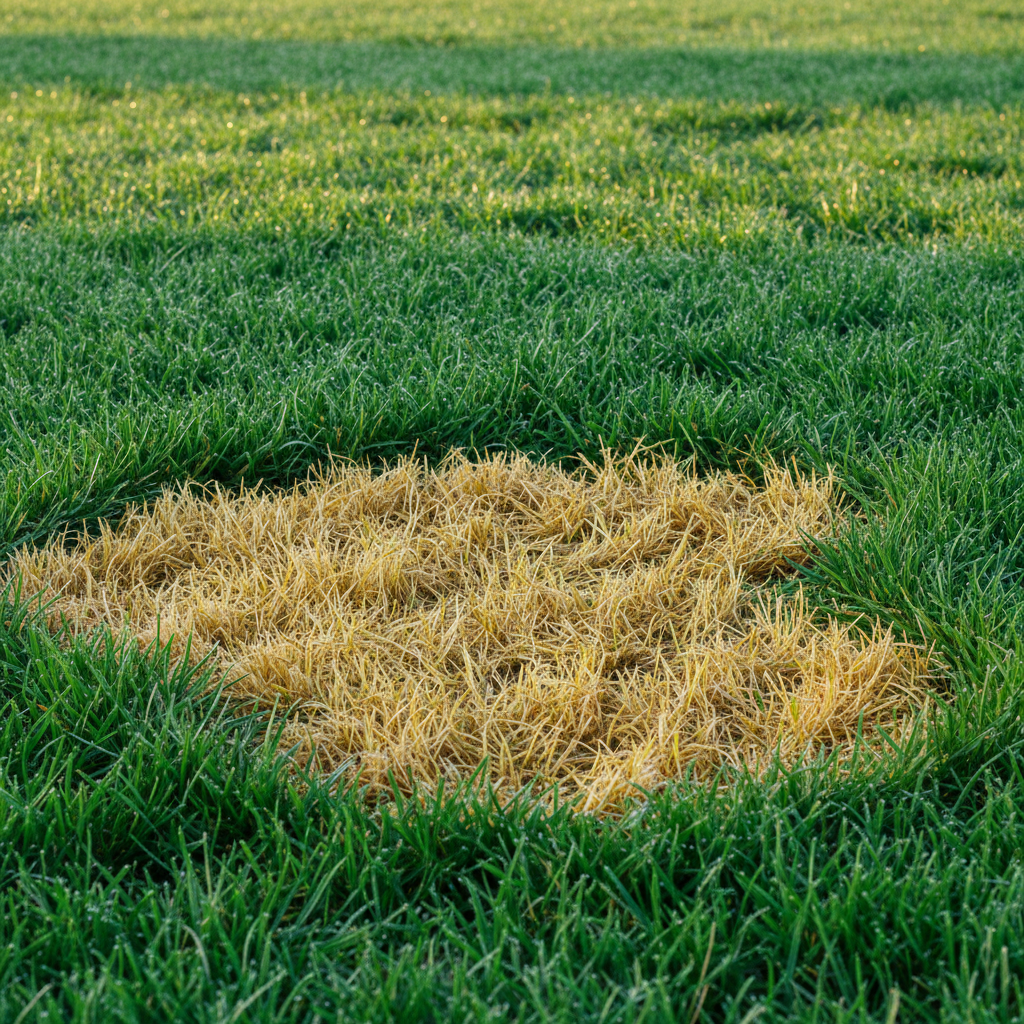
A yellow lawn is a homeowner's headache, but it’s rarely a mystery. The most common culprits are nutrient deficiencies (especially nitrogen and iron), incorrect watering practices (either overwatering or underwatering), soil pH imbalances, or compacted soil restricting root growth. By diagnosing the specific issue through observation and a simple soil test, you can implement targeted solutions like adjusting your fertilizer, modifying irrigation, or aerating to bring back that lush, green turf.
The Problem
You wake up, look out at your yard, and instead of a vibrant emerald carpet, you see a patchwork of sickly yellow or pale green. This isn't just an aesthetic problem; a discolored lawn is a distress signal. Yellowing can indicate that your grass isn't getting the essential nutrients it needs, that its roots are struggling to absorb water and oxygen, or that its environment is simply out of balance. Ignoring these signs can lead to weakened turf, increased susceptibility to pests and diseases, and eventually, a dead lawn. Understanding why your lawn is yellow is the first step toward reviving it.
How It Works
To understand why a lawn turns yellow, we need a basic grasp of how grass thrives. Grass blades are essentially miniature factories, performing photosynthesis to create energy. This process relies heavily on chlorophyll, the pigment that gives plants their green color. Chlorophyll production, in turn, depends on a steady supply of specific nutrients, primarily nitrogen, iron, and magnesium.
Nitrogen is the most critical nutrient for lush green growth. It’s a key component of chlorophyll and is essential for rapid cell division and protein synthesis. Without enough nitrogen, grass can't produce sufficient chlorophyll, leading to a pale green or yellowish appearance, especially in older leaves. Iron is also vital for chlorophyll formation, though it's needed in smaller quantities. A lack of iron often manifests as yellowing between the veins of new leaves, while the veins themselves remain green (a condition called chlorosis).
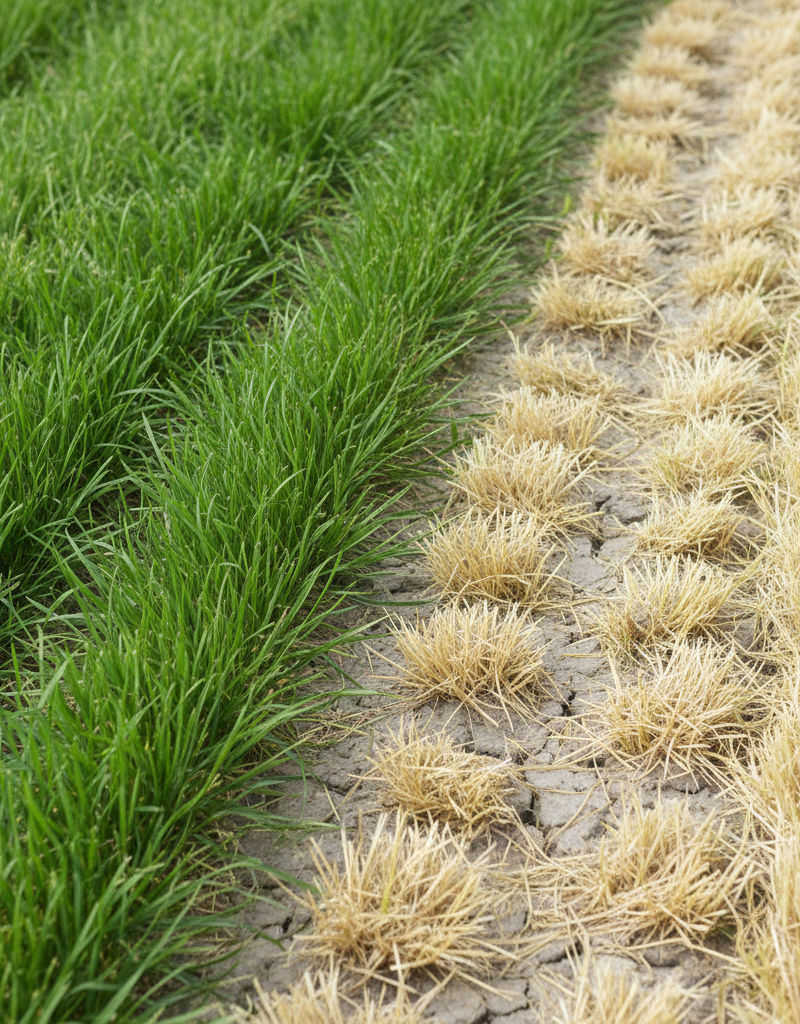
Water plays a dual role. It's the medium through which nutrients are transported from the soil to the roots and up into the blades. Too little water, and the grass wilts, eventually turning brown. Too much water, however, can be equally damaging. Saturated soil pushes out oxygen, essentially drowning the roots. Without oxygen, roots cannot absorb nutrients or water effectively, leading to stress and yellowing, often accompanied by fungal growth.
Soil pH, a measure of its acidity or alkalinity (on a scale of 0 to 14), dictates the availability of nutrients. Most turfgrasses prefer a slightly acidic to neutral pH (6.0 to 7.0). If the pH is too high or too low, even if nutrients are present in the soil, the grass roots can't absorb them. For example, iron becomes less available in highly alkaline soils, and nitrogen uptake can be hindered in very acidic conditions.
Finally, soil structure matters. Compacted soil — often caused by heavy foot traffic, vehicles, or even heavy rain on certain soil types — reduces the pore space between soil particles. This compaction restricts root growth, making it difficult for roots to penetrate the soil, access water, and, crucially, absorb oxygen and nutrients. When roots are stressed, the entire plant suffers, leading to yellowing and stunted growth.
Step-by-Step Fix
Here’s how to systematically diagnose and fix a yellow lawn, tackling the most common issues first.
-
Assess Your Watering Habits — The most common culprit
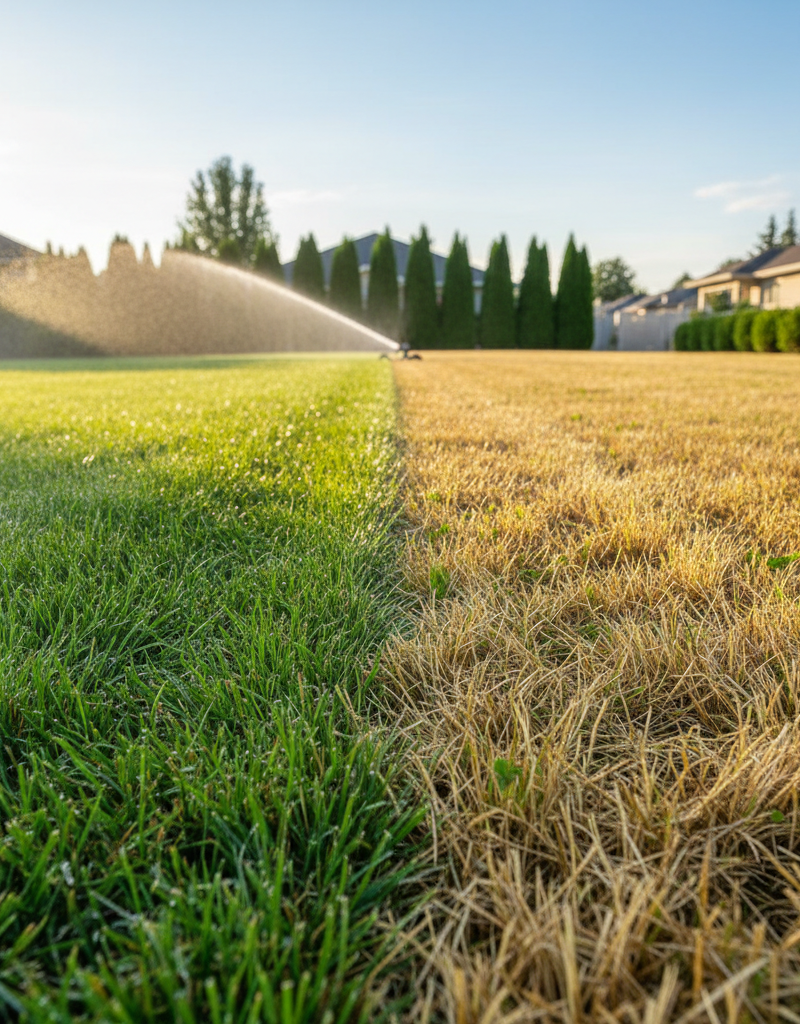
- Check moisture levels: Stick a screwdriver or a soil probe into the lawn. If it goes in easily to 6-8 inches, the soil is likely moist enough. If it's hard to penetrate, you're probably underwatering. If it's constantly squishy, you could be overwatering. Aim for 1 inch of water per week, applied deeply (e.g., 2 sessions of 30 minutes each with a sprinkler) rather than frequent, shallow sprinkles.
- Safety Note: Always be aware of sprinkler heads and any buried utility lines when probing the soil. Adjust sprinklers away from electrical outlets or outdoor lighting.
- If this doesn't work: Consider checking your sprinkler system for uneven coverage or broken heads. A tuna can test (placing cans around the lawn during watering) can show you how much water your lawn actually gets.
-
Conduct a Soil Test — The definitive nutrient diagnosis
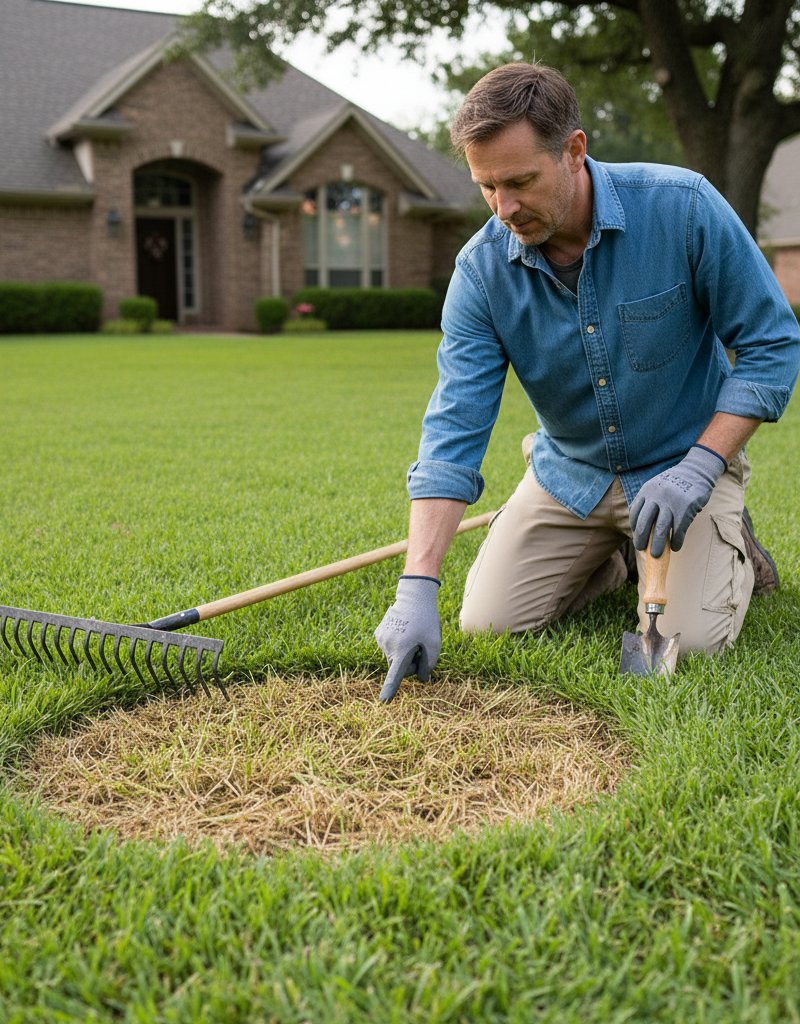
- Collect samples: Use a clean trowel or soil probe to collect 10-15 random samples from your lawn, mixing them in a clean bucket. Avoid taking samples from areas directly under trees or near structures. Dig 4-6 inches deep.
- Send for analysis: Purchase a soil test kit from a local extension office or garden center. Follow instructions to send it to a lab. This will tell you your soil's pH and levels of essential nutrients like nitrogen, phosphorus, potassium, and micronutrients like iron.
- Results & Action: The report will provide specific recommendations for fertilizer types and lime or sulfur applications to adjust pH. This is the foundation of a healthy lawn.
- If you get results: For major pH adjustments, plan to apply amendments like agricultural lime (to raise pH) or elemental sulfur (to lower pH) in the fall or spring, following the lab's recommended rates.
-
Apply Targeted Fertilization — Feeding your hungry lawn
- Choose the right fertilizer: Based on your soil test, select a fertilizer that addresses specific deficiencies. For general yellowing, a granular or liquid fertilizer high in nitrogen (e.g., a 20-5-10 blend) is often appropriate. If iron deficiency is suspected (yellow leaves with green veins), use an iron supplement.
- Apply correctly: Follow package directions precisely. Use a broadcast spreader for granular products for even coverage. Liquid fertilizers can be applied with a hose-end sprayer. Always water your lawn immediately after applying granular fertilizer to prevent burning.
- Safety Note: Wear gloves and eye protection when handling fertilizers. Avoid contact with skin and eyes. Store fertilizers in their original containers out of reach of children and pets.
- If you don't see results: Ensure you're not over-fertilizing, which can also cause yellowing (fertilizer burn). Double-check your spreader settings.
-
Aerate Compacted Soil — Let your lawn breathe
- Identify compaction: If your soil is hard, water puddles easily, and grass struggles in high-traffic areas, compaction is likely. You can also try the screwdriver test from Step 1.
- Rent or buy an aerator: For larger lawns, rent a core aerator (the kind that pulls out plugs of soil) from a local tool rental store. For smaller areas, a manual spike aerator or aeration shoes can help, though they are less effective.
- When to aerate: Aerate during your lawn's active growing season (early fall for cool-season grasses, late spring/early summer for warm-season grasses) when the soil is moist but not saturated.
- If this doesn't help: Consider topdressing with a thin layer of compost after aeration to further improve soil structure.
-
Check for Pests or Diseases — The last resort diagnostic
- Inspect actively: Look for signs like unusual spots on grass blades, slime, mushrooms, or visible insects (grubs, chinch bugs). Fungal diseases often thrive in overwatered or humid conditions.
- Identify the problem: Use online resources or consult a local extension agent if you suspect a specific pest or disease. Yellowing can sometimes be an early symptom.
- Treat as needed: Apply appropriate fungicides or insecticides specifically labeled for lawn use, following all safety precautions. Only treat if you've positively identified an issue.
Common Causes
- Nitrogen Deficiency: The most frequent cause of overall pale green to yellowing, especially in older grass blades. Lack of nitrogen prevents chlorophyll production.
- Iron Deficiency (Chlorosis): Often seen as yellowing between the veins of new grass blades while the veins themselves remain green. Common in alkaline (high pH) soils where iron is less available.
- Improper Watering:
- Underwatering: Grass wilts, then turns yellow and eventually brown. Soil will be dry and hard.
- Overwatering: Soil is constantly saturated, leading to root suffocation, nutrient lockout, and often promoting fungal diseases that cause yellowing.
- Soil pH Imbalance: Soil that is too acidic or too alkaline can
Related Articles
Keep troubleshooting with these hand-picked guides from FixlyGuide:
- 7 Hidden Equity Drains Costing You Thousands Annually — Your home is an asset, but silent problems like minor leaks, poor insulation, and deferred maintenance can drain its value. Discover the se…
- The Surprising Reason Your House Ticks and Pops At Night (And What It Means) — That unsettling ticking or popping sound in your house at night is usually normal thermal expansion and contraction, but sometimes it signa…
- The 12 Checks That Prevent 80% of Costly Home Repairs — Don't wait for a disaster. Our comprehensive monthly home maintenance checklist reveals the surprising, simple tasks that catch small issue…
- The Secret Power Tool Hiding in Your Garage for a Speedier Clean — Unlock the hidden potential of your cordless drill to tackle stubborn household grime, soap scum, and dirt with specialized cleaning attach…
- The Surprising Trick to Cutting Your Dryer Bill By $100 Per Year — Installing a clothesline can significantly reduce your energy bills and add a fresh scent to your laundry. This guide covers how to choose…
- The 3 Hidden Reasons Your Circuit Breaker Keeps Tripping (And How to Stop It) — Uncover the surprising culprits behind repeatedly tripping circuit breakers and learn practical, actionable steps to diagnose and resolve t…
Get the print-ready PDF of this guide
A clean, ad-free, printable version you can keep on your phone or pin to the workshop wall. We'll also send occasional weekly tips matched to your home situation.
- Print-optimized layout
- Tools, materials & every step included
- Unsubscribe anytime
This article was independently written by FixlyGuide based on the source topic.
Frequently asked questions
How can I tell if my yellow lawn needs nitrogen or iron?+
If your entire lawn is uniformly pale green or yellow, especially older blades, it's often a nitrogen deficiency. If new grass blades are yellowing between the veins while the veins themselves remain green, it's typically an iron deficiency. A soil test will confirm both.
Can overwatering make my lawn turn yellow?+
Yes, absolutely. Overwatering suffocates grass roots by displacing oxygen in the soil. Without oxygen, roots cannot absorb nutrients or water, leading to stress and yellowing, often accompanied by soft, squishy soil and sometimes fungal growth.
How often should I aerate my lawn for yellowing issues?+
If compacted soil is contributing to yellowing, plan to aerate once a year during your lawn's active growing season (early fall for cool-season grass, late spring/early summer for warm-season grass). For very severe compaction, you might consider aerating twice a year for the first year or two.
What's the best way to test my soil's pH?+
The most reliable way to test your soil's pH and nutrient levels is to send samples to a local university extension office or a reputable private lab. Store-bought DIY kits can give a general idea, but lab tests are much more precise and come with specific recommendations.
My lawn is yellow despite proper watering and fertilizing. What else could it be?+
If watering and basic fertilization don't resolve the yellowing, other culprits could include a severe soil pH imbalance (preventing nutrient uptake), compacted soil limiting root growth, certain lawn diseases, or even insect pests. A comprehensive soil test and close inspection for pests/diseases are the next steps.
Discussion
Loading comments…