Tools & materials you'll need
Affiliate linksAs an Amazon Associate FixlyGuide earns from qualifying purchases — at no extra cost to you. Prices and availability are accurate as of publication and subject to change.
Quick Answer
Many homeowners immediately suspect a major breakdown when their air conditioner refuses to kick on. However, the most frequent culprit is surprisingly simple: a tripped circuit breaker, an incorrectly set thermostat, or a disconnected outdoor unit. Before you panic and call for an expensive service visit, a systematic check of these basic power and control issues can often restore your cooling in minutes, saving you time and money.
The Problem
It's a hot summer day, and you walk into a stuffy house. You go to the thermostat, turn the AC to 'Cool,' lower the temperature, and... nothing. No familiar hum from the outdoor unit, no airflow from the vents. Your air conditioner seems completely unresponsive. This problem can be incredibly frustrating, especially when temperatures are soaring, and the thought of a costly repair bill looms. While there are many complex reasons an AC might not turn on, the reality is that many common issues are straightforward power supply or control problems that homeowners can diagnose and fix themselves with a little guidance.
How It Works
Understanding the basic operation of your air conditioning system provides a strong foundation for troubleshooting. Your AC system is a split system, meaning it has an indoor unit (typically an evaporator coil and air handler/furnace) and an outdoor unit (condenser coil, compressor, and fan).
When you set your thermostat to 'Cool,' it acts as the central control. It sends a low-voltage signal (usually 24 volts AC) to the indoor air handler and the outdoor condenser unit.
First, the thermostat signals the indoor air handler to turn on its blower fan. This fan will begin circulating air over the evaporator coil. Simultaneously, the thermostat sends a signal to the outdoor unit. This signal activates the contactor, an electrical switch that allows high-voltage (240 volts AC) power to flow to the compressor and the condenser fan motor. The compressor then begins to circulate refrigerant, and the condenser fan pulls air across the condenser coil to release heat.
Several safety mechanisms are built into the system. High-pressure switches and low-pressure switches protect the compressor from damage due to abnormal refrigerant levels. Thermal overload protectors safeguard motors from overheating. And, of course, circuit breakers in your electrical panel protect the entire system from dangerous overcurrents. If any of these safety devices trip or if power is interrupted at any point in this chain – from the main electrical panel to the outdoor disconnect to the low-voltage thermostat wiring – the entire system will fail to start.
Step-by-Step Fix
1. Check the Thermostat Settings — *The simplest oversight, often the solution.
*Before diving into electrical panels, ensure your thermostat is actually commanding your AC to run. This is the first and easiest check.
- Check the mode: Make sure it's set to 'Cool' and not 'Heat', 'Fan Only', or 'Off.'
- Set the temperature: Lower the target temperature at least 5-10 degrees below the current room temperature. Some thermostats have a delay to prevent rapid cycling; wait 5 minutes after adjusting.
- Check batteries: If your thermostat is programmable or digital, fresh batteries might be needed, even if it appears to be lit up. Sometimes a weak battery can prevent the signal from being sent reliably. Most don't use batteries if they have a C-wire, but it's worth checking if yours does.
2. Inspect the Circuit Breaker — *The most common electrical interuption.
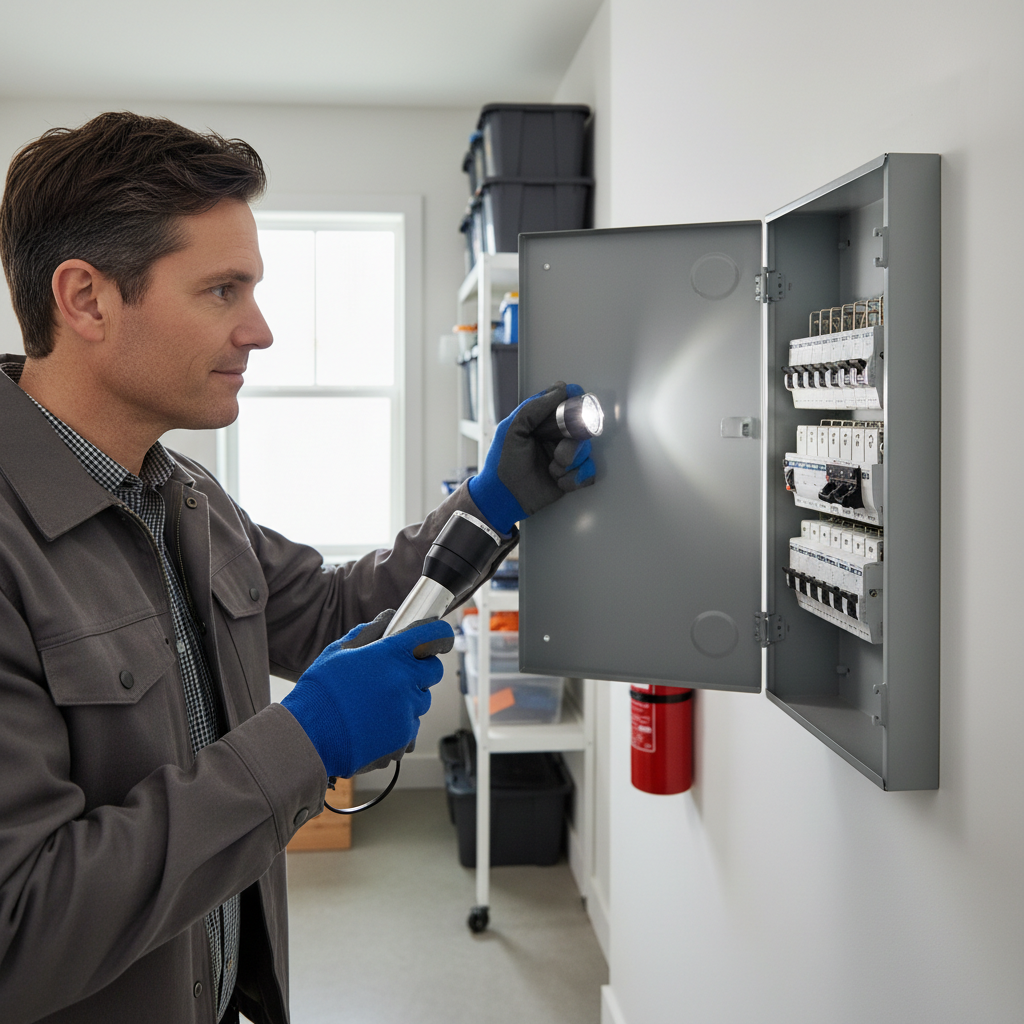
*A tripped breaker is by far the most frequent reason an AC fails to start. This happens to prevent electrical overload. Locate your main electrical panel, usually in a basement, garage, or utility closet.
- Safety First: Always use extreme caution when dealing with electrical panels. Do not touch exposed wires. If you are uncomfortable, call a professional.
- Find the breaker: Look for a breaker labeled 'AC,' 'Furnace,' or 'Air Handler.' It will likely be a 240-volt double-pole breaker (two switches tied together) for the outdoor unit, and a 120-volt single-pole breaker for the indoor unit. A tripped breaker will be in the ' tripped ' position, often midway between 'On' and 'Off,' or fully 'Off.'
- Reset the breaker: Firmly push the tripped breaker completely to the 'Off' position, then firmly push it all the way to the 'On' position. Never force it.
- Wait: Give your AC system 10-15 minutes after resetting before expecting it to turn on, as some systems have a built-in delay.
- If it trips again immediately: Do NOT keep resetting it. This indicates a serious electrical fault or component failure (e.g., short circuit, seized compressor) and requires professional diagnosis. Turn the breaker off and call an HVAC technician.
3. Verify Outdoor Disconnect Switch — *A forgotten power switch.
*The outdoor condenser unit has a dedicated electrical disconnect box located on the exterior wall, usually within sight of the unit. This is a safety feature for technicians working on the unit.
- Open the box: Carefully open the cover of the disconnect box. Inside, you'll typically find either a pull-out block or a toggle switch.
- Ensure it's 'On': If it's a pull-out block, ensure it's fully seated and oriented correctly (some have an 'On/Off' or arrow indication). If it's a toggle switch, ensure it's in the 'On' position.
- Safety Note: This box contains high voltage. Do not touch any components inside unless you are certain the power is off at the main breaker. Only manipulate the pull-out handle or the switch.
4. Check the Indoor Unit's Power Switch — *An overlooked furnace switch.
*Your indoor air handler or furnace, which houses the blower fan and evaporator coil, also has a standard light-switch style power switch located usually on or near the unit, on the wall, or mounted to a nearby junction box.
- Find the switch: Look for a toggle switch that resembles a light switch. It's often mistaken for a light switch for a nearby bulb.
- Ensure it's 'On': Make sure this switch is in the 'On' position. It's often accidentally flipped off by someone reaching for something or during cleaning.
5. Inspect the Condensate Drain Line Switch — *A common cause of system shutdown.
*Your AC system creates condensation. If the condensate pan overflows due to a clogged drain line, a safety float switch will trip, shutting down the entire system to prevent water damage. This is a very common reason for a system not turning on.
- Locate the pan: Find the condensate pan, usually beneath the indoor evaporator coil (often inside the furnace housing or a dedicated air handler cabinet).
- Check for water: If there's standing water in the pan, the float switch has likely activated.
- Clear the clog: Carefully clear any debris from the drain line opening and attempt to vacuum out the clog with a wet/dry vac at the outdoor end of the drain line (if accessible) or at a cleanout port. You can also try carefully flushing with a cup of distilled vinegar mixed with water.
- Reset: Once the water has drained, the float switch should reset itself. Wait 15-20 minutes before trying the AC again.
Common Causes
- Tripped Circuit Breaker: The most frequent cause, protecting the system from electrical overload or a short. A hard start, a power surge, or a component drawing too much current can trip it.
- Thermostat Issues: Incorrect settings (wrong mode, high temperature setting), dead batteries, or internal wiring/logic problems preventing it from sending a 'call for cool' signal.
- Outdoor Disconnect Switch: Accidentally turned off, or corrosion on the pull-out block preventing good electrical contact.
- Indoor Unit Power Switch: Often mistaken for a light switch and accidentally turned off.
- Clogged Condensate Drain Line: Overflow in the condensate pan trips a safety float switch, shutting down the system to prevent water damage.
- Low Refrigerant/Pressure Switch Trip: If refrigerant levels are critically low (due to a leak), a low-pressure switch can trip, preventing the compressor from starting to protect it. This requires professional diagnosis and repair.
- Contactor or Capacitor Failure: Electrical components in the outdoor unit can fail, preventing the compressor and fan from receiving power. These are typically audible clicks or hums that don't lead to start-up.
Common Mistakes
- Ignoring the Circuit Breaker: Many homeowners jump to conclusions about expensive repairs without checking the most basic power supply issue. Always check this first.
- Repeatedly Resetting a Tripped Breaker: If a breaker trips immediately after being reset, it indicates a serious underlying electrical problem. Continually resetting it can cause damage to the AC components or create a fire hazard.
- Overlooking the Outdoor Disconnect: It's a simple, often forgotten step in the electrical chain that can completely prevent the outdoor unit from getting power.
- Forgetting the Indoor Unit Switch: Particularly common if the switch looks like a normal light switch, it can be accidentally flipped off.
- Setting Thermostat Too Low: While not directly preventing startup, setting the thermostat drastically low on a hot day can cause the unit to run continuously and potentially lead to coil freeze-up, which then prevents cooling.
- Skipping Condensate Drain Check: A very common safety lockout; without checking for standing water, you're missing a key diagnostic step.
Cost & Time Breakdown
| Task | DIY Cost | Pro Cost | Time |
|---|---|---|---|
| Reset breaker/Switches | $0 | $100–$200 | 5–15 minutes |
| Thermostat Battery Replacement | $5–$15 | $100–$250 | 5 minutes |
| Drain Line Clear | $0–$10 | $150–$300 | 30–60 minutes |
| New Thermostat (DIY Install) | $30–$200 | $250–$500 | 30–60 minutes |
| Professional Diagnostic | N/A | $150–$300 | 30–90 minutes |
Tips & Prevention
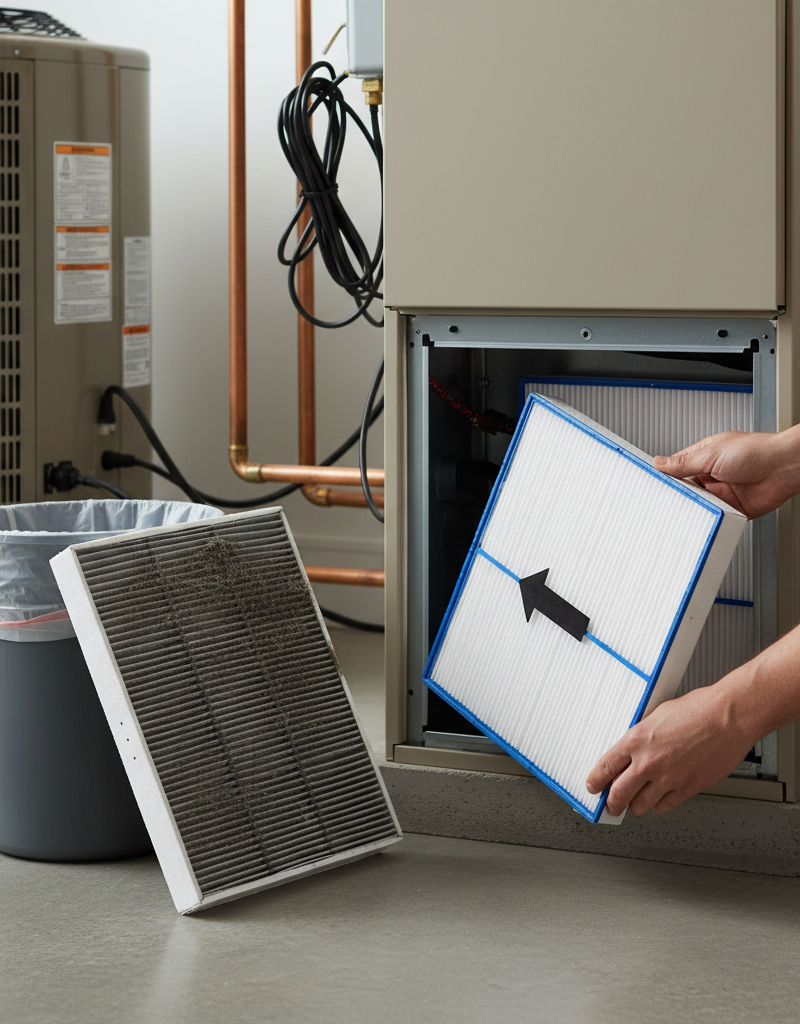
- Regular Filter Changes: Replace your air filter every 1-3 months (more often with pets or allergies) to ensure good airflow and prevent strain on the system.
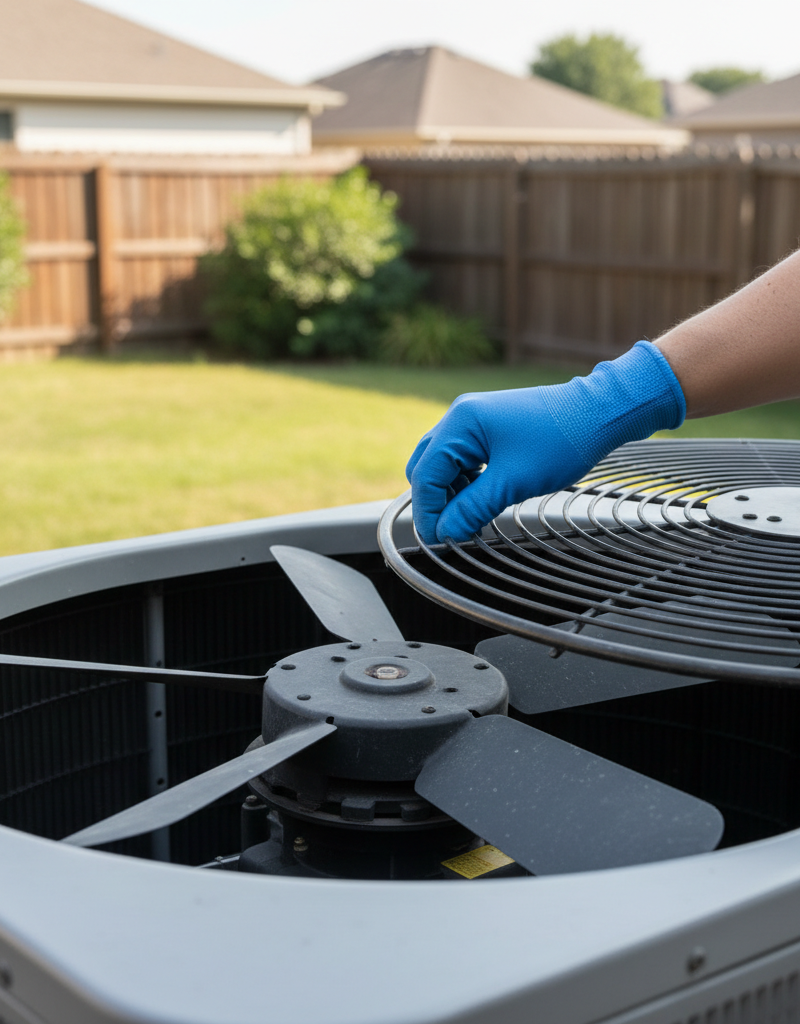
- Clear Outdoor Unit: Keep the outdoor condenser unit free of dirt, leaves, and debris. Trim shrubs and plants at least 2 feet away to ensure proper airflow.
- Annual Professional Tune-up: Schedule a professional HVAC inspection and tune-up every spring. This can catch minor issues before they become major breakdowns.
- Check Thermostat Annually: Make sure your thermostat is working correctly and consider replacing old mercury-style or unprogrammable thermostats with modern, energy-efficient programmable or smart models.
- Pour Vinegar Down Drain: Pour a cup of distilled white vinegar, followed by water, down your condensate drain line every few months during cooling season to inhibit algae growth and prevent clogs.
When to Call a Professional
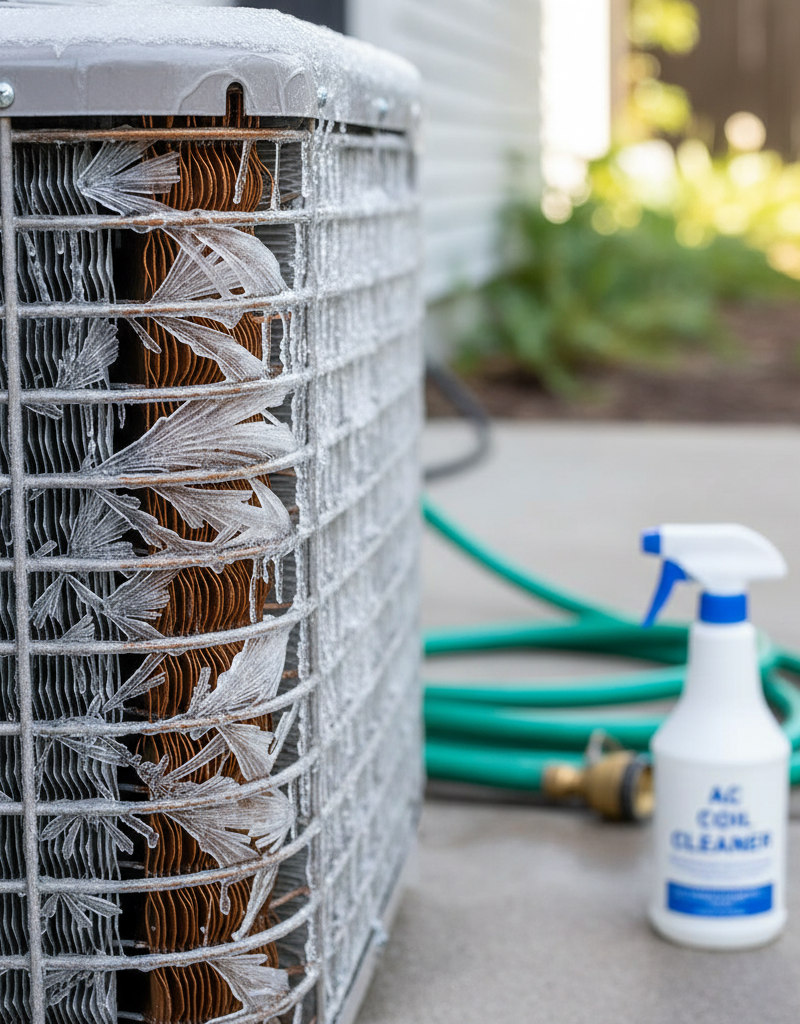
If you've systematically worked through the troubleshooting steps above—checking your thermostat, circuit breakers, disconnect switches, and condensate drain—and your AC unit still refuses to turn on, it's time to call a licensed HVAC professional. Do not attempt to diagnose or repair internal electrical components like capacitors, contactors, or the compressor itself, as these involve high voltage and specialized knowledge. If the circuit breaker for your AC repeatedly trips, or if you hear unusual grinding, buzzing, or hissing sounds from the unit, immediately turn off the power at the main breaker and contact a technician. Similarly, a refrigerant leak (indicated by ice on the lines or poor cooling after a brief run) requires a certified professional to handle the hazardous chemicals safely and legally. Attempting these repairs yourself can void warranties, lead to further damage, or, most importantly, pose serious safety risks.
Frequently asked questions
Why would my AC suddenly stop working?+
The most common reasons are a tripped circuit breaker, an incorrectly set thermostat, the outdoor disconnect switch being off, or a clogged condensate drain line that activates a safety switch.
Should I reset my AC's circuit breaker multiple times?+
No, if your AC circuit breaker trips immediately after being reset, it indicates a short circuit or a serious component failure. Repeatedly resetting it can cause further damage or create a fire hazard. Call a professional.
My outdoor AC unit won't turn on, but the indoor fan works. What's wrong?+
If your indoor fan runs but the outdoor unit doesn't, it could be a tripped circuit breaker for the outdoor unit, the outdoor disconnect switch is off, a faulty capacitor, a bad contactor, or an issue with the low-voltage control wiring from the thermostat to the outdoor unit. Check the breaker and disconnect switch first.
How do I check my AC condensate drain line?+
Locate the condensate pan, usually beneath the indoor evaporator coil. If there's standing water, the line is likely clogged. Clear any debris and try to flush it with a vinegar-and-water solution or use a wet/dry vac at the drain's exit point.
When should I call a professional for an AC that won't turn on?+
Call a professional if, after checking your thermostat, circuit breakers, disconnect switches, and condensate drain, your AC still won't start. Also, if a breaker repeatedly trips, or if you hear unusual noises from the unit, it indicates a more serious issue requiring expert diagnosis and repair.
Discussion
Loading comments…