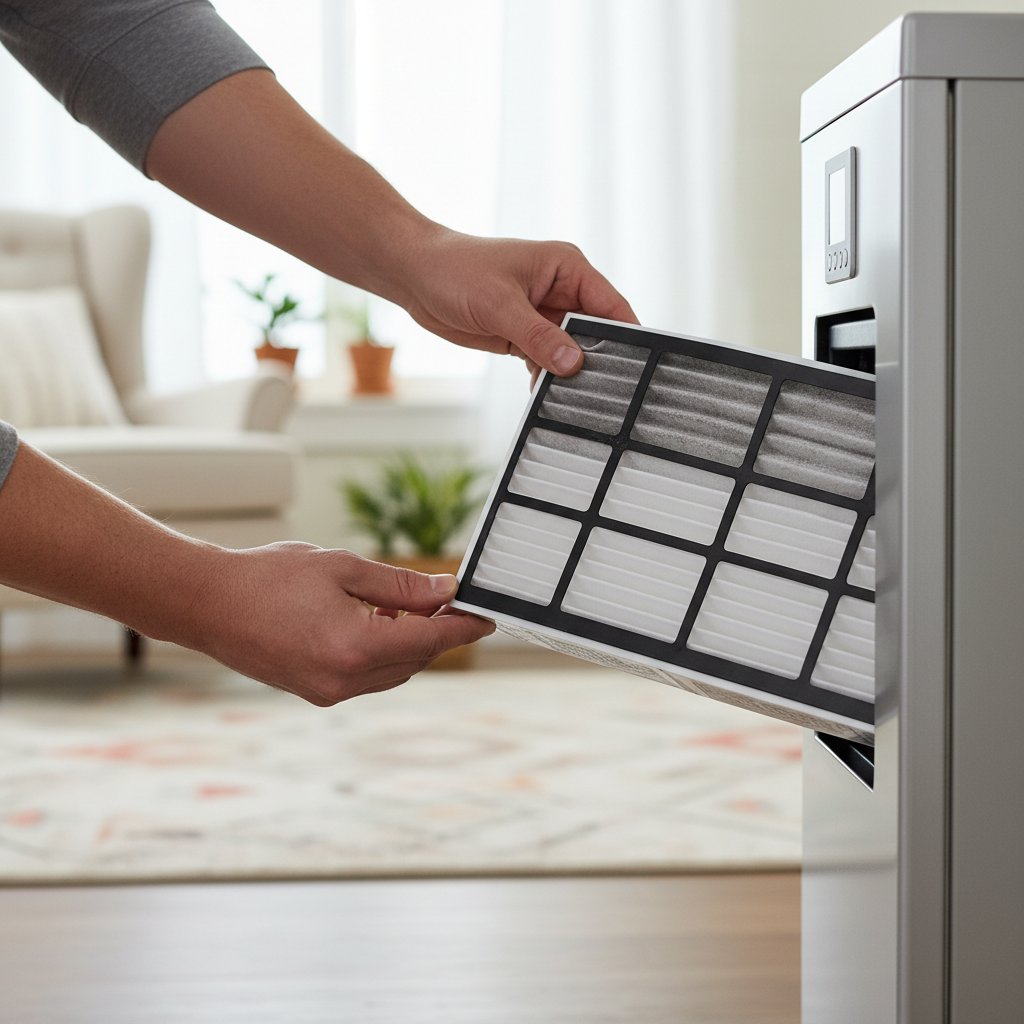
Tools & materials you'll need
Affiliate links- AmazonNew HVAC air filter1 · Correct size and MERV rating (8-11)
As an Amazon Associate FixlyGuide earns from qualifying purchases — at no extra cost to you. Prices and availability are accurate as of publication and subject to change.
Quick Answer
When your furnace kicks on for the first time in a while, it often burns off accumulated dust on the heat exchanger, creating a temporary burning smell. While usually harmless, this is a clear indicator that your HVAC system, especially the air filter and ducts, needs attention to improve air quality and efficiency.
The Problem
You've felt that familiar chill in the air, and finally, it's time to switch on the furnace. But instead of warm, clean air, you're hit with a pungent burning smell, sometimes described as dusty, metallic, or even like burning hair. This can be alarming, making you wonder if your furnace is about to catch fire or if there's a serious problem lurking in your ventilation system. While often a benign issue, dismissing this smell can lead to discomfort, reduced indoor air quality, and, in some cases, signal a more significant underlying issue that needs addressing.
How It Works
To understand the burning dust smell, it's helpful to know how your furnace generates heat and distributes it. Most residential furnaces operate by burning natural gas or propane in a combustion chamber, and the heat produced is then transferred to a heat exchanger. This metal component separates the combustion gases from the clean air circulating through your home. A blower motor then draws cool air from your return ducts, pushes it over the hot heat exchanger, where it warms up, and then forces this heated air through your supply ducts and out into your living spaces. The combustion byproducts, meanwhile, are safely vented outside through a flue.
When your furnace sits idle during the warmer months, especially in humid or dusty environments, dust, pet dander, and other airborne particles can settle and accumulate on the surfaces within your furnace. The heat exchanger, in particular, due to its internal fins and often warm residual temperature, becomes a magnet for these particles. When the furnace fires up for the first time after a long period of inactivity, the heat exchanger rapidly heats up to temperatures often exceeding 300-400°F (150-200°C). This sudden increase in temperature causes any accumulated dust or debris on its surface to literally burn off. This combustion of organic particles (dust) is what creates that distinctive burning smell. Think of it like a toaster burning off crumbs—it's usually not a fire, but rather the rapid incineration of small organic matter. Over time, as the furnace continues to run, this accumulated dust is typically consumed, and the smell dissipates. However, persistent or unusual smells can indicate other issues, which we'll explore below.
Step-by-Step Fix
1. Safety First – Before touching anything, ensure your furnace is off.
- Locate your furnace's main power switch (often a light switch on a box near the furnace) and turn it to the 'OFF' position. For gas furnaces, you should also turn off the gas supply using the shut-off valve on the gas line leading to the furnace.
- Safety Note: Never attempt to inspect or clean the inside of a furnace while it's powered or receiving gas. Electrical shock or gas leaks are serious hazards.
2. Check and Replace Your Air Filter – The most common culprit for dusty smells.
- Locate the air filter slot, usually found in a return air duct immediately adjacent to the furnace or inside the furnace unit itself.
- Pull out the old filter. If it's dark gray, caked with dust, or visibly dirty, it's likely restricting airflow and contributing to the smell.
- Replace it with a new, correctly sized filter. Aim for a MERV rating between 8 and 11 for good filtration without overly restricting airflow. Note the date of replacement on the filter frame.
- If this doesn't work: Consider upgrading to a higher MERV filter (up to 13) if dust is a persistent problem, but be aware that higher MERV filters can sometimes restrict airflow more, so consult your furnace manual or an HVAC pro if you notice reduced airflow after upgrading.
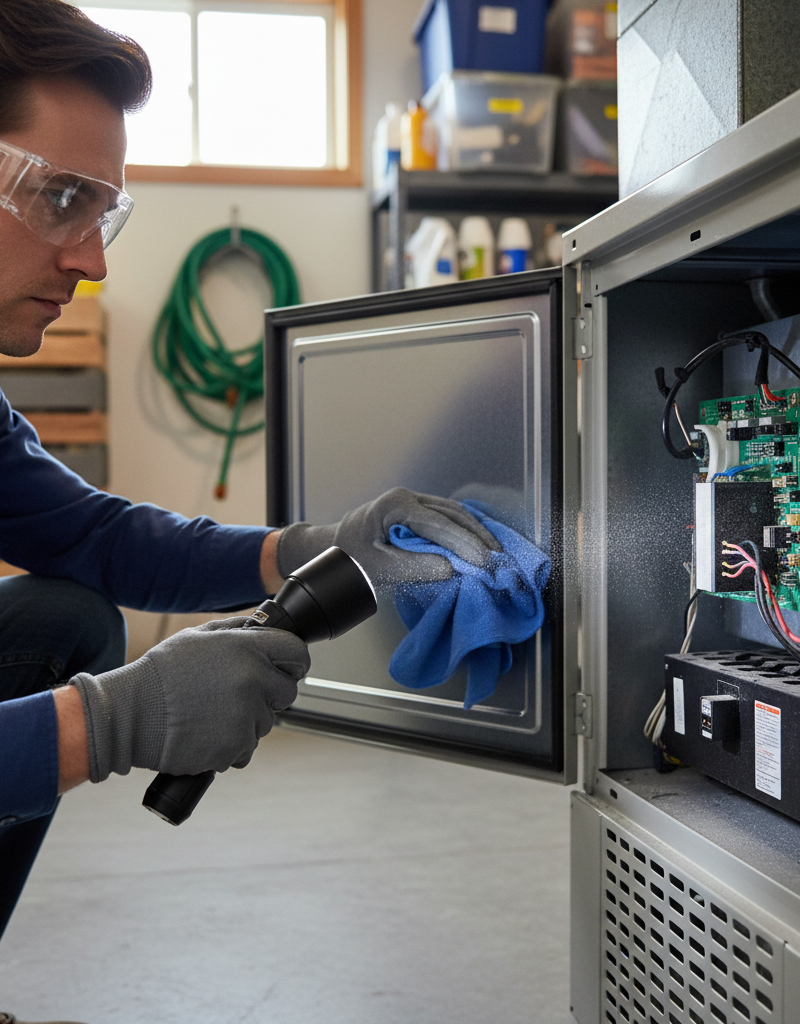
3. Inspect and Clean the Furnace Exterior and Blower Area – Remove loose dust built up over summer.
- Use a vacuum cleaner with a brush attachment to carefully clean around the furnace cabinet, paying attention to the intake vents and the area around the blower motor housing.
- If your furnace has an access panel for the blower compartment (consult your manual), carefully open it (power MUST be off). Gently vacuum any loose dust or debris from the blower fan blades and housing. Do not spray water or cleaning solutions inside.
- Important: Avoid touching electrical components or the heat exchanger fins directly with your hands or the vacuum hose as they can be delicate.
4. Clean Return Air Vents and Registers – Prevent dust from re-entering the system.
- Use a vacuum cleaner with a hose attachment to thoroughly clean all return air vents (the larger grilles where air is drawn into the system) throughout your home. Dust accumulating here can be sucked into the system.
- While you're at it, give your supply registers (where warm air comes out) a quick clean as well.
5. Check for Obstructions in Ducts (Visual) – Look for obvious blockages.
- Using a flashlight, peer into accessible sections of your return and supply ducts (after removing registers). Look for large obstructions like toys, pet nests, or significant debris.
- Pro Tip: If you see extensive mold growth or large animal nests, do not attempt to clean this yourself. This requires professional duct cleaning.
6. Run the Furnace Fan Only – Circulate air to dislodge lingering odors.
- After cleaning and replacing the filter, restore power and gas to the furnace. Set your thermostat to 'FAN ON' (not 'HEAT'). Let the fan run for 15-30 minutes to circulate air and potentially dislodge any remaining dust or odors without engaging the heating elements.
- If this doesn't work: If the smell persists even with the fan running only, it suggests the issue might not be primarily dust being burned off, but potentially something else within the air circulation path, such as dirty evaporator coils if you have central AC.
7. Test the Heat Cycle – Observe if the smell dissipates.
- Set your thermostat to a temperature higher than the current room temperature to engage the heating cycle.
- Monitor the furnace and the air coming from the vents. A mild, short-lived dusty smell is common for the first few cycles after a long shutdown. It should diminish within an hour or two of continuous operation.
- If the smell persists or worsens: If the burning smell is strong, acrid, metallic, electrical, or accompanied by visible smoke, immediately turn off the furnace and call an HVAC professional. These could indicate serious issues like overheating electrical components or a cracked heat exchanger.
Common Causes
- Accumulated Dust on Heat Exchanger: This is the most prevalent cause, especially when activating the furnace after months of disuse. Dust, pet dander, and other airborne particles settle on the heat exchanger. When the unit heats up, these particles burn off, causing the smell. It's usually temporary and harmless.
- Dirty Air Filter: A clogged air filter restricts airflow, causing the furnace to work harder and potentially overheat. It also allows more dust to bypass the filter and settle on internal components, exacerbating the burning dust smell.
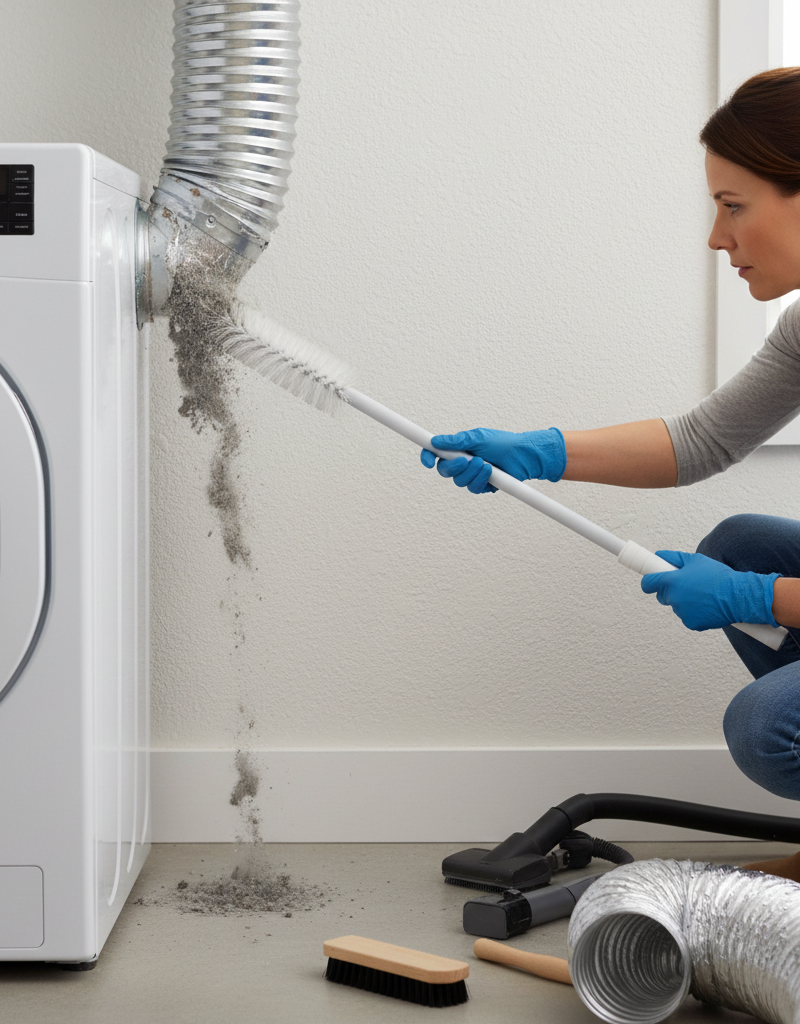
- Dirty Ductwork: Over time, dust, pet hair, and even mold can accumulate in your duct system. When the furnace fan kicks on, these particles can be disturbed and circulated, contributing to a stale or dusty burning smell.
- Pests or Debris in Vents/Ducts: Small animals, insects, or even nesting materials can get into your ductwork. When heated, these can produce unpleasant and sometimes burning odors.
- New Furnace Burn-Off: A brand-new furnace can emit a burning smell during its initial run cycles. This is often due to the burning off of manufacturing oils, coatings, or dust from the factory. This should be temporary.
- Overheating Electrical Components: A burning electrical smell (like burning plastic or rubber) is a serious sign. This could indicate an overheating motor, faulty wiring, or a malfunctioning circuit board.
- Cracked Heat Exchanger (Serious): While rare, a cracked heat exchanger can sometimes cause a distinct chemical or burning smell as combustion gases leak into the circulating air. This is extremely dangerous due to carbon monoxide risk and requires immediate professional attention.
Common Mistakes
- Ignoring the Smell for Too Long: While often benign, dismissing a persistent or worsening burning smell without investigation can allow minor issues to escalate into major, costly repairs or even safety hazards.
- Neglecting Filter Changes: Many homeowners forget to check or change their furnace filter regularly (every 1-3 months). This is the single most effective way to prevent dust buildup and maintain air quality.
- Using the Wrong Filter Size or Type: An incorrectly sized filter will allow dust to bypass it. Using too restrictive a filter (too high MERV) without proper system assessment can strain the blower motor.
- Failing to Turn Off Power/Gas Before Inspection: Starting any cleaning or inspection without cutting off both electrical power and, for gas furnaces, the gas supply, is extremely dangerous and can lead to electric shock or gas leaks.
- Aggressive Internal Cleaning: Attempting to forcefully clean internal furnace components, especially the heat exchanger fins or delicate electrical parts, can cause damage that is expensive to repair.
- Confusing Dust Smell with Electrical/Chemical Smell: It's crucial to distinguish between the smell of burning dust (organic, musty) and a burning electrical smell (plastic/rubber) or a chemical/exhaust smell. The latter two are almost always signs of serious trouble.
Cost & Time Breakdown
| Task | DIY cost | Pro cost | Time |
|---|---|---|---|
| Air filter replacement | $15–$40 | $0 (part of service) | 5 minutes |
| Basic furnace exterior vacuum | $0 | $0 (part of service) | 10–15 minutes |
| Duct cleaning (professional) | N/A | $300–$700 | 3–6 hours |
| Blower motor repair/replacement | N/A | $400–$1,500 | 2–4 hours |
| Heat exchanger replacement | N/A | $1,000–$4,000+ | 4–8 hours |
| Professional HVAC inspection | N/A | $80–$150 | 30–60 minutes |
Tips & Prevention
- Regular Filter Changes: Replace your furnace filter every 1-3 months, especially during peak heating season, or more frequently if you have pets, allergies, or live in a dusty environment. Mark the date on the filter frame.
- Seasonal Startup: Before the heating season begins, run your furnace fan for an hour or two on its own to help circulate and clear out some accumulated dust before engaging the heat. This can lessen the intensity of the initial burning smell.
- Dust Control: Regularly dust and vacuum your home, paying attention to return air grilles. Keep the area around your furnace clean and clear of clutter.
- Professional Tune-Ups: Schedule annual professional HVAC maintenance. A technician can clean internal components, inspect for potential hazards like cracked heat exchangers, and ensure your system is running efficiently and safely.
- Consider Duct Cleaning: If you've lived in your home for many years, have recently undertaken renovations, or notice persistent dust and odors even after regular filter changes, professional duct cleaning might be beneficial.
- Monitor for Changes: Pay attention to any new or persistent smells, strange noises, or changes in heating performance. Early detection can prevent minor issues from becoming major problems.
When to Call a Professional
While a temporary dusty burning smell is often a DIY fix, there are clear instances when you should immediately turn off your furnace and contact a licensed HVAC professional. If the burning smell is electrical, like burning plastic or rubber, it indicates overheating wiring or components, posing a significant fire risk. A persistent acrid or metallic smell after the initial startup period, or a smell resembling exhaust fumes or rotten eggs, could signal a dangerous carbon monoxide leak from a cracked heat exchanger or a gas leak, respectively. Additionally, if the smell is accompanied by visible smoke, unusual noises like grinding or squealing, or if your furnace isn't heating properly, these are all strong indicators that the issue is beyond a simple dust problem and requires expert troubleshooting and repair to ensure your home's safety and comfort.
Related Articles
Keep troubleshooting with these hand-picked guides from FixlyGuide:
- Bathroom fan smell? 3 hidden culprits for mold & moisture — A musty smell from your bathroom fan often signals trapped moisture and mold growth in the fan housing or ductwork, a fixable issue that ha…
- The Secret Reason Your Oven Fails to Heat (It's NOT Always the Element) — Discover why your oven isn't reaching its set temperature, from common part failures to overlooked calibration issues, and how to fix it.
- The $5 Part That Stops Your Dryer From Heating (And How to Replace It in 30 Minutes) — A dryer that tumbles but doesn't heat often points to a blown thermal fuse, a simple and inexpensive fix most homeowners can do themselves.
- That 'Energy-Saving' HVAC Trick Is Costing You Money — You've heard the advice: close HVAC vents in unused rooms to save on heating and cooling. But this common practice is a myth. It actually h…
- The Secret Reason Your Thermostat Lies (and 5 Fixes That Actually Work) — If your thermostat isn't reaching its set temperature, understanding the underlying cause is key to a comfortable home and lower energy bil…
- That Ceiling Stain Isn't a Leak: 5 Hidden Causes — A mysterious ceiling stain can be alarming, especially when there's no active leak. The real culprits are often hidden issues like attic co…
Frequently asked questions
Why does my house smell like burning dust when the heat turns on?+
The most common reason for a burning dust smell when your heat turns on is that dust and debris have settled on your furnace's heat exchanger during the off-season. When the furnace fires up, these particles burn off, creating a temporary odor. It's usually harmless but signals a need for basic maintenance.
Is a burning smell from the furnace dangerous?+
A mild, temporary burning dust smell at the start of the heating season is typically not dangerous. However, if the smell is strong, persistent, electrical (like burning plastic or rubber), metallic, resembles exhaust fumes, or is accompanied by smoke or unusual noises, immediately turn off your furnace and call an HVAC professional, as this could indicate a serious problem like overheating components or a carbon monoxide leak.
How do I get rid of the burning dust smell from my furnace?+
To get rid of the smell, first turn off power and gas to your furnace. Then, replace your air filter, vacuum around the furnace's exterior and accessible blower components, and clean return air vents. After re-powering, run the fan for 15-30 minutes, then test the heat. The smell should dissipate within a few hours of operation. Regular filter changes and annual maintenance prevent recurrence.
How often should I change my furnace filter to prevent smells?+
You should change your furnace filter every 1 to 3 months, especially during peak heating seasons or if you have pets, allergies, or a dusty home. Regularly replacing the filter is crucial for efficient operation, good air quality, and preventing dust buildup that causes burning smells.
When should I call an HVAC professional for a burning smell?+
Call an HVAC professional if the burning smell is electrical, metallic, like exhaust fumes (carbon monoxide), or gas. Also, call if the smell is persistent, accompanied by smoke, grinding noises, or if your furnace isn't heating properly. Any of these symptoms suggest a serious underlying problem that requires expert diagnosis and repair.
Discussion
Loading comments…