Tools & materials you'll need
Affiliate links- AmazonWork Gloves1 pair
As an Amazon Associate FixlyGuide earns from qualifying purchases — at no extra cost to you. Prices and availability are accurate as of publication and subject to change.
Quick Answer
Many homeowners overlook critical inspection points during their annual home assessment, leading to hidden damage and expensive repairs down the line. A thorough annual review, focusing on specific high-risk areas like the attic, crawl space, roofing, foundation, and major systems, can uncover issues before they escalate. By dedicating a few hours each year to these often-missed checks, you can maintain your home's value, prevent safety hazards, and save significant money.
The Problem
Your home is a complex system of interconnected components, constantly exposed to the elements, daily wear and tear, and the natural process of aging. While major issues like a leaking roof or a non-functioning furnace quickly grab our attention, it's the subtle, slow-developing problems that often go unnoticed during routine tidying or superficial checks. These hidden issues—like a cracked foundation invisible under landscaping, deteriorating flashing around a chimney, overloaded electrical circuits, or a minor plumbing leak in a seldom-used space—can quietly worsen, causing structural damage, fostering mold growth, compromising energy efficiency, or even creating fire hazards. The common homeowner's mistake is a reactive approach: waiting for a noticeable failure before taking action. This strategy inevitably leads to higher repair costs, more extensive damage, and greater inconvenience. The core problem is a lack of structured, proactive inspection that goes beyond the obvious to scrutinize the parts of your home most prone to subtle, yet significant, failures.
How It Works
Think of your home as a living organism, always communicating its health to you through various subtle cues. An effective home inspection is about understanding these cues and knowing where to look for them. Each major system in your home—from its structural bones to its intricate veins of plumbing and nerves of electrical wiring—has specific vulnerabilities. For instance, your roof, exposed directly to sun, rain, and snow, relies on its shingles, flashing, and gutters to shed water effectively. Small cracks in caulk or missing granules on shingles can compromise this defense, leading to water intrusion into the attic, which in turn can foster mold, rot wooden framing, and damage insulation. The foundation, your home's bedrock, can slowly shift due to soil expansion and contraction, tree roots, or improper drainage. These shifts manifest as hairline cracks in the basement walls or uneven floors, often dismissed as normal settlement until they become structural concerns. Similarly, your HVAC system, working tirelessly to maintain comfort, constantly accumulates dust and debris, leading to reduced efficiency and potential mechanical failure if not regularly inspected and serviced. Electrical systems, while largely hidden, give clues through flickering lights, warm outlets, or frequently tripped breakers, indicating overloaded circuits or loose connections. Plumbing leaks start small, often evidenced by a faint musty smell or minor discoloration before they turn into major busts. The goal of an annual inspection is to systematically examine these areas, listening to the 'language' of your home to catch these early warnings signs, allowing for timely, targeted interventions that preserve its integrity and your peace of mind.
Step-by-Step Fix
While this article outlines specific inspection points, remember that comprehensive home maintenance is an ongoing process, not a one-time fix.
-
Survey the Roof for Red Flags — From the ground with binoculars, or safely from a sturdy ladder, inspect shingles for curling, cracking, or missing tabs. Look for excessive granule loss, especially in valleys or near downspouts, which indicates aging. Check for damaged or loose flashing around chimneys, skylights, and vent pipes.
- Safety Note: Always use a stable ladder set on level ground. Have a spotter if climbing onto the roof. Avoid inspecting in wet or windy conditions. If you're uncomfortable on a ladder, opt for a ground-level inspection with binoculars.
- If finding extensive damage: Small repairs like sealing loose flashing can be DIY, but widespread shingle damage or structural concerns warrant a professional roofer's assessment.
-
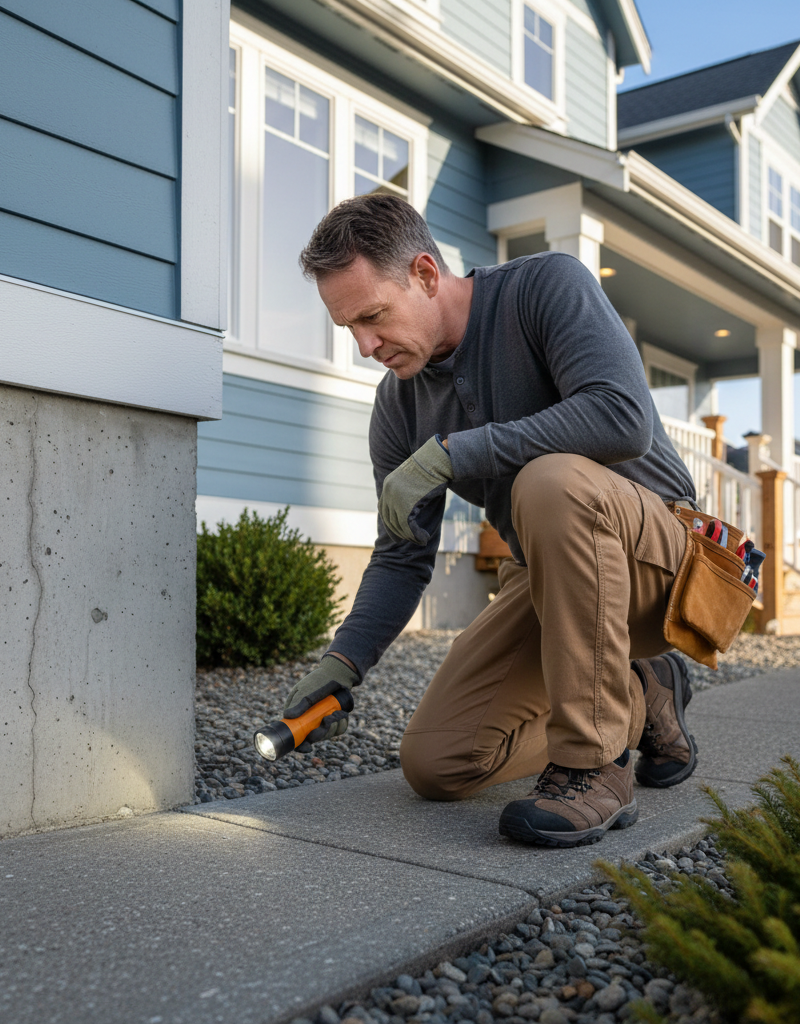
Examine the Foundation for Cracks and Movement — Walk the perimeter of your house. Look for significant cracks (wider than 1/8 inch), leaning walls, or signs of settling like uneven patios or porches. Check for proper drainage away from the foundation; water pooling can lead to hydrostatic pressure.
- Tools: A measuring tape or ruler to gauge crack width. A level can confirm sloping floors on the interior.
- If finding significant cracks: Hairline cracks are often normal settlement, but large, horizontal, or stair-step cracks, especially if accompanied by bowing walls, require immediate professional evaluation by a structural engineer.
-
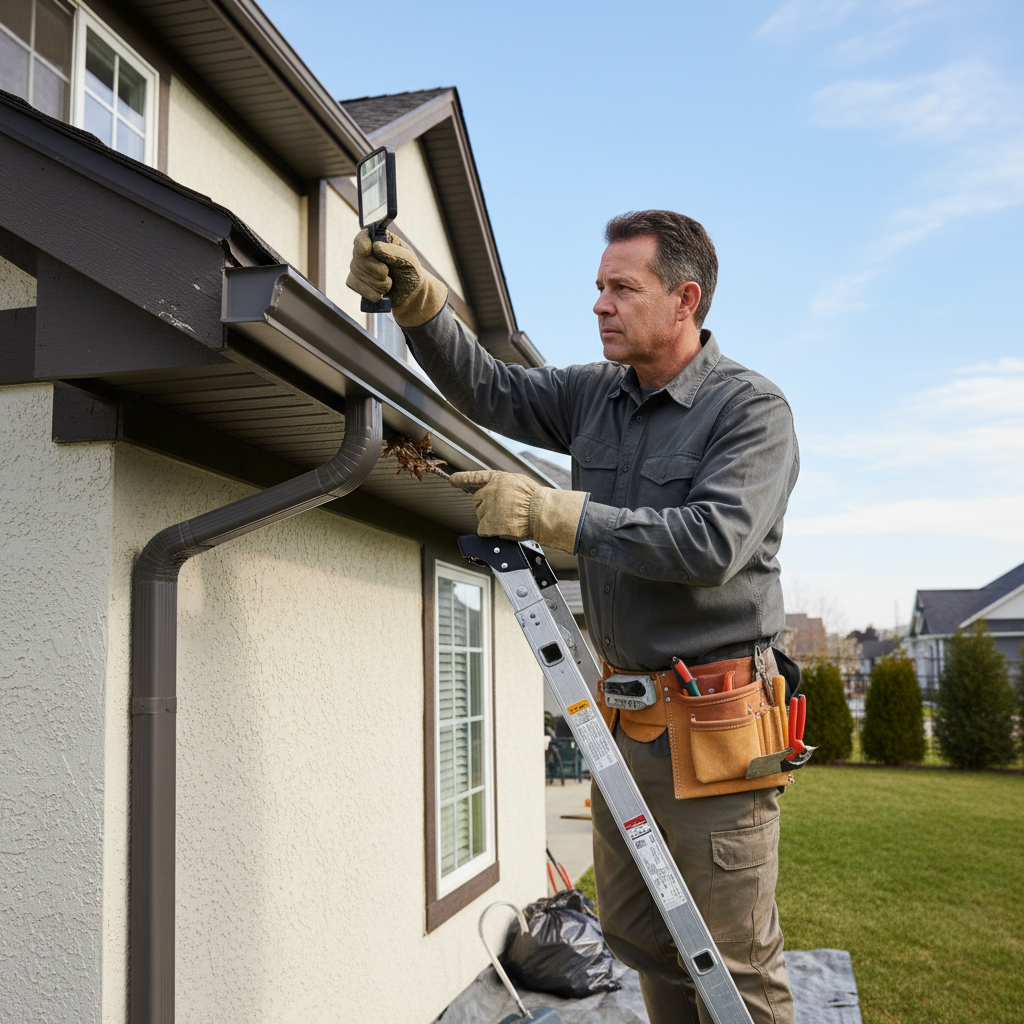
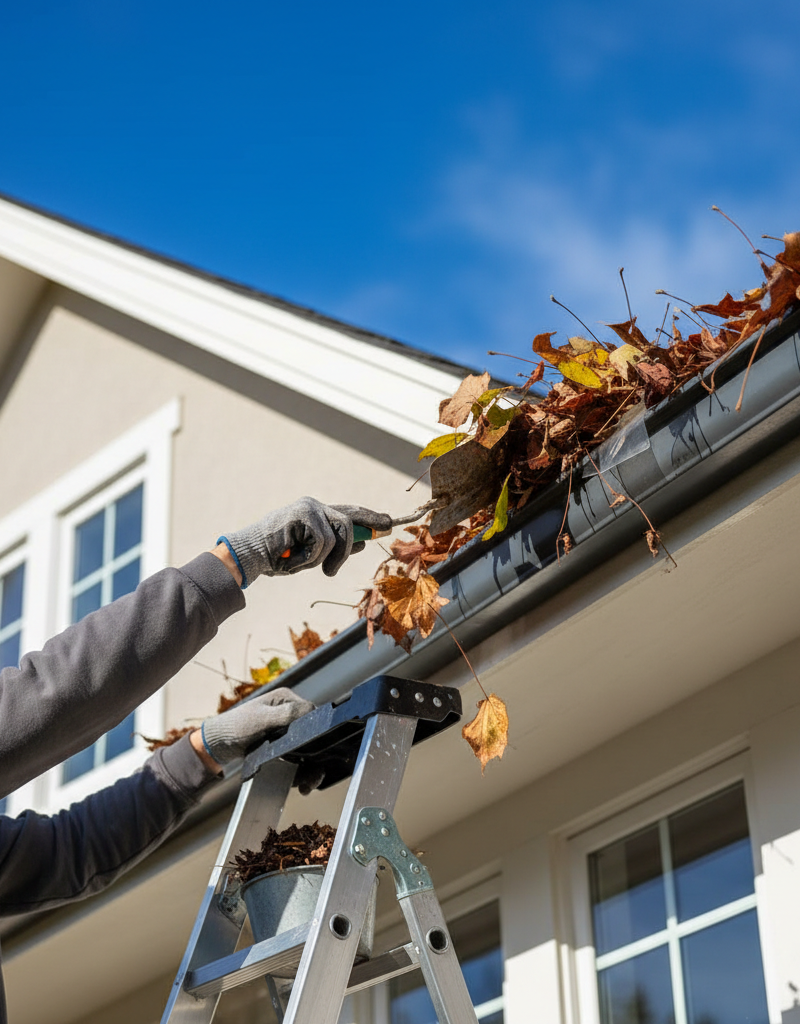
Inspect Gutters and Downspouts — Ensure gutters are free of leaves, twigs, and debris. Check that they are securely attached to the fascia and have a proper slope towards the downspouts. Confirm downspouts extend at least 5-10 feet away from the foundation to direct water away from the house.
- Tools: Sturdy ladder, work gloves, small trowel or scoop.
- Maintenance: Clean gutters thoroughly, ideally twice a year (spring and fall). Consider gutter guards if debris is a constant issue.
-
Audit the Attic for Leaks and Ventilation Issues — Safely enter your attic. Look for water stains on the underside of the roof sheathing or insulation, indicating leaks. Check for proper ventilation—soffit and ridge vents should be clear and unobstructed. Ensure insulation is evenly distributed and not compressed or wet.
- Safety Note: Wear a mask (dust and insulation particles), eye protection, and long sleeves in the attic. Watch your footing to avoid stepping through the ceiling. Use a strong flashlight.
- If finding water stains or mold: Pinpoint the source. Small leaks can sometimes be caulked. Larger issues or persistent moisture indicate significant roofing problems or inadequate ventilation that need professional attention.
-
Probe the Plumbing for Leaks and Corrosion — Systematically check under all sinks, around toilets, and near water heaters for signs of drips, water stains, or corrosion. Flush all toilets and run all faucets, checking for proper drainage and water pressure. Inspect visible pipes for sweating or rust.
- Tools: Flashlight, paper towels to test for subtle leaks.
- If finding leaks: Tighten connections. For persistent drips or significant corrosion, turn off the water supply to that fixture and consider replacing worn components. For main supply lines or hidden leaks, call a licensed plumber.
-
Scan the Electrical System for Safety — Look for warm outlets or switch plates, flickering lights, or frequently tripped circuit breakers (beyond normal high-draw appliance use). Ensure GFCI outlets are present in bathrooms, kitchens, and outdoor areas, and test them monthly.
- Safety Note: NEVER open electrical panels or attempt to diagnose internal electrical issues. This is a job for a licensed electrician.
- Testing GFCIs: Press the 'Test' button, which should trip the outlet (power off). Press 'Reset' to restore power. If it doesn't trip, the GFCI is faulty and should be replaced.
-
Evaluate Exterior Siding and Trim — Examine siding (vinyl, wood, brick) for cracks, rot, loose panels, or signs of pests. Check painted surfaces for peeling or blistering. Ensure caulk around windows and doors is intact and flexible, providing a weather-tight seal.
- Tools: Small screwdriver to gently probe for soft or rotted wood.
- Maintenance: Re-caulk as needed. Repaint or repair damaged siding to prevent further deterioration and water intrusion.
Common Causes
- Neglect of Routine Maintenance: The most prevalent cause of hidden home damage is simply not performing regular, systematic checks. Small issues ignored lead to larger ones.
- Environmental Exposure: Weather (sun, rain, snow, wind, extreme temperatures) constantly degrades exterior components like roofing, siding, and caulk.
- Aging & Material Degradation: Even high-quality materials have a lifespan. Shingles become brittle, caulk dries out, pipes corrode, and wood eventually rots.
- Poor Initial Installation or Repairs: Substandard construction practices or DIY repairs done incorrectly can lead to premature failures.
- Improper Drainage: Water is the enemy of a home. If gutters are clogged or grading directs water towards the foundation, severe damage can occur.
- Pest Infestations: Termites, carpenter ants, rodents, and other pests can cause significant structural damage to wood, wiring, and insulation.
Common Mistakes
- Ignoring Minor Issues: A small water stain or hairline crack might seem insignificant, but it's often the first symptom of a larger, developing problem. Address them proactively.
- Lack of Systemic Inspection: Randomly looking around isn't enough. Follow a checklist that covers all critical areas annually to ensure nothing is missed.
- DIYing Beyond Your Skill Level: While many home inspections and minor fixes are DIY-friendly, attempting complex repairs (like electrical panel work or major structural fixes) without proper knowledge can be dangerous and costly. Know when to call a professional.
- Lack of Documentation: Not taking notes or photos during your inspection. This prevents you from tracking changes over time and showing specific issues to potential contractors.
- Neglecting Seasonal Checks: While an annual inspection is key, some components (like gutters and HVAC filters) require more frequent seasonal attention. Integrate these into your routine.
- Ignoring Exterior Grading: Ensure the ground around your home slopes away from the foundation. Insufficient grading is a major cause of basement water issues, often overlooked during inspections.
Cost & Time Breakdown
| Task | DIY cost | Pro cost | Time |
|---|---|---|---|
| Roof Inspection (visual) | $0 | $200–$600 (full inspection) | 15–30 minutes |
| Foundation Perimeter Check | $0 | $300–$800 (structural engineer) | 15–30 minutes |
| Gutter Cleaning & Inspection | $10–$25 (tools if needed) | $150–$300 | 30–60 minutes |
| Attic (visual for leaks/ventilation) | $0 | $150–$350 (HVAC/roofing specialist) | 20–40 minutes |
| Plumbing (visual for leaks) | $0 | $100–$250 (plumber call-out) | 15–30 minutes |
| Electrical (visual for hot spots/GFCIs) | $0 | $150–$300 (electrician call-out) | 10–20 minutes |
| Exterior Siding & Trim Check | $0 | $100–$200 (handyman) | 20–40 minutes |
Tips & Prevention
- Create a Calendar Reminder: Schedule your annual home inspection for the same time each year (e.g., early spring or late fall) to make it a consistent habit.
- Keep a Home Maintenance Log: Document all inspections, repairs, and professional services, noting dates, costs, and any issues found. This creates a valuable history for your home.
- Invest in Quality Tools: A good pair of binoculars, a sturdy ladder, a bright flashlight, and a moisture meter can significantly improve the accuracy and safety of your inspections.
- Address Issues Promptly: Don't procrastinate on small repairs. A minor leak today can become a major water damage claim tomorrow.
- Professional Tune-ups: Supplement your DIY inspections with annual professional servicing for critical systems like your HVAC, water heater, and chimney.
- Improve Drainage: Ensure proper grading around the foundation, keep gutters clear, and extend downspouts away from the house to prevent water-related damage.
When to Call a Professional
While this guide empowers you to perform many critical visual inspections and minor maintenance tasks, certain situations absolutely warrant the expertise of a licensed professional. If you discover widespread water damage, significant structural cracks in the foundation, persistent electrical issues like frequent circuit trips or warm outlets, or a gas smell, stop your DIY inspection immediately and contact a specialist. For roofing issues beyond a small patch, especially if you suspect underlying rot or widespread shingle degradation, a professional roofer can assess the full extent of the damage and recommend the most effective, safe solution. Similarly, for continuous plumbing leaks that cannot be resolved with a simple tightening, or any concerns about water pressure or drain function in main lines, a licensed plumber has the specialized tools and knowledge to diagnose and repair complex issues without causing further damage. Remember, attempting repairs beyond your skill level, particularly with electrical, gas, or major structural components, poses significant safety risks and could lead to more costly, extensive problems in the long run. Professionals ensure work is done correctly, safely, and often comes with guarantees.
Related Articles
Keep troubleshooting with these hand-picked guides from FixlyGuide:
- The 7 Critical Home Inspection Mistakes Most Homeowners Make (and How to Spot Them) — Discover the crucial home inspection mistakes homeowners commonly overlook and learn how to identify potential problems before they become…
- The 7 Critical Home Inspection Checks Most Homeowners Miss (and How to Do Them Yourself) — Discover the essential annual home inspection checks many homeowners overlook and learn how to perform them yourself to prevent costly repa…
- The 9 Sneaky Signs Your Roof Is Failing (And How to Spot Them From the Ground) — Learn to spot critical signs of roof damage from the safety of the ground, potentially saving thousands in repairs.
- The #1 Backsplash Mistake Most DIYers Make (And How to Fix It Before It's Too Late) — Discover the most overlooked mistake in beginner backsplash installations and how to prevent or fix it for a professional-looking finish.
- The 10-Second Flaw Home Inspectors Spot (That Hides Water Damage) — Discover the often-overlooked sign professionals catch in seconds that points to hidden water damage, protecting your home from costly repa…
- The 12 Checks That Prevent 80% of Costly Home Repairs — Don't wait for a disaster. Our comprehensive monthly home maintenance checklist reveals the surprising, simple tasks that catch small issue…
Get the print-ready PDF of this guide
A clean, ad-free, printable version you can keep on your phone or pin to the workshop wall. We'll also send occasional weekly tips matched to your home situation.
- Print-optimized layout
- Tools, materials & every step included
- Unsubscribe anytime
Frequently asked questions
How often should I perform a home inspection?+
You should perform a comprehensive visual home inspection at least once a year, ideally in the spring or fall. Some components, like gutters or HVAC filters, require more frequent, seasonal checks.
What are the most common hidden problems found in home inspections?+
Common hidden problems include minor roof leaks around flashing, foundation cracks hidden by landscaping, clogged or improperly sloped gutters leading to water intrusion, inadequate attic ventilation, and slow plumbing leaks under sinks or behind appliances.
Can I do a home inspection myself, or do I need a professional?+
Many visual aspects of a home inspection can and should be done by the homeowner annually. This article provides a guide for DIY checks. However, for a complete, in-depth evaluation that includes systems you can't easily access or assess (like electrical panels or complex HVAC components), a licensed professional home inspector is highly recommended every 3-5 years, or before buying/selling.
How can I prevent water damage from going unnoticed?+
Regularly check all visible plumbing for drips and stains, ensure gutters and downspouts are clear and directed away from the foundation, and inspect the attic for any signs of water intrusion or mold. Consider installing smart leak detectors in high-risk areas.
What's the best way to keep track of my home maintenance?+
Maintain a home maintenance log or spreadsheet where you record dates of inspections, notes on issues found, repairs made, and professional services performed. This helps you track your home's health over time and anticipate future needs.

Discussion
Loading comments…