Tools & materials you'll need
Affiliate linksAs an Amazon Associate FixlyGuide earns from qualifying purchases — at no extra cost to you. Prices and availability are accurate as of publication and subject to change.
Quick Answer
A door that refuses to latch properly is a frustrating but usually minor issue. The vast majority of these problems stem from one of three areas: a misaligned strike plate, loose door hinges, or a sticky or obstructed latch bolt mechanism. Fortunately, most of these fixes are straightforward, requiring only basic tools and about 20-30 minutes of your time. By systematically checking these components, you can often restore your door to proper working order without needing to call a professional.
The Problem
You push your door shut, but instead of the satisfying click of the latch engaging, it simply bounces open or remains ajar. This isn't just an annoyance; an unlatched door compromises privacy, security, and can even affect your home's energy efficiency if it's an exterior door. Over time, doors can settle, hinges can loosen, and wooden frames can swell or shrink due to humidity changes, all contributing to alignment issues that prevent the latch bolt from fully extending into the strike plate opening. The good news is that these problems rarely indicate a structural issue with your house or the door itself. Usually, a few minor adjustments are all that's required to get your door latching securely again.
How It Works
To understand why a door fails to latch, it helps to know how a door's latching mechanism is supposed to function. At its core, a standard door latch assembly consists of a spring-loaded latch bolt, the spindle connected to the door handles, and an internal mechanism that retracts the bolt when the handle is turned. When the door closes, the angled face of the latch bolt slides against the strike plate on the door frame. As the door continues to close, the angled face is pushed inward until it's clear of the strike plate opening. The spring then pushes the latch bolt fully into the opening in the strike plate, securing the door.
For this process to work seamlessly, several components must be in perfect alignment:
- The door itself: It must hang plumb (perfectly vertical) within the door frame.
- The hinges: These secure the door to the frame and must be tight and properly recessed.
- The latch bolt: This is the moving component in the door's edge that extends into the strike plate.
- The strike plate: This metal plate is recessed into the door frame and has a precisely cut opening for the latch bolt.
- The door frame: This must be square and stable, providing a solid anchor for the hinges and strike plate.
If any of these elements shift even slightly, the delicate alignment is disrupted. A common culprit is a misaligned strike plate, where the opening doesn’t perfectly match the latch bolt's path. Loose hinges can cause the door to sag, again throwing off the alignment. Sometimes, the latch bolt itself, due to dirt or lack of lubrication, can prevent it from fully extending. Understanding this interplay is key to diagnosing and fixing the problem.
Step-by-Step Fix
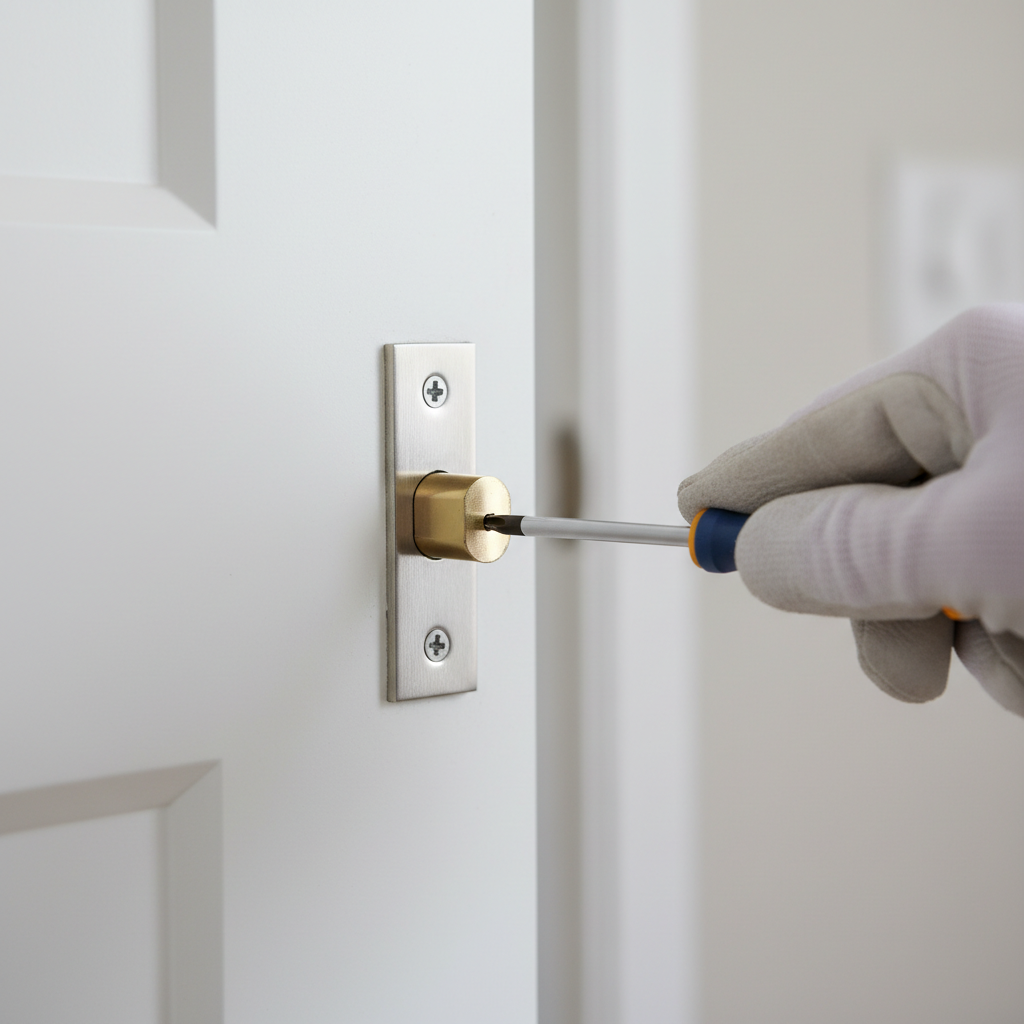
1. Inspect the Strike Plate Alignment – The most common culprit for latch issues.
- Close the door slowly until it just touches the frame, but don't force the latch. Observe where the latch bolt contacts the strike plate. Is it hitting above, below, or to the side of the opening? Use a pencil to mark the areas of contact on the strike plate and the door frame.
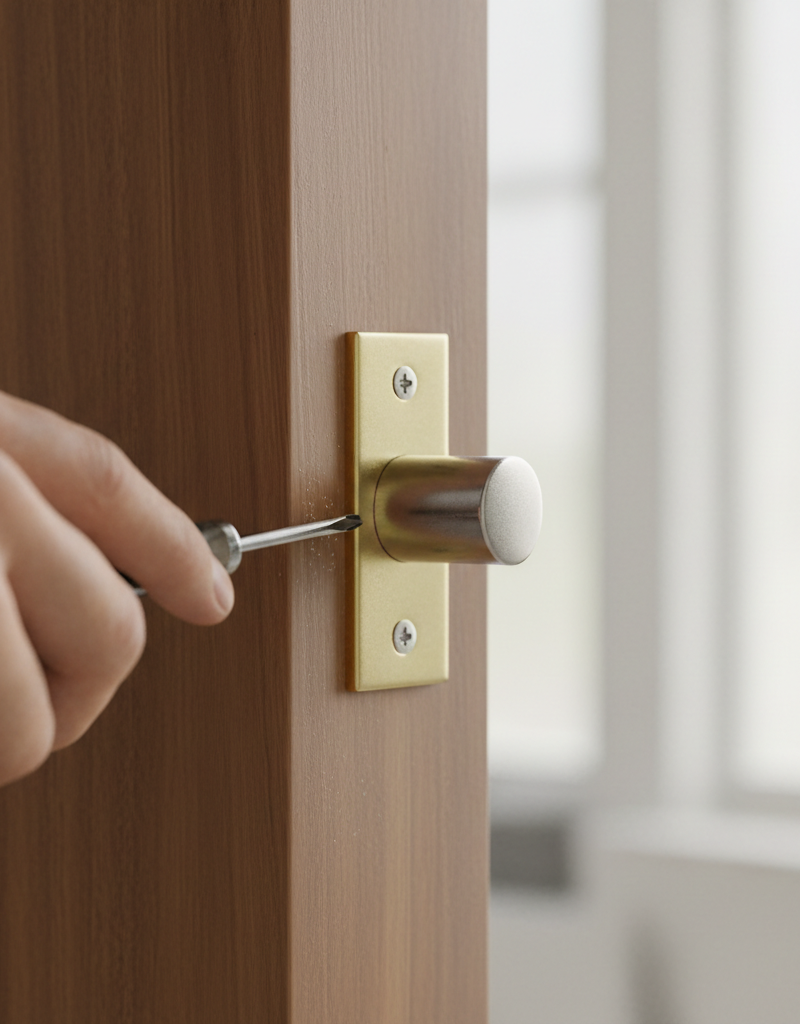
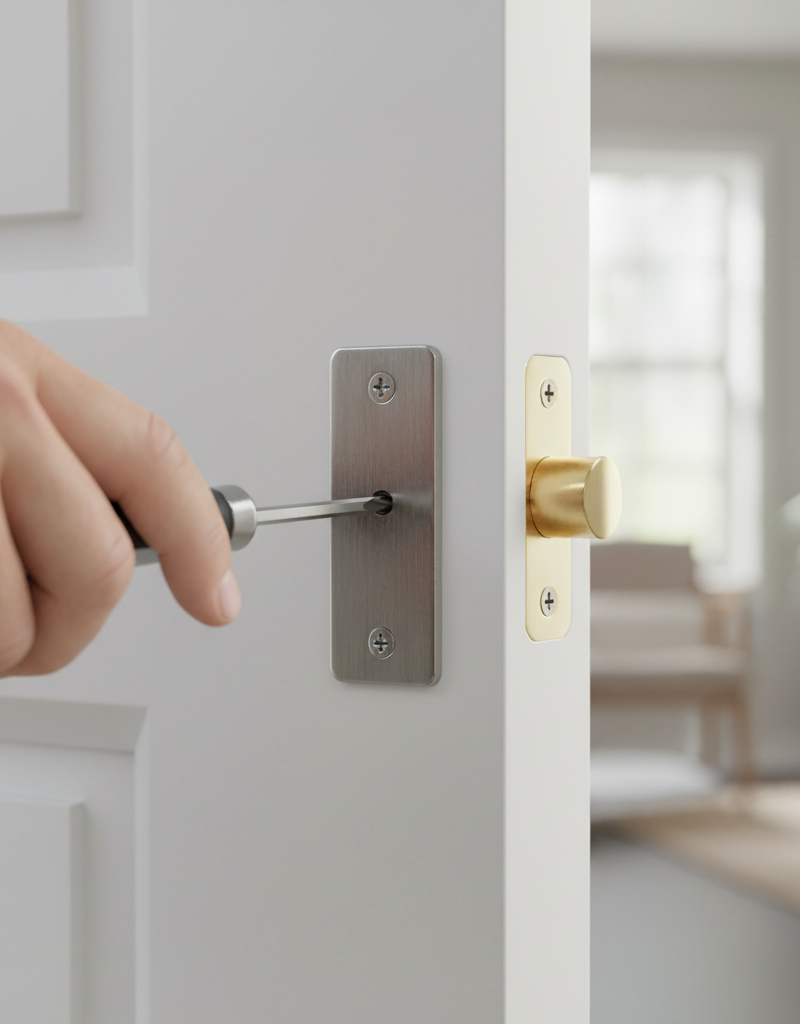
- If the latch is hitting above or below: The strike plate needs to be moved up or down. Loosen the screws holding the strike plate. You might need to use a chisel to slightly enlarge the mortise (the recessed area) in the door frame. Reposition the plate and tighten the screws. If the old screw holes are stripped, use longer screws or insert wooden toothpicks with wood glue into the old holes before re-screwing.
- If the latch is hitting to the side: The strike plate might need to be shifted slightly in or out. Again, loosen screws, adjust, and re-tighten. If the opening isn't wide enough, you may need a small metal file to widen the opening on the strike plate itself, or a chisel to remove a tiny bit of wood from the frame mortise.
2. Check and Tighten Hinges – _Loose hinges are a major cause of door sag.
_
- Open the door widely and check all the screws on both leaves of the hinges – the part attached to the door and the part attached to the frame. Many screws can be hidden by paint, so you may need to gently scrape some away.
- Tighten any loose screws with a screwdriver. Do not overtighten, as this can strip the wood. Look for any screws that spin freely, indicating a stripped hole. Replace stripped screws with longer, slightly wider screws if possible (e.g., #9 or #10 x 2-inch screws). Alternatively, remove the screw, insert a few wooden golf tees or toothpicks with wood glue into the hole, let it dry, then re-drive the screw.
- If the door still sags after tightening, you might have a deeply recessed hinge that's causing the door to lean. You can try shimming the hinge. Remove a hinge screw from the frame side and place a thin piece of cardboard (from a cereal box) behind the hinge leaf at that screw location, then re-insert and tighten the screw. This will push that side of the hinge out slightly, helping to lift the door.
3. Lubricate the Latch Bolt Mechanism – _A sticky latch can prevent full extension.
_
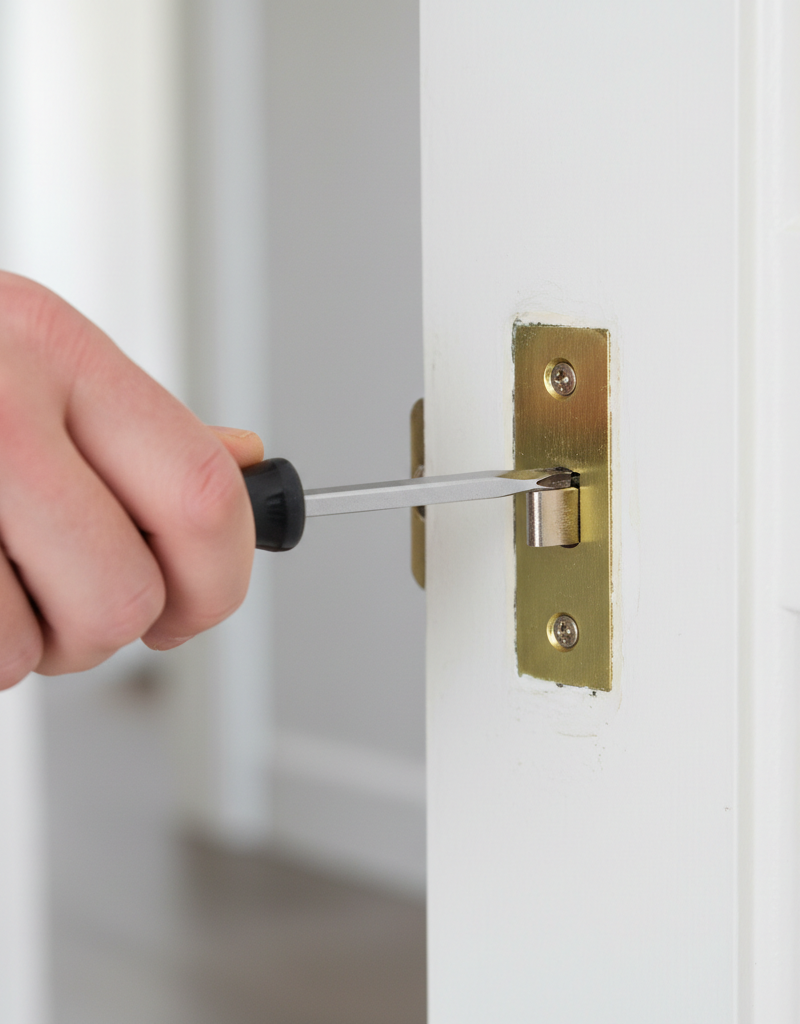
- Examine the latch bolt itself on the edge of the door. Does it move freely in and out when you turn the handle? Is there any dirt, grime, or paint buildup on it? Use a stiff brush or a utility knife to carefully scrape off any obstructions.
- Spray a small amount of silicone lubricant or graphite powder directly into the mechanism where the latch bolt emerges from the door. Work the door handle repeatedly to distribute the lubricant. Avoid oil-based lubricants as they can attract dust and eventually gum up the mechanism.
- If the latch bolt is bent or severely damaged, it may need to be replaced. This involves removing the entire door handle assembly, which is generally a straightforward process of unscrewing the handles and pulling out the latch mechanism from the door's edge.
4. Adjust the Door Stop (If Present) – _Sometimes the door simply isn't closing far enough.
_
- The door stop is the thin strip of wood molding around the inside of the door frame that the door closes against. If your door is hitting the door stop before the latch bolt can fully engage, it might need adjustment.
- Observe where the door hits the stop. If it's hitting too early, use a utility knife to carefully cut the paint seal along the door stop. Then, use a pry bar and a block of wood (to protect the frame) to gently pry the door stop away from the frame by a millimeter or two, moving it closer to the door jamb. Re-nail the door stop using finish nails.
5. Check for Door Swelling/Shrinkage – _Humidity changes can impact door fit.
_
- Wood doors and frames can swell in high humidity and shrink in dry conditions. If your door latches fine in one season but not another, this might be the cause.
- Look for visible rubbing marks on the top, bottom, or sides of the door where it contacts the frame when closing. If the door itself is rubbing, you might need to sand down or plane the edge of the door slightly. This is a more involved process and should be done carefully to avoid removing too much material.
- If sanding/planing is necessary, remove the door from its hinges, use a block plane or belt sander (with fine-grit sandpaper) on the rubbing edge, and then re-finish the exposed wood to match the rest of the door.
Common Causes
- Misaligned Strike Plate: The most frequent issue. The opening in the strike plate no longer lines up perfectly with the latch bolt due to natural settling of the house, repeated forceful closing of the door, or humidity changes.
- Loose Hinges: Screws holding the hinges to the door or frame can work themselves loose over time, causing the door to sag or shift out of alignment with the strike plate.
- Worn or Damaged Latch Bolt: Over repeated use, the spring inside the latch mechanism can weaken, or the latch bolt itself can become bent, stiff, or gummed up with dirt and old lubricant, preventing it from fully extending.
- Door Frame Settlement or Warping: Less common, but structural shifts in the house or prolonged exposure to moisture can cause the door frame to become out of square, making it impossible for the door to latch.
- Paint Buildup: Multiple layers of paint on the strike plate, latch bolt, or the door's edge can add just enough thickness to prevent the latch from engaging cleanly.
- Swollen Wood: High humidity can cause wooden doors and frames to swell, making the door slightly larger and causing it to bind in the frame or preventing the latch bolt from extending.
Common Mistakes
- Ignoring Loose Hinges: Many people jump straight to the strike plate, but loose hinges are often the underlying cause of strike plate misalignment. Always check and tighten hinges first.
- Overtightening Screws: Stripping screw holes is common when tightening hinge or strike plate screws. Always stop when the screw is snug. If a hole is stripped, use a proper repair method (longer screw, toothpicks and glue) instead of just trying to force the old screw in.
- Using the Wrong Lubricant: WD-40 or oil-based lubricants can attract dust and grime, eventually making the problem worse. Stick to silicone spray or graphite powder for door mechanisms.
- Enlarging the Strike Plate Opening Too Much: Filing or chiseling the strike plate opening excessively can weaken the frame and make the door less secure. Make very small adjustments and test frequently.
- Not Clearing Paint Buildup: Sometimes, a stubborn latch is simply due to layers of paint on the latch or inside the strike plate opening. Don't forget to scrape these areas clean.
- Forcing the Door Closed: Repeatedly forcing a door that won't latch can damage the latch mechanism, hinges, or the door frame itself, turning a simple adjustment into a more extensive repair.
Cost & Time Breakdown
| Task | DIY cost | Pro cost | Time |
|---|---|---|---|
| Tighten hinges | $0–$5 | $75–$150 | 5–10 min |
| Adjust strike plate | $0–$10 | $75–$150 | 10–20 min |
| Lubricate latch bolt | $5–$15 | Part of larger job | 5 min |
| Replace strike plate / larger screws | $5–$20 | Part of larger job | 15–30 min |
| Adjust door stop | $0–$10 | $100–$250 | 20–45 min |
| Shimming hinges | $0–$5 | $75–$150 | 10–15 min |
Tips & Prevention
- Regular Hinge Checks: Periodically check and tighten your door hinge screws, especially on frequently used doors. This can prevent most alignment issues before they start.
- Lubricate Annually: A quick spray of silicone lubricant or graphite powder into the latch mechanism once a year can keep it moving smoothly and prevent stiffness.
- Monitor Humidity: In homes with significant seasonal humidity swings, consider using a dehumidifier in summer or a humidifier in winter to help stabilize wood components and prevent excessive swelling or shrinking.
- Gentle Closing: Encourage family members to close doors gently rather than slamming them. Repeated forceful closing puts stress on hinges and frames.
- Proper Paint Job: When painting doors or frames, remove hardware or tape off carefully to prevent paint buildup in critical areas like the latch bolt and strike plate opening.
- Inspect New Installations: If you've recently had a new door installed, ensure it latches smoothly immediately. Minor adjustments are easier to make right away.
When to Call a Professional
While most door latch issues are DIY-friendly, certain situations warrant calling a professional carpenter, handyman, or locksmith. If, after following all the steps, your door still fails to latch, or if you encounter significant structural issues, it's time to seek expert help. Specifically, if the door frame itself appears warped, twisted, or out of square, a professional will have the specialized tools and experience to correct it without damaging your home. If you notice large cracks in the drywall around the door frame, or if the door continually binds despite adjustments, this could indicate foundation movement or more significant structural problems that require a professional assessment. Similarly, if the entire latch assembly within the door is broken and requires specialized tools or knowledge to replace, a locksmith or experienced handyman can handle the repair efficiently and ensure proper operation and security. Do not attempt major frame alterations or deep structural repairs if you're not confident in your abilities, as this could worsen the problem or compromise home security.
Related Articles
Keep troubleshooting with these hand-picked guides from FixlyGuide:
- The 3 Hidden Reasons Your Door Won't Latch (And the Easy DIY Fixes) — Don't live with a door that refuses to latch; discover simple, DIY solutions for common door latch problems and restore security and privac…
- The 3 Hidden Reasons Your Door Won't Latch (And the Easy Fixes) — Discover the surprising reasons your interior door isn't latching and how to quickly diagnose and fix the issue with simple tools.
- The 3 Hidden Reasons Your Door Won't Latch (And the Easy DIY Fixes) — Frustrated by a door that refuses to latch? Discover the common culprits behind this annoying problem and learn simple, effective DIY fixes…
- Your Door Won't Latch? The 5-Minute Fix Nobody Talks About — Tired of a door that swings open? Learn the secret 5-minute fix for a door that won't latch. This simple adjustment to your strike plate ca…
- The 3 Hidden Reasons Your Garage Door Won't Fully Close (and the 10-Minute Fix) — Before you call for an expensive repair, here are the three most common, easy-to-fix reasons your garage door might not be closing complete…
- Dishwasher Not Draining? Easy Fixes for a Clogged Drain — A dishwasher that won't drain at the end of a cycle is a common problem, often caused by simple clogs or blockages that homeowners can fix…
Frequently asked questions
Why does my door suddenly stop latching?+
Doors often stop latching due to natural house settling, which can misalign the strike plate, or due to loose hinge screws. High humidity can also cause wooden doors to swell, making them bind in the frame.
Discussion
Loading comments…