Tools & materials you'll need
Affiliate linksAs an Amazon Associate FixlyGuide earns from qualifying purchases — at no extra cost to you. Prices and availability are accurate as of publication and subject to change.
Quick Answer
A door lock that isn’t turning smoothly is usually signaling one of three things: internal grime and old lubricant buildup, a key that’s seen better days, or a subtle misalignment in the door hardware itself. The fastest and most common solution involves a thorough cleaning of the lock cylinder, often with a graphite-based lubricant or a silicone spray, followed by a quick check and adjustment of the door's hinges and strike plate.
The Problem
There’s nothing quite as frustrating as a door lock that resists your efforts, feeling gritty, stiff, or outright refusing to turn. Beyond the annoyance, a sticky lock can compromise your home’s security, making it difficult to lock up or even get inside. This isn't just about convenience; it’s about peace of mind. Many homeowners immediately think the lock is broken and needs replacing, but more often than not, the culprit is much simpler than that: friction. Over time, dust, dirt, pet hair, and old, congealed lubricants can gunk up the intricate pins and springs inside the lock cylinder. Keys themselves can wear down, altering their profile just enough to catch inside the mechanism. And sometimes, the door itself settles, causing the latch or deadbolt to rub against the strike plate, creating resistance that you feel directly in the turning of the key or thumb turn.
The real issue isn't always the lock itself. Often, the door or frame has shifted subtly due to humidity, house settling, or loose hinges, causing the bolt to not enter the strike plate cleanly. This added friction is then transferred back to the lock mechanism, making it feel stiff or stuck. Identifying the true source of this resistance is key to a lasting fix, rather than just endlessly spraying lubricant into a symptom.
How It Works
To understand why a lock gets sticky, it helps to know how a standard pin tumbler lock operates. Inside the lock cylinder, there's a series of pins—usually five or six—divided into two parts: driver pins and key pins. When you insert the correct key, the unique cuts on its blade lift these key pins to specific heights. This action aligns a shear line, creating a clear path between the plug (the part your key turns) and the outer casing (the cylinder shell). Once the shear line is uninterrupted, the plug can rotate, engaging the bolt mechanism and either locking or unlocking the door.
Lubrication is critical for this intricate dance of pins and springs. When the key is inserted, it moves against these tiny metal components, and a smooth, low-friction environment ensures they fall and rise correctly. Over years of use, however, this internal environment degrades. Microscopic metal shavings from the key and pins, along with airborne dust and debris, mix with the original lubricant. This mixture eventually forms a gummy residue that impedes the pins' movement, preventing them from aligning precisely at the shear line. This is why you feel resistance – the pins aren't moving freely, or the shear line isn't perfectly straight. Furthermore, the key itself can wear down, with its precisely cut ridges becoming rounded or flattened, failing to lift the pins to their correct heights. This subtle wear can be just enough to make turning the lock difficult, especially with older, frequently used keys. The physical interaction between the key and the internal pins is a delicate balance, and any disruption to that balance results in a sticky or stiff feeling.
Step-by-Step Fix
1. Clean the Cylinder with Graphite or Silicone Spray – Target internal grime first.
Most stiff locks are suffering from internal gunk. Never use oil-based lubricants like WD-40 inside the cylinder as they attract more dirt and create a stickier mess over time. Instead, opt for a dry graphite lubricant or a silicone spray specifically designed for locks.
- Tool: Dry graphite lubricant or silicone-based lock lubricant spray.
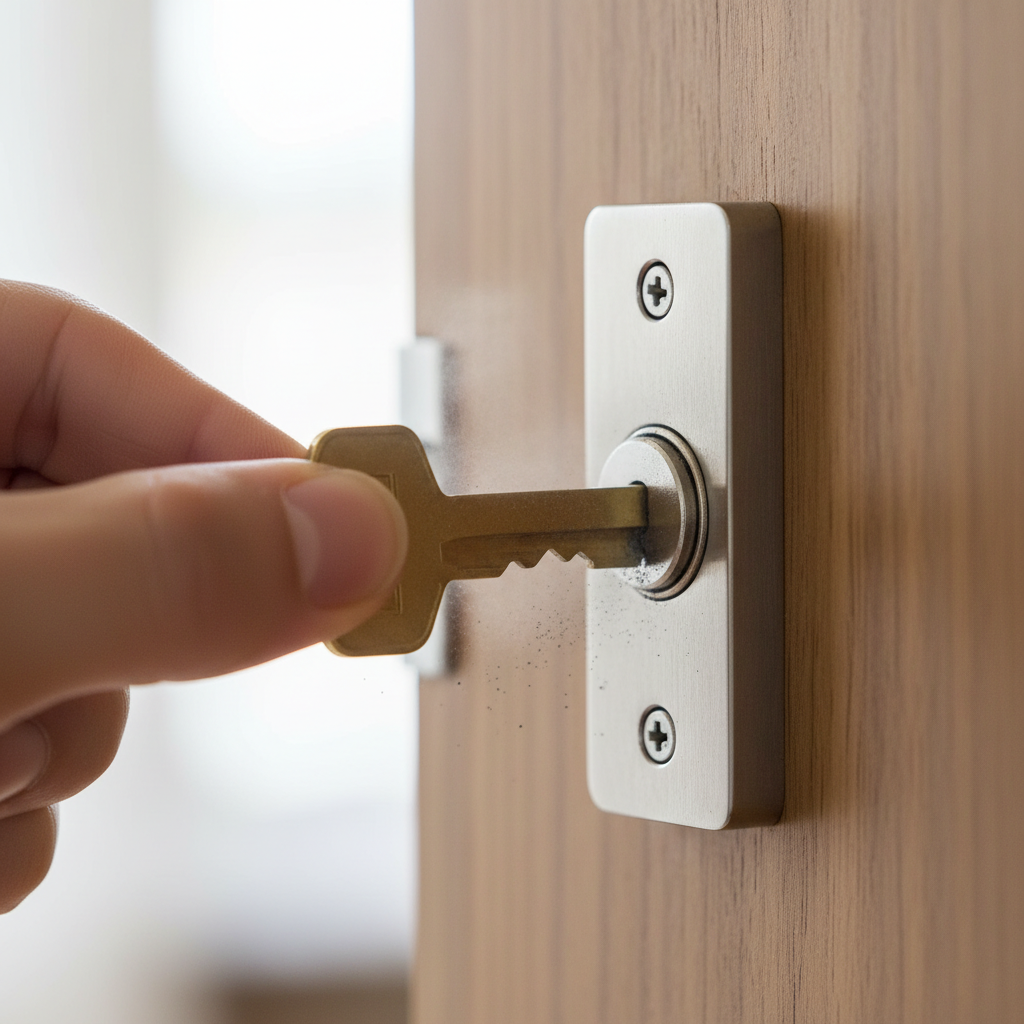
- Instruction: Hold the can about 1 inch from the keyway (the slot where the key goes). Give it a short, controlled burst (1-2 seconds) directly into the keyway. Insert your key, turn it back and forth several times, then remove the key. Wipe any excess lubricant from the key with a rag. Repeat this process 2-3 times until the key turns smoothly.
- If this doesn't work: The issue might be a worn key or external alignment. Proceed to the next steps.
2. Inspect and Replace the Key – A worn key can mimic a bad lock.
An old, frequently used key can slowly wear down, making its "cuts" less precise. Even a slight rounding can prevent the pins from aligning correctly.
- Tool: Magnifying glass (optional).
- Instruction: Compare your problematic key with a brand new, unused duplicate (if you have one). Look for smoothed-out edges, rounded peaks, or visible wear spots. If there's a clear difference, try using the new key. If the new key works smoothly, the old key was the problem.
- Tip: Always keep a few new, unused spare keys as a benchmark.
3. Tighten Hardware Screws – Loose components can cause misalignment.
Loose screws on the lockset, door hinges, or strike plate can lead to subtle shifts in alignment, causing friction when the bolt engages.
- Tool: Phillips head screwdriver, Flathead screwdriver (depending on screw type).
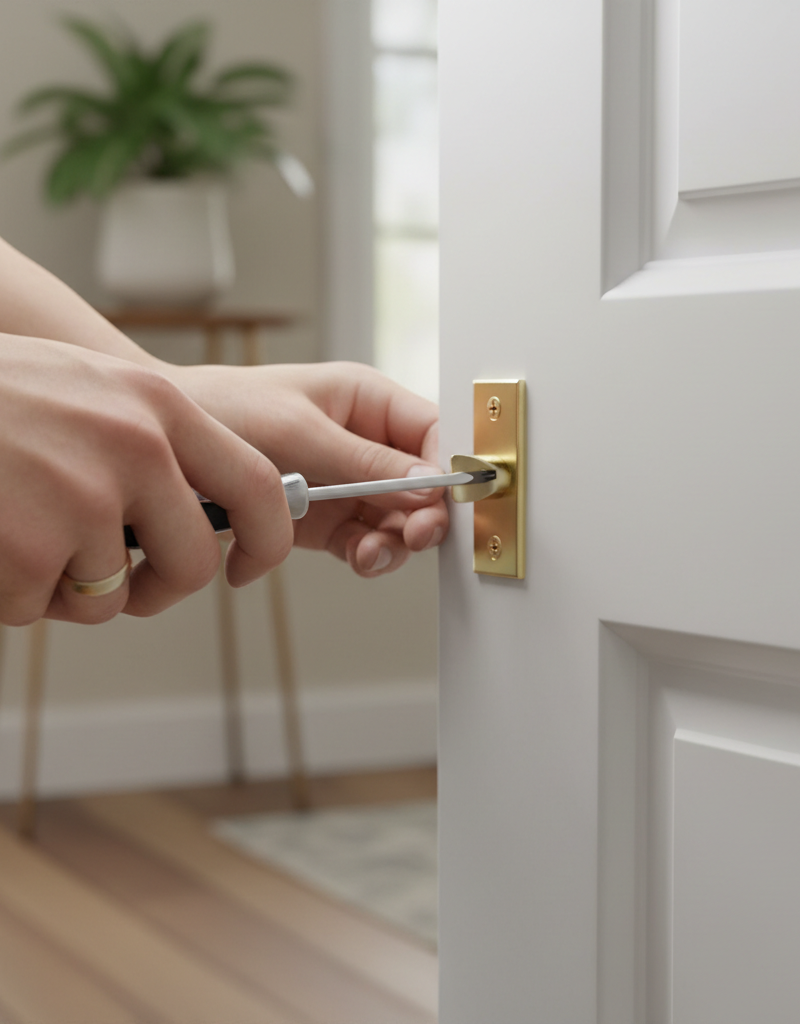
- Instruction: Check the screws holding the lockset in place on both sides of the door. Gently tighten them. Next, check all screws on the door hinges for any looseness and tighten them firmly. Finally, examine the strike plate screws on the door frame and tighten them. Don't overtighten, as this can strip the wood.
- Safety: Ensure your screwdriver is the correct size to prevent stripping screw heads.
4. Adjust the Strike Plate – Small adjustments make a big difference.
If the deadbolt or latch is binding against the strike plate, it can make the lock feel stiff. This often happens if the house settles or due to humidity changes.
- Tools: Flathead screwdriver, Phillips head screwdriver, file or Dremel with grinding bit (if removal is needed).
- Instruction: Open the door and observe where the latch or deadbolt meets the strike plate. Look for scrape marks that indicate rubbing. If the bolt is hitting the top or bottom, use a file or Dremel to slightly enlarge the top or bottom edge of the strike plate hole. For minor adjustments, you can sometimes loosen the strike plate screws, tap the plate slightly in the necessary direction (up, down, left, or right), and then re-tighten the screws. If the bolt is hitting the side, try moving the entire strike plate slightly. If the holes are stripped, use longer screws or wooden shims to create a tighter fit.
- Pro Tip: If you need to move the strike plate significantly, fill the old screw holes with wood filler, let it dry, then re-drill pilot holes before screwing the plate into its new position.
5. Lubricate Moving Parts of the Latch/Deadbolt – Don't forget the bolt mechanism itself.
While graphite is for the cylinder, the moving parts of the latch and deadbolt mechanism that extend into the door’s edge can benefit from a dry lubricant.
- Tool: Silicone spray lubricant (different from the cylinder lubricant, if possible, or use the same if it
Related Articles
Keep troubleshooting with these hand-picked guides from FixlyGuide:
- The 3 Hidden Reasons Your Door Won't Latch (And the Easy DIY Fixes) — Frustrated by a door that refuses to latch? Discover the common culprits behind this annoying problem and learn simple, effective DIY fixes…
- The 3 Hidden Reasons Your Door Won't Latch (And the Easy Fixes) — Discover the surprising reasons your interior door isn't latching and how to quickly diagnose and fix the issue with simple tools.
- The 5-Minute Trick That Often Fixes a Dead Doorbell (No Electrician Needed) — Before you call an electrician for a dead doorbell, learn the surprising common culprit homeowners overlook and how to fix it in minutes.
- The 5-Minute Trick to Fix a Sagging Window (No New Parts Needed) — Discover the simple, often overlooked cause of a window that won't stay open and how to fix it in minutes using common household items.
- Your Door Won't Latch? The 5-Minute Fix Nobody Talks About — Tired of a door that swings open? Learn the secret 5-minute fix for a door that won't latch. This simple adjustment to your strike plate ca…
- How to Fix a Wobbly Ceiling Fan: A DIY Guide — A wobbly ceiling fan can be annoying and, in some cases, unsafe. Learn how to diagnose and fix the most common causes of ceiling fan wobble…
Frequently asked questions
What's the best lubricant for a door lock?+
For the internal cylinder, always use a dry graphite powder or a silicone-based lock lubricant spray. Avoid oil-based lubricants like WD-40, which attract dust and can create a gummy residue over time, worsening the problem.
Why does my key feel rough when I put it in the lock?+
A rough feeling often indicates internal debris or wear within the lock cylinder. It can also be a sign that the key itself is worn down, with its precisely cut ridges no longer smooth, causing friction as it enters and moves the pins.
Can a misaligned door cause a lock to stick?+
Absolutely. If the door itself has shifted due to loose hinges or house settling, the latch or deadbolt can bind against the strike plate on the door frame. This resistance is then transferred to the lock mechanism, making it feel stiff or difficult to turn.
How often should I lubricate my door locks?+
For exterior locks, a thorough cleaning and lubrication every 12-18 months is a good practice, especially in dusty or humid environments. Interior locks may only need attention every 2-3 years, or when they start to feel stiff.
When should I call a professional locksmith?+
You should call a professional locksmith if your key breaks off inside the lock, if the lock spins freely without engaging the bolt, if the lock is completely seized even after cleaning and adjustments, or if you suspect internal damage or a security breach. Never force a stubborn lock, as you could cause more significant damage.
Discussion
Loading comments…