Tools & materials you'll need
Affiliate linksAs an Amazon Associate FixlyGuide earns from qualifying purchases — at no extra cost to you. Prices and availability are accurate as of publication and subject to change.
Quick Answer
Furnace short cycling is when your furnace turns on and off frequently without completing a full heating cycle, leading to inefficient heating, increased energy bills, and accelerated wear on components. Often, the culprit isn't a major breakdown but rather a simple issue like a clogged air filter, a dirty flame sensor, an oversized furnace, or a malfunctioning thermostat. Many of these problems can be diagnosed and fixed with basic DIY knowledge and tools, saving you money and extending your furnace's lifespan.
The Problem
Imagine your furnace as a marathon runner. It's designed to run for sustained periods, efficiently warming your home. Short cycling is like that runner repeatedly sprinting a short distance, stopping, and starting again. This on-again, off-again behavior prevents your home from reaching the desired temperature evenly, leading to cold spots and discomfort. More critically, it puts immense stress on the furnace's components, especially the ignitor, blower motor, and heat exchanger. Each start-up is the most energy-intensive and stressful part of the cycle. Frequent cycling means these parts work harder and wear out faster, significantly shortening the overall lifespan of your expensive heating system. You’ll notice higher energy bills because the furnace is constantly trying to 'catch up' rather than maintaining a steady, efficient burn.
How It Works
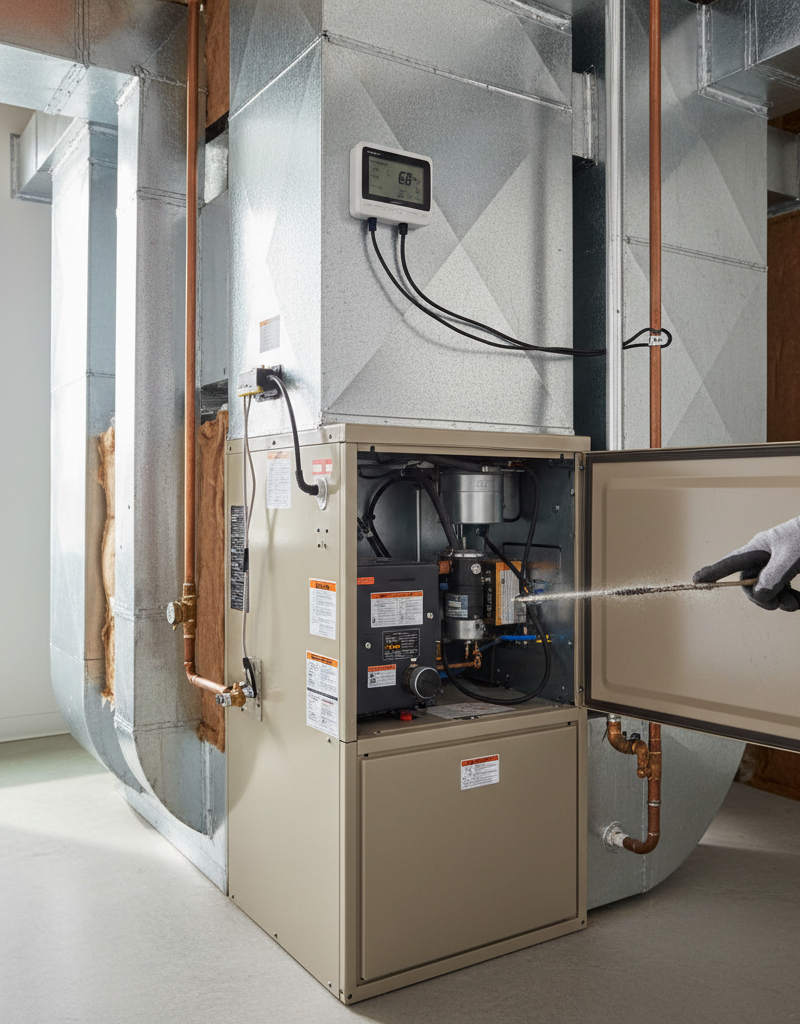
To understand short cycling, let's briefly review how a furnace operates. When your thermostat detects the indoor temperature has dropped below your set point, it sends a low-voltage signal to the furnace control board. This board initiates a sequence: first, the inducer motor starts, pulling exhaust gases out and proving proper ventilation with a pressure switch. Then, the ignitor (either a hot surface ignitor or a spark ignitor) glows or sparks, and at the same time, the gas valve opens, releasing natural gas or propane into the burners. The ignitor ignites the gas, creating flames. A crucial safety device, the flame sensor, then detects the presence of these flames. If the flame sensor doesn't 'see' a flame within a few seconds, the gas valve shuts off, preventing an unsafe gas buildup. Assuming flame is proven, the heat exchanger warms up. Once it reaches a certain temperature, the blower motor activates, pushing heated air through your home's ductwork. The furnace continues this process until the thermostat's set point is reached, at which point the controls shut off the gas valve and, after a short delay to extract residual heat, the blower motor. Short cycling interrupts this sequence, often because one of these safety or operational checks isn't met correctly, or because the system quickly overshoots the thermostat's set point, causing it to shut down prematurely.
Step-by-Step Fix
Safety First: Always turn off power to your furnace at the thermostat and the main service switch (usually located on or near the furnace) before performing any work. If you smell gas, leave your home immediately and call your gas company and 911.
-
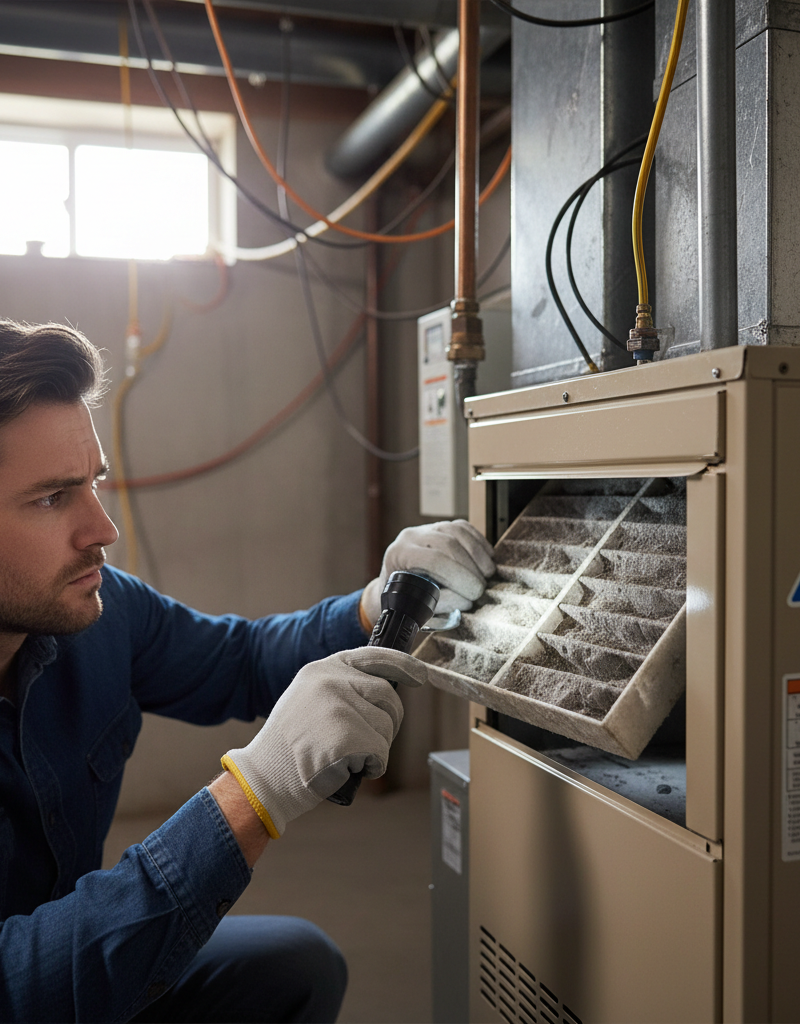
Check Your Air Filter — Inspect and replace if dirty. A clogged air filter dramatically restricts airflow, causing your furnace to overheat. The furnace's limit switch, a safety device, detects this overheating and shuts the system down to prevent damage. Once it cools, it tries to restart, leading to short cycling. Check your filter monthly and replace it every 1-3 months depending on usage and household conditions (pets, allergies).
- If the filter is dark gray or black, replace it immediately.
- Ensure the new filter is installed with the arrow pointing towards the furnace.
-
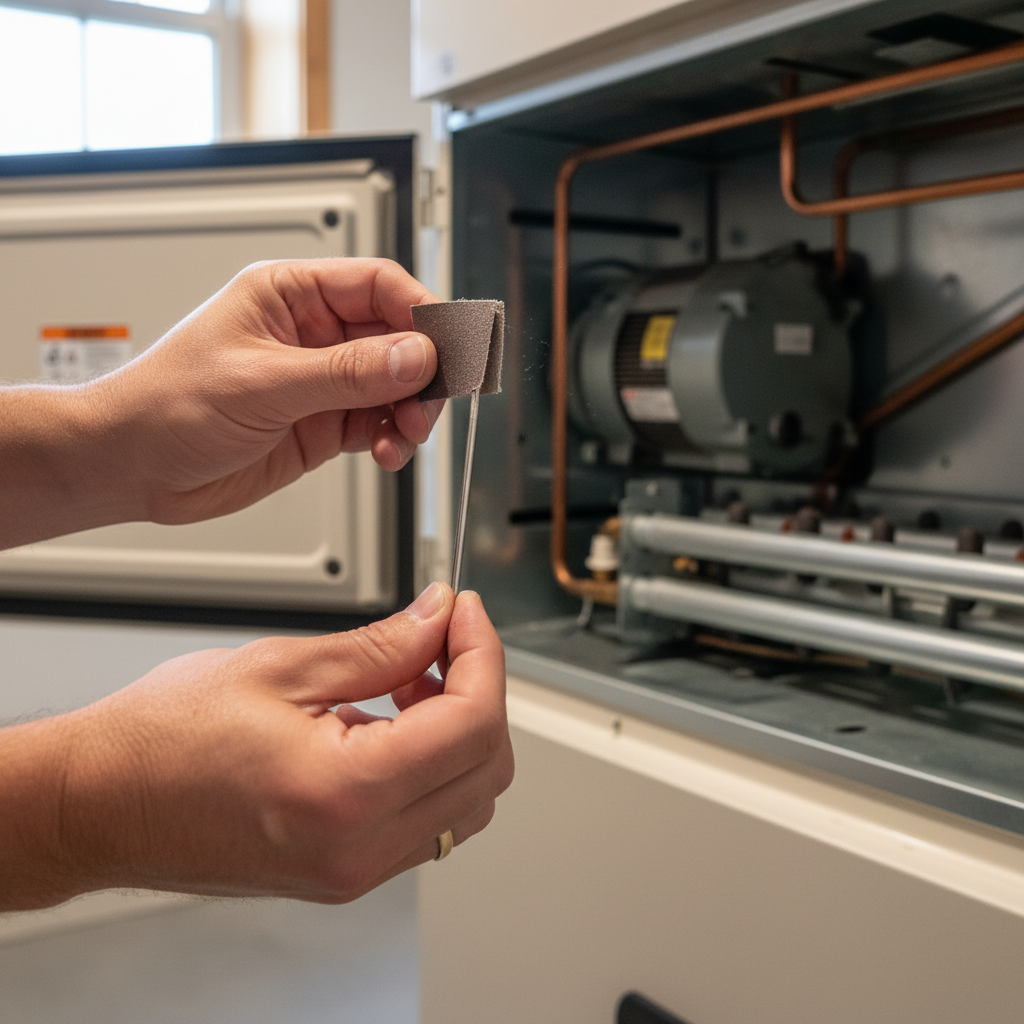
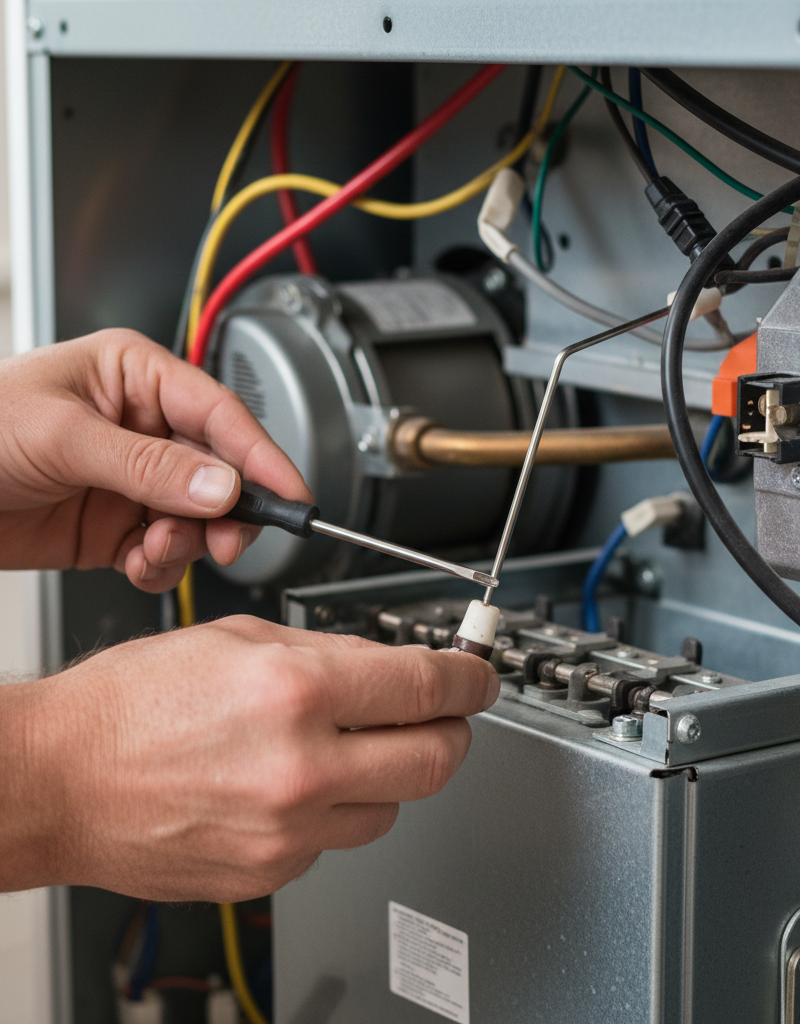
Clean the Flame Sensor — Restore proper flame detection. The flame sensor is a small, thin metal rod located in the path of the burner flames. Over time, carbon buildup can insulate it, preventing it from accurately detecting the flame. When the furnace can't 'see' a flame, it assumes there's a problem and shuts off the gas supply, causing short cycling.
- Locate the flame sensor (typically near the burners, a single rod with one wire).
- Gently remove it by unscrewing the single retaining screw.
- Very carefully clean the metal rod with fine-grit sandpaper (around 100-200 grit) or a Scotch-Brite pad until it's shiny. Do NOT use steel wool or harsh chemicals.
- Reinstall the sensor securely.
-
Inspect the Thermostat Settings and Location — Ensure accurate temperature readings. A common, overlooked cause. If your thermostat is near a heat source (sunny window, lamp, heat vent) or a draft, it can inaccurately read the room temperature, causing the furnace to cycle on and off too frequently. Also, check for incorrect settings.
- Move any lamps, electronics, or furniture away from the thermostat.
- Seal any drafts around the thermostat's mounting plate with painter's putty.
- Ensure the thermostat is set to 'Auto' for the fan, not 'On,' (unless you explicitly want continuous fan operation) which can further cool the air and confuse the system.
- Verify the heating schedule and set points are appropriate for your home.
- Try replacing the thermostat batteries, even if it seems to be working.
-
Clear Blocked Vents and Returns — Improve airflow throughout your home. Blocked supply registers (the ones blowing air) or return air grilles (the ones pulling air in) can restrict overall airflow, similar to a dirty filter. This can lead to hot spots in the ductwork, triggering the limit switch.
- Walk through your home and ensure all supply registers are fully open and not obstructed by furniture, rugs, or drapes.
- Check return air grilles for obstructions or dust buildup. Vacuum them clean if necessary.
-
Examine the Condensate Line (High-Efficiency Furnaces Only) — Prevent overflow and safety lockout. High-efficiency furnaces produce condensate (water) as a byproduct of combustion. This water drains through a PVC pipe. If this line becomes clogged with algae or debris, it can back up, triggering a float switch that shuts down the furnace to prevent water damage.
- Locate the PVC condensate line and look for any visible blockages or kinks.
- Disconnect the line and flush it with a mixture of warm water and a small amount of vinegar to clear any buildup.
- Ensure the condensate pump (if present) is working correctly – you should hear it kick on occasionally.
-
Check for an Oversized Furnace — A less common but significant issue. If your furnace is too large for your home, it will heat the space very quickly and then shut off, only to turn on again shortly after the temperature drops slightly. This is classic short cycling. This is a tricky issue to fix DIY and often presents from the initial furnace installation. There's no simple DIY 'fix' for an oversized unit, but recognizing this issue can prevent further unnecessary repairs.
- Review your furnace's BTU rating (usually on a label inside the cabinet) against your home's square footage and insulation values. This is complex and best verified by an HVAC professional using a 'Manual J' load calculation.
- If confirmed oversized, consider discussing options with an HVAC professional, such as two-stage or variable-speed furnace installation, or alternative zoning solutions.
-
Reset the Furnace — Clear error codes and minor glitches. Sometimes, minor electrical glitches or a tripped safety switch can cause short cycling. A simple reset can clear these temporary issues.
- Turn off the furnace power at the service switch for 30 seconds.
- Turn the power back on.
- Check your furnace's control board for a diagnostic light (usually an LED) that blinks an error code. Refer to your furnace's manual for specific code interpretations.
Common Causes
- Clogged Air Filter: The #1 culprit, restricting airflow and causing the furnace to overheat.
- Dirty Flame Sensor: Carbon buildup prevents it from detecting a flame, leading to safety shutdowns.
- Bad Thermostat Placement/Calibration: Inaccurate temperature readings cause the furnace to misjudge heating needs.
- Oversized Furnace: Heats the home too quickly, satisfying the thermostat rapidly and then shutting off prematurely.
- Blocked Vents/Returns: Restricts airflow, causing uneven heating and potential overheating.
- Faulty Limit Switch: A safety device that shuts off the furnace when it overheats. If it's faulty, it can short cycle even without actual overheating.
- Clogged Condensate Line (High-Efficiency Furnaces): Backup triggers a safety float switch, shutting down the unit.
- Failing Blower Motor or Capacitor: Prevents proper airflow, leading to overheating and limit switch trips.
Common Mistakes
- Ignoring the Air Filter: Many homeowners neglect this simple maintenance step, assuming it's not critical. A dirty filter is the most common cause of furnace issues, including short cycling.
- Over-Cleaning the Flame Sensor: Using abrasive materials like steel wool or harsh chemicals can damage the delicate ceramic and conductive rod, requiring replacement.
- Assuming a Major Breakdown Immediately: Often, short cycling is due to minor, easily fixable issues. Don't jump to the conclusion that your furnace is dying without thorough diagnosis.
- Closing Too Many Vents: Closing vents in unused rooms might seem like an energy-saving trick, but it can actually unbalance your duct system, restrict airflow, and increase pressure, leading to short cycling and inefficient heating.
- Setting Thermostat Fan to 'On': While sometimes desired for air circulation, leaving the fan 'On' continuously can cool the air around the thermostat, making it think the room is colder than it is and inducing short cycles.
- Not Consulting the Owner's Manual: Your furnace's manual contains specific troubleshooting guides, error codes, and maintenance instructions unique to your model. It's an invaluable resource often overlooked.
Cost & Time Breakdown
| Task | DIY Cost | Pro Cost | Time |
|---|---|---|---|
| Air Filter Replacement | $10–$30 | Included in tune-up | 5 minutes |
| Flame Sensor Cleaning | $0 (if you have sandpaper) | $75–$150 (as part of service call) | 15–20 minutes |
| Thermostat Check/Adjustment | $0 | $75–$150 (service call) | 5–10 minutes |
| Condensate Line Flush | $0 | $100–$200 | 20–30 minutes |
| Blower Motor Capacitor (Part) | $15–$50 | $200–$400 (parts & labor) | N/A (Pro task) |
| HVAC System Tune-Up | N/A | $120–$250 | 1–2 hours (Pro) |
Tips & Prevention
- Regular Filter Changes: Replace your air filter every 1-3 months, especially if you have pets or allergies. This is the single most important maintenance task.
- Annual Professional Tune-up: Schedule a technician to inspect and clean your furnace every autumn. They can catch minor issues before they become major problems and ensure peak efficiency.
- Keep Vents Clear: Ensure all supply and return vents are unobstructed by furniture, drapes, or rugs.
- Monitor Thermostat Placement: Avoid placing lamps, electronics, or heat-generating appliances near your thermostat to ensure accurate readings.
- Listen to Your Furnace: Pay attention to unusual noises, smells, or operational patterns. Early detection of problems can prevent costly repairs.
- Know Your Furnace's Error Codes: Familiarize yourself with the diagnostic codes displayed on your furnace's control board and keep your owner's manual handy.
When to Call a Professional
While many short cycling issues can be resolved with DIY efforts, certain situations warrant calling a licensed HVAC professional. If you've tried the troubleshooting steps above and your furnace continues to short cycle, or if you encounter issues beyond basic maintenance, it's time to call an expert. Specifically, if you suspect a faulty limit switch, a failing blower motor or capacitor, or if your furnace is confirmed to be oversized, a professional can accurately diagnose and safely address these complex problems. Any issues involving the gas valve, high voltage electrical components, or refrigerant lines (in heat pumps with furnace backup) should always be handled by a certified technician. Additionally, if your furnace is making strange grinding noises, emitting unusual odors, or if the diagnostic codes indicate a serious problem, err on the side of caution and contact a professional immediately to prevent further damage or ensure safety. They have the specialized tools and training to safely diagnose and repair your system, ensuring it operates efficiently and reliably for years to come. Never attempt repairs involving gas lines or high-voltage wiring yourself.
Related Articles
Keep troubleshooting with these hand-picked guides from FixlyGuide:
- The #1 Reason Your AC Blows Warm Air (And It's Not What You Think) — Discover the most common and often overlooked reason your AC might be blowing warm air, and how a simple capacitor fix can restore cool air.
- The #1 Gutter Mistake That Leads to $10,000 Roof Damage — Learn the most common gutter-cleaning mistake homeowners make and how to properly maintain your gutters to prevent expensive roof damage.
- The $5 Part That Stops Your Dryer From Heating (And How to Replace It in 30 Min) — Discover the most common, inexpensive culprit behind a dryer not heating up and learn how to quickly diagnose and replace it yourself.
- The Secret Reason Your Oven Fails to Heat (It's NOT Always the Element) — Discover why your oven isn't reaching its set temperature, from common part failures to overlooked calibration issues, and how to fix it.
- The Secret Reason Your Thermostat Lies (and 5 Fixes That Actually Work) — If your thermostat isn't reaching its set temperature, understanding the underlying cause is key to a comfortable home and lower energy bil…
- The Secret Culprit Behind Your Leaky Refrigerator (It’s Not Always the Water Line) — Discover the most common, often overlooked, reasons your refrigerator is leaking water and how to fix them with simple DIY steps.
Get the print-ready PDF of this guide
A clean, ad-free, printable version you can keep on your phone or pin to the workshop wall. We'll also send occasional weekly tips matched to your home situation.
- Print-optimized layout
- Tools, materials & every step included
- Unsubscribe anytime
Frequently asked questions
Why does my furnace keep turning on and off?+
Your furnace is likely short cycling, which means it's turning on and off frequently without completing a full heating cycle. Common reasons include a dirty air filter, a fouled flame sensor, an improperly located thermostat, or a furnace that's too large for your home.
Is short cycling bad for a furnace?+
Yes, short cycling is detrimental to your furnace. It causes excessive wear and tear on components like the ignitor, blower motor, and heat exchanger, significantly reducing the lifespan of your unit. It also leads to inefficient heating and higher energy bills.
How do I stop my furnace from short cycling?+
Start by checking and replacing your air filter if it's dirty. Then, clean your flame sensor with fine-grit sandpaper. Verify your thermostat's location and settings are correct, and ensure all heating vents are clear. For high-efficiency units, check the condensate line for clogs. If these don't work, consider calling a professional.
Can an oversized furnace cause short cycling?+
Absolutely. If your furnace is too powerful for your home's size, it will heat the space very quickly, satisfy the thermostat, and shut off prematurely. This leads to frequent on-off cycles and inefficient heating. This issue usually requires professional assessment.
How often should I change my furnace filter to prevent short cycling?+
For optimal performance and to prevent issues like short cycling, it's recommended to check your furnace filter monthly and replace it every 1 to 3 months. Households with pets, allergies, or higher dust levels may need more frequent changes.
Discussion
Loading comments…