Tools & materials you'll need
Affiliate linksAs an Amazon Associate FixlyGuide earns from qualifying purchases — at no extra cost to you. Prices and availability are accurate as of publication and subject to change.
Quick Answer
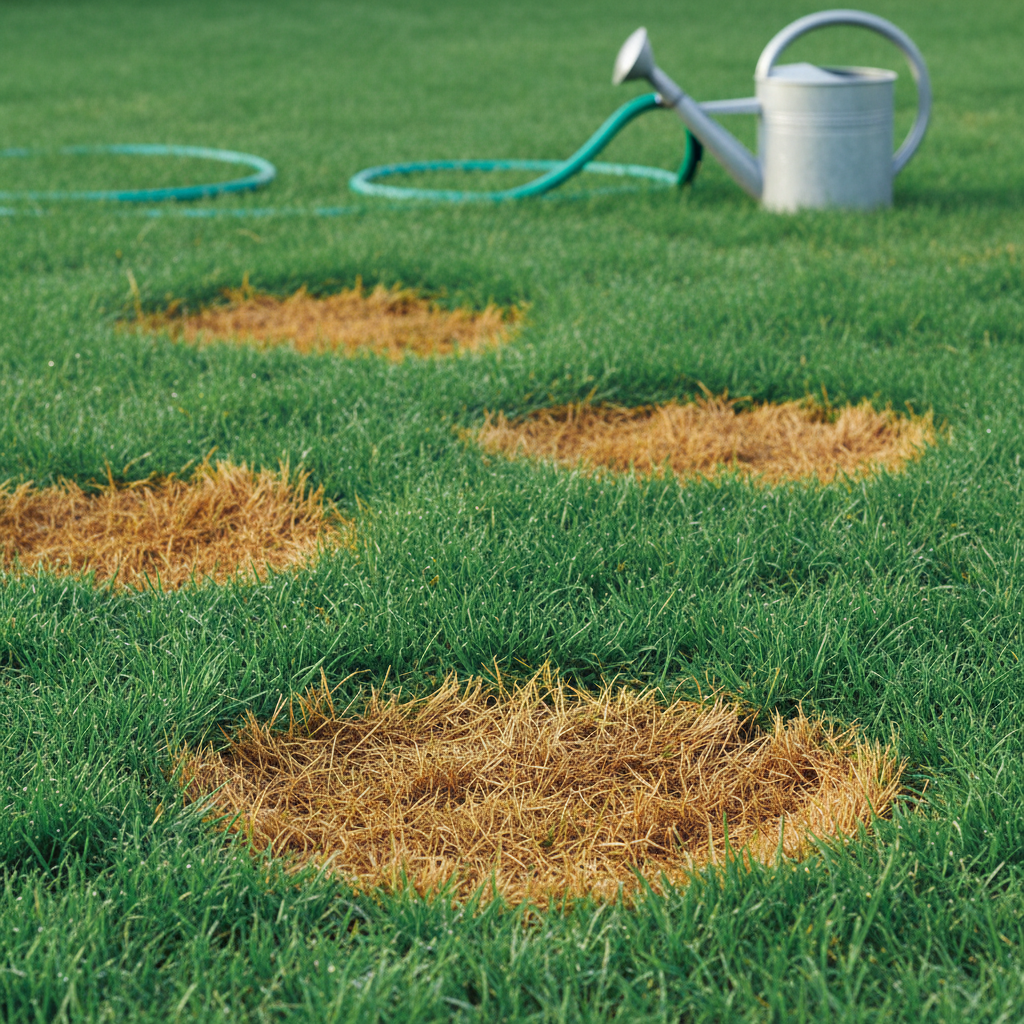
Brown spots appearing in your lawn after watering are often caused by overwatering, leading to fungal diseases like brown patch or dollar spot. Inadequate drainage, compacted soil, or even incorrect mowing practices can exacerbate these issues, creating an environment where grass struggles to absorb nutrients and recover, resulting in dry or diseased patches. Addressing these concerns involves improving soil health, proper watering techniques, and timely disease treatment.
The Problem
You meticulously water your lawn, expecting a lush, vibrant green. Instead, you're greeted with disheartening brown, dead-looking patches. This confounding problem – brown spots after watering – is a common source of frustration for homeowners. It’s counterintuitive; water is supposed to be the elixir of life for your grass, not the catalyst for its demise. Yet, if you see your lawn browning shortly after a watering session, it's a clear sign that something is amiss in your watering technique, soil health, or even a hidden fungal invader. This isn't just about aesthetics; these brown spots indicate underlying stress that, if left unaddressed, can lead to widespread turf damage, increased water bills, and a diminished curb appeal. Understanding the root causes, from overwatering to compacted soil, is the first step toward reclaiming a healthy, verdant lawn.
How It Works
To understand why brown spots appear after watering, it's essential to grasp the delicate balance of a healthy lawn ecosystem. Grass roots need both water and oxygen to thrive. When you water, the soil particles temporarily fill with water. As this water drains, air fills the spaces between the particles, providing essential oxygen to the roots. When this balance is disrupted, problems arise. Overwatering, for instance, saturates the soil for too long, displacing oxygen and essentially suffocating the roots. This creates anaerobic conditions where beneficial microbes struggle, and harmful fungal pathogens, such as Rhizoctonia solani (responsible for brown patch) or Sclerotinia homoeocarpa (dollar spot), flourish. These fungi attack the grass blades, causing them to turn brown and die.
Furthermore, if your soil is compacted, water struggles to penetrate deeply, leading to surface runoff and shallow roots. What little water does get in can then sit stagnant, creating localized areas of excessive moisture. Conversely, if watering is too infrequent but heavy, the grass is stressed between waterings and susceptible to disease when moisture finally arrives. The type of grass also plays a role; some varieties are more prone to certain diseases under specific moisture conditions. Proper watering aims to provide deep, infrequent irrigation that encourages deep root growth and allows the soil to dry slightly between waterings, creating an environment where grass is resilient and diseases struggle to take hold.
Step-by-Step Fix
1. Stop the Overwatering Cycle – Adjust your watering schedule and duration.
Excessive watering is a primary culprit. Brown spots often indicate that roots are suffocating or that fungal diseases are thriving in consistently wet conditions.
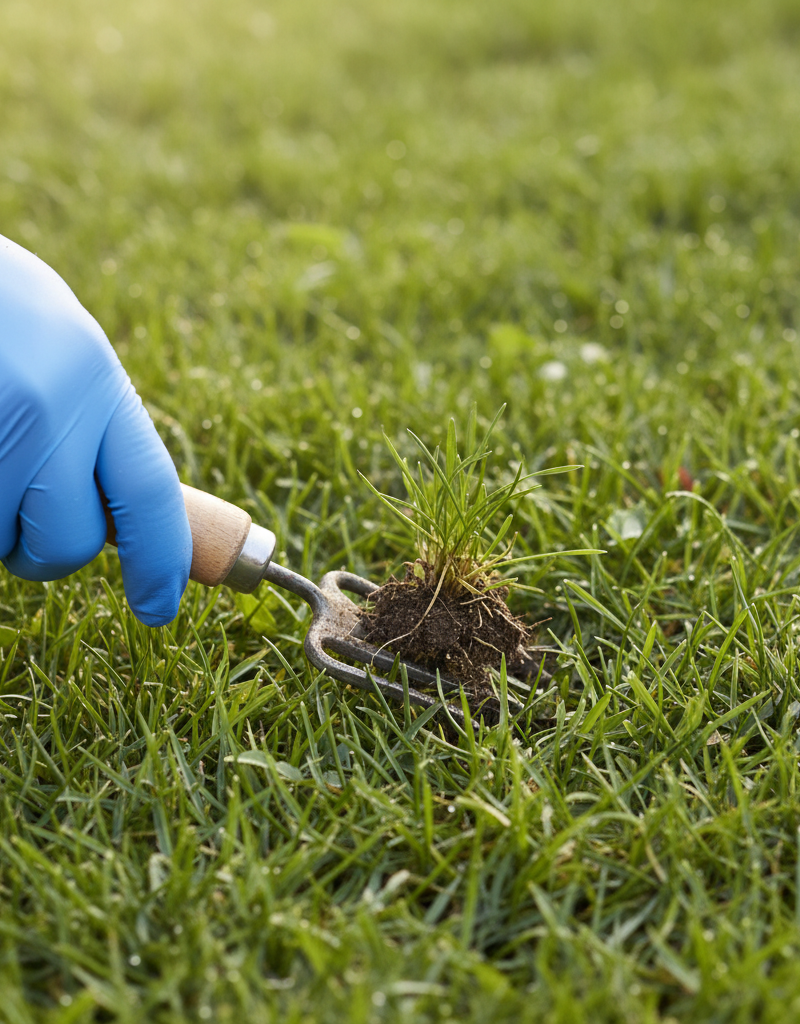
- Diagnosis: Push a screwdriver into the soil. If it penetrates easily to 6-8 inches, your soil is moist enough. If you can only go a couple of inches, it’s too dry. If it's soggy and waterlogged, you're likely overwatering.
- Solution: Water deeply but less frequently. Aim for 1 inch of water per week, delivered in one or two sessions, depending on soil type and climate. Use a tuna can to measure how long it takes your sprinkler to deliver 1 inch. Water early in the morning (before 10 AM) to allow grass blades to dry, reducing fungal risk.
2. Check for Soil Compaction – Aerate your lawn to improve water penetration and oxygen flow.
Compacted soil prevents water from soaking in evenly, leading to runoff and shallow root systems that are more susceptible to stress and disease.
- Diagnosis: If your lawn feels hard and water pools easily, compaction is likely. You can also try the screwdriver test again; if it's difficult to push in, your soil is compacted.
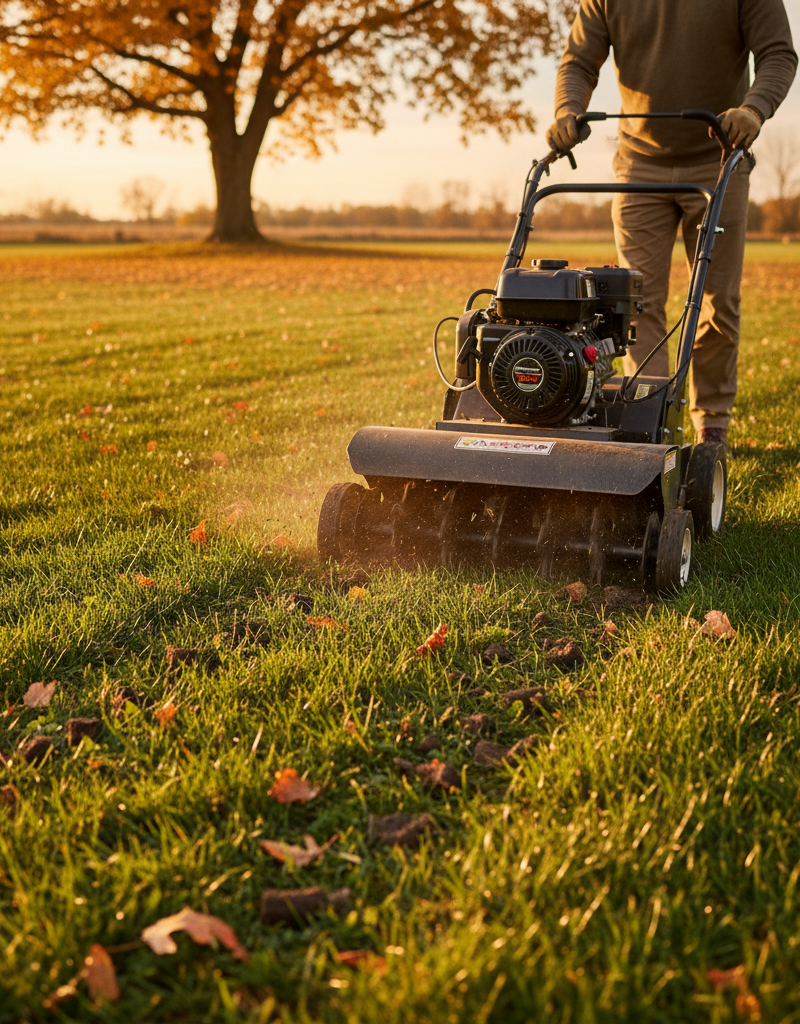
- Solution: Consider core aeration, especially for high-traffic areas or heavy clay soils. Rent a core aerator or hire a professional. Aerate when the grass is actively growing (spring or early fall for cool-season grasses, late spring/early summer for warm-season grasses).
3. Address Drainage Issues – Improve the subsurface movement of water.
Poor drainage means water sits on the surface or is held in the root zone too long, fostering disease.
- Diagnosis: Observe if water consistently puddles in certain areas after rain or watering, or if the soil stays soggy for days.
- Solution: Beyond aeration, you may need to amend the soil with organic matter like compost to improve its structure over the long term. For severe issues, consider installing a French drain for surface water or regrading the area if water is pooling due to landscape contours.
4. Identify and Treat Fungal Diseases – Look for specific patterns and apply appropriate fungicides.
Many lawn fungi thrive in moist conditions and cause brown spots. Overwatering often creates the perfect environment for them.
- Diagnosis:
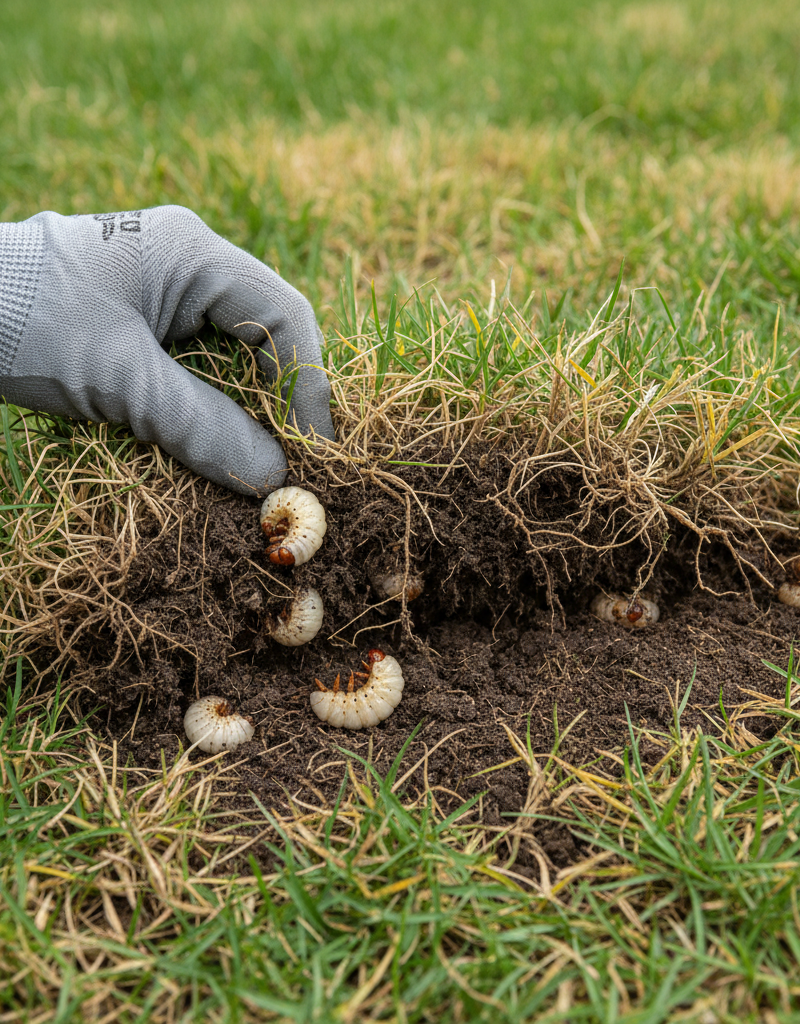
- Brown Patch: Irregularly shaped, circular patches (6 inches to several feet in diameter) with a smoky, dark ring on the outer edge (especially in humid conditions).
- Dollar Spot: Small, circular, straw-colored spots (size of a silver dollar) that may merge into larger patches, often with a cobweb-like mycelium visible in the morning dew.
- Pythium Blight: Water-soaked, greasy, dark patches that quickly shrivel to a light brown color, often appearing after extended periods of wet, hot weather.
- Solution: For mild cases, improving cultural practices (watering correctly, improving air circulation through proper mowing) can help. For active outbreaks, apply a targeted fungicide. Read labels carefully and apply according to instructions. Rotate fungicides with different active ingredients to prevent resistance.
5. Review Mowing Practices – Adjust mowing height and frequency.
Mowing too short or with dull blades can stress the grass, making it more vulnerable to disease and browning, especially when combined with moisture stress.
- Solution: Raise your mower blade. Most grasses prefer to be cut at 2.5 to 3 inches, or even higher in hot weather. Never remove more than one-third of the blade length in a single mowing. Ensure your mower blades are sharp to prevent tearing, which creates entry points for disease.
6. Consider Soil pH and Nutrient Balance – Test your soil and amend as needed.
An imbalanced soil can hinder nutrient uptake, weakening grass and making it more susceptible to stress and disease, even with adequate water.
- Solution: Perform a soil test through your local cooperative extension office. This will tell you your soil's pH and nutrient levels. Amend the soil with lime to raise pH or sulfur to lower it, and apply appropriate fertilizers based on the test results. Correcting pH can take several months.
Common Causes
- Overwatering: The single most common cause. Consistently wet soil suffocates roots and creates an ideal environment for fungal growth.
- Fungal Diseases: Brown patch, dollar spot, and Pythium blight are prevalent, particularly in warm, humid, or consistently wet conditions.
- Compacted Soil: Prevents water infiltration and oxygen exchange, leading to shallow roots and localized wet spots.
- Poor Drainage: Areas where water perpetually collects or drains slowly, keeping roots saturated and promoting fungal issues.
- Mowing Too Short: Scalping the lawn stresses the grass, reducing its ability to withstand disease and environmental stresses.
- Dull Mower Blades: Tears grass blades instead of cleanly cutting them, creating open wounds susceptible to disease.
- Wrong Time of Day to Water: Watering in the evening leaves grass blades wet overnight, encouraging fungal development.
- Nutrient Deficiencies/Imbalances: Weak grass due to inadequate nutrients is less resilient to stress and disease.
Common Mistakes
- Watering on a Fixed Schedule: Don't water just because
Frequently asked questions
Why does my lawn have brown spots after I water it?+
Brown spots after watering often indicate overwatering, which can lead to root suffocation or create ideal conditions for fungal diseases like brown patch or dollar spot to thrive. It can also point to underlying issues like compacted soil or poor drainage.
How can I tell if I'm overwatering my lawn?+
Signs of overwatering include consistently soggy soil, persistent brown or yellowing spots despite regular watering, water pooling, an increase in fungal growth, or a spongy feel to the lawn. A good test is to push a screwdriver into the soil; if it goes in easily to 6-8 inches and feels wet, you're likely overwatering.
What kind of fungal diseases cause brown spots after watering?+
Common fungal diseases that cause brown spots after watering include Brown Patch, characterized by large, irregular brown patches with a dark border, and Dollar Spot, which produces small, circular, straw-colored spots often with a web-like growth in the morning dew. Pythium blight is another, appearing as greasy, dark patches.
Should I fertilize my lawn if it has brown spots?+
Fertilizing a lawn with brown spots should only be done after diagnosing the cause. If the spots are due to overwatering or fungal disease, fertilizing immediately can worsen the problem or be ineffective. First, correct the watering and treat any diseases. A soil test can then determine if nutrient deficiencies are contributing to the issue, guiding appropriate fertilization.
How do I prevent brown spots from returning after I fix them?+
To prevent recurrence, establish a deep and infrequent watering schedule (1 inch per week, in the early morning). Maintain proper mowing height (2.5-3 inches) with sharp blades. Aerate compacted soil annually or bi-annually, and amend with organic matter to improve drainage. Monitor for early signs of disease and treat promptly, and consider a preventative fungicide if you've had recurring issues.
Discussion
Loading comments…