Tools & materials you'll need
Affiliate linksAs an Amazon Associate FixlyGuide earns from qualifying purchases — at no extra cost to you. Prices and availability are accurate as of publication and subject to change.
Quick Answer
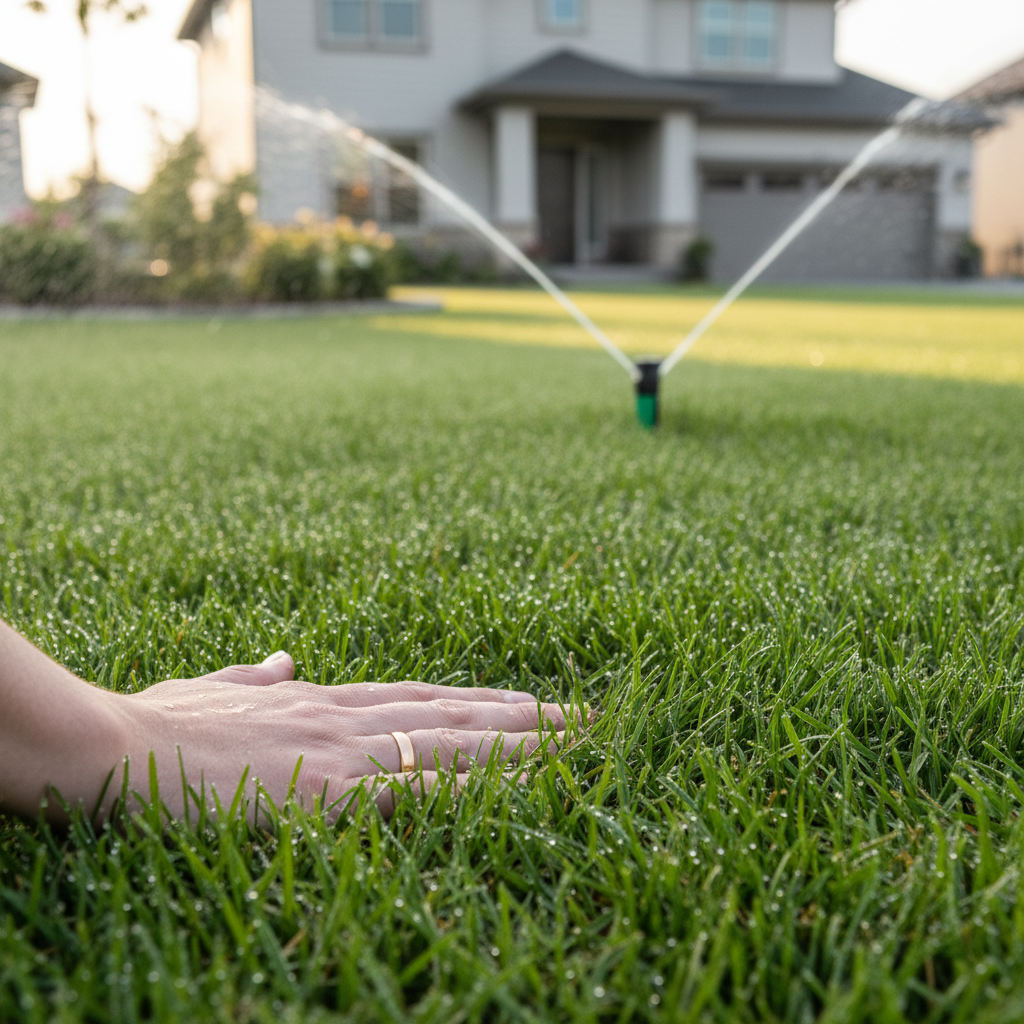
Many homeowners instinctively water their lawns frequently for short durations, believing they're keeping the grass hydrated. However, this common practice is actually detrimental, promoting shallow root systems that stress the grass during dry spells and make it vulnerable to disease. The optimal approach is to water deeply and infrequently, delivering about 1 inch of water in a single session, typically once or twice a week, allowing the soil to dry out slightly between waterings to encourage robust, deep root growth.
The Problem
Your lawn looks thirsty. Maybe it's turning brown, feeling crunchy underfoot, or showing signs of thinning. Your immediate reaction might be to grab the sprinkler and give it a daily drink. But if you're only watering for 10-15 minutes at a time, you're likely making the number one mistake that's sabotaging your lawn's health: shallow watering. This practice trains your grass roots to stay near the surface, eagerly awaiting their next light sprinkle. When faced with even a short period of heat or drought, these shallow roots can't access deeper soil moisture, leading to rapid wilting, stress, and eventually, a dead lawn. Beyond drought susceptibility, a constantly damp topsoil from shallow watering also creates an ideal environment for fungal diseases and encourages weed germination, creating a vicious cycle of problems.
How It Works
Understanding how grassroots uptake water is key to proper lawn care. Grass plants absorb water and nutrients through their root systems. A healthy grass plant develops a deep, extensive root network that can reach several inches, or even a foot or more, into the soil, depending on the grass type. When you water lightly and frequently, only the top inch or two of soil gets wet. The grass roots, being opportunistic, have no incentive to grow deeper; all their needs are met right at the surface. This creates a weak, dependent root system.
Conversely, when you water deeply, the water penetrates several inches into the soil. As the topsoil dries out between waterings, the roots are forced to grow deeper in search of moisture, extending their reach. This deep root growth makes the grass far more resilient. It can tap into reserves of water even when the surface soil is dry, allowing it to withstand periods of heat and drought without stress. Think of it like training an athlete: consistent, challenging workouts build strength and endurance, whereas light, easy sessions only provide temporary relief without long-term benefit. For a lawn, deep watering is the challenging workout that builds a strong, self-sufficient root system capable of thriving in varied conditions.
Step-by-Step Fix
1. Assess Current Soil Moisture — Before you even think about turning on the sprinkler, check if your lawn actually needs water.
Insert a screwdriver, a small trowel, or even your finger into the soil. If it penetrates easily to a depth of 6-8 inches and feels moist, your lawn doesn't need water yet. If it's hard to push in or the top few inches are dry and crumbly, it's time to water.
2. Determine Your Soil Type — Different soil types absorb and retain water differently.
Sandy soils drain quickly and may need watering slightly more often, while clay soils retain water longer and can be watered less frequently. Loamy soils are a good middle ground. You can determine your soil type with a simple jar test: put a cup of soil in a jar with water, shake, and let settle. Layers will show sand, silt, and clay.
3. Measure Your Sprinkler's Output — You need to know how much water your system is actually delivering.
Place several empty tuna cans or straight-sided containers randomly across your lawn where the sprinkler coverage overlaps. Run your sprinkler for 20-30 minutes, then measure the amount of water collected in each can using a ruler. Average the measurements. This will tell you your sprinkler's watering rate (e.g., 0.5 inches in 30 minutes).
4. Calculate Ideal Watering Duration — Aim for 1 inch of water per session.
Based on your sprinkler's output, calculate how long you need to run it to deliver 1 inch of water. For example, if your sprinkler delivers 0.5 inches in 30 minutes, you'd need to run it for 60 minutes (1 hour) to apply 1 inch. You might need to break this into two 30-minute sessions separated by an hour to avoid runoff on compacted or sloped areas.
5. Water During Optimal Times — Minimize evaporation and disease risk.
The best time to water is early morning, between 4 AM and 9 AM. This allows the water to soak in before the sun gets too intense, minimizing evaporation. Watering in the evening leaves the grass wet overnight, which can promote fungal diseases. Avoid watering in the middle of the day due to high evaporation.
6. Adjust for Weather and Season — Your lawn's needs change throughout the year.
In hot, dry weather, you might need to water 1-2 times a week. During cooler periods or after rainfall, you might go 10-14 days without watering, or not at all. Regularly check the soil moisture (Step 1) rather than sticking to a rigid schedule. Reduce watering in spring and fall, and almost stop in winter if your lawn goes dormant.
7. Observe Your Lawn's Response — Your lawn will tell you if your strategy is working.
Look for signs of stress: wilting, dull grayish-green color, or footprints that remain visible for extended periods. If you see these signs, you may need to increase watering duration or frequency slightly. Conversely, if you see standing water, fungus, or a consistently soggy lawn, you're likely overwatering.
8. Consider Advanced Tools — For precision and efficiency.
Install a rain sensor on your irrigation system to prevent watering during or after rainfall. Smart controllers that link to local weather stations can automatically adjust schedules. A soil moisture meter can give precise readings without digging.
Common Causes
- Misunderstanding Grass Needs: Many homeowners assume grass needs daily watering, similar to potted plants, not realizing the importance of deep root development for turfgrass.
- Improper Sprinkler Settings: Sprinklers often come with factory settings or are adjusted for convenience (e.g., 15 minutes per zone) without considering the actual water output or soil penetration.
- Reacting to Surface Appearance: Seeing the top inch of soil dry out leads to immediate, shallow watering, rather than checking deeper soil moisture.
- Ignoring Soil Type: Watering sandy soil (which drains quickly) the same way as clay soil (which retains water) will either lead to underwatering or overwatering.
- Convenience Over Correctness: It's easier to set a timer for daily short bursts than to measure output and adjust based on real-time needs.
- Runoff Concerns: Fear of water running off compacted or sloped areas leads to shorter watering times, which can be mitigated by cycle-and-soak watering.
Common Mistakes
- Watering Too Frequently and Too Shallowly: This is the cardinal sin. It keeps roots near the surface, making your lawn weak and vulnerable. Instead: Water deeply (1 inch) and infrequently (1-2 times a week, or less, depending on conditions).
- Watering in the Midday Sun: Much of the water evaporates before it reaches the roots, wasting water and money. Instead: Water in the early morning, when temperatures are cooler and winds are calmer.
- Watering Every Day, Rain or Shine: Blindly following a fixed schedule without considering recent rainfall or soil moisture levels leads to overwatering, fungus, and runoff. Instead: Use a rain sensor or manually check soil moisture before watering.
- Watering Based on a Timer Alone: Without knowing your sprinkler's output, a timer setting means little. You could be delivering far too little or too much water. Instead: Perform a tuna can test to measure your sprinkler's actual output and calculate the correct duration.
- Not Adjusting for Season or Grass Type: Warm-season grasses (Bermuda, Zoysia) have different water needs than cool-season grasses (Fescue, Rye), and all grasses need less water in cooler seasons. Instead: Research your specific grass type and adjust your schedule seasonally.
- Ignoring Signs of Over or Underwatering: A lack of observation means you won't know if your strategy is working. Instead: Pay attention to your lawn's color, footprint test, and look for signs of disease or wilting.
Cost & Time Breakdown
| Task | DIY Cost | Pro Cost | Time |
|---|---|---|---|
| Tuna can test & calculation | $0 | N/A | 1–2 hours |
| Adjust sprinkler schedule | $0 | $50–$150 | 10–20 minutes |
| Purchase rain sensor (optional) | $30–$80 | $100–$250 (install) | 30–60 minutes |
| Soil moisture meter (optional) | $15–$40 | N/A | 5 minutes |
| Smart irrigation controller (optional) | $100–$300 | $300–$600 (install) | 1–2 hours |
Tips & Prevention
- Mow High: Taller grass (2.5-3 inches for most varieties) shades the soil, reducing evaporation and encouraging deeper root growth.
- Aerate Annually: Core aeration relieves soil compaction, allowing water, air, and nutrients to penetrate more easily to the root zone.
- Fertilize Wisely: Excessive nitrogen fertilization can lead to lush top growth at the expense of root development. Use balanced fertilizers and follow package directions.
- Check for Runoff: If water is pooling or running off your lawn, split your total watering time into two or three shorter sessions separated by an hour or so, allowing water to soak in between.
- Understand Drought Stress vs. Dormancy: Many grass types will go dormant and turn brown during severe drought to conserve water. This is natural and often reversible with cooler temperatures or rain. Don't mistaken dormancy for dead grass and overwater.
- Mulch Landscape Beds: Apply 2-3 inches of mulch around trees and shrubs to conserve soil moisture, reduce weeds, and regulate soil temperature.
When to Call a Professional
While adjusting your watering schedule is a highly manageable DIY task, you might consider calling a professional for specific situations. If you have an existing irrigation system that isn't performing optimally – perhaps it has uneven coverage, broken heads, or mysterious leaks – a licensed irrigation specialist can diagnose and repair these issues efficiently. They can also help you program smart controllers or install rain sensors for maximum water efficiency. Furthermore, if your lawn continues to struggle despite proper watering, showing signs of widespread disease, pest infestation, or nutrient deficiencies, a professional lawn care service can provide a comprehensive diagnosis and recommend targeted treatments to restore its health. They can also perform soil tests to determine exact nutrient needs and pH levels, guiding a more precise fertilization and watering strategy.
Related Articles
Keep troubleshooting with these hand-picked guides from FixlyGuide:
- The #1 Mistake Killing Your Summer Lawn (It's Not What You Think) — Uncover the surprising truth behind your yellow summer lawn and learn how to fix the most common, yet overlooked, culprit: overwatering.
- The #1 Mistake Killing Your Lawn's Crabgrass Defense (And the Easy Fix) — Discover why common crabgrass removal methods fail and how to naturally eliminate this stubborn weed for a healthier lawn.
- The #1 Lawn Aeration Mistake Most Homeowners Make (And When to REALLY Do It) — Discover the crucial mistake many homeowners make with lawn aeration and learn the optimal timing for a healthier, more vibrant lawn.
- The #1 Mistake Killing Your Lawn's Clover—and the Easy fix That Spares Your Grass — Discover the most common mistake homeowners make when trying to eliminate clover, and learn how to remove it effectively without harming yo…
- The 3 Hidden Reasons Your Tree Leaves Turn Brown (and the Easy Fixes) — Discover the often-overlooked environmental stressors and specific diseases that cause tree leaves to brown, and learn simple, actionable s…
- The Secret to Lush Raised Beds? It's Not Just About How You Water — Smart irrigation for raised garden beds isn't just about automation; it's about delivering the right amount of water precisely when your pl…
Frequently asked questions
How do I know if I'm watering too much?+
Signs of overwatering include a constantly soggy lawn, fungal growth (like mushrooms or discolored patches), yellowing blades despite moisture, and lush, shallow-rooted grass that struggles in heat. Check the soil: if it's still saturated several days after watering, you're likely overwatering.
What's the best time of day to water my lawn?+
The best time to water is in the early morning, typically between 4 AM and 9 AM. This allows the water to soak deep into the soil before the sun gets too strong and minimizes evaporation. It also gives the grass blades time to dry before nightfall, reducing the risk of fungal diseases.
How can I tell if my lawn needs water?+
Beyond visual cues like dull color or wilting, the 'footprint test' is useful: if you walk across your lawn and your footprints remain visible for an extended period, the grass blades lack the turgor (water pressure) to spring back, indicating it's time to water. You can also use a screwdriver or stick; if it easily penetrates 6-8 inches into the soil and feels moist, you're good. If not, water.
How much water does my lawn need per session?+
Most lawns need about 1 inch of water per week, delivered in one or two deep watering sessions. You can measure this by placing empty tuna cans on your lawn while your sprinklers run. When the cans collect an average of 1 inch of water, that's how long you should water for that session.
Discussion
Loading comments…