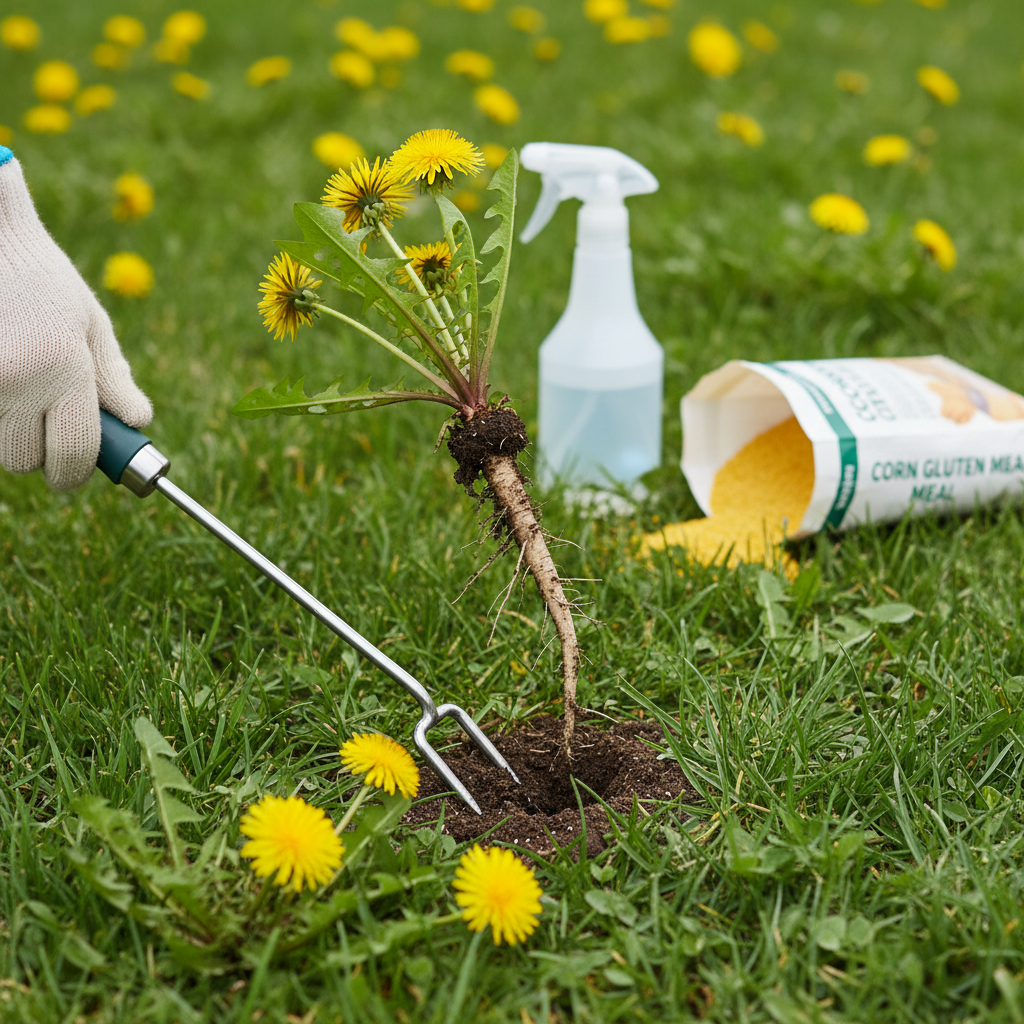
Tools & materials you'll need
Affiliate linksAs an Amazon Associate FixlyGuide earns from qualifying purchases — at no extra cost to you. Prices and availability are accurate as of publication and subject to change.
Quick Answer
Getting rid of dandelions doesn't always require harsh chemicals or expensive services. Many effective solutions can be found in your garage or local hardware store, ranging from simple tools for manual removal to targeted herbicides or even common household items. The key is consistent application and understanding the dandelion's growth cycle to prevent reoccurrence.
The Problem
Dandelions, with their bright yellow flowers and fluffy seed heads, are a common nuisance for many homeowners striving for a pristine lawn. Beyond aesthetics, these resilient weeds compete with desirable grass for water, nutrients, and sunlight, potentially weakening your turf. Their deep taproots make them notoriously difficult to eradicate, and their prolific seed production ensures they spread rapidly, turning a single plant into a widespread infestation in a single season. Traditional methods often provide temporary relief, leading to frustration and a recurring cycle of weeding.
How It Works
Dandelions (Taraxacum officinale) are perennial weeds, meaning they live for more than two years and can return season after season from their rootstock. Their survival power lies in a few key features. First, the taproot: a long, thick root that can extend 6 to 18 inches deep into the soil. This taproot acts as a nutrient and water storage organ, allowing the plant to survive harsh conditions, regenerate quickly even after the top growth is removed, and makes manual pulling challenging without a specialized tool. If even a small piece of the taproot remains in the soil, the dandelion can regenerate.
Second, their reproduction strategy is incredibly efficient. Each yellow flower head can produce hundreds of seeds, which are then dispersed by wind, sometimes traveling for miles. These seeds can germinate quickly under suitable conditions, but they can also remain viable in the soil for several years, waiting for the right moment to sprout. Dandelions are also capable of apomixis, a form of asexual reproduction where seeds are produced without fertilization, making them highly successful colonizers.
Third, dandelions thrive in compacted and nutrient-poor soils, which are often less hospitable to desirable lawn grasses. They are also indicators of low soil calcium and high potassium levels. Understanding this biology is crucial; surface-level treatments often fail because they don't address the deep taproot or the underlying soil conditions that favor dandelion growth.
Step-by-Step Fix
Safety First — Always wear gloves, eye protection, and appropriate clothing, especially when handling herbicides or strong solutions like vinegar. Read and follow all product labels carefully.
1. Manual Removal with a Weeding Tool — The most environmentally friendly and effective method for individual dandelions.
*   **Tools:** Dandelion weeder (a specialized tool with a V-notch or pronged end) or a sturdy narrow trowel.
*   **Technique:** Water the lawn thoroughly an hour or two beforehand to soften the soil. Insert the tool next to the dandelion, aiming to get under the taproot. Pry the dandelion (and as much of its roots as possible) out of the ground. Ensure you remove the entire taproot to prevent regrowth. Fill the small hole with soil and sprinkle with grass seed.
*   **If this doesn't work:** If the taproot breaks, the dandelion will likely regrow. Be vigilant and re-address it within a week or two.
2. Targeted Herbicide Application — For widespread infestations, a selective broadleaf herbicide is often necessary.
*   **Materials:** Liquid or granular selective broadleaf herbicide (containing active ingredients like 2,4-D, MCPP, or dicamba), pump sprayer (for liquid), or spreader (for granular).
*   **Technique (Liquid):** Mix the herbicide according to the product's instructions. Apply directly to the dandelions on a calm, windless day when temperatures are between 50-80°F (10-27°C) and no rain is expected for 24 hours. Ensure leaves are dry. Target the dandelions, avoiding overspray onto desirable plants. For best results, apply when dandelions are actively growing (spring or fall).
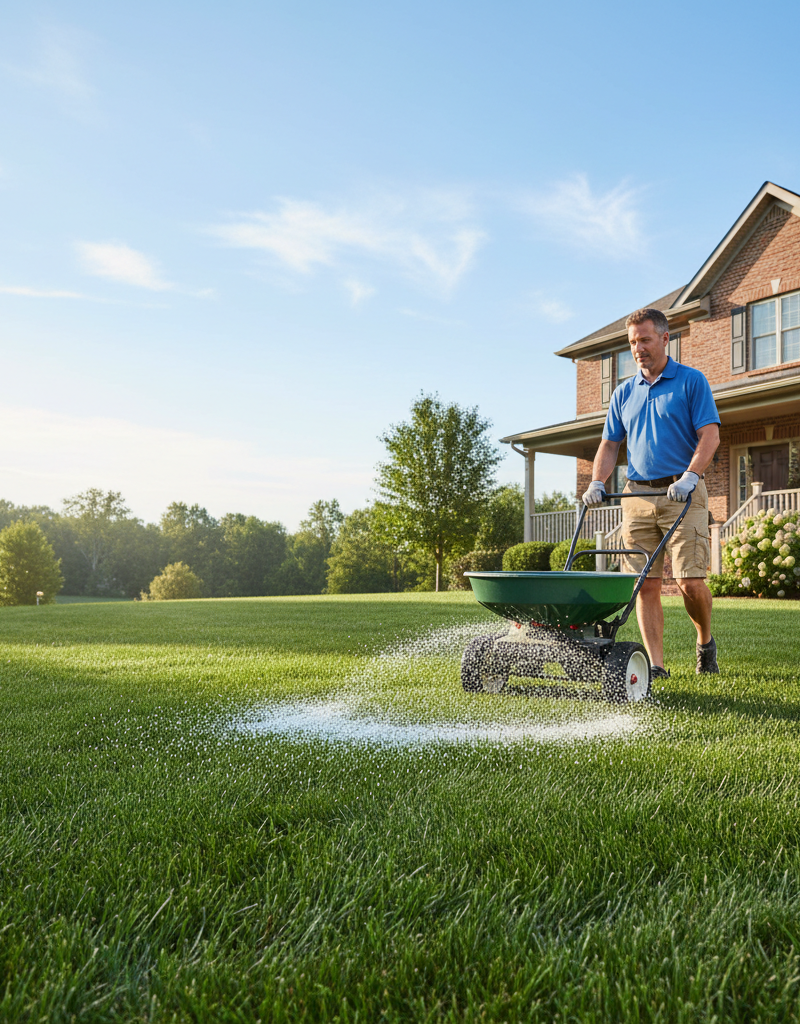
*   **Technique (Granular):** Apply granular products with a spreader, typically after a morning dew or light watering so the granules stick to the dandelion leaves. Follow package directions for spreader settings and application rates. Water in lightly if directed by the product label.
*   **Safety:** Always wear gloves, long pants, and a long-sleeved shirt. Avoid contact with skin and eyes. Keep pets and children off treated areas until dry.
*   **If this doesn't work:** Re-evaluate your timing and application technique. Some dandelions may require a second application after 2-3 weeks. Ensure you are using a product specifically for broadleaf weeds.
3. Horticultural Vinegar Solution — A natural, non-selective option for spot treatment (use with caution).
*   **Materials:** Horticultural vinegar (20% acetic acid, NOT standard household vinegar), spray bottle, gloves, eye protection.
*   **Technique:** Fill a spray bottle with horticultural vinegar. On a sunny, dry day, spray only the dandelion leaves until thoroughly wet. The high acetic acid content will burn the plant tissue, causing it to wither and die. Reapply if necessary.
*   **Safety:** Horticultural vinegar is much stronger than household vinegar and can cause skin and eye irritation. It is non-selective, meaning it will kill any plant it touches, including grass. Use extreme caution and only as a spot treatment. Avoid spraying on windy days to prevent drift.
*   **If this doesn't work:** Ensure you are using horticultural-strength vinegar (20% acetic acid) and not standard household vinegar (5%). Multiple applications may be necessary, and it’s most effective on young dandelions.
4. Boiling Water Treatment — A highly localized, chemical-free option.
*   **Materials:** Kettle or pot of boiling water.
*   **Technique:** Carefully pour boiling water directly onto the crown of individual dandelions. The heat will scorch the plant and typically kill it. This method is best for isolated weeds, as it will also kill surrounding grass.
*   **Safety:** Exercise extreme caution to avoid burns. Keep pets and children away from the area until residual heat dissipates.
*   **If this doesn't work:** Ensure you are pouring enough boiling water to scald the entire crown and upper taproot. Deeper roots may still regenerate the plant.
5. Corn Gluten Meal Application — A natural pre-emergent for prevention.
*   **Materials:** Corn gluten meal, broadcast spreader.
*   **Technique:** Apply corn gluten meal in early spring before dandelion seeds germinate (when forsythias are blooming). This organic product inhibits seed germination, preventing new dandelions from sprouting. Follow package instructions for application rates.
*   **Note:** This works as a pre-emergent; it will not kill existing dandelions. It can also inhibit the germination of desirable grass seeds, so don't apply when overseeding.
Common Causes
- Compacted Soil: Dandelions thrive in compacted soil, where their strong taproots can penetrate more easily than most grass roots. This also often indicates poor aeration and drainage.
- Nutrient Imbalance: Lawns with imbalanced pH or lacking essential nutrients like nitrogen are more susceptible. Dandelions often signal low calcium and high potassium levels.
- Mowing Too Short: Mowing your lawn too short (below 3 inches) stresses the grass, reducing its density and allowing more sunlight to reach the soil, creating ideal conditions for dandelion seeds to germinate.
- Infrequent Watering: Shallow, infrequent watering encourages shallow grass roots, making the lawn less resilient and more prone to weed invasion, including dandelions.
- Lack of Pre-Emergent: Not applying a pre-emergent herbicide in early spring allows dandelion seeds to germinate unchecked.
- Poor Seed Selection: Using grass seed varieties not suited to your local climate or soil conditions can result in a thin, weak lawn that is easily overtaken by weeds.
Common Mistakes
- Pulling Without the Root: Many homeowners pull only the visible part of the dandelion, leaving the taproot intact. This guarantees the plant will regrow, often stronger than before. Always use a tool to get the entire root.
- Mowing Over Dandelions in Seed: Mowing a lawn full of dandelions with mature seed heads effectively disperses thousands of new seeds, making your problem worse. Bag clippings if dandelions are present.
- Applying Herbicides Incorrectly: Using the wrong type of herbicide (e.g., non-selective on a lawn), applying it at the wrong time (too hot, too cold, before rain), or mixing it improperly can lead to ineffective results or damage to desirable turf.
- Ignoring Soil Health: Focusing solely on killing existing dandelions without addressing underlying soil issues (compaction, nutrient deficiency) means new dandelions will inevitably appear. A healthy lawn is the best defense.
- Not Following Up: Dandelion removal is rarely a one-time fix. Without consistent monitoring and follow-up (e.g., overseeding bare spots, re-treating new sprouts), the problem will persist.
- Using Household Vinegar Broadly: While spot treatment with horticultural vinegar can work, applying standard household vinegar (5% acetic acid) broadly will not be effective and can harm your grass if not carefully targeted. Horticultural vinegar is effective but non-selective.
Cost & Time Breakdown
| Task | DIY Cost | Pro Cost | Time |
|---|---|---|---|
| Manual Weeding (small area) | $0–$25 (tool) | $50–$150 (small job) | 15–60 minutes |
| Selective Herbicide (DIY) | $20–$50 | N/A | 30–90 minutes |
| Horticultural Vinegar (DIY) | $15–$30 | N/A | 15–45 minutes |
| Boiling Water (spot treat) | $0 | N/A | 5–15 minutes |
| Corn Gluten Meal (preventive) | $30–$60 | N/A | 30–60 minutes |
| Professional Weed Control | N/A | $200–$500+ (per visit/season) | N/A |
Tips & Prevention
- Mow High: Set your mower to its highest setting, generally 3 inches or more. Taller grass shades the soil, reducing sunlight for weed seeds and promoting deeper, stronger grass roots.
- Water Deeply and Infrequently: Encourage deep root growth by watering for longer periods, but less often. Aim for 1 inch of water per week, applied in one or two sessions.
- Overseed Regularly: Thicken your lawn by overseeding in the fall. A dense, healthy lawn naturally chokes out weeds by competing for resources.
- Aerate Annually: Reduce soil compaction by aerating your lawn, especially in high-traffic areas. This improves air, water, and nutrient penetration.
- Test Your Soil: Perform a soil test every 2-3 years to understand your soil's pH and nutrient levels. Amend as recommended to create optimal conditions for grass and deter weeds.
- Consider Pre-Emergents: Apply a pre-emergent herbicide in early spring before dandelions germinate. This creates a barrier against new weed sprouts. Ensure it's safe for your grass type.
- Promptly Remove New Dandelions: Be vigilant. As soon as you see a new dandelion, remove it manually before it establishes a deep taproot or goes to seed.
When to Call a Professional
If your dandelion infestation is extensive, covering more than 50% of your lawn, or if you've tried various DIY methods without success, it might be time to call a professional lawn care service. Professionals have access to stronger, more effective selective herbicides and specialized equipment not available to the average homeowner. They can also provide a comprehensive lawn health program, addressing underlying soil issues, providing aeration, and developing a long-term weed prevention strategy. Furthermore, if you're uncomfortable handling herbicides or lack the time and equipment for large-scale treatment, a professional can ensure the job is done safely and efficiently, saving you effort and potential frustration in the long run.
Related Articles
Keep troubleshooting with these hand-picked guides from FixlyGuide:
- The #1 Mistake Killing Your Lawn's Clover—and the Easy fix That Spares Your Grass — Discover the most common mistake homeowners make when trying to eliminate clover, and learn how to remove it effectively without harming yo…
- The #1 Mistake Homeowners Make When Fighting Dandelions (And The Weeds Still Win) — Learn the surprising reason dandelions continue to plague your lawn and the effective, long-term strategies to reclaim your turf without en…
- The #1 Dandelion Mistake Almost Every Homeowner Makes (and How to Fix It) — Many homeowners accidentally make dandelions worse. Learn the most common mistake and how to truly eliminate these persistent weeds for goo…
- The Eternal Weed Battle: Why They Always Come Back (And How to Actually Win) — Stop the cycle of endless weeding by understanding why weeds persist and how to implement long-term control strategies.
- The #1 Mistake Killing Your Lawn's Crabgrass Defense (And the Easy Fix) — Discover why common crabgrass removal methods fail and how to naturally eliminate this stubborn weed for a healthier lawn.
- The Nasty Truth About Your Smelly Bathroom Sink — And the 2-Ingredient Trick to Fix It — Uncover the hidden reasons behind that foul odor wafting from your bathroom sink drain and learn a simple, two-ingredient solution to banis…
Frequently asked questions
What kills dandelions permanently?+
Permanently eliminating dandelions requires a multi-pronged approach. Manually removing the entire taproot is the most effective single method for established plants. For widespread control, a combination of selective broadleaf herbicides, pre-emergent applications, and improving overall lawn health (proper mowing, watering, and soil care) will provide the best long-term results.
Can I use boiling water to kill dandelions?+
Yes, boiling water can effectively kill individual dandelions by scalding the plant and its crown. However, it is a non-selective method, meaning it will also kill any surrounding grass or desirable plants it touches. Use it carefully as a spot treatment for isolated weeds.
Does vinegar kill dandelion roots?+
Horticultural vinegar (20% acetic acid) can kill the above-ground parts of dandelions and may damage the upper portion of the taproot on younger plants. However, it often doesn't penetrate deep enough to kill a mature, established taproot entirely, which means the dandelion may regrow. Standard household vinegar (5% acetic acid) is generally too weak to be effective.
When is the best time to apply dandelion killer?+
The best times to apply dandelion killer are in the early spring (when dandelions are actively growing but before they go to seed) and in the fall (when the plants are drawing nutrients down to their roots, causing the herbicide to be transported deeper). Avoid applying during very hot weather or drought conditions, as this can stress your lawn and reduce herbicide effectiveness.
Discussion
Loading comments…