Tools & materials you'll need
Affiliate linksAs an Amazon Associate FixlyGuide earns from qualifying purchases — at no extra cost to you. Prices and availability are accurate as of publication and subject to change.
Quick Answer
For cool-season grasses common in northern climates, the prime time to aerate is late summer to early fall, specifically from August through October. This timing allows the grass to quickly fill in the newly created holes before winter dormancy. If you have warm-season grasses prevalent in southern regions, the best aeration window is late spring to early summer, typically April through June, giving the grass maximum recovery time during its peak growth period.
The Problem
Many homeowners assume aeration is a one-size-fits-all task, often performing it at inconvenient times or, worse, when it can actually harm their lawn. Aerating at the wrong time, such as during extreme heat, drought, or when very young grass is trying to establish, can stress the turf, invite weed invasion, and negate the very benefits aeration is meant to provide. Compaction, thatch buildup, and poor nutrient absorption are common problems that aeration addresses, but mistiming the process leaves these issues unaddressed or can exacerbate them, leading to a thin, unhealthy, and weed-prone lawn despite your best efforts.
How It Works
Lawn aeration, at its core, is the process of creating small holes in the soil, allowing air, water, and nutrients to penetrate the grass roots more effectively. Over time, foot traffic, mowing, and even rainfall can compact the soil, squeezing out crucial air pockets that roots need to respire and absorb water. This compaction makes it difficult for roots to grow deep, leading to a shallow root system that is more susceptible to drought and disease.
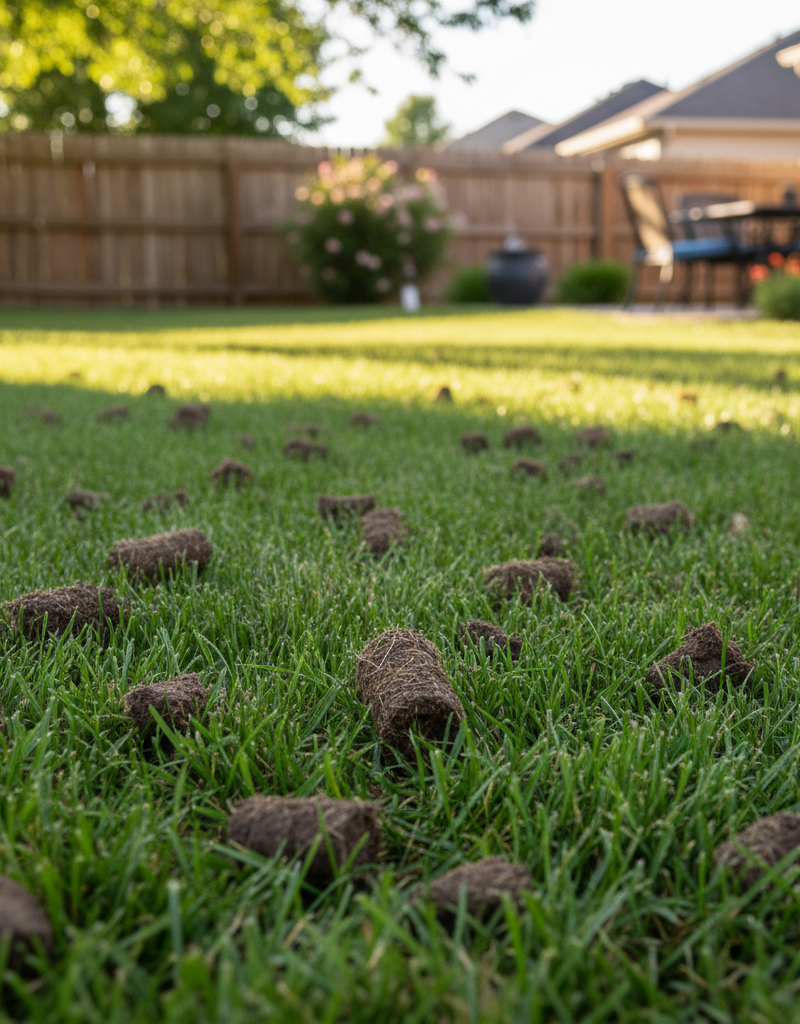
Simultaneously, a layer of thatch – dead grass stems, roots, and leaves – can accumulate on the soil surface. While a thin layer (less than ½ inch) is beneficial for insulation, an excessive thatch layer (over ¾ inch) can prevent water and nutrients from reaching the soil, harbor pests and diseases, and hinder new grass growth. Aeration breaks through this thatch layer and compaction by pulling out small plugs of soil, typically 2-3 inches deep. These small holes serve as channels, improving the exchange of gases between the soil and the atmosphere, allowing water to percolate deeper, and ensuring fertilizers and amendments reach the root zone. As the soil plugs decompose, they return beneficial microorganisms to the lawn surface. The improved environment encourages roots to grow deeper and spread wider, resulting in a more resilient, dense, and healthy turf that can better withstand environmental stresses.
Step-by-Step Fix
1. Identify Your Grass Type – Warm-season or cool-season
Before you even think about aerating, you need to know what type of grass you have. Cool-season grasses thrive in northern climates (e.g., Kentucky Bluegrass, Fescue, Ryegrass) and grow best in spring and fall. Warm-season grasses prefer southern climates (e.g., Bermuda, Zoysia, St. Augustine) and flourish in late spring and summer.
- If you're unsure: Take a small sample of your grass to a local nursery or cooperative extension office. They can help identify it.
2. Determine Your Soil Conditions – Check for compaction and thatch
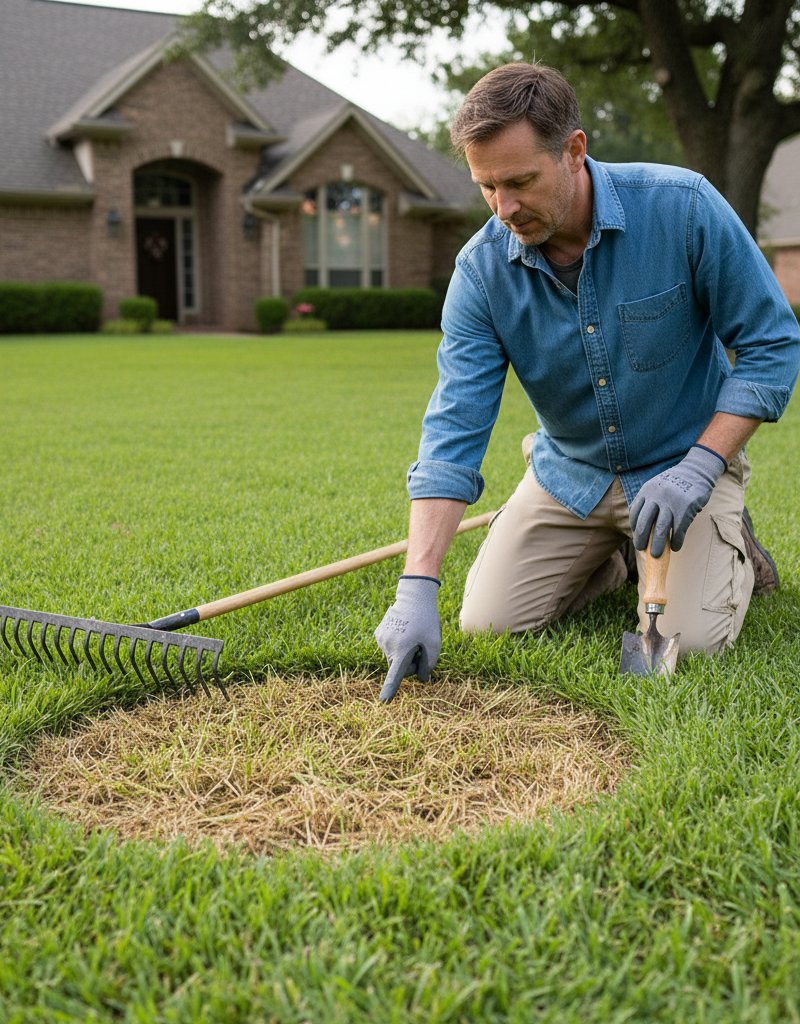
Walk across your lawn. Does it feel spongy or very hard? If water puddles easily or your screwdriver struggles to penetrate more than a couple of inches, you likely have compaction. Also, push your fingers into the lawn; if you can't easily feel the soil due to a dense, spongy layer of organic matter, you have excessive thatch (over ¾ inch).
- Tools: A screwdriver or soil probe can help assess soil density.
- Note: If your thatch layer is truly excessive (over 1 inch), consider dethatching before aeration, though aeration often helps manage moderate thatch.
3. Choose the Right Aeration Method – Core vs. spike aerator
Core aerators (which pull out soil plugs) are generally more effective than spike aerators (which just poke holes). Core aeration relieves compaction better and helps break down thatch.
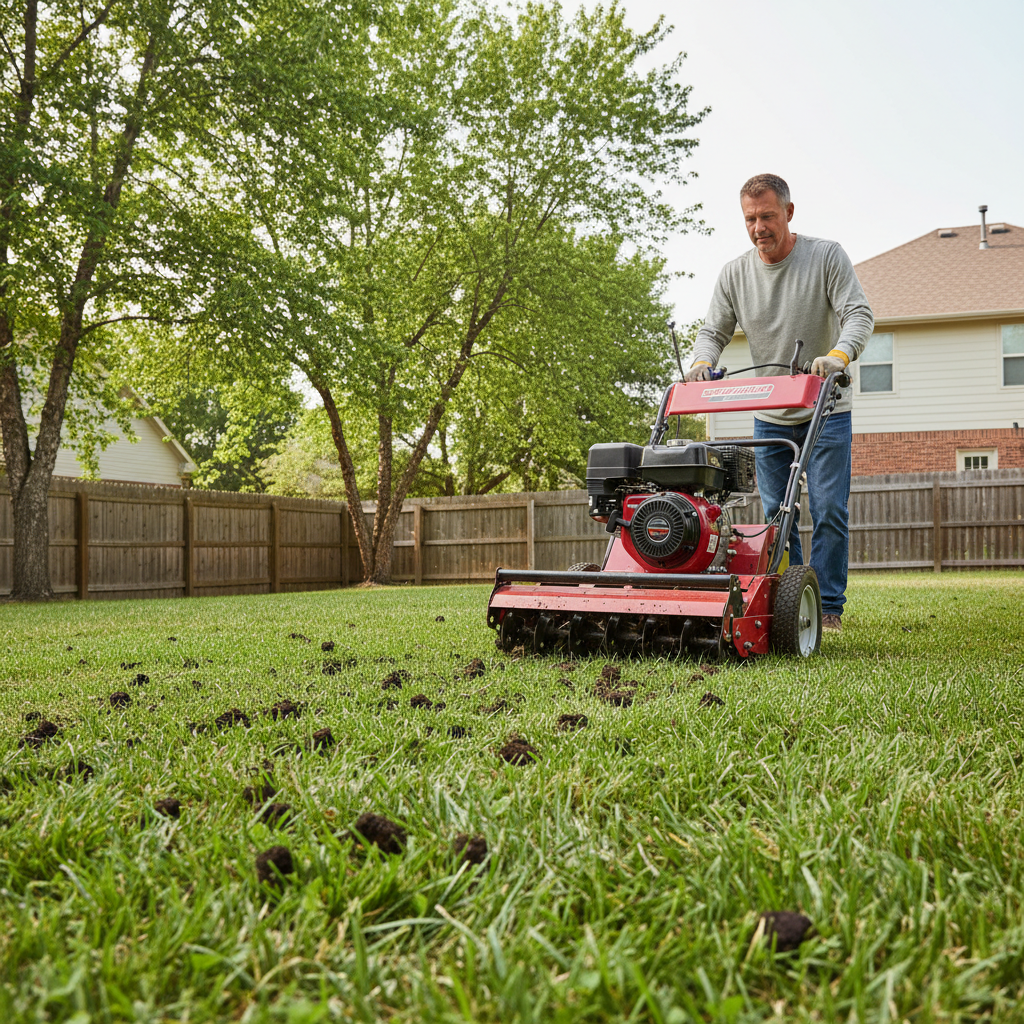
- Rent: For most homeowners, renting a walk-behind core aerator from a local equipment rental store is the most cost-effective option.
- Attachments: Some lawn tractors have tow-behind core aerator attachments, suitable for large lawns.
4. Prepare Your Lawn – Mow, water, and mark obstacles
Before aerating, mow your lawn to its normal height to make the process easier and ensure the aerator can penetrate properly. Water your lawn thoroughly the day before, aiming for slightly moist but not saturated soil. This helps the aerator tines penetrate deeper. Mark any sprinkler heads, buried utility lines, or shallow invisible dog fences with flags to avoid damage.
- Safety: Always locate and mark all underground utilities before digging or deep soil penetration.
5. Aerate Your Lawn Systematically – Overlap passes
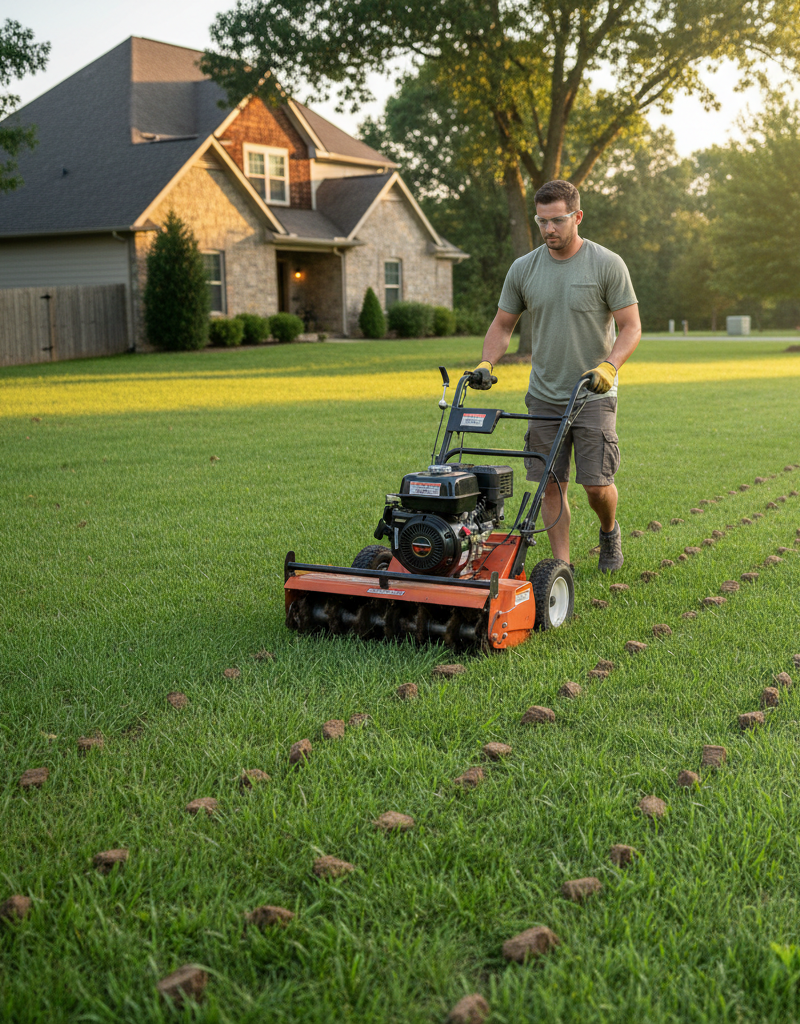
Operate the aerator in a consistent pattern, making sure to overlap your passes slightly to ensure good coverage. For heavily compacted areas, you may need to make a second pass perpendicular to the first. Aim for holes that are 2-3 inches deep and about 2-4 inches apart.
- If the aerator isn't pulling plugs: The soil might be too dry or too wet. Adjust your watering or wait for better conditions.
6. Leave the Soil Plugs – Let them decompose naturally
Resist the urge to rake up the soil plugs. They contain valuable microorganisms and nutrients. Let them dry and break down naturally on the lawn, usually within a week or two. Rain, irrigation, and mowing will help them disappear.
7. Post-Aeration Care – Fertilize and overseed
After aeration, your lawn is primed to receive nutrients and seed. This is an excellent time to overseed (especially for cool-season grasses) and apply a slow-release fertilizer. Water your lawn regularly to help the new seed germinate and the existing grass recover.
- If overseeding: Choose a grass seed variety compatible with your existing lawn and climate.
8. Maintain Regular Aeration Schedule – Every 1-3 years
Most lawns benefit from aeration every one to three years, depending on soil type, traffic, and compaction levels. Highly trafficked areas or clay soils may require more frequent aeration.
Common Causes
- Heavy Foot Traffic: Kids playing, pets running, or frequent walking paths compact the soil over time.
- Clay Soils: Naturally dense, clay soils are more prone to compaction than sandy soils.
- Construction Activity: Past construction can leave subsoil compacted, even after topsoil is replaced.
- Over-Fertilization/Lack of Organic Matter: Too much synthetic fertilizer and not enough organic soil amendments can reduce soil structure and increase compaction.
- Improper Mowing: Mowing too short can stress the grass, leading to shallow roots that don't penetrate compacted soil well.
- Excessive Thatch Buildup: A thick layer of thatch acts as a barrier, preventing air and water from reaching the soil and exacerbating compaction.
- Irrigation Practices: Frequent, shallow watering encourages shallow roots and leaves the subsoil prone to compaction.
Common Mistakes
- Aerating During Extreme Heat or Drought: This stresses the grass unnecessarily and can lead to browning or dormancy, hindering recovery.
- Aerating On Dry, Hard Soil: The aerator tines won't penetrate deeply enough, making the process ineffective and potentially damaging the equipment. Always water the day before.
- Aerating On Saturated, Muddy Soil: Too much moisture can create larger, more damaging holes, potentially leading to increased compaction around the edges of the holes.
- Not Marking Obstacles: Hitting sprinkler heads, invisible fence lines, or shallow utility cables can cause costly damage.
- Using a Spike Aerator Instead of a Core Aerator: Spike aerators often compact the soil further by simply pushing soil aside rather than removing plugs.
- Raking Up the Soil Plugs: These plugs contain beneficial microorganisms and nutrients; allowing them to decompose naturally benefits your lawn.
- Neglecting Post-Aeration Care: Failing to fertilize and overseed after aeration misses a prime opportunity to improve your lawn's health and density.
Cost & Time Breakdown
| Task | DIY Cost | Pro Cost | Time |
|---|---|---|---|
| Aerator Rental (half-day) | $70–$120 | N/A | 1–3 hours |
| Fuel | $5–$10 | N/A | N/A |
| Overseed Seed (5,000 sq ft) | $30–$70 | Included in service | 30 minutes |
| Starter Fertilizer | $20–$40 | Included in service | 20 minutes |
| Aeration Service (Pro) | N/A | $150–$400 (up to 5,000 sq ft) | 1–2 hours |
| Total DIY Estimate | $125–$240 | N/A | 2–4 hours |
Tips & Prevention
- Regular Mowing at Proper Height: Keep your grass at 2.5 to 3 inches for cool-season grasses and 1.5 to 2.5 inches for warm-season grasses to encourage deeper root growth.
- Deep and Infrequent Watering: Water deeply to encourage roots to seek moisture deeper in the soil, making them more resilient to drought and reducing surface compaction.
- Soil Testing: Perform a soil test every few years to identify nutrient deficiencies or pH imbalances that can contribute to poor soil health and compaction.
- Topdressing with Compost: Apply a thin layer of compost (about ¼ inch) annually to improve soil structure, add organic matter, and reduce compaction over time.
- Avoid Heavy Traffic on Wet Soil: Walking or driving on wet soil increases compaction significantly.
- Consider a Dethatching Rake: If thatch is a persistent issue, consider using a dethatching rake or machine in late spring/early fall (cool-season) or early summer (warm-season).
When to Call a Professional
While aerating is a DIY-friendly task, there are specific situations where calling a professional lawn care service is advisable. If your lawn is exceptionally large (over 10,000 sq ft) or especially hilly, or if you have significant physical limitations, a pro can save you considerable time and effort. Additionally, if you're dealing with severe soil compaction that has resisted previous DIY aeration attempts, or if your lawn shows signs of unusual diseases or persistent pest issues in conjunction with compaction, a professional can offer a more holistic diagnosis and treatment plan. They have commercial-grade equipment that can penetrate deeper and cover ground more efficiently, ensuring optimal results, and they can also advise on proper nutrient management and custom aeration schedules based on your specific turf type and local climate conditions. For complex issues or simply to ensure the job is done perfectly, a professional is a worthy investment.
Related Articles
Keep troubleshooting with these hand-picked guides from FixlyGuide:
- The #1 Lawn Aeration Mistake Most Homeowners Make (And When to REALLY Do It) — Discover the crucial mistake many homeowners make with lawn aeration and learn the optimal timing for a thriving, healthy lawn.
- The #1 Lawn Aeration Mistake Most Homeowners Make (And When to REALLY Do It) — Learn the surprising truth about when to aerate your lawn for maximum health and how a simple timing mistake can sabotage your efforts.
- The #1 Lawn Aeration Mistake Most Homeowners Make (And When to Fix It) — Learn the critical timing mistake most homeowners make with lawn aeration and discover the perfect window for a thriving, healthy lawn.
- The #1 Mistake Killing Your Lawn's Crabgrass Defense (And the Easy Fix) — Discover why common crabgrass removal methods fail and how to naturally eliminate this stubborn weed for a healthier lawn.
- The #1 Mistake Killing Your Thin Lawn (and How to Fix It in a Weekend) — Overseeding a thin lawn is crucial for a lush yard, but a common mistake can ruin your efforts before they even begin. Learn how to diagnos…
- The #1 Mistake Homeowners Make After Finding Missing Shingles (And How to Fix It Right) — Discover the crucial steps to take after a storm rips shingles from your roof, ensuring a proper, lasting repair and preventing costly futu…
Frequently asked questions
How often should I aerate my lawn?+
Most lawns benefit from aeration every one to three years, depending on soil type, traffic, and compaction levels. Lawns with heavy clay soil or high foot traffic may need more frequent aeration.
Can I aerate my lawn in the summer?+
You should generally avoid aerating your lawn during the peak heat of summer, especially if your region is experiencing drought conditions. Aerating during this time can stress the grass and lead to browning or dormancy, making it harder for the lawn to recover effectively.
Should I fertilize after aerating?+
Yes, fertilizing immediately after aeration is highly recommended. The newly created holes provide direct access for nutrients to reach the grass roots, making fertilization much more effective and promoting robust growth.
What's the difference between core aeration and spike aeration?+
Core aeration removes small plugs of soil, effectively relieving compaction and allowing air, water, and nutrients to penetrate. Spike aeration, on the other hand, merely pokes holes in the soil, which can actually increase compaction around the edges of the holes and is generally less effective for long-term soil health.
Discussion
Loading comments…