Tools & materials you'll need
Affiliate links- AmazonScrewdriver or soil probe1 · For checking soil moisture
- AmazonRain gauge or tuna can1 · To measure sprinkler output and rainfall
- AmazonCore aerator1 · Optional, if soil is compacted
- AmazonGarden hose with sprayer1 · For manual watering
- AmazonLawn fertilizer spreader1 · For even application of amendments
As an Amazon Associate FixlyGuide earns from qualifying purchases — at no extra cost to you. Prices and availability are accurate as of publication and subject to change.
Quick Answer
Your summer lawn turning yellow is often a frustrating mystery, especially when you think you're doing everything right. While many factors can contribute, one of the most common culprits, surprisingly, is overwatering. It seems counterintuitive – don't plants need water? Yes, but too much water suffocates grass roots by displacing essential oxygen in the soil. This leads to a cascade of problems: root damage, inability to absorb nutrients, and increased susceptibility to fungal diseases. Correcting your watering habits and ensuring proper drainage are crucial first steps in diagnosing and resolving yellowing turf.
The Problem
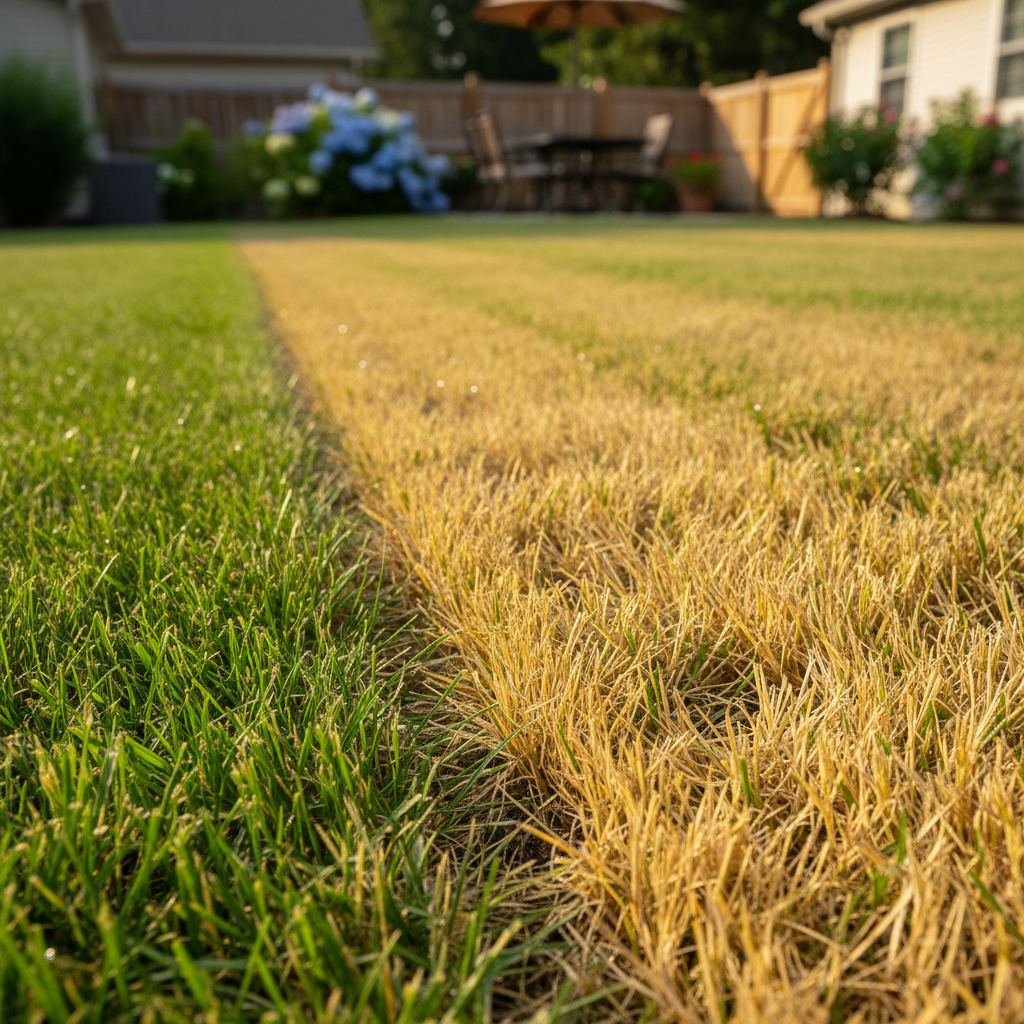
Picture this: the summer sun is beating down, and you dutifully run your sprinklers, convinced you're giving your lawn the hydration it craves. Yet, day after day, your once vibrant green turf begins to fade, adopting a sickly yellow hue. This isn't just an aesthetic issue; it's a sign of a distressed lawn. While drought, nutrient deficiencies, pests, and diseases are all potential suspects, the silent killer in many summer lawns is overwatering. Homeowners often believe more water is always better, especially during hot spells, but this good intention can quickly turn detrimental. Overwatering creates an anaerobic (oxygen-depleted) environment in the soil, which essentially drowns the grass roots, making them inefficient or even causing them to rot. This root damage prevents the grass from absorbing vital nutrients like nitrogen and iron, both essential for green growth, leading directly to the yellowing you observe.
How It Works
To understand why overwatering causes yellowing, it's helpful to grasp the basic physiology of grass and soil. Grass roots, like all living organisms, require oxygen to respire and function properly. In healthy soil, there are microscopic air pockets between soil particles, allowing oxygen to reach the roots. When you overwater, these air pockets become saturated with water, pushing out the essential oxygen. This creates an anaerobic condition.
Once deprived of oxygen, grass roots begin to suffer. They can't efficiently convert stored energy, absorb water, or take up nutrients from the soil. One of the most critical nutrients for vibrant green color is nitrogen, a key component of chlorophyll. Iron is also crucial for chlorophyll production. When roots are compromised by overwatering, they cannot absorb these minerals, even if they are abundant in the soil. This phenomenon is often called "nutrient lockout." The grass is essentially starving for nutrients, leading to chlorosis, or yellowing.
Furthermore, persistently wet conditions create an ideal breeding ground for various fungal diseases. Fungi like Pythium blight or brown patch thrive in saturated soils and high humidity. These diseases attack the grass blades and roots, further impairing the plant's ability to photosynthesize and transport nutrients, culminating in widespread yellowing and eventually patch death. The excess moisture can also leach essential nutrients like nitrogen deeper into the soil, beyond the reach of the grassroots, exacerbating the deficiency.
Soil type plays a significant role. Clay soils, with smaller particles and less pore space, hold water for longer periods and are thus more susceptible to overwatering issues than sandy soils, which drain more rapidly. Understanding your soil type can help you tailor your watering regimen. The goal is to water deeply but infrequently, allowing the top layer of soil to dry out slightly between waterings, ensuring roots get both water and adequate air.
Step-by-Step Fix
1. Assess Your Watering Schedule — Determine if your current irrigation is excessive.
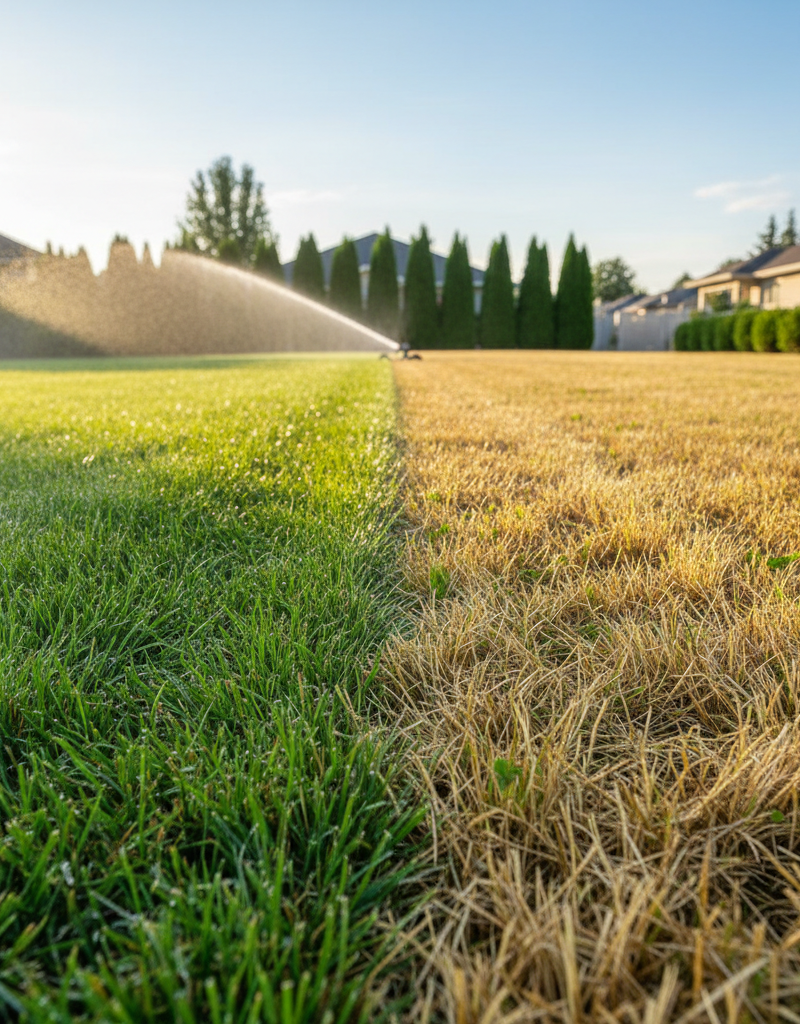
Most lawns need about 1 to 1.5 inches of water per week, including rainfall. Water deeply and infrequently, aiming for 1-2 times a week, rather than short, daily sprinkles. Short waterings only wet the surface, encouraging shallow root growth, while deep waterings encourage roots to grow deeper in search of moisture, making the grass more drought-tolerant and less susceptible to overwatering. Use a rain gauge or a tuna can to measure how much water your sprinklers are actually delivering over a 30-minute period.
- If your lawn is on an automatic sprinkler system: Check the programming. Many systems are set to water too frequently, especially if they were installed without considering local climate and soil conditions. Adjust the frequency and duration. Consider investing in a smart controller that uses local weather data.
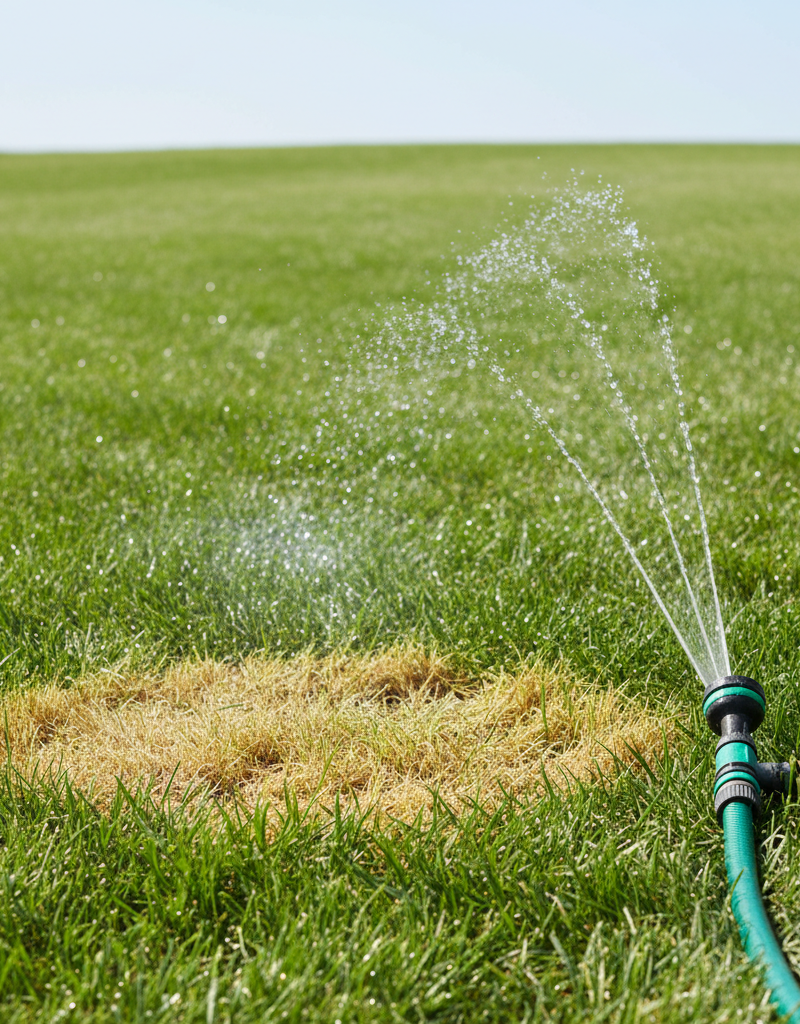
- If you water manually: Be mindful of how long you run the hose in one spot. Move sprinklers frequently to ensure even coverage without soaking one area for too long.
2. Perform a "Screwdriver Test" — Check soil moisture levels manually.
After watering, wait a few hours, then push a long screwdriver or a soil probe into the lawn. It should penetrate easily to at least 6-8 inches. If it struggles, your lawn might not be getting enough water (or your soil is extremely compact). If, however, you can push it in easily and water oozes out or the soil is clearly saturated even a day or two later, you are likely overwatering. The goal is moist, not soggy, soil.
- Alternatively, use the "footprint test": Walk across your lawn. If your footprints remain visible for an extended period, the grass blades may be too turgid from overwatering or too stressed, indicating it's holding too much moisture.
3. Improve Soil Drainage — Address compaction and water accumulation beneath the surface.
Compacted soil is a major contributor to overwatering problems because it prevents water from percolating down, leading to surface pooling and root suffocation. Aeration helps break up compaction and allows water and air to penetrate deeper.
- Core Aeration: This involves removing small plugs of soil, creating channels for water, air, and nutrients. It's best done in late spring or early fall when the grass is actively growing. You can rent an aerator or hire a professional.
- Topdressing: After aeration, applying a thin layer (1/4 to 1/2 inch) of organic matter like compost can gradually improve soil structure and drainage over time. This introduces beneficial microbes and aggregates soil particles.
- If you have standing water: Identify any low spots in your lawn. These may need grading or the installation of a French drain to divert excess water away from the turf area.
4. Fertilize Appropriately — Correct nutrient deficiencies without overdoing it.
Overwatering can leach nitrogen. Once you've corrected your watering habits and drainage, a light application of a balanced lawn fertilizer can help your yellowing grass recover its color. However, be cautious: applying too much nitrogen to already stressed, overwatered grass can further damage it.
- Soil Test: Before fertilizing, perform a soil test. This will tell you exactly what nutrients your soil is lacking and prevent you from adding unnecessary fertilizers that could cause further issues. Contact your local extension office for kits and recommendations.
- Iron Supplement: If the soil test shows adequate nitrogen but yellowing persists after correcting watering, an iron supplement (chelated iron) can quickly green up the lawn without promoting excessive top growth that nitrogen does. Follow product instructions carefully.
5. Address Fungal Issues — Treat any diseases exacerbated by excess moisture.
If yellow patches are accompanied by other symptoms like specific leaf spots, browning edges, or a "greasy" appearance, a fungal disease might be present. Overwatering creates ideal conditions for many common lawn fungi.
- Identify the disease: Research common lawn diseases in your region or consult with a local nursery expert. Different fungi cause different symptoms (e.g., dollar spot, brown patch, red thread).
- Fungicide Application: Once identified, apply an appropriate fungicide according to product labels. However, stopping overwatering and improving air circulation are often the most effective long-term treatments for fungal problems. Fungicides are usually a temporary fix without addressing the underlying environmental conditions.
6. Monitor Recovery and Adjust — Pay close attention to your lawn's response.
It takes time for a lawn to recover. Continue to monitor soil moisture and grass health. Adjust watering as needed based on rainfall, temperature, and the grass's appearance. Look for signs of new green growth.
- Patience is key: Don't expect overnight results. Lawn recovery can take several weeks or even a full growing season, depending on the severity of the damage.
- Observe consistently: Walk your lawn regularly. Notice how it responds to changes in watering. Are the yellow spots shrinking? Is new growth appearing? This continuous observation will help you fine-tune your lawn care.
Common Causes
- Excessive Irrigation: The primary focus of this article. Overwatering leads to root suffocation, nutrient lockout, and an environment conducive to fungal diseases.
- Poor Soil Drainage: Compacted soils, heavy clay, or areas with underlying hardpan layers prevent water from draining, leading to standing water around roots even with moderate watering.
- Shallow Watering: Frequent, light watering encourages shallow root systems that are more susceptible to stress from heat and temporary dry spells, making the lawn appear thirstier than it is, leading homeowners to overwater.
- Improper Fertilization: While underwatering can cause yellowing, both too little (nitrogen/iron deficiency) and too much fertilizer (chemical burn, especially if overwatered) can also result in yellow grass.
- Pests and Diseases: Grubs, chinch bugs, and various fungal diseases (e.g., brown patch, dollar spot) common in warm, humid, or overly wet conditions can cause irregular yellow or brown patches.
- High Soil pH: When soil pH is too high (alkaline), it can make essential nutrients like iron unavailable to grass roots, even if they are present in the soil. This is a common cause of iron chlorosis, which looks like yellowing between green veins.
Common Mistakes
- Watering on a Fixed Schedule, Regardless of Rain: Setting your sprinklers to run every Tuesday and Friday without checking for recent rainfall or actual soil moisture levels is a recipe for disaster. Always adjust based on current conditions.
- Ignoring Soil Type: Treating sandy loam and heavy clay soils the same. Clay needs less frequent watering but can hold more water, while sandy soil needs more frequent but shorter waterings due to rapid drainage. Adapt your schedule!
- Watering Only for a Few Minutes Daily: This promotes shallow roots that are weak and prone to stress. Deep, infrequent watering is always better to encourage robust, deep root systems.
- Not Observing Your Lawn Closely: Waiting until a large area is severely yellow before investigating. Early signs of stress (slight discoloration, footprints remaining) are your cue to check soil moisture and adjust.
- Automatically Fertilizing When Yellowing Occurs: Assuming yellow means "hunger." Without a soil test, you might be adding more of a nutrient that's already present or locked out, exacerbating the problem or causing chemical burn.
- Mowing Too Short: Scalping the lawn removes too much of the grass blade, stressing the plant and making it more susceptible to damage from environmental factors and overwatering.
Cost & Time Breakdown
| Task | DIY cost | Pro cost | Time |
|---|---|---|---|
| Soil Moisture Test (DIY) | $0 (screwdriver) – $20 (meter) | N/A | 5–10 minutes |
| Adjusting Watering Schedule | $0 | N/A | 10–30 minutes |
| Core Aeration (Rental) | $80–$150 (machine rental for 4 hours) | N/A | 2–4 hours (for 1/4 acre) |
| Core Aeration (Pro Service) | N/A | $150–$300 (for 1/4 acre) | 1–2 hours |
| Soil Test Kit (Lab) | $20–$50 | N/A | 15 minutes (to collect sample) |
| Bag of Compost (Topdressing) | $5–$15 per bag | N/A | 1–2 hours (depends on area) |
| Iron Supplement (Granular/Liquid) | $20–$40 | N/A | 15–30 minutes |
Tips & Prevention
- Water Deeply, Infrequently, and Early: Water in the early morning (before 10 AM) to reduce evaporation and allow grass blades to dry before nightfall, minimizing fungal growth. Aim for 1-1.5 inches of water per week, delivered in one or two sessions.
- Get a Rain Gauge or Smart Controller: These tools remove the guesswork from watering. A rain gauge helps you track natural rainfall, while a smart controller automatically adjusts your irrigation based on real-time weather and soil conditions.
- Aerate Regularly: If your soil is compacted, annual or biennial core aeration will significantly improve water penetration and oxygen availability to roots.
- Mow Grass Taller: Keep your mower blade higher (aim for 2.5-3 inches for most turf types). Taller grass shades the soil, reduces evaporation, and promotes deeper root growth, making it more resilient to stress.
- Perform Regular Soil Tests: Test your soil every 2-3 years to understand its nutrient profile and pH. This guides your fertilization strategy, preventing over or under-application of nutrients.
- Inspect Your Lawn Frequently: Walk your lawn several times a week, especially during the summer. Look for early signs of stress – subtle color changes, wilting in specific spots, or insect activity. Early detection prevents minor issues from becoming major problems.
When to Call a Professional
While many yellow lawn issues relating to overwatering can be resolved with DIY adjustments, there are specific situations where a professional might be necessary. If you have systematically addressed your watering schedule, improved drainage, performed a soil test, and yet your lawn continues to struggle with widespread yellowing or deterioration, it
Related Articles
Keep troubleshooting with these hand-picked guides from FixlyGuide:
- The #1 Mistake Turning Your Healthy Lawn Brown After Watering — Discover the hidden culprit behind brown spots appearing in your lawn immediately after watering and learn how to correct this common mista…
- The 3 Hidden Reasons Your Tree Leaves Turn Brown (and the Easy Fixes) — Discover the often-overlooked environmental stressors and specific diseases that cause tree leaves to brown, and learn simple, actionable s…
- The #1 Mistake Killing Your Lawn's Crabgrass Defense (And the Easy Fix) — Discover why common crabgrass removal methods fail and how to naturally eliminate this stubborn weed for a healthier lawn.
- The #1 Lawn Aeration Mistake Most Homeowners Make (And When to REALLY Do It) — Discover the crucial mistake many homeowners make with lawn aeration and learn the optimal timing for a thriving, healthy lawn.
- The #1 Mistake Killing Your Lawn's Clover—and the Easy fix That Spares Your Grass — Discover the most common mistake homeowners make when trying to eliminate clover, and learn how to remove it effectively without harming yo…
- The Secret to Lush Raised Beds? It's Not Just About How You Water — Smart irrigation for raised garden beds isn't just about automation; it's about delivering the right amount of water precisely when your pl…
Frequently asked questions
Can yellow grass turn green again?+
Yes, in most cases, yellow grass can recover and turn green again once the underlying issue, such as overwatering, is identified and corrected. The speed of recovery depends on the severity of the damage and how quickly intervention occurs. Providing proper water, aeration, and balanced nutrients will aid in its restoration.
How often should I water my lawn in the summer?+
In summer, most lawns need about 1 to 1.5 inches of water per week in total, including rainfall. Instead of daily light watering, it's best to water deeply and infrequently, typically 1 to 2 times per week. This encourages deeper root growth and helps prevent fungal diseases and overwatering issues.
What does overwatered grass look like?+
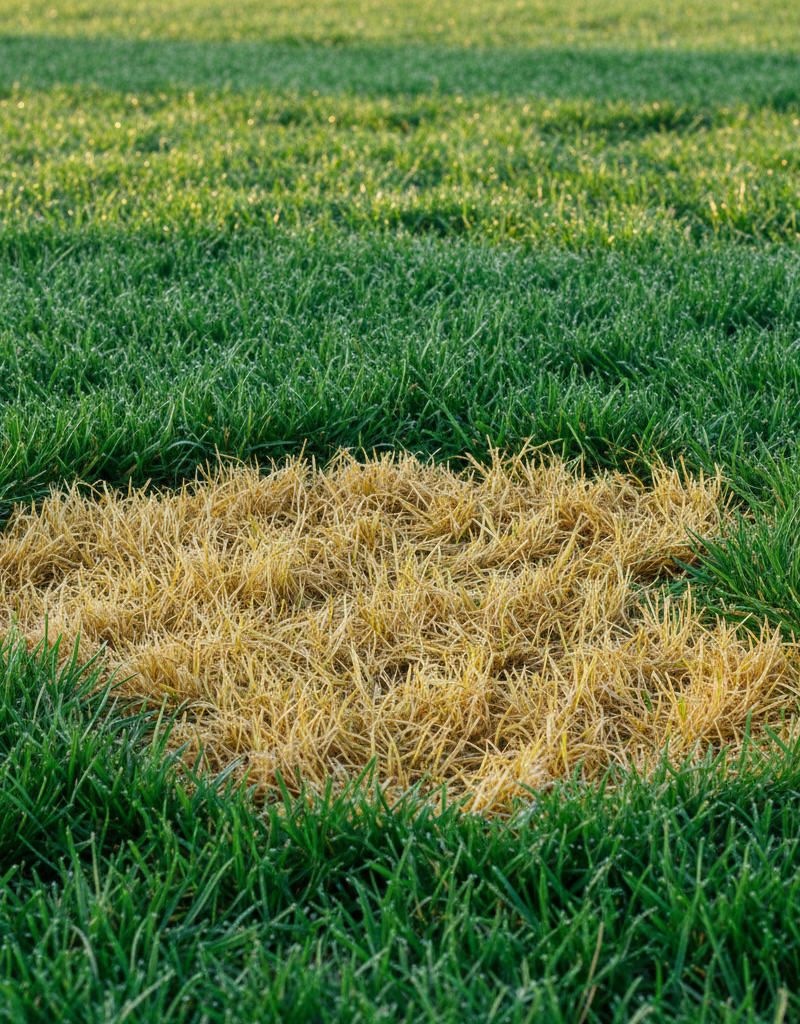
Overwatered grass often appears yellow or light green, and it may have a spongy feel when walked upon due to saturated soil. You might also notice standing water in certain areas, or dark, slimy patches if fungal disease has set in. The grass blades may also feel limp or develop dark spots.
How long does it take for a lawn to recover from overwatering?+
Recovery time from overwatering can vary significantly. If caught early, a lawn might show improvement within a week or two of correcting the watering schedule. More severe cases, especially those involving root rot or widespread fungal disease, could take several weeks to a full growing season for complete recovery and new growth.
Can compacted soil cause a lawn to turn yellow?+
Yes, highly compacted soil is a major contributor to yellowing lawns. Compaction reduces the air pockets in the soil, preventing oxygen from reaching grass roots, which then suffer from suffocation. It also hinders water penetration and drainage, leading to overwatering even with moderate irrigation. Aeration is a key solution for compacted soil.
Discussion
Loading comments…