Tools & materials you'll need
Affiliate links- AmazonShredded bark mulch1-3 cubic yards (depending on garden size)
As an Amazon Associate FixlyGuide earns from qualifying purchases — at no extra cost to you. Prices and availability are accurate as of publication and subject to change.
Quick Answer
Proper mulching is an art and a science, often misunderstood by even seasoned gardeners. The quick answer to mulching correctly is to apply a consistent layer of organic material, typically 2-4 inches deep, ensuring it never touches the base of your plants or tree trunks. This creates a protective barrier that conserves moisture, suppresses weeds, and moderates soil temperature, all while allowing essential air and water exchange. The key is to avoid common pitfalls like over-mulching, creating 'mulch volcanoes,' or using inappropriate materials, which can inadvertently harm your plants.
The Problem
Many homeowners mulch their garden beds with the best intentions, only to find their plants struggling, suffering from disease, or even dying prematurely. The problem isn't mulching itself, but rather how it's often done. Common mistakes include applying too much mulch, piling it against the stems of plants or tree trunks (creating what's known as a 'mulch volcano'), or using the wrong type of material. These errors can lead to a host of issues: suffocated roots, fungal diseases, pest infestations, and even nutrient deficiencies, all of which counteract the very benefits mulching is supposed to provide. Understanding these common missteps is the first step toward transforming your garden into a thriving landscape.
How It Works
Mulch, at its core, is a protective layer applied to the soil surface. When applied correctly, it acts as nature's blanket, regulating soil temperature by insulating it from extreme heat and cold. This reduces stress on plant roots year-round. It also significantly conserves soil moisture by reducing evaporation, meaning you'll water less often and your plants will have a more consistent water supply, critical during dry spells. As organic mulches decompose, they slowly release vital nutrients back into the soil, improving its structure and fertility over time. Furthermore, a proper layer of mulch smothers weed seeds and new weed growth, competing for light and nutrients that your desirable plants need. The decomposition process also encourages beneficial soil microbes and earthworms, further enhancing soil health. The critical balance lies in allowing air and water to penetrate while still providing these benefits. Too much mulch, or mulch piled incorrectly, disrupts this delicate balance, leading to anaerobic conditions, fungal growth, and inviting pests like rodents and insects that find harborage in damp, dense mulch.
Step-by-Step Fix
1. Assess Your Current Mulch Situation — *Identify if your existing mulch is causing problems.
Before adding new mulch, examine what's already there. Is it matted, compacted, or piled high against plant stems? Is it breaking down and smelling musty, or is it still fresh? If you have excessive mulch (more than 4-5 inches deep) or 'mulch volcanoes' around plants, you'll need to remove the excess before proceeding. Gently dig into the mulch layer with your hands or a small trowel to gauge its depth and condition. Look for signs of fungal growth or insect activity. If the existing mulch is mostly decomposed and thin (less than 2 inches), you can often top-dress it. If it's thick, matted, or poorly composed, removing most of it is a better approach.
- Tools: Gardening gloves, small trowel or hand rake.
2. Clear Weeds and Debris — *Prepare your garden beds for a fresh application.
Before applying any new mulch, ensure your garden beds are free of weeds, leaves, and other debris. Weeds can grow through thin layers of mulch if not removed first, negating one of mulch's primary benefits. Pull weeds by hand, ensuring you get as much of the root system as possible, or use a garden hoe for larger areas. Rake out any leaves or plant material that could harbor pests or prevent the mulch from sitting directly on the soil surface. This step is crucial for both aesthetic and functional reasons.
- Tip: Consider laying down a layer of cardboard or newspaper (without glossy print) on particularly weedy areas before mulching to provide an extra barrier.
3. Edge Your Garden Beds — *Create a clean boundary for your mulch layer.
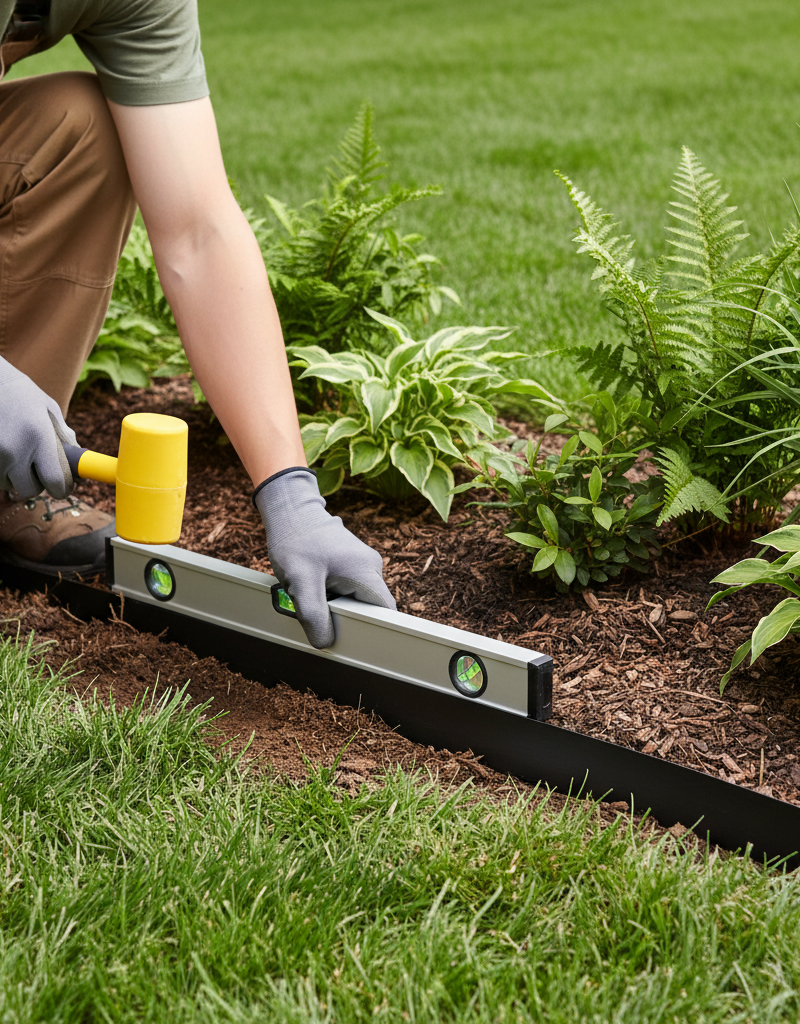
Defining the edge of your garden beds before mulching gives a much cleaner, more professional look and helps contain the mulch. Use a sharp spade, garden edger, or even a specialized bed edger tool to create a crisp, shallow trench around the perimeter of your bed. This trench, typically 3-6 inches deep depending on your preference, will help prevent mulch from washing out or spreading into your lawn or pathways. A defined edge also makes future landscape maintenance easier.
4. Select the Right Mulch — *Choose the best material for your garden's needs.
The type of mulch you choose is critical. For most garden beds, organic mulches like shredded hardwood bark, cedar mulch, pine bark, or compost are ideal. These materials decompose slowly, enriching the soil over time and improving its structure. Avoid synthetic mulches like rubber or colored plastic, which do not offer soil benefits and can trap heat. Also be wary of 'mystery mulches' that may contain diseased wood or contaminants. Opt for natural, untreated wood products. Consider the aesthetic as well – bark mulches tend to last longer, while compost provides more immediate nutrient benefits.
- Safety Note: When handling large quantities of mulch, especially if it's dusty, wear a dust mask to avoid inhaling fine particles.
5. Apply Mulch to the Correct Depth — *Aim for the optimal layer, not too deep, not too shallow.
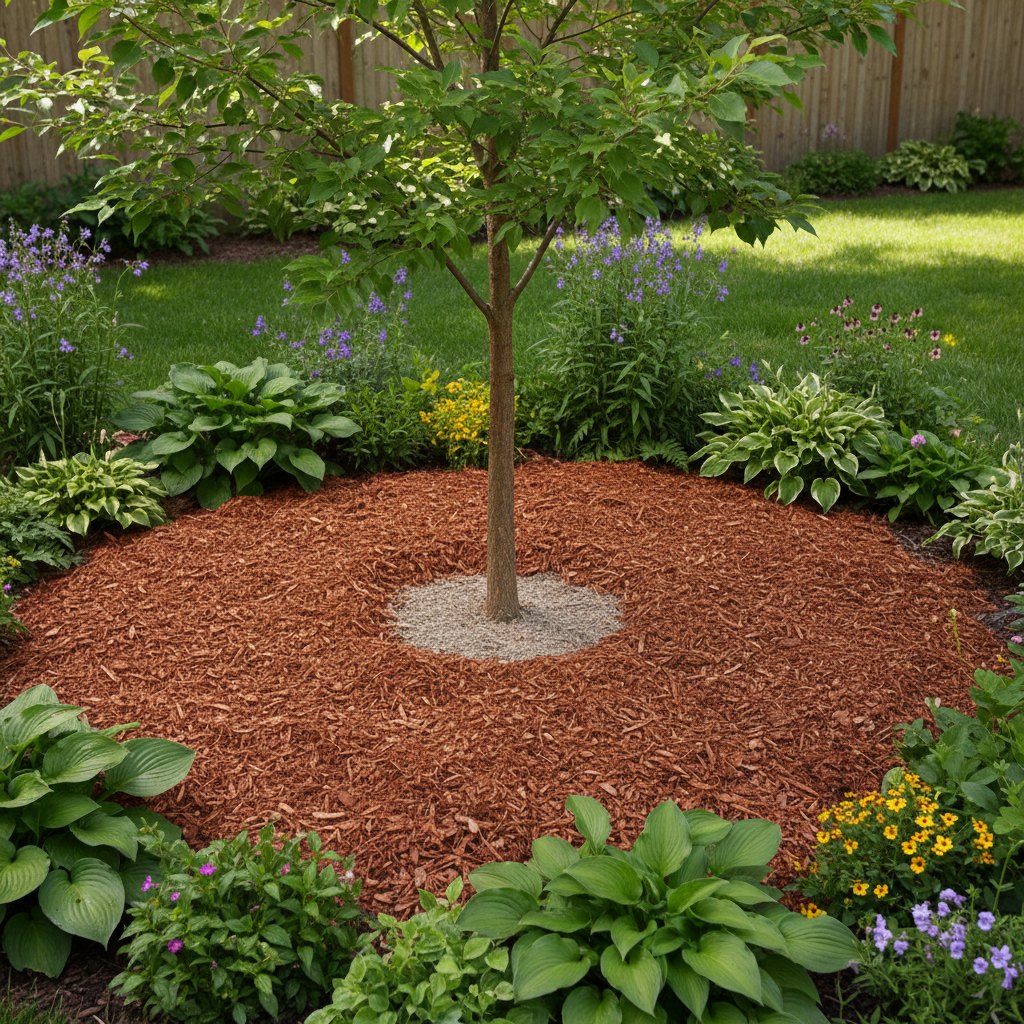
The ideal depth for most organic mulches is 2 to 4 inches. This layer is thick enough to suppress weeds, conserve moisture, and regulate soil temperature effectively, yet thin enough to allow proper air and water penetration. Use a rake or shovel to spread the mulch evenly across the bed. If you're mulching around annuals or perennials, 2-3 inches is often sufficient. For trees and shrubs, 3-4 inches is better. Always measure with a ruler or your hand to ensure you're not going too deep. Over-mulching can compact the soil, reduce oxygen to roots, and create a hospitable environment for pests.
6. Maintain a Mulch-Free Zone Around Stems and Trunks — *Prevent diseases and pest hideouts.
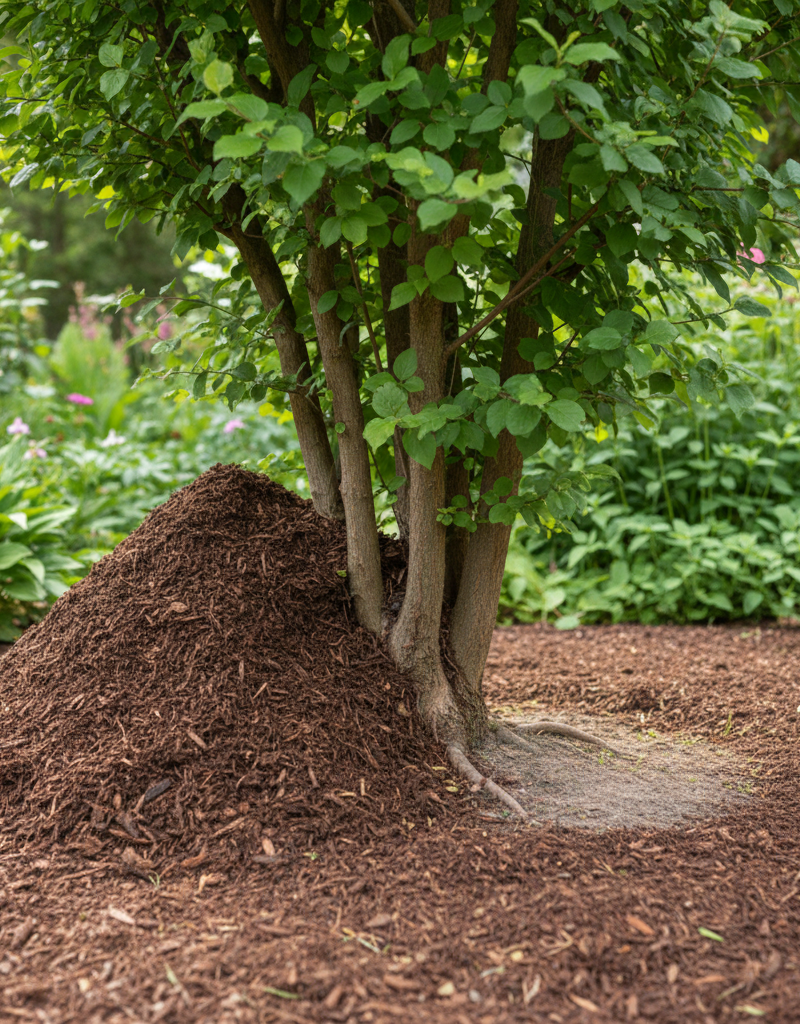
This is perhaps the most critical step to avoid the dreaded 'mulch volcano.' Always keep mulch several inches away from the base of plant stems, the crowns of perennials, and especially tree trunks. For trees, create a 'donut' shape of mulch, leaving a 6-12 inch clear ring around the base of the trunk. This prevents moisture from accumulating against the plant, which can lead to fungal diseases (like root rot or collar rot), bark damage, and create ideal hiding spots for rodents that can gnaw on bark. Ensure adequate airflow around the plant's base.
7. Water After Application (Optional but Recommended) — *Help settle the mulch and activate decomposition.
While not strictly necessary, a light watering after applying mulch can help settle the material, especially if it's very dry or dusty. This also helps to 'activate' the beneficial microbes if you've used compost or partially decomposed bark. It encourages the mulch to start forming a protective layer and can help prevent it from blowing away in windy conditions. Just a gentle spray is enough – you don't need to soak the entire bed.
8. Monitor and Replenish Annually — *Keep an eye on your mulch's condition and refresh as needed.
Mulch isn't a set-it-and-forget-it solution. Over time, organic mulches decompose, settle, and can be disturbed by wind or rain. Check your mulch depth annually, typically in the spring or fall. If the layer has thinned to less than 2 inches, it's time to replenish. Simply add another 1-2 inch layer, maintaining the mulch-free zones around plants. If you notice signs of matting, gently turn the mulch with a rake to aerate it. This regular maintenance ensures your plants continue to receive the benefits of mulching.
Common Causes
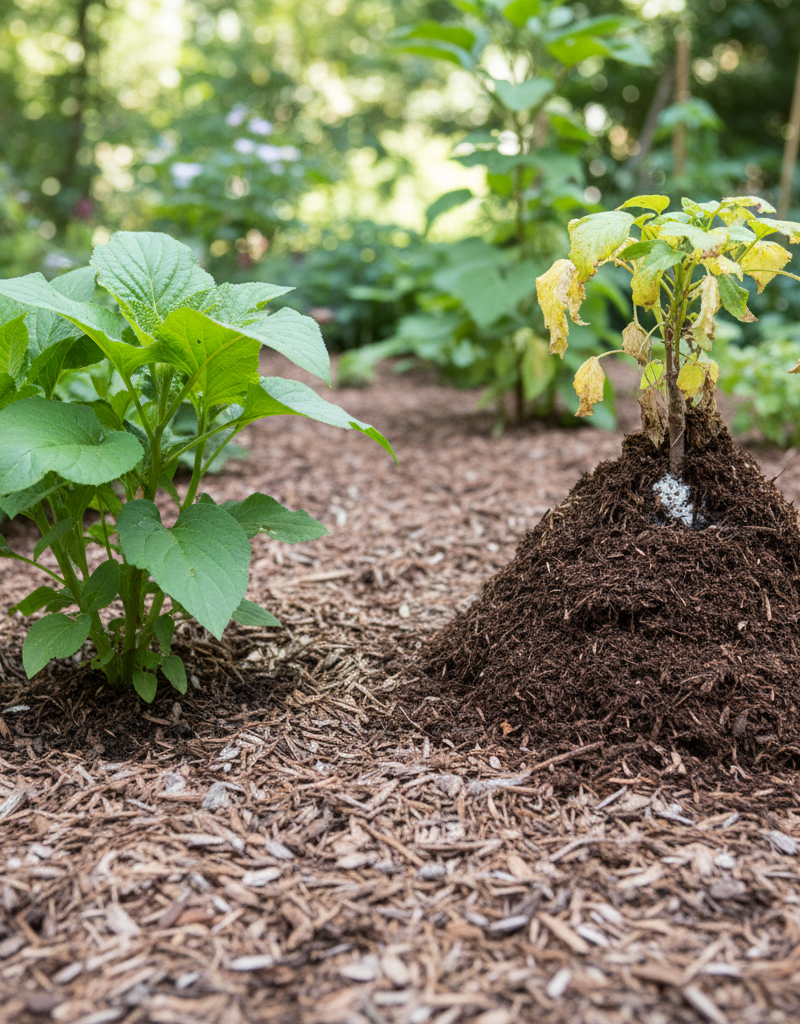
- Over-mulching: Applying a layer thicker than 4 inches, which can suffocate roots, restrict oxygen and water penetration, and create anaerobic conditions conducive to root rot.
- Mulch Volcanoes: Piling mulch directly against plant stems or tree trunks, trapping moisture and promoting fungal diseases (e.g., collar rot), bark decay, and creating ideal habitats for rodents and insects that can damage the plant.
- Wrong Mulch Type: Using non-organic mulches (like plastic film that traps heat and restricts water) or mulches that decompose too quickly or too slowly for the plant's needs. Also, using uncomposted wood chips can temporarily deplete nitrogen from the soil.
- Poor Bed Preparation: Applying mulch over existing weeds or compacted soil, which hinders its effectiveness in suppressing weeds and improving soil structure.
- Infrequent Monitoring: Not checking the mulch layer annually to ensure proper depth and condition, leading to thinning or excessive buildup over time.
- Ignoring Drainage: Applying mulch in areas with poor drainage, which can exacerbate moisture retention problems and lead to root rot.
Common Mistakes
- Mistake #1: Piling it High and Tight: Many homeowners believe more mulch is better, creating deep layers or 'mulch volcanoes' right up against plant stems and tree trunks. Instead: Maintain a 2-4 inch layer and leave a 3-6 inch mulch-free zone around plant stems and a 6-12 inch zone around tree trunks to prevent rot and pest issues.
- Mistake #2: Not Weeding First: Applying mulch directly over existing weeds, only to find them pushing through the new layer within weeks. Instead: Thoroughly clear all weeds and debris from the bed before applying mulch for maximum weed suppression.
- Mistake #3: Choosing the Wrong Mulch: Using inorganic mulches like plastic that offer no soil benefits, or opting for uncomposted wood chips that can temporarily 'steal' nitrogen from the soil as they break down. Instead: Select organic mulches like shredded bark, pine needles, or compost that break down slowly, enriching the soil over time. If using fresh wood chips, consider adding a nitrogen supplement.
- Mistake #4: Skimping on Depth: Applying a layer that's too thin (less than 2 inches), which won't effectively suppress weeds, conserve moisture, or regulate soil temperature. Instead: Aim for a consistent 2-4 inch depth across the entire bed for optimal benefits.
- Mistake #5: Forgetting to Edge: Spreading mulch directly onto the lawn or pathways without a defined border, leading to a messy appearance and mulch migrating where it shouldn't be. Instead: Create a crisp edge around your garden beds with a spade or a bed edger to contain the mulch and enhance curb appeal.
Cost & Time Breakdown
| Task | DIY Cost | Pro Cost | Time |
|---|---|---|---|
| Bed Preparation (Weeding, Edging) | $0–$20 (tools) | $100–$300 | 1–3 hours |
| Mulch Purchase (per cubic yard) | $30–$70 (organic) | N/A | N/A |
| Mulch Application (100 sq ft) | $0 | $75–$200+ (labor) | 1–2 hours |
| Annual Replenishment | $0–$30 | $50–$150+ (labor) | 30–60 minutes |
Tips & Prevention
- Annual Refresh: Plan to top-dress your garden beds with a fresh 1-2 inch layer of mulch annually, typically in spring or fall, to maintain optimal depth and appearance.
- Consider Compost: Incorporate a thin layer of compost (1 inch) every few years before applying bark mulch. This provides a nutrient boost and improves soil structure even further.
- Monitor Moisture: Periodically check the soil moisture under the mulch. If it feels consistently soggy, you might have too much mulch or poor drainage; if it's too dry, you might need a thicker layer or more watering.
- Weed Early: Address any weeds that pop up through the mulch as soon as you see them. Small weeds are much easier to remove than established ones.
- Edge Properly: A well-defined edge around your garden beds not only looks tidy but also prevents mulch from migrating into undesired areas, reducing cleanup.
- Check for Pests: While mulching, keep an eye out for signs of pests like slugs, snails, or voles, especially if you apply a thick layer. The mulch-free zone around plants helps deter many of these.
When to Call a Professional
While mulching is generally a DIY-friendly task, there are situations where calling a professional can be beneficial. If you have extensive garden beds that require a significant amount of mulch, or if you're dealing with very challenging terrain or slopes, a professional landscaper can apply mulch more efficiently and effectively. If you're unsure about the best type of mulch for your specific plants and soil conditions, or if your plants are consistently showing signs of stress despite your best mulching efforts, a horticulturalist or landscape designer can provide expert advice. Additionally, if you suspect your plants are suffering from advanced fungal diseases or pest infestations that might be related to improper mulching, a certified arborist or plant pathologist can diagnose the issue and recommend appropriate treatment.
Related Articles
Keep troubleshooting with these hand-picked guides from FixlyGuide:
- The 3 Mulching Mistakes That Are Secretly Killing Your Plants — Discover the three common mulching mistakes that unknowingly harm your garden and learn how to apply mulch correctly for thriving plants.
- The #1 Lawn Aeration Mistake Most Homeowners Make (And When to REALLY Do It) — Discover the crucial mistake many homeowners make with lawn aeration and learn the optimal timing for a thriving, healthy lawn.
- The #1 Mistake Homeowners Make with Landscape Edging (and How to Fix It) — Discover the most common error in landscape edging installation that leads to weeds and an uneven look, and learn the easy fix for a clean,…
- The #1 Mistake Killing Your Thin Lawn (And How to Fix It in a Weekend) — Overseeding your lawn can transform it from thin and patchy to lush, but many homeowners make a crucial mistake that hinders success. Learn…
- The 3 Compost Pile Mistakes Even Experienced Gardeners Make — Avoid common pitfalls and build a thriving backyard compost pile with the right mix of greens, browns, and proper aeration for nutrient-ric…
- The 3 Hidden Mistakes That Make Your Deck Sealer Fail (And How to Fix Them) — Resealing your wood deck protects it from weather and extends its life. Learn how to avoid common mistakes for a long-lasting finish and vi…
Frequently asked questions
How deep should mulch be around plants?+
Mulch should generally be applied 2 to 4 inches deep. However, it's crucial to keep it several inches away from the base of plant stems and tree trunks to prevent moisture buildup and disease.
What is a mulch volcano and why is it bad?+
A mulch volcano is when mulch is piled high against the stem or trunk of a plant or tree. This is bad because it traps moisture, promotes fungal diseases like collar rot, can cause bark decay, and creates a harbor for rodents and insects that can damage the plant.
What kind of mulch is best for my garden?+
For most garden beds, organic mulches like shredded hardwood bark, cedar mulch, pine bark, or compost are excellent choices. They decompose slowly, enriching the soil and improving its structure. Avoid synthetic mulches like rubber or plastic film.
How often should I replenish my garden mulch?+
You should check your mulch depth annually, typically in the spring or fall. If the layer has thinned to less than 2 inches, it's a good time to add another 1-2 inch layer, always maintaining the mulch-free zones around plants.
Can too much mulch kill plants?+
Yes, too much mulch can absolutely kill plants. Excessive depth (over 4 inches) can suffocate roots by restricting oxygen and water penetration, create anaerobic conditions leading to root rot, and encourage pests and diseases that thrive in overly damp environments.
Should I remove old mulch before adding new?+
It depends on the condition of the old mulch. If it's heavily decomposed and thin (less than 2 inches), you can often top-dress it. However, if it's thick, matted, smells musty, or shows signs of fungal growth or pests, it's best to remove most of the old mulch before applying a fresh layer to prevent issues.
Discussion
Loading comments…