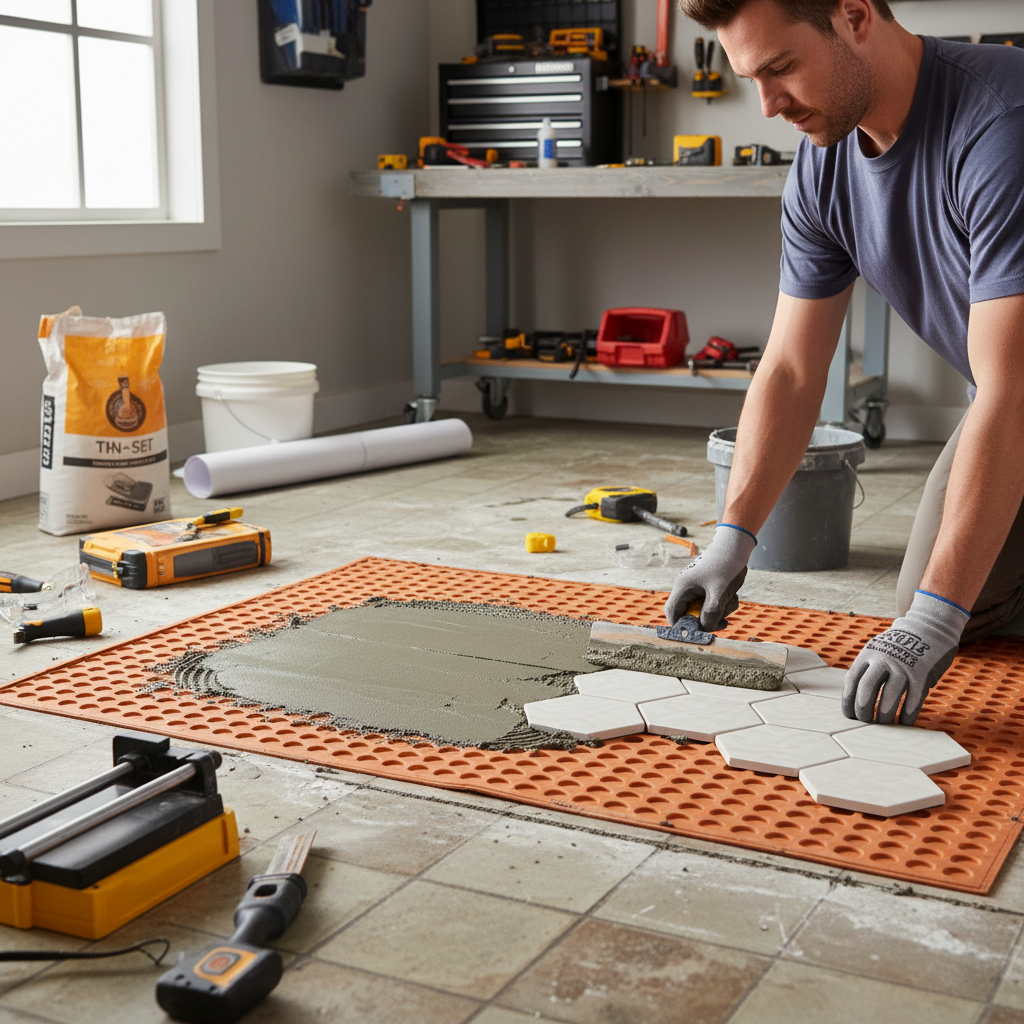
Tools & materials you'll need
Affiliate links- AmazonOrbital Sander or Angle GrinderRequired to abrade the old tile surface.
- AmazonDiamond Cup WheelFor angle grinder, for fast surface abrasion.
- AmazonShop Vacuum
- Amazon4-Foot Level
- AmazonTile Wet Saw or Snap Cutter
- Amazon1/4" x 3/8" Notched TrowelVerify size based on your tile selection.
- AmazonGrout Float
- AmazonDrill with Paddle Mixer
- AmazonSponges and Buckets
- Amazon40- or 60-Grit SandpaperFor orbital sander.
As an Amazon Associate FixlyGuide earns from qualifying purchases — at no extra cost to you. Prices and availability are accurate as of publication and subject to change.
'''
Quick Answer
Absolutely. Tiling over an existing bathroom floor is a proven, professional method to upgrade your space without the extreme cost, time, and mess of a full demolition. However, this project's success hinges on two non-negotiable conditions: the existing floor must be in excellent structural shape (no cracks, no loose tiles, perfectly level), and you must use the correct preparation techniques and specialized materials. The core process involves mechanically abrading the slick surface of the old tiles to create a grip, followed by applying a high-strength, polymer-modified thin-set mortar that can chemically bond to the old tile. When done correctly, this method yields a new floor that is just as durable and long-lasting as one laid on a traditional subfloor.
The Problem
You look at your bathroom floor and see a relic from another era. Maybe it's 4x4 ceramic tile in a regrettable color, or perhaps the grout is permanently stained and impossible to clean. You want a fresh, modern look with large-format porcelain or a stylish mosaic, but the thought of the installation process is overwhelming. A traditional floor replacement is a brutal, expensive undertaking. It involves:
- Demolition: Hours of back-breaking work with a hammer and chisel or a power demolition hammer, creating a mountain of sharp, heavy debris.
- Dust: Pervasive, fine silica and cement dust that gets into everything, requiring extensive sealing of the work area and constant cleanup.
- Disposal: The need to haul away hundreds of pounds of old tile and mortar, often requiring a small dumpster rental at a cost of $300-$500.
- Subfloor Surprises: The risk of uncovering water damage, rot, or an uneven subfloor that requires additional, unexpected, and costly repairs before you can even think about installing the new tile.
- Time & Noise: The project can easily stretch for a week or more, rendering your bathroom unusable amidst constant, deafening noise.
This daunting list of hurdles causes many homeowners to either live with a floor they dislike or pay thousands of dollars ($3 to $7 per square foot) for a professional demolition crew. Tiling over the existing floor bypasses nearly all of these issues, offering a direct path to a new look with a fraction of the mess and expense.
How It Works
The ability to successfully lay new tile over old tile feels like a magic trick, but it’s pure building science. The entire method is centered on creating an unbreakable, permanent bond between two typically incompatible surfaces: the non-porous, slick glaze of an old tile and the cementitious mortar for a new one. This is achieved through a two-pronged approach: mechanical and chemical adhesion.
First, Mechanical Adhesion. A standard tile installation relies on thin-set mortar seeping into the porous surface of a cement board or concrete subfloor and hardening, creating thousands of tiny physical anchor points. Glazed ceramic or porcelain tile offers no such porosity. It's a sheet of glass. To solve this, you must mechanically alter the surface. Using an angle grinder with a diamond cup wheel or a powerful orbital sander with very aggressive sandpaper (40- to 60-grit), you physically grind off the glaze. This process, called abrading or scuffing, creates a rough, matte, and minutely porous surface. This new texture provides the "tooth" or physical profile that the new layer of thin-set can grab onto, forming a crucial mechanical lock.
Second, Chemical Adhesion. This is where modern material science comes in. You cannot use a basic,安い thin-set mortar for this job. You must use a high-performance polymer-modified thin-set mortar. These advanced mortars contain specialty latex polymers (like acrylics or styrene-butadiene) mixed in with the traditional cement and sand. When the mortar cures, these polymers form long, interlocking chains, creating a much stronger, more flexible, and more tenacious bond than cement alone. This enhanced chemical bond is specifically designed to adhere to "difficult" substrates, including the abraded surface of old tile. The ANSI (American National Standards Institute) rating on the mortar bag is critical; look for a product meeting ANSI A118.11 or, even better, A118.15 standards. This ensures the mortar has the high bond strength required for a tile-over-tile application.
Finally, the structural integrity of the existing floor is the foundation for everything. The tile-over-tile method adds weight (3-4 lbs/sq. ft.) and height (about 1/2 inch). If the original floor flexes, has hollow spots, or contains cracked tiles, that movement and instability will transfer directly to the new layer, causing cracks in the new grout and tiles within months. The old floor must be a monolithic, immovable slab for the new layer to succeed.
Step-by-Step Fix
Safety First: This project involves plumbing, power tools, and tile cutting. Always wear safety glasses, heavy-duty gloves, and knee pads. When using a grinder or sander, a high-quality N95 or P100 respirator is non-negotiable. Ensure the bathroom is well-ventilated.
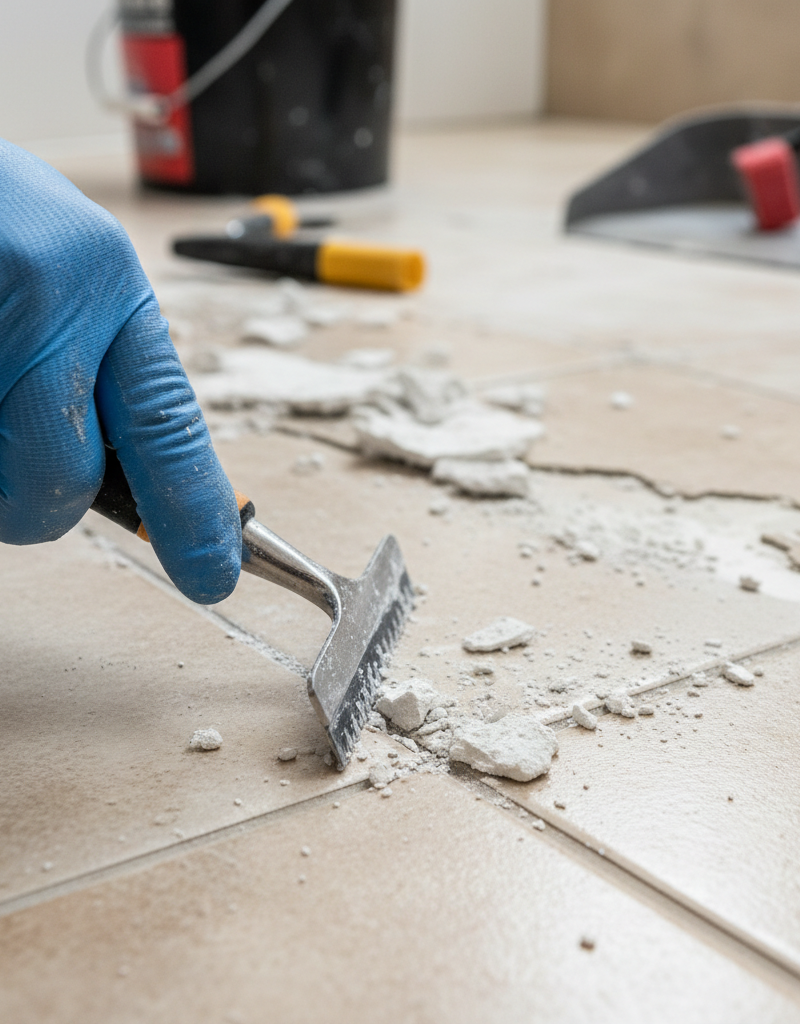
1. The Ultimate Floor Assessment: * Sound Check: Tap every single existing tile with a wooden mallet or the handle of a screwdriver. Listen for a sharp, solid "tick" sound. If you hear a hollow, dull "thud," it means the tile has debonded from the subfloor and must be removed. Pry it up, and fill the void with a rapid-setting patching compound to be flush with the surrounding tile. If more than 10-15% of the floor sounds hollow, abort the mission and opt for a full tear-out. * Level Check: Lay a 4-foot level across the floor in multiple directions. Look for any significant dips or humps. A variance of more than 1/8 inch over 4 feet can cause problems. Minor dips can be filled with a skim coat of your thin-set mortar and allowed to cure before you begin, but major issues signal an underlying subfloor problem that requires a full demolition. * Crack Inspection: A single cracked tile from a dropped object is okay. A network of cracks, or cracks that run across multiple tiles, is a major red flag indicating subfloor movement. Do not tile over this.
2. Deep Clean and Degrease: * Scrub the entire floor and grout lines with a strong degreasing cleaner like Trisodium Phosphate (TSP) substitute. Bathroom floors accumulate years of soap scum, body oils, and cleaning residues that will prevent a good bond. * Follow the manufacturer’s instructions, scrub vigorously with a stiff brush, and then rinse the floor two or three times with clean water to remove all residue. Let it dry completely.
3. Remove the Toilet and Vanity: * Turn off the water supply valve behind the toilet. Flush it to drain the tank and bowl. Use a sponge or wet-vac to remove the last bit of water. * Unscrew the two tee bolts at the base of the toilet. Gently rock the toilet to break the wax seal and lift it straight up and out. * Scrape the old wax ring off the toilet flange and the bottom of the toilet. Stuff a rag into the drainpipe opening to block unpleasant sewer gases. * If you have a pedestal sink or a vanity that sits on the floor, it will also need to be removed.
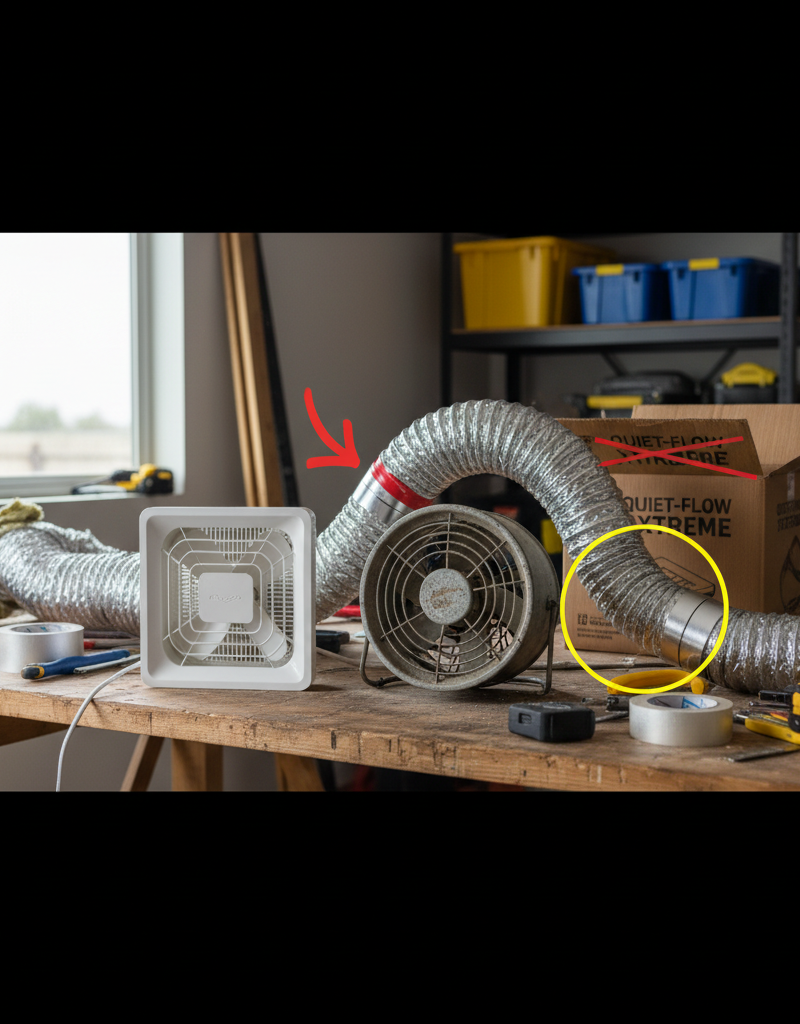
4. Abrade the Surface (The Most Critical Step): * Seal the bathroom doorway with plastic sheeting to contain dust. Open a window and use a box fan for ventilation. * Using an angle grinder with a 4-inch diamond cup wheel (for fast results) or an orbital sander with 40- or 60-grit sandpaper, systematically grind away the glossy surface of every tile. Your goal is a uniformly dull, matte finish with no shiny spots remaining. Pay special attention to the edges and corners. This creates the essential "tooth" for the new mortar to grip.
5. Absolute Final Cleaning: * This is a two-stage process. First, use a shop vacuum with a brush attachment to meticulously vacuum up all the fine dust from the floor, walls, and any other surfaces. * Second, wipe the entire floor with a large, damp sponge, rinsing it frequently in a bucket of clean water. This removes any remaining microscopic dust particles. Let the floor dry completely. The surface should be as clean as a dinner plate.
6. Plan Your Layout: * Find the center of two opposing walls and snap a chalk line between them. Do the same for the other two walls. The intersection of these lines is your room's center point. * "Dry lay" a full row of tiles and spacers along your chalk lines in each direction. Adjust the layout so that you avoid any tiny, difficult-to-cut slivers of tile along the walls or at the doorway. It's better to shift the starting point a few inches to ensure your perimeter cuts are at least half a tile wide.
7. Mix the Polymer-Modified Thin-Set: * Select a high-quality thin-set that meets ANSI A118.11 or A118.15 standards. * Following the instructions, add the powder to a bucket containing the specified amount of cool, clean water. Mix with a drill and paddle mixer until it reaches a smooth, peanut-butter consistency with no lumps. * Let the mortar "slake" (rest) for 5-10 minutes, then give it a final quick mix. Do not add more water.
8. Set the New Tile: * Starting at your center point, use a notched trowel (size specified by your tile manufacturer, typically 1/4” x 3/8” for 12x12 tiles) to spread a thin layer of mortar onto the floor with the flat side. * Comb through the mortar with the notched side of the trowel, holding it at a consistent 45-degree angle. The ridges should all run in the same direction. * Back-butter each tile by applying a thin, uniform layer of mortar to the back. This is crucial for achieving the 95%+ mortar coverage required for a durable floor. * Press the tile firmly into the mortar with a slight twisting motion. Use a tile leveling system (clips and wedges) to ensure a perfectly flat, lipless surface. Place spacers between tiles and continue the process.
9. Make Your Cuts: * Use a wet tile saw for straight cuts and a tile nipper or an angle grinder with a diamond blade for curved cuts around the toilet flange or doorways. Measure twice, cut once.
10. Cure, Grout, and Seal: * Let the tile cure undisturbed for at least 24-48 hours, or as directed by the mortar manufacturer. Do not walk on it. * Once cured, remove all spacers and leveling clips. Mix your grout (consider a high-performance, stain-resistant epoxy or urethane grout) and apply it with a grout float, pressing it firmly into the joints at a 45-degree angle. * After about 15-30 minutes, use a damp grout sponge to clean the excess off the tile surface. Let the grout cure fully (typically 72 hours). * Apply a quality grout sealer with a small brush to protect against future stains and moisture.
11. Reinstall the Toilet: * The new floor is now higher. You will likely need a toilet flange extender kit to raise the flange to the new floor level. This is a critical step to prevent leaks. * Install a new wax ring on the flange. Carefully place the toilet back over the bolts, press down firmly, and tighten the nuts (do not overtighten). * Reconnect the water supply, turn it on, and check for leaks. Caulk around the base of the toilet where it meets the new tile.
Common Causes
Why do bathroom floors need replacing in the first place? It's rarely due to a single catastrophic event. More often, it's a slow decline:
- Outdated Aesthetics: The most common reason. The pink, green, or beige 4x4 ceramic tiles and wide grout lines of the 1980s and 90s simply look dated.
- Grout Failure: Over time, standard cement grout becomes stained, discolored, and mildewed. Aggressive cleaning can erode it, leading to cracks and gaps that allow water to seep in.
- Impact Damage: Dropping a heavy object can easily chip or crack a single ceramic or porcelain tile, creating an eyesore that’s difficult to repair perfectly.
- Subfloor Movement: Inadequate subfloor support or foundation settling can cause flex and movement, which translates into long, running cracks across multiple tiles—a clear sign that a tile-over-tile job is not an option.
Common Mistakes
Avoid these project-killing errors when tiling over an existing floor:
- Skipping the Surface Abrasion: The single biggest mistake. Spreading mortar over a glossy, un-scuffed tile is a guarantee that the new floor will delaminate and fail.
- Using Standard Thin-Set: Using cheap, non-modified mortar will result in a weak bond that fails under the normal stresses and temperature changes in a bathroom.
- Ignoring Hollow or Loose Tiles: Tiling over an unstable base transfers the problem to the new layer, leading to cracked tiles and grout. Every single old tile must be solid.
- Forgetting the Added Height: The new floor will be about 1/2" to 3/4" higher. This can create a trip hazard at the doorway and requires a toilet flange extender. Ignoring this can cause a persistent, damaging leak at the toilet base.
- Inadequate Cleaning: Any lingering soap scum, oil, or even dust from the abrasion step will act as a bond-breaker, compromising the adhesion of the new mortar.
- Creating a "Triple-Decker" Floor: Never tile over more than one existing layer of tile. The combined weight and height become unmanageable and create serious structural risks.
Cost & Time Breakdown
Here’s a realistic look at what a 50-square-foot bathroom floor project entails, comparing a DIY tile-over-tile job to a professional one involving demolition.
| Task | DIY Cost | Pro Cost (with Demolition) | Time Commitment |
|---|---|---|---|
| Demolition & Disposal | $0 (Sweat Equity) | $400 - $800 | 0 hours (DIY) / 4-6 hours (Pro) |
| Floor Prep & Cleaning | $50 (TSP, Sander Rental) | $250 - $400 | 3-4 hours |
| Tile & Materials | $500 - $1,500 (Tile, Mortar, Grout) | $800 - $2,000 (Includes Markup) | 2-3 hours (Shopping) |
| Installation Labor | $100 (Tools if you don't own them) | $1,000 - $2,000 | 12-16 hours over 2-3 days |
| Toilet Reset & Plumbing | $25 (Wax Ring, Flange Extender) | $200 - $350 | 1-2 hours |
| TOTAL | $675 - $1,675 | $2,650 - $5,550 | 2-4 Days |
Tips & Prevention
- Use Leveling Clips: For any tile larger than 12x12, a tile leveling system is your best insurance against "lippage" (uneven tile edges), ensuring a perfectly flat, professional finish.
- Choose High-Performance Grout: Don't pair beautiful new tile with cheap grout. Invest in an epoxy or single-component urethane grout. They are virtually stain-proof, never need sealing, and resist cracking and mildew.
- Buy 15% Extra Tile: This is a non-negotiable rule. You need to account for cuts, mistakes, and having a few extra tiles for future repairs. Nothing is worse than running out of tile mid-project.
- Plan Your Transition: The new, higher floor will need a new transition strip at the doorway. Measure the height difference and buy an appropriate wood, metal, or stone threshold.
- Check Joist Direction: For large format rectangular tiles (like 12x24), it’s best practice to lay them perpendicular to the floor joists to minimize any potential flex.
When to Call a Professional
While tiling over tile is an advanced DIY project, some situations absolutely require a professional. Call a licensed flooring contractor or tile setter if you encounter any of the following:
- Any signs of subfloor damage. This includes bouncy or spongy areas, significant dips or humps (more than 1/8" in 4 feet), visible water stains on the ceiling below, or long cracks that span multiple tiles. These are symptoms of a deeper problem that a new layer of tile will only hide temporarily before failing spectacularly.
- A "double" floor. If you discover that your existing tile is already laid on top of an even older floor (like vinyl or another layer of tile), the only safe option is a complete tear-out down to the subfloor.
- Tiling over a heated floor. Unless you installed the original heated floor and know its exact specifications, it's too risky to tile over it. You could damage the heating elements or create a floor that is too thick to heat effectively.
- You lack the tools or confidence. This project requires specialized tools (wet saw, grinder), a good deal of patience, and precision. A poorly laid tile job looks terrible and is very difficult to fix. If you're not 100% confident, hiring a pro for the installation portion is a wise investment. '''
Related Articles
Keep troubleshooting with these hand-picked guides from FixlyGuide:
- The 5-Minute Trick to Making Drywall Holes Disappear (Without Sanding!) — Discover a surprisingly fast and clean method for patching small drywall holes that bypasses messy sanding, leaving a smooth, professional…
- That Peeling Caulk Hides a $2,000 Mistake. Here's the Fix. — Stop re-caulking your shower every year. Discover the professional method, from meticulous prep to the right materials, for a waterproof ba…
- The 4-Step Drywall Patch Secret That Makes Large Holes Vanish — Discover how to flawlessly repair a large hole in drywall using a simple, effective method that makes the damage disappear without a trace.
- That New Grout Is Already Cracking? Here’s the Hidden Cause — Cracked grout weeks after a renovation is often a sign of a deeper issue with your subfloor or tile installation, not just a problem with t…
- The Secret to a Flawless Drywall Patch Is In the Paper — Frustrated by drywall patches that always show through? That telltale bump or sanding mark can ruin a perfect wall. Discover the 'Californi…
- Your Squeaky Floor's Secret: It's Not the Wood, It's the Gap — Tired of that persistent floor squeak? Discover the hidden causes of noisy floorboards and learn several easy, DIY methods to silence them…
Frequently asked questions
What is the biggest mistake when tiling over an existing floor?+
The most common and critical mistake is failing to properly prepare the existing tile surface. You must mechanically abrade (scuff or grind) the old tile's glaze to create a 'tooth' for the new mortar to grip. Simply cleaning the tile is not enough, and skipping this step will cause the new tile layer to fail and delaminate.
Do I need a special mortar to tile over tile?+
Yes, absolutely. You must use a high-performance polymer-modified thin-set mortar that meets or exceeds ANSI A118.11 or A118.15 standards. These mortars contain polymers that create a much stronger chemical bond, allowing them to adhere securely to a non-porous surface like an abraded tile.
How much height will tiling over tile add to my bathroom floor?+
You can expect to add approximately 1/2 to 3/4 of an inch to your total floor height. This includes the thickness of the new mortar bed (about 3/16 to 1/4 inch) and the thickness of the new tile itself (typically 1/4 to 3/8 inch). This added height must be accounted for at doorways and the toilet flange.
Can I tile over cracked or loose tiles?+
No. The existing floor must be completely solid and structurally sound. Tiling over any loose, hollow, or cracked tiles will transfer that instability to your new floor, leading to failed grout and cracked new tiles. Any compromised tiles must be removed and the void filled before you begin.
Discussion
Loading comments…