Tools & materials you'll need
Affiliate links- AmazonN95 Mask1 · If inspecting for mold in attic
- AmazonCrayon or Marker1 · For marking leak spots
- AmazonPlastic Sheeting/Tarp1 roll/sheet · For temporary patch
- AmazonRoofing Cement/Sealant1 tube · Emergency patch, trowel-grade
- AmazonPlywood sheetsOptional, for creating a safe walking surface in attic
As an Amazon Associate FixlyGuide earns from qualifying purchases — at no extra cost to you. Prices and availability are accurate as of publication and subject to change.
Quick Answer
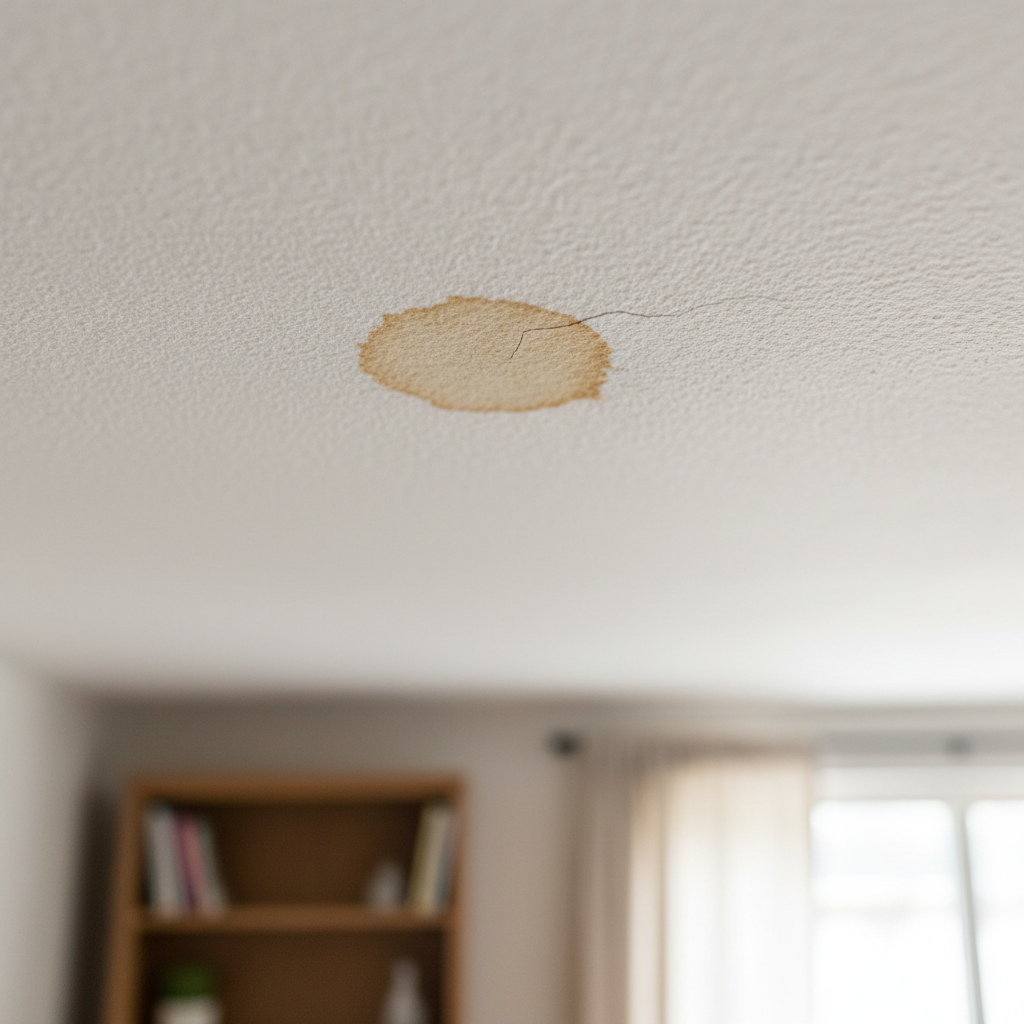
The earliest signs of a roof leak are often subtle, presenting as small discolored stains on ceilings or walls, a musty odor in attics, or warped drywall. Proactive inspection of your attic, interior ceilings, and exterior roof components can reveal these indicators before minor issues become major structural damage.
The Problem
You hear the drip, drip, drip. Or maybe you just noticed a faint, yellowish stain spreading slowly across your bedroom ceiling. A roof leak isn't just an annoyance; it's a ticking time bomb for your home. What starts as a small drip can quickly lead to widespread mold growth, rotted structural timbers, damaged insulation, ruined drywall, and even electrical hazards. The cost to repair these secondary damages – often hidden for months or even years – can easily soar into the thousands, far outweighing the expense of a timely roof repair. Many homeowners mistakenly wait until there's a visible puddle or a dramatic ceiling collapse, missing crucial early warning signs that could have saved them immense hassle and expense. Understanding how to proactively spot these subtle indicators is key to protecting your biggest investment: your home.
How It Works
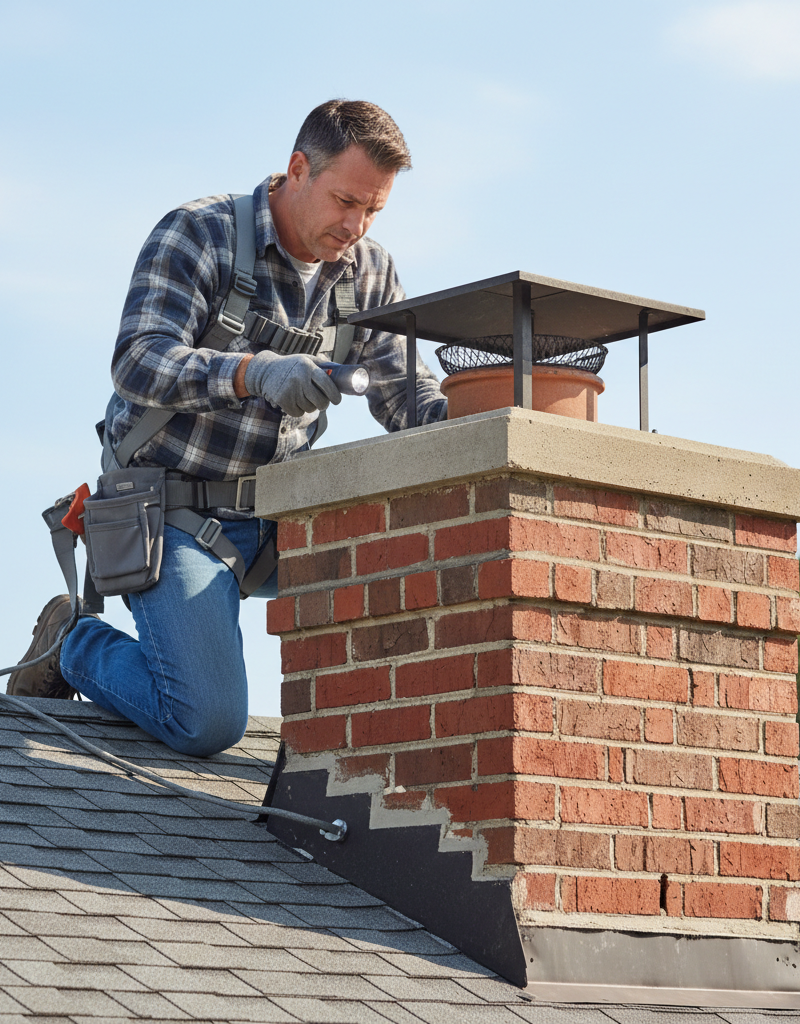
Your roof is a complex system designed to shed water. It starts with the roofing material itself—shingles, tiles, metal—which forms the primary barrier. Beneath this, an underlayment (typically asphalt-saturated felt or synthetic material) provides a secondary layer of protection, preventing water from reaching the roof deck if it gets past the primary covering. The roof deck, usually plywood or OSB, provides structural support. Flashing—thin pieces of metal (aluminum, steel, copper)—are strategically installed around vulnerable areas like chimneys, vent pipes, skylights, and in valleys where two roof sections meet. These direct water away from seams and penetrations. Gutters and downspouts collect water runoff from the roof edge and divert it safely away from the foundation.
When a component fails—a shingle cracks, flashing corrodes, a seal around a vent pipe degrades, or ice dams form—water finds an entry point. Gravity then pulls this water downwards through the roof deck, through the attic insulation, and finally to your ceiling or walls. The path isn't always direct; water can travel along rafters, purlins, or vapor barriers for significant distances before manifesting as a visible stain. This indirect path is why the exterior source of a leak can be several feet away from where you see the interior damage. Mold thrives in these damp, dark environments, often growing unnoticed within walls or attic spaces long before it becomes visible externally. Understanding this journey helps in tracing the leak back to its origin.
Step-by-Step Fix
Before you start, gather your tools. Safety Note: Working on a ladder or roof can be dangerous. Always use a spotter, stable ground, and appropriate fall protection if accessing the roof. If you are uncomfortable with heights or roof work, hire a professional.
- Inspect the Attic for Water Stains or Mold – Start your leak hunt in the highest accessible interior point. While it might seem counterintuitive to begin inside, the attic is often the first place significant leaks reveal themselves. Look for dark, discolored stains on the underside of the roof deck, rafters, or insulation. Pay close attention to areas around vent pipes, chimneys, skylights, and where roof sections meet. A musty or earthy smell is also a strong indicator of mold or mildew, even if you can't see it yet.
- Tools: Flashlight, N95 mask (if mold is suspected), old clothes.
- If this doesn't work: If you find stains, mark them. This will help you pinpoint the leak
Frequently asked questions
What are the earliest signs of a roof leak?+
The earliest signs include small, discolored stains on ceilings or walls, a persistent musty odor in the attic, or subtle warping of drywall. These often appear before visible drips or extensive water damage.
How can I find a hidden roof leak?+
To find a hidden leak, start by inspecting your attic with a powerful flashlight for water stains on the roof deck, rafters, or insulation. Check around roof penetrations (vents, chimneys, skylights) from both inside and outside. You can also carefully use a garden hose to simulate rain, observing for drips from the interior.
How much does it cost to fix a small roof leak?+
A small, straightforward roof leak repair, such as replacing a few shingles or resealing flashing, might cost $150–$500 if done by a professional. DIY costs are typically under $100 for materials. However, if the leak has caused secondary damage like rotten decking or mold, costs can quickly rise to thousands.
When should I call a professional for a roof leak?+
Call a professional immediately if you suspect structural damage, see extensive mold growth, if the leak is near electrical wiring, or if you are uncomfortable working on your roof, especially on steep pitches or at significant heights. They can safely diagnose and repair complex issues.


Discussion
Loading comments…