Tools & materials you'll need
Affiliate linksAs an Amazon Associate FixlyGuide earns from qualifying purchases — at no extra cost to you. Prices and availability are accurate as of publication and subject to change.
Quick Answer
Baseboards that pull away from the wall are a common, unsightly, and sometimes energy-wasting problem. The most effective and permanent fix involves thoroughly cleaning the gap, identifying the underlying cause (often humidity fluctuations or minor house settling), and then re-securing the baseboard directly into wall studs using finish nails or screws. For wider gaps or an older home, applying a flexible caulk after re-securing will seal the seam beautifully and prevent future drafts.
The Problem
You've noticed it – that annoying gap between your beautiful baseboards and the wall. Maybe it's just a hairline crack in one spot, or perhaps an entire length of trim has visibly pulled away, creating a noticeable gap that collects dust and looks unfinished. This isn't just an aesthetic issue; those gaps can allow drafts, letting conditioned air escape and increasing your energy bills. Over time, recurring gaps can also be a sign of minor structural movement or fluctuating humidity levels impacting your home. Ignoring it means continuing to live with an eyesore and potentially higher energy costs, and the problem often worsens with seasonal changes.
How It Works
Baseboards, typically made from wood or MDF (medium-density fiberboard), are installed as the decorative transition between the wall and the floor. They are usually attached to wall studs with finish nails or sometimes adhesive. However, homes are dynamic environments. Wood, being a natural material, expands and contracts with changes in ambient humidity. When the air is dry (common in winter with heating systems running), the wood loses moisture and shrinks. When humidity is high (summer or rainy seasons), the wood absorbs moisture and expands. This constant movement, especially if the baseboards weren't adequately secured during installation or if the house itself experiences minor settling, can cause the fasteners to lose their grip, leading to the trim pulling away.
Older homes, in particular, may experience more significant settling, causing slight shifts in wall planes. Drywall or plaster can also flex or detach slightly from studs. Additionally, if baseboards were installed over an uneven wall surface, tension can eventually lead to separation. The paint and caulk applied to baseboards also play a role; old caulk becomes brittle and loses its flexibility, unable to accommodate movement, resulting in cracking and separation. Understanding these natural processes is key to implementing a lasting fix rather than a temporary cover-up.
Step-by-Step Fix
Fixing a separating baseboard is a straightforward DIY project that restores the look of your room and seals out drafts. Work methodically to ensure a long-lasting repair.
-
Safety First – Inspect for any utilities.
- Before driving any fasteners, visually inspect the area for electrical outlets, switches, or plumbing fixtures. While less common on a wall's lower section, be mindful of what might be behind the drywall, especially if you plan to use longer screws.
-
Clear and Clean the Area – Prepare for a clean adhesion/re-fastening.
- Remove any dust, cobwebs, or debris from the gap between the baseboard and the wall using a vacuum cleaner with a brush attachment, a stiff brush, or a damp cloth. A clean surface is crucial for caulk adhesion. If there's old, cracked caulk, carefully scrape it away with a utility knife or a 5-in-1 painter's tool. Be gentle to avoid damaging the wall or baseboard surface.
-
Assess the Severity and Location – Determine the best re-fastening method.
- Lightly press on the baseboard in various spots along the separated section. Does it spring back easily, indicating a superficial separation, or does it feel loose and detached? Note the length and depth of the gap. This assessment will help you decide if you need just caulk, nails, or screws.
- If the gap is uniformly small (less than 1/8 inch) and the baseboard feels otherwise secure, a fresh caulk bead might be sufficient. If the baseboard is noticeably loose or the gap is wider, re-fastening is necessary.
-
Locate Wall Studs – Secure baseboards where they'll hold.
- Use a stud finder to locate the wall studs behind the baseboard. Mark their locations lightly with a pencil just above the baseboard. Studs are typically spaced 16 or 24 inches on center. This is critical because driving nails or screws directly into drywall will not provide a secure hold; they must penetrate a stud.
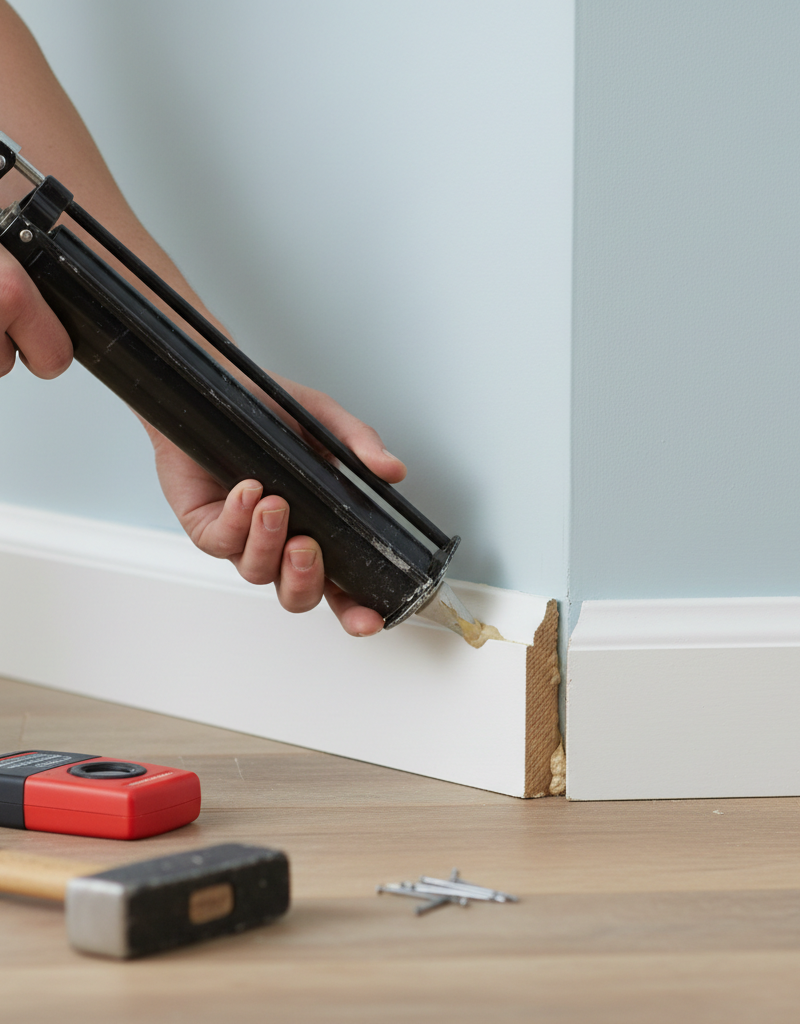
- If no stud is present where needed: For small sections or areas away from studs, you can sometimes use construction adhesive on the back of the baseboard (apply sparingly, then hold with painter's tape while it dries) or specialized drywall anchors, though these are less ideal for long-term baseboard security.
-
Re-Secure the Baseboard – Choose your fastener and technique.
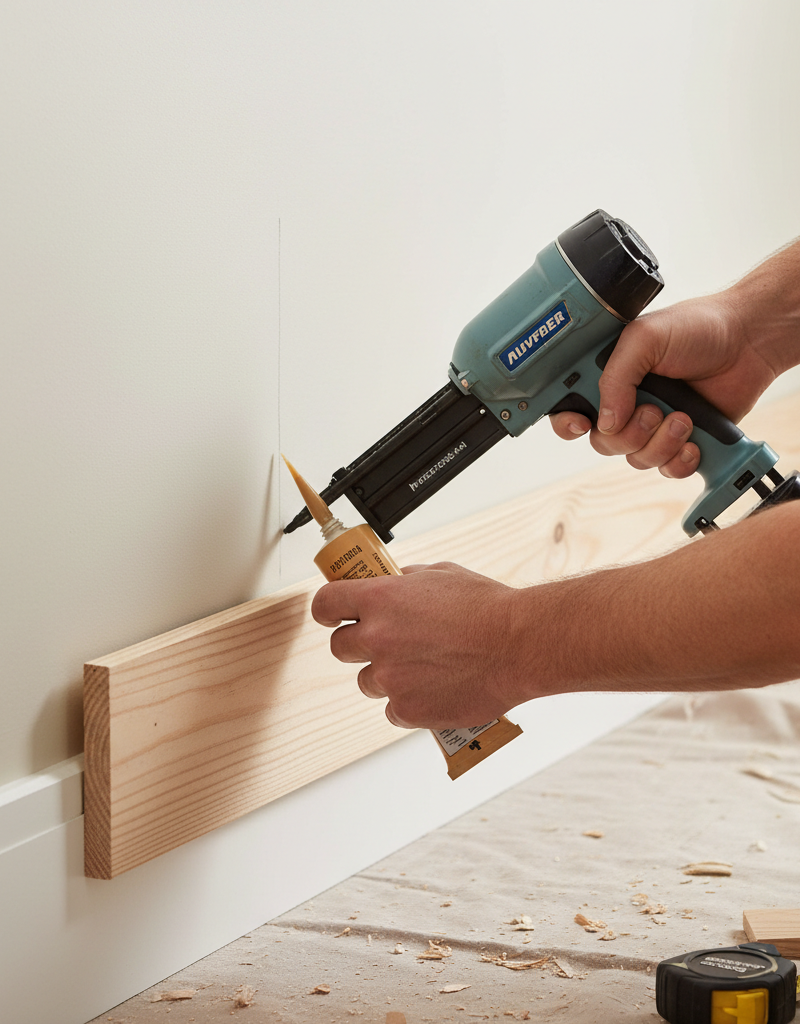
- Option A: Finish Nails (for moderate gaps/looseness): For traditional wood baseboards, 2-inch or 2.5-inch 16-gauge or 18-gauge finish nails are usually sufficient. Use a hammer and a nail set, or preferably, a finish nailer for quicker, cleaner results. Drive nails at a slight downward angle through the baseboard into the center of the marked studs. Ensure the nail head is slightly below the surface (countersunk).
- Option B: Trim Screws (for significant gaps/MDF/long-term security): For MDF baseboards, or if you want extra holding power, use 2-inch or 2.5-inch trim-head screws. These screws have small heads that are easy to conceal. Pre-drill a pilot hole slightly smaller than the screw diameter to prevent splitting, especially with hardwood or MDF. Drive the screw until the head is just below the surface.
- Spacing: Place nails or screws every 16 to 24 inches along the affected section, or at least two fasteners per stud that the baseboard spans, ensuring they go into the center of each stud.
-
Fill Fastener Holes – Create a smooth, paintable surface.
- Once the baseboard is securely re-fastened, fill all countersunk nail or screw holes with a small amount of spackle or wood filler. Use a putty knife to apply, then smooth it flush with the baseboard surface. Allow it to dry completely according to the manufacturer's instructions. Sand lightly with 220-grit sandpaper until smooth.
-
Apply New Caulk – Seal the gap permanently.
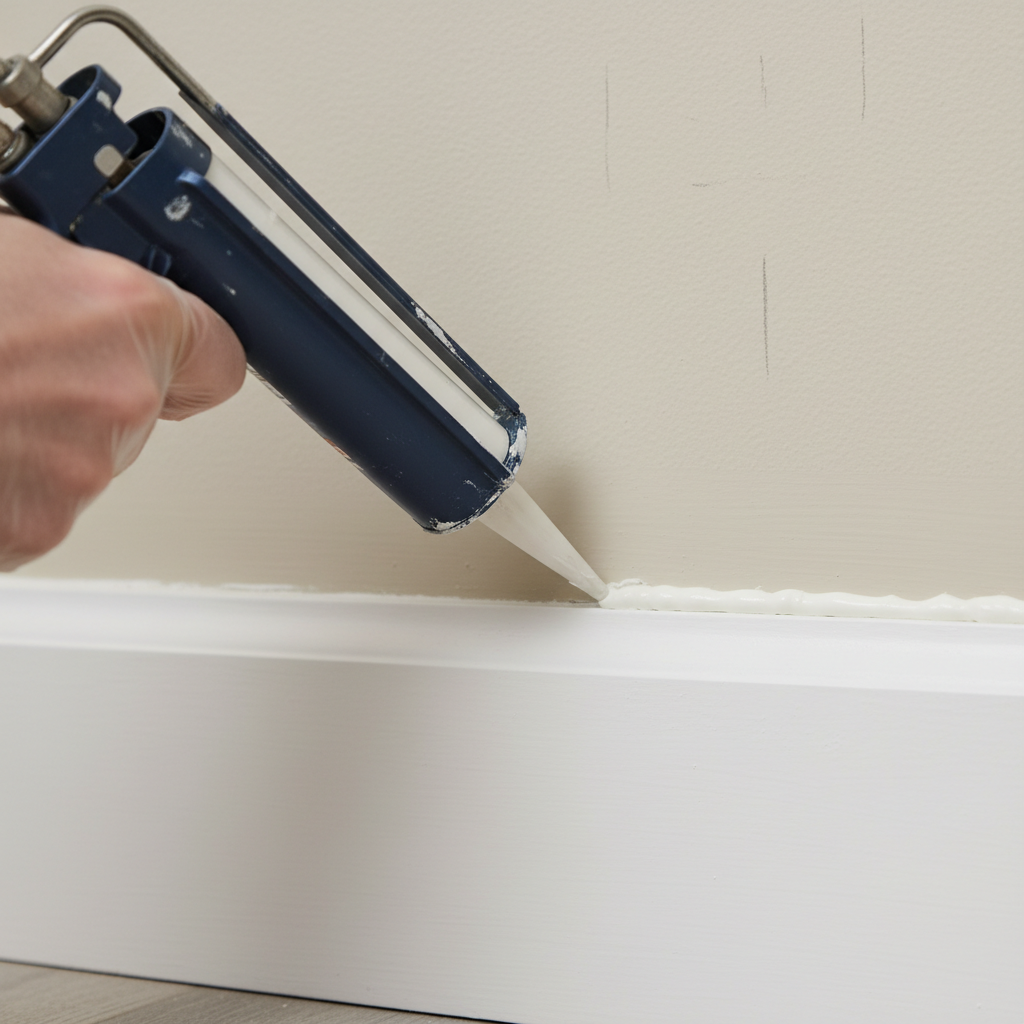
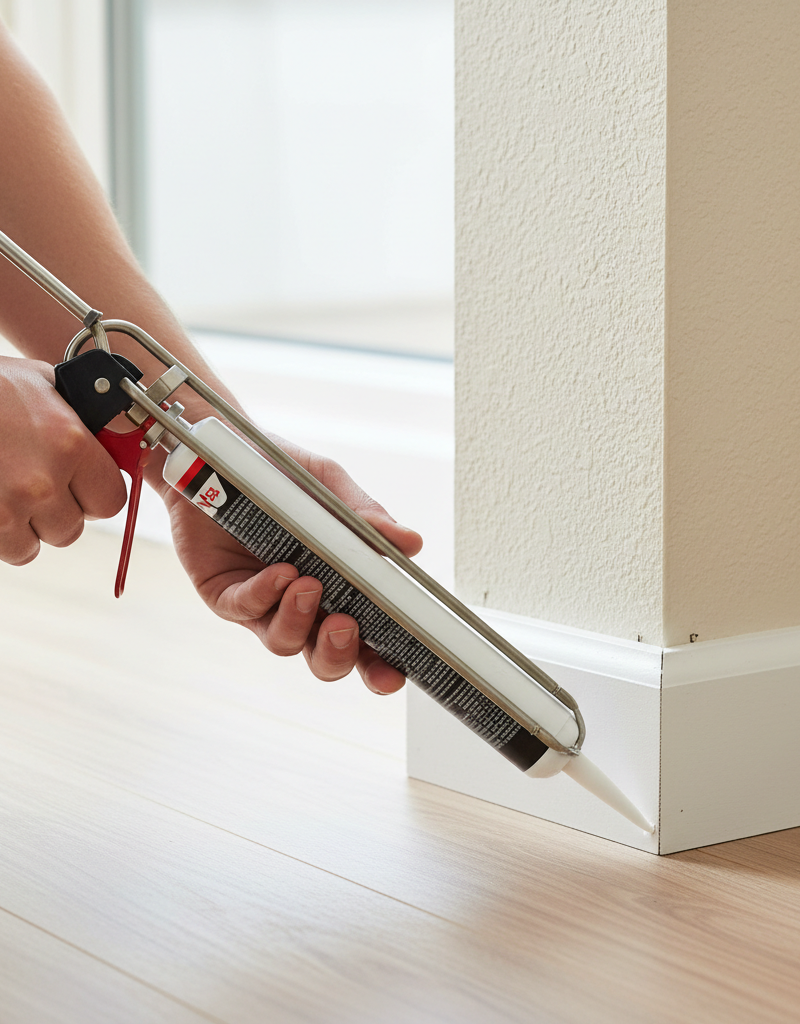
- Load a tube of paintable acrylic latex caulk with silicone into a caulk gun. Cut the tip of the caulk tube at a 45-degree angle, making a small opening. Run a smooth, consistent bead of caulk along the top edge of the baseboard where it meets the wall. Aim for a continuous line.
- Tip: For professional-looking results, lightly wet your finger (or a caulk tool) and run it along the caulk bead immediately after application to smooth it out and push it into the gap. Wipe off excess caulk with a damp cloth.
- If the gap is very wide (over ¼ inch), you might need to apply caulk in two passes or use a backer rod in the largest sections before caulking to ensure proper fill and prevent the caulk from sinking too deeply.
-
Paint (Optional but Recommended) – Blend the repair seamlessly.
- Once the caulk and filler are fully cured (check manufacturer's recommendations, usually 24 hours for caulk), lightly sand any dried caulk imperfections if needed. Then, apply a matching color of paint to the baseboard and the newly caulked seam. Use painter's tape along the wall above the baseboard if you want a super crisp paint line.
Common Causes
- Humidity Fluctuations: This is the most prevalent cause. As seasons change, so does the humidity inside your home. Wood baseboards absorb and release moisture, causing them to expand and contract, eventually pulling away from fasteners.
- House Settling: All homes, especially older ones, experience some degree of settling. Minor shifts in the foundation or framing can cause walls to move slightly, leading to gaps in trim.
- Improper Fastening During Installation: If baseboards were installed with too few fasteners, nails that were too short, or if they weren't adequately secured into wall studs, they won't have the long-term holding power needed.
- Poor Quality Adhesives/Caulk: Old, brittle caulk or weak construction adhesive will fail over time, unable to accommodate the natural movement of the house and materials.
- Uneven Wall Surfaces: If the wall behind the baseboard is not perfectly flat, the baseboard may be under tension, eventually leading to sections pulling away.
Common Mistakes
- Ignoring Studs for Fastening: Drilling or nailing randomly into drywall will not hold the baseboard securely. Always locate and fasten into wall studs for a permanent fix.
- Too Much Caulk, Too Soon: Over-applying caulk or painting before it fully cures can lead to messy results, uneven drying, and future cracking. Use a modest bead and allow for proper curing time.
- Using the Wrong Caulk: Standard painter's caulk isn't always flexible enough for areas with significant movement. Opt for a paintable acrylic latex caulk with silicone for better flexibility and durability.
- Not Cleaning the Surface: Applying caulk or filler over dusty or debris-filled gaps will compromise adhesion, leading to the repair failing prematurely.
- Driving Nails/Screws Without Countersinking: Leaving fastener heads proud of the surface makes painting difficult and creates an unprofessional finish. Always countersink and fill.
- Skipping the Assessment Step: Assuming all gaps are the same and applying a one-size-fits-all solution can lead to wasted effort if re-fastening is truly required, and you only caulk.
Cost & Time Breakdown
| Task | DIY Cost | Pro Cost | Time |
|---|---|---|---|
| Tools & Materials | $20–$50 | Included | 0–1 hour prep |
| Re-fastening | $0 (if tools exist) | $100–$250 (min service) | 1–2 hours |
| Caulking & Filling | $10–$20 | Included | 1–1.5 hours |
| Painting | $5–$15 | Included | 1–2 hours (incl. dry) |
| TOTAL | $35–$85 | $100–$250+ | 3.5–6.5 hours |
Tips & Prevention
- Maintain Stable Humidity: Use humidifiers in dry winter months and dehumidifiers in damp summer months to keep indoor humidity levels as stable as possible (ideally between 30-50%). This minimizes wood movement.
- Check Annually: Make it a habit to visually inspect your baseboards annually, looking for small gaps or cracks. Addressing them early can prevent larger, more complex repairs.
- Flexible Caulk is Key: When re-caulking or installing new baseboards, always use a high-quality paintable acrylic latex caulk with silicone. Its increased flexibility better accommodates minor house movement.
- Proper Fastening: If installing new baseboards, ensure they are secured into every stud with adequate fasteners (finish nails or trim screws). Don't rely solely on adhesive.
- Acclimate Materials: If installing new baseboards, let the wood or MDF acclimate to your home's humidity for several days before installation. This reduces initial shrinkage/expansion after installation.
- Consider Quarter Round/Shoe Molding: For gaps at the floor level (not wall), installing quarter-round or shoe molding can cover imperfections and add another layer of visual appeal.
When to Call a Professional
While fixing separating baseboards is a common DIY task, there are specific situations where calling a professional carpenter or general contractor is warranted. If the separation is widespread throughout multiple rooms, involves significant gaps (over ½ inch), or is accompanied by other signs of structural movement like cracked drywall in corners, sticking doors, or uneven floors, you may have a more serious underlying issue than simple wood expansion. Similarly, if you find signs of water damage, mold behind the baseboards, or notice soft spots in the wall or floor, a professional should investigate immediately to determine the source of moisture and prevent further damage. If you're uncomfortable using power tools or working with trim, or if you simply lack the time, a professional can complete the repair efficiently and with a high-quality finish. A handyman or carpenter typically charges $70-$120 per hour for this type of work, plus materials, with a minimum service fee often applied.
FAQ
Q: Can I just caulk the gap without re-nailing?
A: You can, especially for very small, hairline gaps (less than 1/8 inch) where the baseboard feels otherwise secure. However, if the baseboard is noticeably loose or the gap is wider, just caulking will likely be a temporary fix, and the caulk will eventually crack again as the baseboard continues to move.
Q: What's the best type of caulk for baseboards?
A: A high-quality paintable acrylic latex caulk with silicone is ideal. It offers good adhesion, flexibility to accommodate minor movement, and can be easily painted to match your trim color.
Q: Why do my baseboards keep separating every year?
A: If your baseboards repeatedly separate, it's likely due to significant seasonal humidity fluctuations causing the wood to expand and contract. Ensure they are securely fastened into wall studs, maintain consistent indoor humidity, and use a flexible caulk. Persistent issues might also indicate foundational settling.
Q: How do I find wall studs behind the baseboard?
A: The easiest way is to use an electronic stud finder. Slowly slide it along the wall just above the baseboard until it indicates a stud. Mark the location with a pencil. You can also sometimes tap the wall and listen for a solid sound, or look for dimples from screws/nails in the baseboard itself which are often centered over studs.
Q: Is it better to nail or screw baseboards?
A: For most homeowners, finish nails are sufficient and faster, especially when using a nail gun. However, screws (specifically trim-head screws) provide superior holding power and are excellent for MDF baseboards, sections with significant tension, or if you want a more robust, long-term attachment. Always remember to pre-drill for screws, especially in harder wood or MDF, to prevent splitting.
Related Articles
Keep troubleshooting with these hand-picked guides from FixlyGuide:
- The 3 Hidden Reasons Your Baseboards Are Pulling Away (And How to Fix It FAST) — Don't ignore separating baseboards—they’re not just an eyesore. Learn the surprising culprits behind the gaps and how to permanently fix th…
- The Tiny Gap Behind Your Baseboards That Costs You $100s in Drafts — Discover why your baseboards are pulling away from the wall and the simple, inexpensive fixes that can seal drafts and improve your home's…
- The #1 Mistake Homeowners Make When Diagnosing Low Water Pressure (It's Not Your Pipes!) — Low water pressure throughout your house often points to a single, easily overlooked culprit: your main water shut-off valve.
- That Musty Smell From Your Fan? It's Not Just Dust — A musty smell from your bathroom fan is a major red flag for hidden mold and mildew growth in the fan housing or ductwork, often caused by…
- The 7 Critical Home Inspection Checks Most Homeowners Miss (And How to Spot Them) — Discover the crucial annual home inspection checks often overlooked by homeowners, and learn how to identify potential issues before they b…
- The #1 Secret to Edging Flower Beds That Last Years (and Resist Weeds) — Discover the crucial, often-skipped step that ensures your landscape edging stays put and keeps weeds out for years, transforming your flow…
Get the print-ready PDF of this guide
A clean, ad-free, printable version you can keep on your phone or pin to the workshop wall. We'll also send occasional weekly tips matched to your home situation.
- Print-optimized layout
- Tools, materials & every step included
- Unsubscribe anytime
Frequently asked questions
Can I just caulk the gap without re-nailing?+
You can, especially for very small, hairline gaps (less than 1/8 inch) where the baseboard feels otherwise secure. However, if the baseboard is noticeably loose or the gap is wider, just caulking will likely be a temporary fix, and the caulk will eventually crack again as the baseboard continues to move.
What's the best type of caulk for baseboards?+
A high-quality paintable acrylic latex caulk with silicone is ideal. It offers good adhesion, flexibility to accommodate minor movement, and can be easily painted to match your trim color.
Why do my baseboards keep separating every year?+
If your baseboards repeatedly separate, it's likely due to significant seasonal humidity fluctuations causing the wood to expand and contract. Ensure they are securely fastened into wall studs, maintain consistent indoor humidity, and use a flexible caulk. Persistent issues might also indicate foundational settling.
How do I find wall studs behind the baseboard?+
The easiest way is to use an electronic stud finder. Slowly slide it along the wall just above the baseboard until it indicates a stud. Mark the location with a pencil. You can also sometimes tap the wall and listen for a solid sound, or look for dimples from screws/nails in the baseboard itself which are often centered over studs.
Is it better to nail or screw baseboards?+
For most homeowners, finish nails are sufficient and faster, especially when using a nail gun. However, screws (specifically trim-head screws) provide superior holding power and are excellent for MDF baseboards, sections with significant tension, or if you want a more robust, long-term attachment. Always remember to pre-drill for screws, especially in harder wood or MDF, to prevent splitting.
Discussion
Loading comments…