Tools & materials you'll need
Affiliate linksAs an Amazon Associate FixlyGuide earns from qualifying purchases — at no extra cost to you. Prices and availability are accurate as of publication and subject to change.
Quick Answer
AWhen rain infiltrates your chimney, the primary culprits typically include a damaged or missing chimney cap, compromised flashing where the chimney meets the roof, a cracked chimney crown, or degraded masonry that has become porous. Diagnosing the precise point of entry is key to an effective repair, as mishandling could lead to extensive water damage within your home, affecting drywall, ceilings, and structural integrity.
The Problem
Rainwater entering your chimney isn't just an annoyance; it's a serious threat to your home's structure and indoor air quality. That distinctive drip, drip, drip during a storm might seem minor, but over time, it can lead to stained ceilings, rotted rafters, damaged drywall, and even mold growth in your attic and walls. The metal firebox and damper can rust, mortar joints can degrade, and the overall lifespan of your chimney structure can be drastically shortened. Many homeowners jump to the conclusion that a leaky chimney automatically means a bad chimney cap, but the reality is more nuanced. While a cap is a common offender, there are several other critical areas that, if compromised, will channel water directly into your living space. Ignoring even a small leak can turn into a very expensive repair down the line, so understanding and addressing the true source is paramount. This guide will walk you through the less obvious, yet equally critical, suspects behind your rainy-day chimney woes.
How It Works
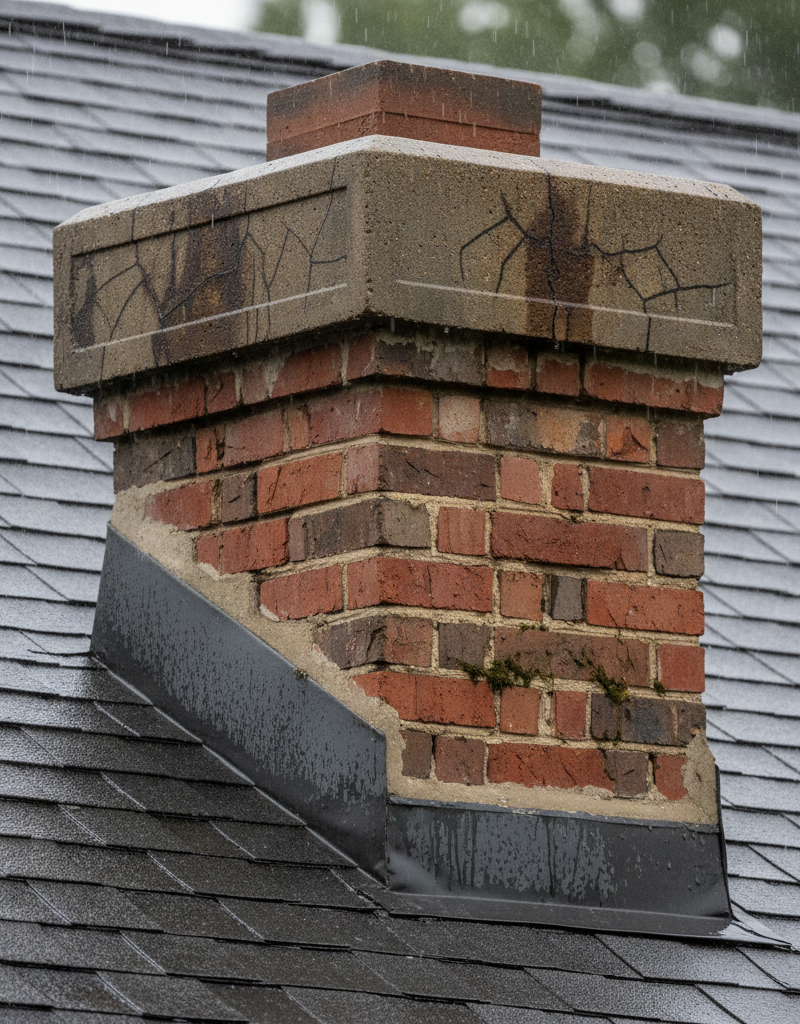
Your chimney isn't just a vertical shaft for smoke; it's a complex system designed to safely vent combustion byproducts and, crucially, keep water out. At the very top, the chimney cap acts as an umbrella, preventing rain, snow, and animals from entering the flue. Below the cap, the chimney crown (or wash) is a concrete slab that slopes outward, directing water away from the flue opening and the masonry below. Think of it as the chimney's roof. Both the cap and crown are exposed to the harshest elements, making them frequent points of failure.
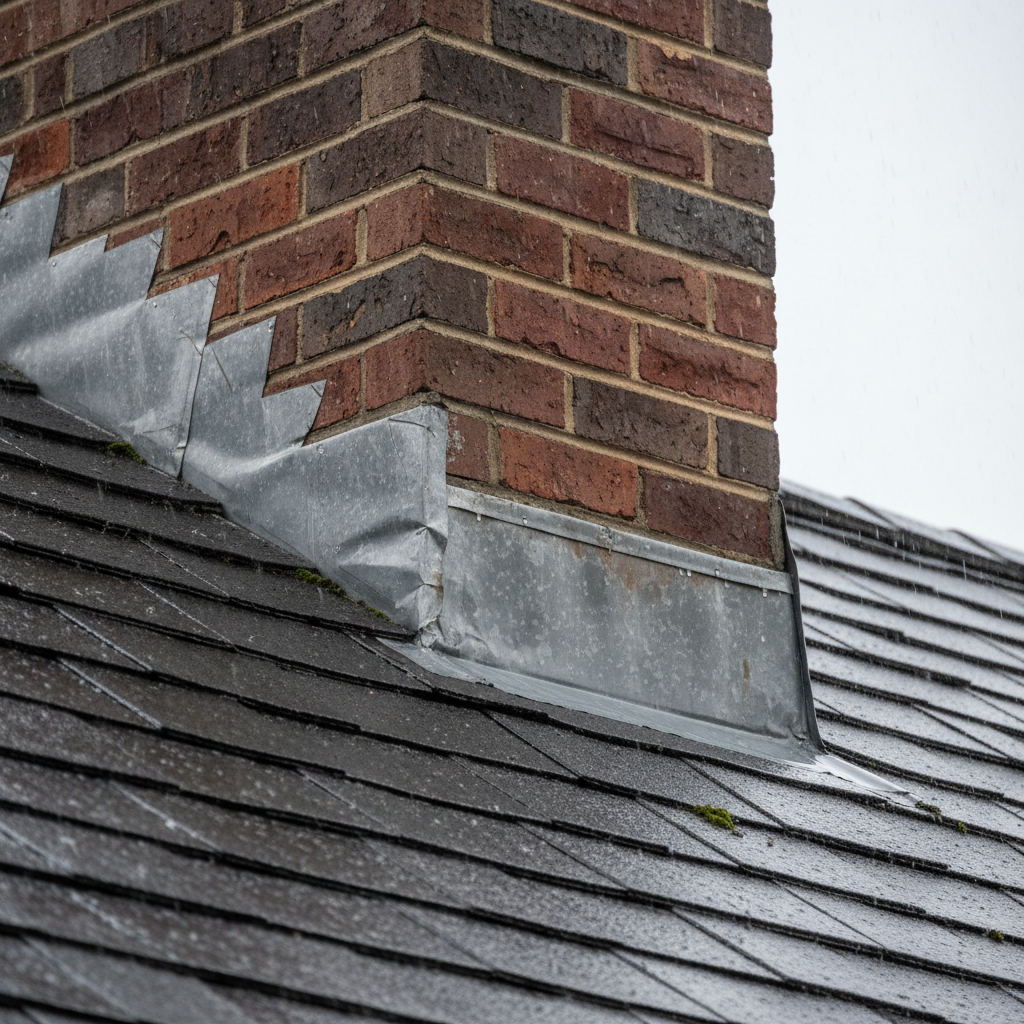
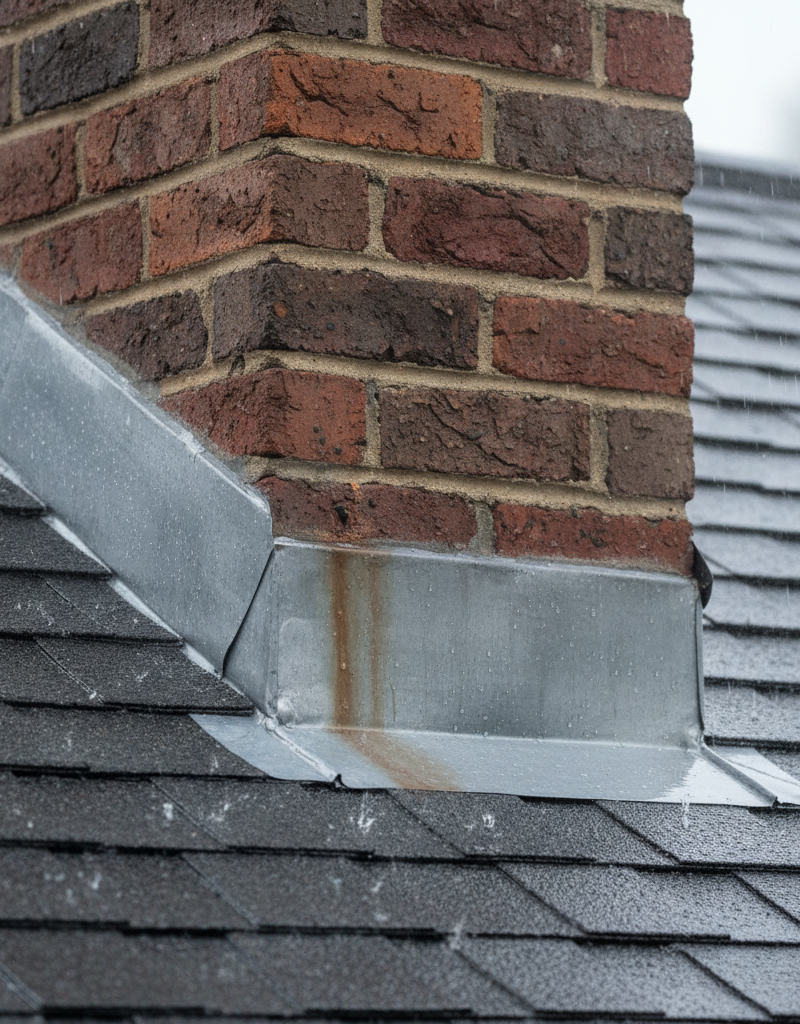
Further down, where the chimney penetrates the roofline, is the flashing system. This consists of several layers of metal (typically aluminum or copper) that are meticulously interwoven with the roof shingles and sealed to the chimney masonry. The base flashing is bent at a 90-degree angle, running along the roof and up the chimney. Over this, step flashing is installed in layers with each course of shingles. Counter-flashing (or cap flashing) is then cut into the mortar joints of the chimney and bent down over the step flashing, forming a shingle-like overlap. This multi-layered approach creates a watertight seal, allowing for the natural expansion and contraction of both the chimney and the roof without cracking.
Finally, the masonry itself – bricks and mortar – is inherently porous. While bricks are fired to be relatively dense, over decades of exposure to freeze-thaw cycles, acid rain, and UV radiation, mortar joints can erode, and even bricks can become spalled (surface flaking) and absorb excessive amounts of water. If the water absorbed by the exterior masonry isn't properly shed by the cap, crown, and flashing, or if it penetrates too deeply, it can eventually wick its way through to the interior of your home, especially if the flue liner isn't perfectly sealed or if there are cracks in the internal structure.
Step-by-Step Fix
Always prioritize safety. Working on a roof, especially a wet one, is dangerous. Use a sturdy ladder, wear non-slip shoes, and consider a safety harness. If you're uncomfortable with heights or roof work, call a professional.
1. Inspect the Chimney Cap and Crown — Start at the very top.
- Tools: Binoculars, flashlight, ladder (if safe), camera with zoom.
- Position your ladder safely on firm, level ground. Before climbing, use binoculars from the ground to check for obvious damage to the cap – is it missing, rusted through, or bent? Examine the crown for large cracks or pieces broken off.
- If it's safe to ascend, check for loose or missing mortar around the cap's base or significant cracks in the concrete crown surface. Pay close attention to the leading edge where water sheds.
- If your cap is rusted or missing: Replace it with a new stainless steel or copper cap. Measure the flue opening circumference/dimensions. Prices range from $50–$200 for materials.
- If your crown has hairline cracks but is otherwise solid: Clean the crown thoroughly. Apply a brushable, elastomeric chimney crown sealant. These products are designed to bridge small cracks and create a waterproof membrane. Follow manufacturer instructions for application and drying time.
- If your crown is severely cracked or crumbling: This is beyond a simple DIY fix and indicates significant structural failure. This requires a professional chimney mason to chip away the old crown and pour a new one, a more involved and costly repair.
2. Examine the Flashing System — The most common leak point after the cap.
- Tools: Ladder, pry bar, hammer, utility knife, caulk gun, roofing caulk (polyurethane-based), galvanized roofing nails, tin snips, potentially new flashing material (aluminum coil stock or pre-bent pieces).
- Carefully inspect the flashing where the chimney meets the roof shingles. Look for:
- Loose or missing step flashing: These are the small, L-shaped pieces woven between each shingle course. If they're bent up or falling out, water can easily get behind them.
- Cracked or dried-out caulk: Older flashing might have caulk applied directly to the counter-flashing where it meets the brick. This caulk will fail over time.
- Rust holes: Especially common on older galvanized flashing.
- Counter-flashing pulled out: The bent metal strip that goes into the mortar joint might be loose or have fallen out.
- If the caulk is cracked: Carefully remove the old, crumbling caulk. Clean the area thoroughly. Apply a high-quality, flexible, exterior-grade polyurethane sealant designed for roofing around the counter-flashing, ensuring it creates a watertight seal without blocking actual weep holes if present.
- If step flashing is loose or missing: Gently lift the surrounding shingles (use a pry bar carefully to avoid damaging them). Re-nail loose step flashing with galvanized roofing nails, or replace damaged pieces. Weave them under the shingle above and over the shingle below, securing them to the roof deck and chimney side. Overlap them by at least 2 inches.
- If counter-flashing is loose: Use masonry anchors or a small amount of mortar repair caulk to re-secure it into the mortar joint. If the counter-flashing is severely damaged or rusted, it will need to be replaced. This involves carefully cutting out the old flashing from the mortar joints and installing new custom-bent or pre-fabricated pieces. This can be complex and may warrant professional help.
3. Assess the Mortar Joints and Bricks — The body of the chimney.
- Tools: Wire brush, trowel, pointing tool, mortar mix (Type N or S), water, spray bottle, safety glasses.
- Examine the entire exposed masonry for signs of deterioration:
- Spalled bricks: Where the brick face has flaked off, leaving a rough, porous surface.
- Missing or crumbling mortar: Joints that are receding, soft, or have visible gaps.
- Efflorescence: A white, powdery residue on the brick surface, indicating water is passing through the masonry and leaching salts. While not a direct cause of a leak, it's a symptom of water penetration.
- If you find minor mortar damage (raked out to 1/2 inch depth): This can often be repaired through repointing.
- Safety Note: Wear safety glasses to protect your eyes from dislodged mortar dust.
- Carefully use a chisel or grinder (with dust mask) to remove loose and deteriorating mortar to a uniform depth (typically 1/2 to 3/4 inch). Brush out all debris.
- Moisten the joints with a spray bottle – this prevents the new mortar from drying out too fast.
- Mix your mortar according to package directions (Type N or S is common for above-grade work).
- Pack the new mortar firmly into the joints using a trowel and pointing tool, ensuring a dense, void-free fill. Tool the joints to match the existing profile (concave is common and sheds water well). Allow it to cure slowly by misting it lightly for a few days, especially in dry weather.
- If bricks are spalled: Small areas can sometimes be patched with mortar, but severely spalled bricks should ideally be replaced. This is a more advanced task requiring removal and careful integration of new bricks.
- If the entire chimney seems saturated and porous: After all repairs are made, consider applying a breathable, silane/siloxane-based masonry water repellent to the entire chimney exterior. DO NOT use a standard sealer or paint, as this can trap moisture inside the brick, leading to further damage. A repellent penetrates the masonry and creates a hydrophobic barrier while allowing the brick to breathe. Apply with a low-pressure sprayer or brush, ensuring even coverage.
4. Check for Condensation Inside the Flue — A less common, but significant problem.
- Tools: Flashlight, inspection mirror (optional).
- Sometimes, what appears as a roof leak is actually condensation forming inside the flue, especially with high-efficiency appliances or oversized flues. This water then drips down.
- Look up into the flue with a flashlight. Are the interior walls damp or discolored, even when it hasn't rained for a while? Is there an unusual acidic smell?
- If you suspect condensation: This is typically a professional issue. It usually requires installing a properly sized, insulated stainless steel liner to keep flue gases warmer, preventing condensation. This is not a DIY task due to the risks of improper sizing and installation and affects appliance performance. Consult a CSIA-certified chimney sweep or HVAC professional.
Common Causes
- Damaged or Missing Chimney Cap: The most exposed component, rusts out, blows off in high winds, or gets damaged by animals.
- Cracked Chimney Crown: Freeze-thaw cycles, poor initial construction, and direct weather exposure cause concrete crowns to crack, allowing water to penetrate the masonry below.
- Deteriorated Flashing: The metal strips around the chimney base can rust, bend, or pull away from the roof/chimney due to house settling, wind damage, or drying out of sealants.
- Porous Masonry/Mortar Joints: Over decades, mortar can erode, and bricks can become spalled or overly saturated, wicking water through to the interior. Acid rain accelerates this degradation.
- Shingle Damage Near Chimney: Missing, curled, or damaged shingles adjacent to the chimney can divert water incorrectly, overwhelming the flashing system.
- Improperly Sloped Crown: If the chimney crown doesn't have an adequate overhang or slope, water sits on the surface or runs directly down the chimney walls instead of shedding away.
Common Mistakes
- Assuming it's only the cap: Many homeowners hastily replace a cap only to find the leak persists, wasting time and money. Always perform a thorough inspection of all potential leak points.
- Using the wrong caulk: Standard exterior caulk or silicone won't hold up long-term on a chimney or roof. Always use a high-quality, flexible, polyurethane-based roofing sealant that can withstand UV exposure and temperature fluctuations.
- Skipping the wire brush on mortar repair: Failing to thoroughly clean out old, loose mortar and debris before repointing will result in poor adhesion and a weak, short-lived repair.
- Not wetting the joints before repointing: Applying new mortar to dry, thirsty bricks/mortar joints will cause the new mortar to dry out too quickly, preventing proper curing and leading to weak, crumbly joints.
- Blocking weep holes: Some flashing systems or masonry have designed weep holes to allow moisture to escape. Accidentally sealing these can trap water and worsen the problem.
- Painting or sealing bricks with non-breathable products: This traps moisture within the brick, leading to spalling, efflorescence, and accelerated deterioration of the masonry from within. Only use breathable masonry repellents.
Cost & Time Breakdown
| Task | DIY cost | Pro cost | Time |
|---|---|---|---|
| Chimney cap replacement | $50–$200 | $200–$500 | 30 mins–1 hour |
| Crown crack repair (sealant) | $30–$80 | $200–$400 | 1–2 hours |
| Flashing re-sealing/minor fix | $20–$50 | $250–$750 | 1–3 hours |
| Mortar repointing (minor) | $30–$70 | $400–$1,000 | 2–4 hours |
| Masonry water repellent | $50–$150 | $300–$600 | 2–3 hours |
| Full flashing replacement | $100–$300+ | $800–$2,500+ | 1 day+ (pro) |
Tips & Prevention
- Annual Visual Inspection: From the ground with binoculars, annually inspect your chimney cap, crown, and flashing. Look for rust, cracks, loose pieces, or damaged caulk. Catching minor issues early prevents major failures.
- Professional Chimney Sweep: Schedule a professional chimney inspection and cleaning every 1–2 years. Certified sweeps can identify subtle water intrusion issues and recommend preventive maintenance.
- Maintain Gutters: Ensure your gutters are clean and draining properly. Overflowing gutters can saturate the chimney masonry or spill directly onto the flashing, exacerbating leaks.
- Trim Overhanging Branches: Remove tree branches that directly overhang or touch the chimney. These can drop debris, damage the cap, or scratch/chafe the flashing over time.
- Install a Quality Cap: If your chimney doesn't have a cap, or has a basic, rusted one, invest in a durable stainless steel or copper multi-flue cap to protect against rain, animals, and debris.
- Consider a Chimney Liner: If you have an older, unlined chimney or use high-efficiency appliances, consult a professional about installing an insulated stainless steel liner to prevent condensation issues and improve safety.
When to Call a Professional
While identifying the source of a chimney leak can be a rewarding DIY task, there are clear instances when calling a licensed professional is the safest and most effective course of action. If you suspect your chimney's structural integrity is compromised, such as large, deep cracks in the masonry, a severely crumbling crown, or leaning of the chimney stack, a professional mason or chimney repair specialist is essential. Similarly, if the leak persists after you’ve addressed the obvious external culprits like the cap, crown, and surface flashing, the issue may stem from hidden damage within the flue, complex flashing failures requiring custom fabrication, or issues related to condensation. Any work involving removing and replacing large sections of flashing, repointing extensive areas of mortar, or diagnosing internal flue problems should be left to certified chimney professionals, as these tasks require specialized skills, tools, and a thorough understanding of chimney mechanics and safety codes. Ignoring these signs and attempting overly complex repairs yourself could lead to further damage, costly fixes, or even fire hazards.
Related Articles
Keep troubleshooting with these hand-picked guides from FixlyGuide:
- The Secret Culprit Behind Your Leaky Chimney (It’s Not Always the Obvious Flashing) — Discover the often-overlooked causes of chimney leaks during rain and how to tackle them with effective DIY solutions and prevention tips.
- The 4 Hidden Reasons Your Chimney Leaks in Rain (And the Smart Fixes) — A leaky chimney during rain can hint at several underlying issues, from a faulty chimney cap to damaged flashing, all of which require prom…
- The Secret Culprit Behind Your Leaky Refrigerator (It’s Not Always a Hose) — Discover the hidden causes of your refrigerator leaking water and how to fix them with our comprehensive troubleshooting guide.
- The Secret Culprit Behind Your Leaking Washer (It's Not Always the Hose) — A washing machine leaking water from the bottom can often be traced to common, easily fixable issues like loose hoses or a clogged drain pu…
- The 4 Hidden Reasons Your Toilet Tank Fills Slowly (And How to Fix Them in Under an Hour) — A toilet tank that fills slowly is a common, annoying plumbing problem, often caused by easily fixable issues within the fill valve or wate…
- The #1 Reason Your Fridge Ice Maker Stops—And the 20-Minute Fix — Uncover the most common culprit behind a non-producing ice maker and learn how to implement a quick, effective fix in about 20 minutes.
Frequently asked questions
Why is my chimney leaking only when it rains?+
A chimney typically leaks only during rain because the protective elements—the cap, crown, flashing, or masonry—are failing to shed or repel the water effectively. The leak becomes apparent when these compromised areas are directly exposed to precipitation.
Can a cracked chimney crown cause a leak?+
Yes, absolutely. A cracked chimney crown is a very common cause of leaks. Water can seep through these cracks, penetrate the brickwork, and eventually make its way into your home's interior, leading to stains and damage.
How do I find out where my chimney is leaking?+
Start by visually inspecting the chimney from top to bottom. Look for damage on the chimney cap, cracks in the crown, deteriorated caulk or bent flashing where the chimney meets the roof, and crumbling mortar or spalled bricks on the masonry itself. Sometimes, a careful interior inspection of the attic or ceiling below the chimney can also reveal the entry point.
Can I seal a leaky chimney myself?+
Minor repairs like re-caulking loose flashing, applying a crown sealant to small cracks, or repointing a few deteriorated mortar joints can often be done by a DIY-savvy homeowner. However, extensive damage to flashing, a severely crumbling crown, or structural masonry issues require professional expertise. Only use breathable masonry repellents, not standard sealers, on brick.
What happens if a chimney leak is left unrepaired?+
Leaving a chimney leak unrepaired can lead to significant and costly damage over time, including rusted firebox components, deteriorated flue liners, rotted rafters and ceiling joists, damaged drywall and insulation, mold growth, and eventually, the structural failure of the chimney itself.
Discussion
Loading comments…