Tools & materials you'll need
Affiliate linksAs an Amazon Associate FixlyGuide earns from qualifying purchases — at no extra cost to you. Prices and availability are accurate as of publication and subject to change.
Quick Answer
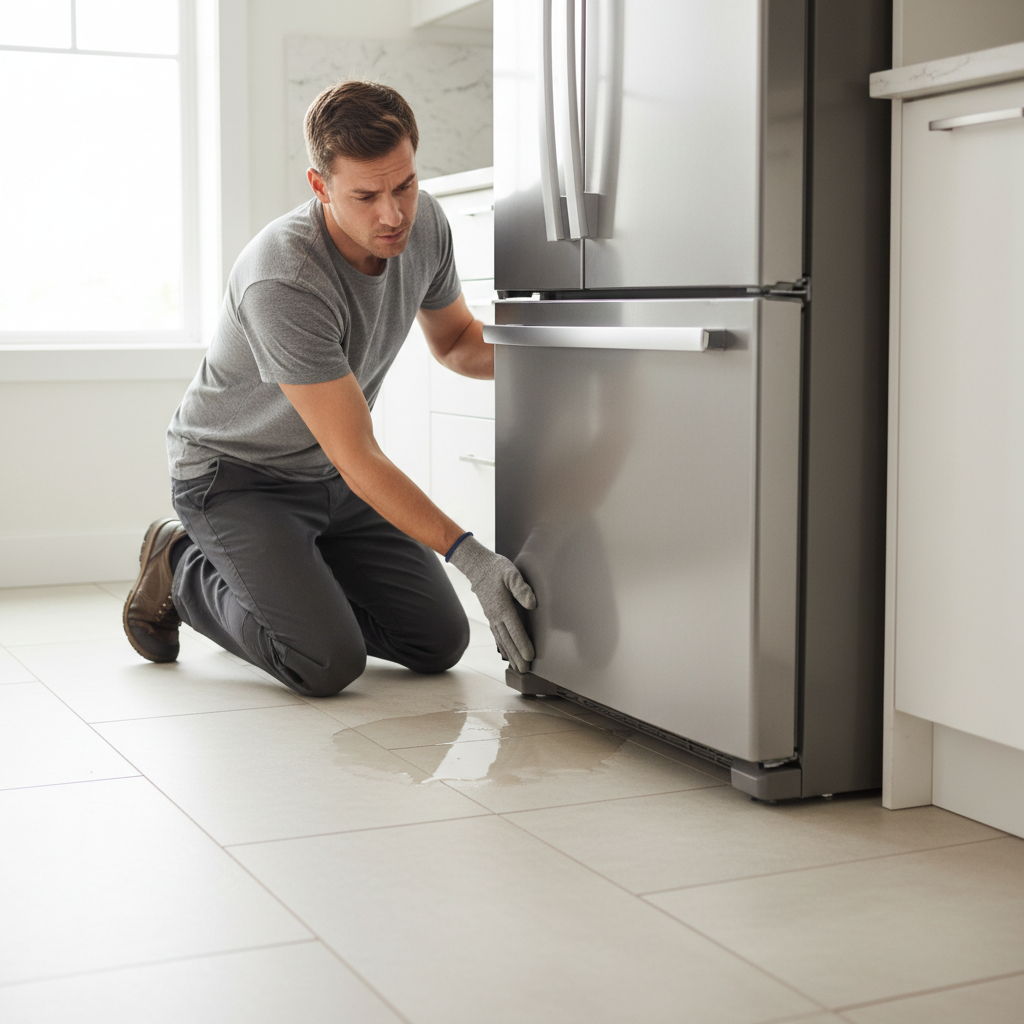
AWhen your refrigerator starts leaving puddles on your kitchen floor, it's often a sign of one of three common issues: a clogged defrost drain, a faulty water supply line, or a misaligned drain pan. Each of these problems has distinct symptoms and relatively straightforward DIY fixes, which we'll cover in detail. Addressing the leak promptly is crucial to prevent water damage to your flooring and subfloor, which can lead to expensive repairs and even mold growth.
The Problem
There are few household problems as immediately alarming as discovering a pool of water beneath your refrigerator. It’s not just a messy inconvenience; a persistent leak can cause significant damage to your kitchen floor, rot your subfloor, and even promote mold and mildew growth in hidden areas. This issue often develops subtly, starting with small drips that go unnoticed until a larger puddle forms. While it might seem like a major plumbing nightmare, the good news is that many refrigerator leaks stem from easily identifiable and repairable causes that don't require a professional plumber or appliance technician.
How It Works
Understanding how your refrigerator handles water helps in diagnosing leaks. Modern refrigerators, especially frost-free models, include a sophisticated system to manage condensation and ice. When your refrigerator's compressor runs, it cools the internal compartments, removing heat and humidity. This humidity often condenses into frost on the evaporator coils in the freezer section. To prevent excessive ice buildup, a defrost cycle periodically melts this frost. The melted water then drains into a collection pan, known as the defrost drain pan, located at the bottom of the refrigerator, usually near the compressor. This water then evaporates due to the heat generated by the compressor.
For refrigerators with ice makers or water dispensers, an additional water supply line connects the refrigerator to your home's main water line. This thin plastic or copper tubing carries pressurized water to the dispenser and ice maker. Inside the refrigerator, a solenoid valve controls the flow of water to these components. Any disruption in this carefully orchestrated system—be it a clog, a crack, or a misalignment—can cause water to escape and end up on your floor instead of evaporating or being dispensed as intended.
Step-by-Step Fix
1. Safety First – Unplug your refrigerator before performing any inspection or repair.
Before you do anything, pull your refrigerator away from the wall and unplug it from the electrical outlet. This is a critical safety step to prevent electric shock and ensure your safety throughout the troubleshooting process. If your refrigerator has an ice maker or water dispenser, also turn off the water supply valve, usually located under the sink or behind the refrigerator. Have old towels and a mop ready to deal with any standing water.
2. Check the Defrost Drain Pan – Inspect for overflow or cracks.
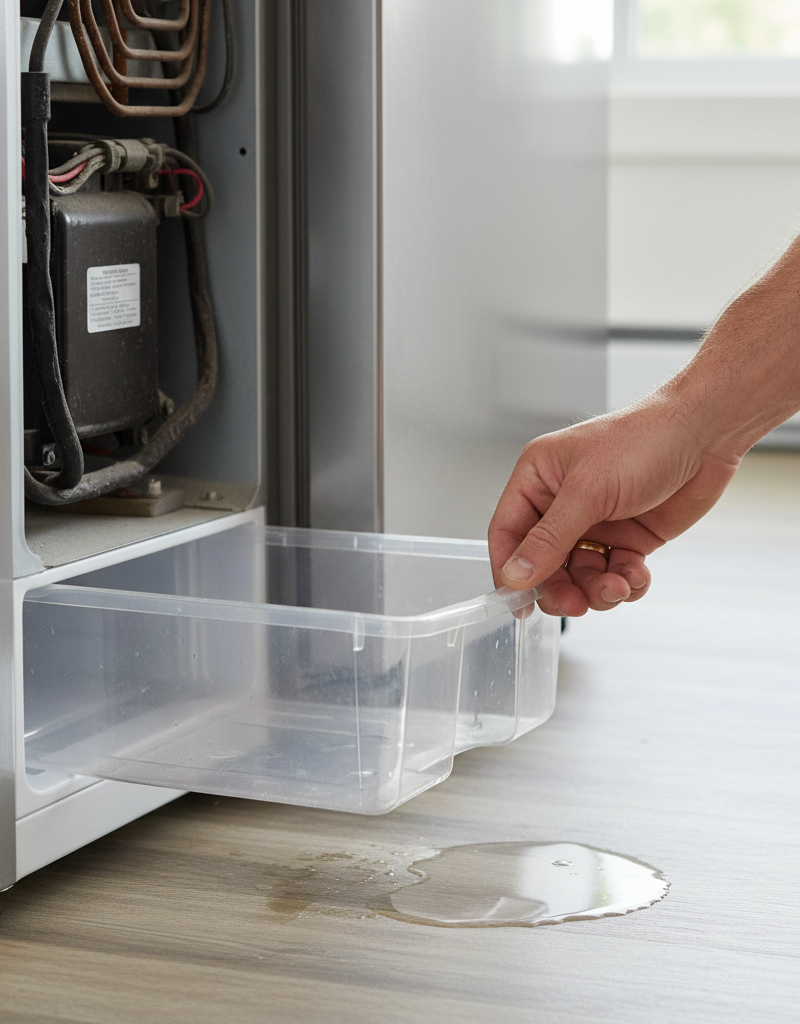
The defrost drain pan is typically located beneath the refrigerator, often at the very bottom, just above the floor. It's designed to catch melted frost from the freezer's evaporator coils.
- Locate the Pan: You might need to remove the lower kick panel (grille) at the front of the refrigerator to see it, or in some models, it slides out from the back once the refrigerator is pulled forward. Consult your owner's manual if you can't find it.
- Inspect for Cracks or Overflow: Look for visible cracks in the plastic pan. If cracked, it will need to be replaced. Also, check if the pan is overflowing, indicating a clogged drain line above it. If it's full, carefully remove it and empty the water. Clean the pan thoroughly with soap and water to remove any mold, mildew, or debris.
- If this doesn't work: Proceed to check the defrost drain line itself.
3. Clear a Clogged Defrost Drain Line – Remove ice and debris blocking the drain.
A clogged defrost drain is one of the most common causes of refrigerator leaks, especially for older models. Food particles, ice, or mold can block the small drain hole, causing water to back up and overflow into the freezer compartment or leak onto the floor.
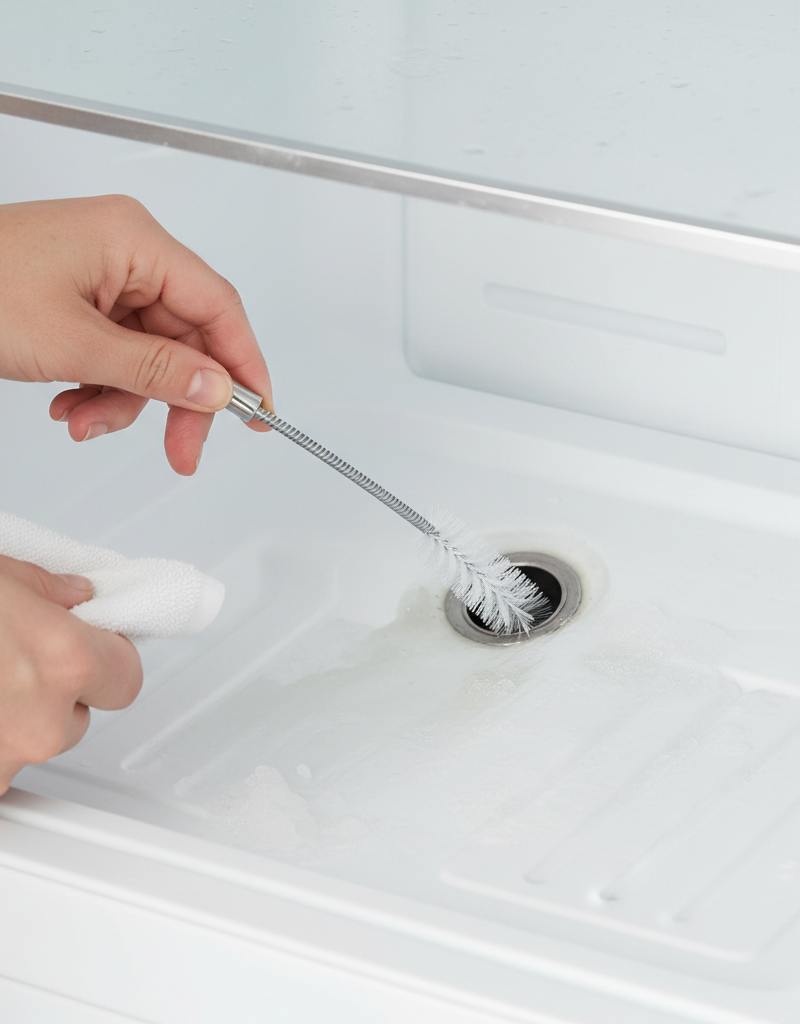
- Locate the Drain: The defrost drain hole is usually found at the bottom of the freezer compartment, often behind a panel or beneath a shelf. You might need to remove freezer drawers or shelves to access it. In some models, it's directly visible on the back wall of the freezer.
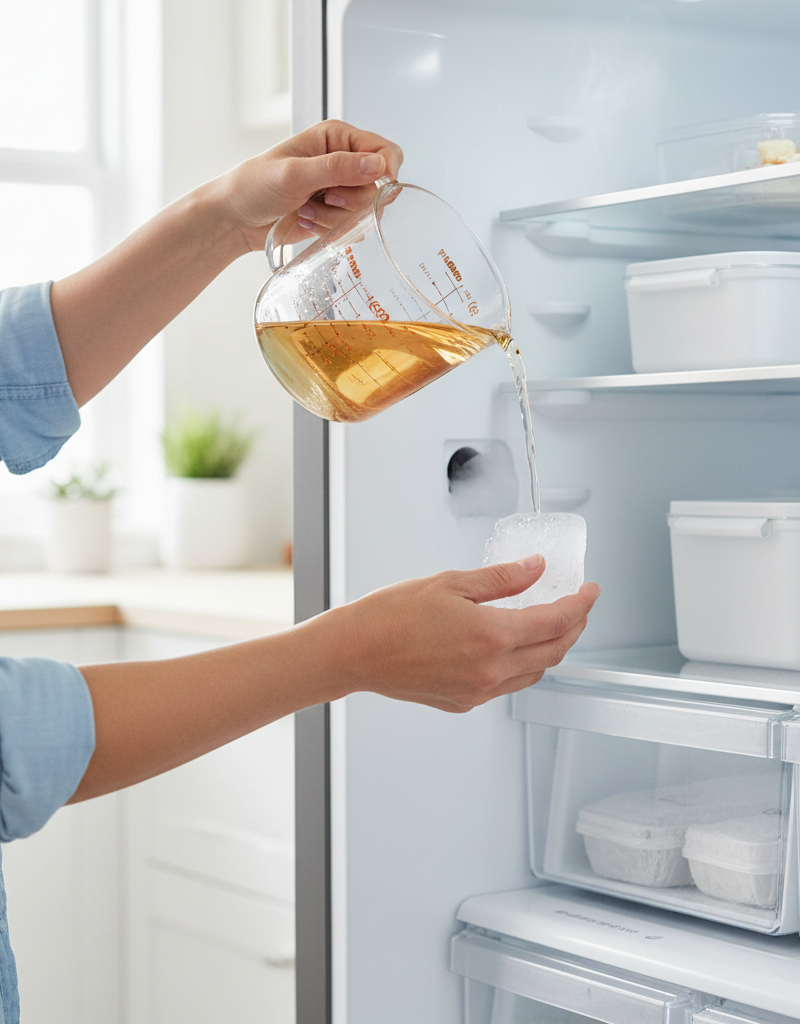
- Clear the Clog: Use a turkey baster or a small syringe filled with warm water mixed with a tablespoon of baking soda to flush the drain. Alternatively, you can use a long, thin, flexible brush (like a refrigerator drain brush or a pipe cleaner) to physically dislodge any blockages. Be gentle to avoid damaging the drain tube. For stubborn ice clogs, a hairdryer on a low setting can help melt the ice, but be careful not to overheat surrounding plastic components.
- Confirm Flow: Once cleared, pour a small amount of clean water down the drain to ensure it flows freely into the drain pan below. If the water still backs up, the clog is likely deeper, and you may need to repeat the flushing or use a longer tool.
- If this doesn't work: The drain might be frozen solid deeper inside the refrigerator. Allow the refrigerator to defrost for 24-48 hours with the doors open. Place towels underneath to catch melting ice. This is often the most effective way to clear a severe ice clog.
4. Examine the Water Supply Line – Check for loose connections or damage.
If your refrigerator has an ice maker or water dispenser, a leaking water supply line is a frequent culprit. These lines can become brittle over time, develop cracks, or loosen at their connection points.
- Inspect the Line: With the refrigerator pulled out and the water supply turned off, visually inspect the entire length of the plastic or copper tubing from the wall shut-off valve to the refrigerator's inlet valve. Look for kinks, cracks, bulges, or signs of water drips.
- Tighten Connections: Gently but firmly tighten any threaded connections at both ends of the supply line with an adjustable wrench. Do not overtighten, as this can strip threads or crack plastic fittings. If the line is plastic, ensure the compression fittings are seated correctly.
- Replace Damaged Line: If you find any cracks or significant damage, the supply line must be replaced. This usually involves unscrewing the old line, installing a new line of the correct length and type (usually 1/4-inch braided stainless steel or reinforced plastic is recommended over plain plastic), and ensuring all connections are tight and leak-free. Use plumber's tape on threaded connections for an extra seal.
- If this doesn't work: The issue could be with the water inlet valve itself, which is best handled by a professional.
5. Inspect the Water Filter Housing – Ensure the filter is seated correctly.
Many refrigerators with water dispensers have an internal water filter. If this filter is not installed correctly or its housing cracks, it can be a source of leaks.
- Remove and Reinstall: Locate your water filter (usually inside the refrigerator compartment or in the kick panel). Remove it according to your refrigerator's instructions. Inspect the O-rings on the filter and inside the housing for damage. Reinstall the filter, making sure it clicks securely into place.
- Replace Filter: If the filter is old or damaged, replace it with a new one. Sometimes, a poorly manufactured or worn-out filter can cause leaks. Always use an OEM (Original Equipment Manufacturer) filter or a high-quality aftermarket equivalent. Run a few gallons of water through the dispenser after replacement to flush air and check for leaks.
- If this doesn't work: The filter housing itself might be cracked, requiring a professional appliance repair technician.
Common Causes
- Clogged Defrost Drain: This is arguably the most common cause. Over time, food particles, mold, or ice can accumulate in the drain tube that carries melted frost from the freezer's evaporator coils to the defrost drain pan. When blocked, the water backs up, often freezing in the freezer floor or leaking out onto the kitchen floor.
- Damaged or Loose Water Supply Line: For refrigerators equipped with an ice maker or water dispenser, the small diameter plastic or copper tubing that brings water to the appliance can crack, kink, or loosen at its connection points. This often manifests as drips behind or under the refrigerator.
- Cracked or Misaligned Defrost Drain Pan: The shallow pan under the refrigerator collects and evaporates water from the defrost cycle. If this pan develops a crack due to age or impact, or if it shifts out of position, water will leak onto the floor.
- Faulty Water Filter or Housing: If your refrigerator has a water filter, an improperly installed filter, a damaged O-ring, or a cracked filter housing can cause water to drip inside the refrigerator or leak onto the floor.
- Frozen Evaporator Coils: While less common for direct leaks, excessive ice buildup on the evaporator coils can sometimes lead to water overflowing the drain system when it eventually melts, especially if the defrost heater or thermostat is malfunctioning. This usually means a service call.
Common Mistakes
- Ignoring the Safety Steps: Forgetting to unplug the refrigerator or turn off the water supply before working on it can lead to electric shock or uncontrolled water spills. Always disconnect power and water first.
- Overtightening Fittings: When tightening water supply lines or filter connections, many DIYers overtighten, which can strip plastic threads, crack fittings, or pinch O-rings, creating new leaks or exacerbating existing ones. Tighten until snug, then a quarter-turn more.
- Using the Wrong Tools for the Drain Clog: Using sharp objects or too much force to clear a defrost drain can puncture or damage the delicate drain tube or evaporator coils, leading to a much more expensive repair. Use flexible, non-abrasive tools like a drain clearing brush or warm water flushing.
- Assuming a Major Problem Immediately: Many homeowners panic and call a professional without diagnosing the simple causes first. While some issues require a pro, many leaks are quick DIY fixes. Always troubleshoot the common culprits before calling for service.
- Neglecting Regular Maintenance: Failing to regularly clean the condenser coils and check the drain pan for debris can contribute to clogs and reduce appliance efficiency. Incorporate these checks into an annual maintenance routine.
Cost & Time Breakdown
| Task | DIY cost | Pro cost | Time |
|---|---|---|---|
| Clear Defrost Drain Clog | $0–$5 | $100–$250 | 15–45 minutes |
| Replace Water Supply Line | $10–$30 | $120–$280 | 30–60 minutes |
| Replace Drain Pan | $20–$60 | $150–$300 | 20–40 minutes |
| Replace Water Filter (DIY) | $25–$50 | N/A | 5–10 minutes |
| Professional Diagnosis/Repair | N/A | $100–$400+ | 1–2 hours |
Tips & Prevention
- Regular Drain Flushing: Every 6-12 months, flush your defrost drain with a mixture of warm water and a little baking soda to prevent clogs from forming. This is especially important if you live in a humid environment or notice any unusual odors. You can do this by using a turkey baster or syringe to push the solution directly into the drain hole in the freezer.
- Inspect Water Lines: Periodically (e.g., quarterly), pull your refrigerator out slightly and visually inspect the water supply line for any signs of wear, kinks, or drips. Early detection can prevent major leaks.
- Clean Condenser Coils: Annually, clean the condenser coils, usually located underneath or behind the refrigerator. Dust and pet hair can restrict airflow, making the compressor work harder and potentially contributing to excess condensation and drain issues.
- Proper Water Filter Installation: Always ensure your refrigerator's water filter is installed correctly and rotated until it clicks securely into place. Replace filters as recommended by the manufacturer, typically every 6 months.
- Monitor Icemaker Activity: If you have an icemaker, occasionally check the ice bucket for signs of irregular ice formation or excess water. This can indicate a problem with the water inlet valve or icemaker itself, which might lead to leaks.
- Level the Refrigerator: Ensure your refrigerator is properly leveled. An unbalanced refrigerator can sometimes cause water to pool unevenly in the drain pan or even affect the drainage path.
When to Call a Professional
While many refrigerator leaks are manageable DIY fixes, there are specific situations where calling a licensed appliance repair technician is the smartest and safest course of action. If you've methodically gone through all the troubleshooting steps—clearing the defrost drain, inspecting the water supply line, and checking the drain pan—and the leak persists, it's time to call in a pro. This is particularly true if you suspect an internal component like the water inlet valve, evaporator coil, or a sealed refrigeration system issue. Technicians have specialized tools and diagnostic equipment to pinpoint complex problems that are beyond the scope of typical homeowner repair. Additionally, if the leak appears to be coming from an inaccessible area that requires significant disassembly of the appliance, or if you're uncomfortable working with water lines or electrical components, don't hesitate to seek professional help. Continued leaking can lead to extensive floor damage and potential mold growth, making a timely professional intervention a cost-effective choice in the long run.
Related Articles
Keep troubleshooting with these hand-picked guides from FixlyGuide:
- The Secret Culprit Behind Your Leaky Refrigerator (It’s Not Always a Hose) — Discover the hidden causes of your refrigerator leaking water and how to fix them with our comprehensive troubleshooting guide.
- The Secret Culprit Behind Your Leaky Refrigerator (It’s Not Always the Water Line) — Discover the most common, often overlooked, reasons your refrigerator is leaking water and how to fix them with simple DIY steps.
- The Secret Culprit Behind Your Leaking Refrigerator (It’s Not Always a Big Fix) — Discover the most common and often overlooked reasons why your refrigerator is leaking water on the floor, and how to fix them yourself.
- Refrigerator Leaking Water? Easy Fixes for Common Causes — A refrigerator leaking water on the floor is a common household problem often caused by a clogged defrost drain or a misaligned drain pan,…
- The Surprising Culprit Behind Your Refrigerator's Water Leak (It's Not Always the Ice Maker) — Discover the most common, often overlooked reason your refrigerator is leaking water and how to fix it with simple steps.
- The 3 Hidden Reasons Your Gas Burner Won't Light (Beyond a Clog) — Before you call a technician, discover the most common culprits behind a gas stove burner that refuses to ignite and learn how to fix them…
Frequently asked questions
Why is there water under my refrigerator but not inside?+
Water under the refrigerator but not inside the compartments often points to a clogged defrost drain line or a cracked/misaligned drain pan. The melted frost from the freezer overflows the internal drain system and ends up on the floor instead of evaporating from the pan.
How do I clear a clogged refrigerator drain hose?+
To clear a clogged refrigerator drain hose, first unplug the fridge and locate the drain hole in the freezer (often at the back/bottom). Use a turkey baster with warm water and baking soda, or a long, flexible drain brush, to gently flush or dislodge the clog. Ensure the water flows freely into the drain pan below.
Can a bad water filter cause a refrigerator to leak?+
Yes, a damaged or improperly installed water filter can certainly cause a refrigerator to leak. The O-rings on the filter can wear out, or the filter housing itself can crack, allowing water to escape onto the floor or into the refrigerator compartment. Always ensure the filter is securely seated and replace it regularly.
Discussion
Loading comments…