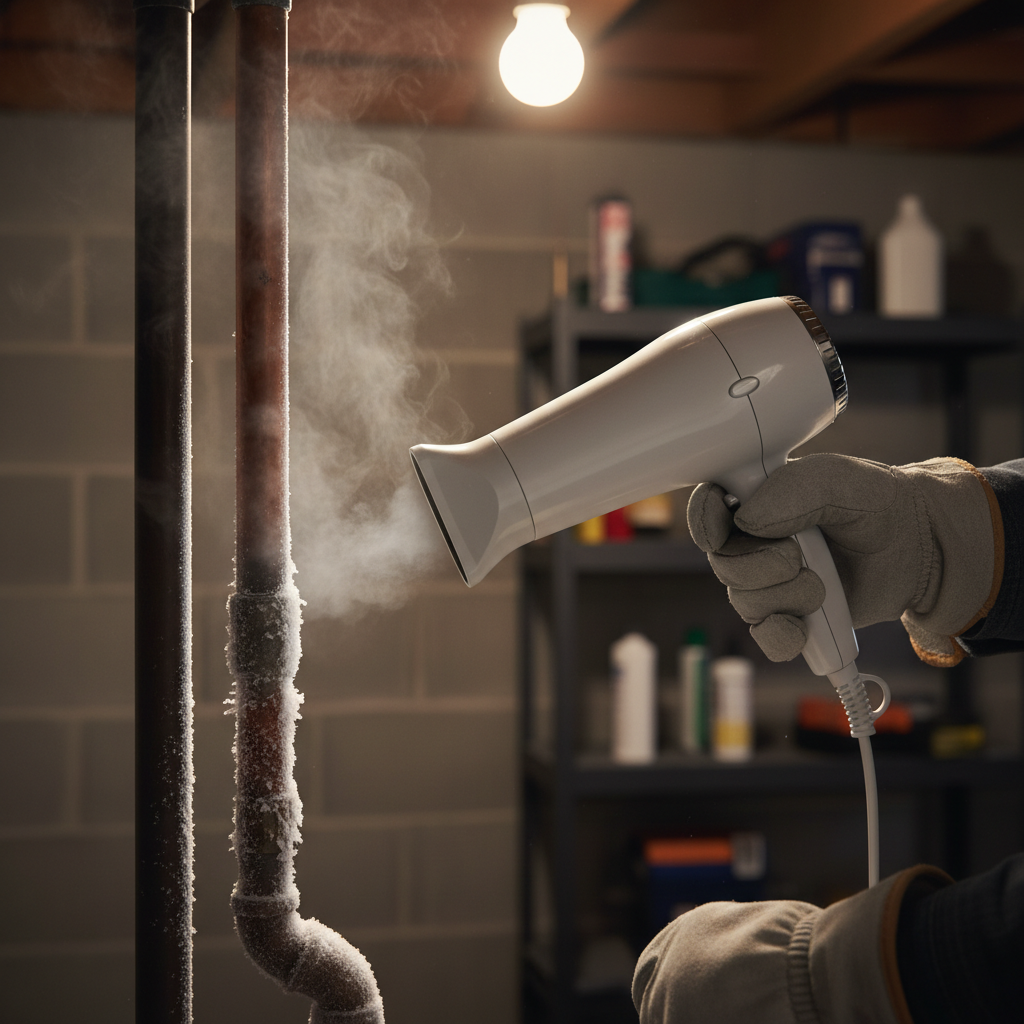
Tools & materials you'll need
Affiliate links- AmazonHairdryer1 · Standard household hairdryer
- AmazonHeat gun1 · Use on lowest setting only, with extreme caution
- AmazonBucket or large bowl1 · For catching drips
- AmazonAdjustable wrench1 · For shutting off main water valve
- AmazonSafety glasses1
- AmazonWork gloves1
- AmazonSpace heaterOptional, for warming a larger area (keep away from water)
- AmazonThick towels2-3
As an Amazon Associate FixlyGuide earns from qualifying purchases — at no extra cost to you. Prices and availability are accurate as of publication and subject to change.
Quick Answer
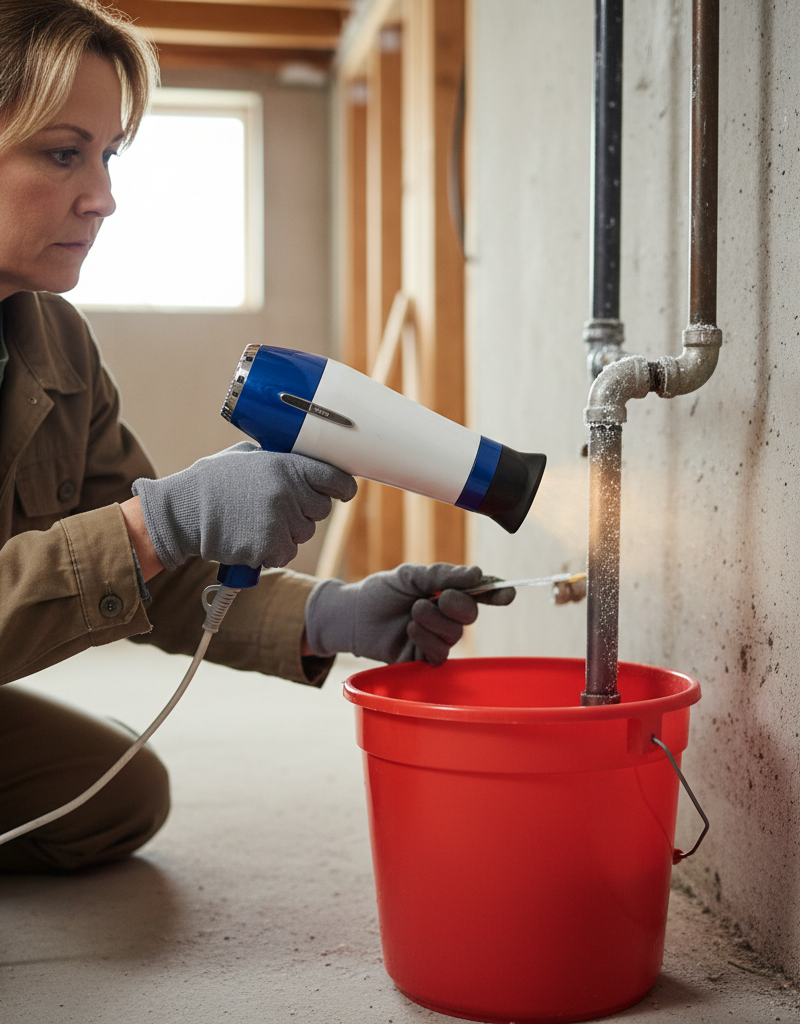
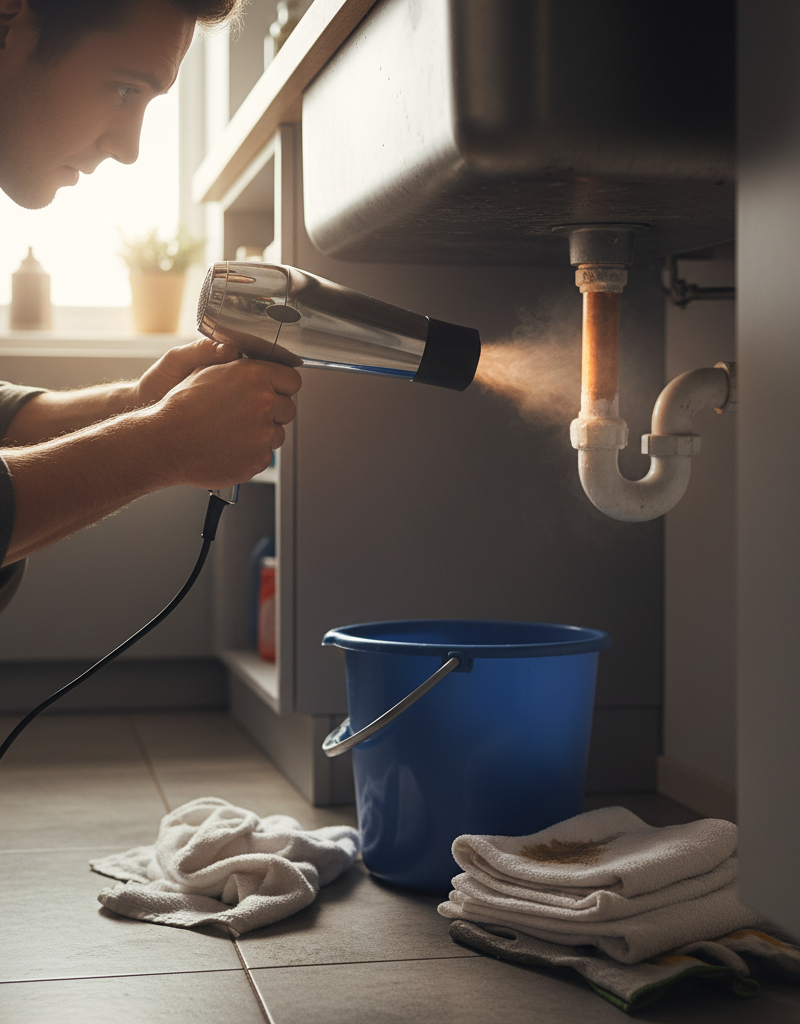
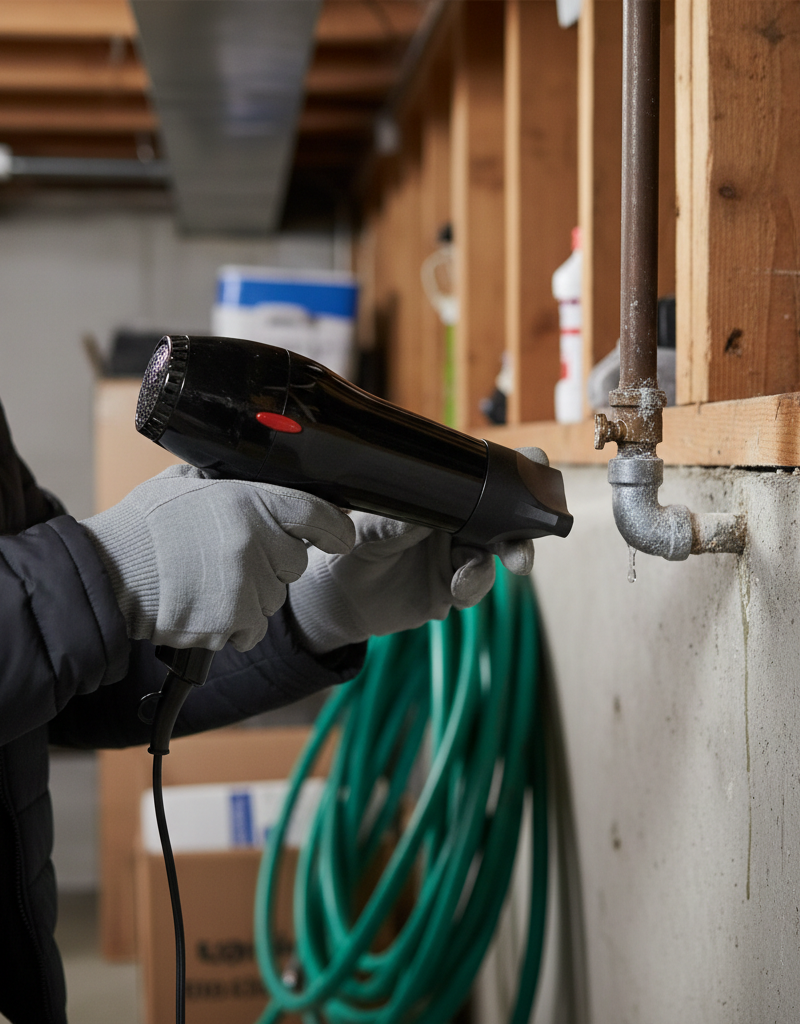
To safely thaw a frozen pipe, first locate the frozen section by checking for pipes that are cold to the touch, have frost, or where water isn't flowing. Immediately shut off the main water supply valve to prevent flooding if the pipe has already burst or bursts during thawing, and open all affected faucets to relieve pressure. Apply gentle, indirect heat to the frozen area using methods like a hairdryer on a low setting, an electric heating pad, or towels soaked in hot water. Work slowly from the faucet end towards the blockage, continuously checking for leaks once water flow resumes. If you suspect a burst pipe or cannot locate the freeze, call a professional plumber.
The Problem
Winter’s bite can turn a minor inconvenience into a major disaster when temperatures plummet below freezing. A frozen pipe isn't just a temporary loss of water; it’s a ticking time bomb. As water freezes, it expands, exerting immense pressure—upwards of 2,000 pounds per square inch—on the pipe walls. This pressure can cause a pipe to rupture, leading to gallons of water gushing into your home the moment the ice melts. The financial fallout from water damage, mold remediation, and pipe repair can easily run into thousands of dollars. Even a small leak from a hairline fracture can cause significant damage over time. The challenge for homeowners is to identify a frozen pipe quickly, thaw it safely before it bursts, and avoid methods that can further damage the plumbing system or pose a fire risk.
How It Works
Water expands by about 9% when it freezes into ice. This expansion is the fundamental cause of frozen pipe problems. When water inside a pipe cools below 32°F (0°C), it begins to crystallize and solidify. Unlike most liquids that contract upon freezing, water molecules arrange themselves into a crystalline structure that takes up more space. If a section of pipe is exposed to sufficiently cold temperatures, the water within it will freeze, forming an ice plug. This plug itself isn't typically what causes the pipe to burst. The real danger lies in the hydraulic pressure that builds up between the ice blockage and a closed faucet. As water continues to freeze and expand towards the closed faucet, it creates an enormous amount of pressure. This pressure has nowhere to go, and it's this trapped, expanding water that eventually causes the pipe to rupture, often at a weak point or a joint, even if that point isn
Frequently asked questions
How do I know if my pipe is frozen?+
The most common signs of a frozen pipe are a lack of water coming from a faucet, even though the main water supply is on, or unusually low water pressure. You might also see visible frost or ice on an exposed pipe, or the pipe may feel extremely cold to the touch in a specific section. Sometimes, a bulging section of pipe can indicate a severe freeze.
What's the best way to prevent pipes from freezing?+
Preventing frozen pipes involves several strategies. Insulate exposed pipes in unheated areas like basements, crawl spaces, and attics. Disconnect garden hoses and drain outdoor spigots before winter. During severe cold snaps, keep cabinet doors open under sinks to allow warmer room air to circulate, and consider letting a faucet drip slowly to keep water moving through vulnerable pipes.
Can a frozen pipe thaw on its own?+
While a frozen pipe *can* thaw on its own if temperatures rise significantly above freezing for an extended period, relying on this is risky. The longer a pipe remains frozen, the greater the chance it will burst due to ongoing pressure from the expanding ice. Active, controlled thawing is always recommended to mitigate damage and restore water service faster.
How much does it cost to fix a burst pipe?+
The cost to fix a burst pipe varies widely depending on the location of the break, the extent of water damage, and whether professional remediation is needed. A simple pipe repair might cost $150-$500 for a plumber, but if the burst causes significant water damage to drywall, flooring, or insulation, total costs can easily range from $1,000 to $5,000 or more, especially if mold remediation becomes necessary.
Discussion
Loading comments…