Tools & materials you'll need
Affiliate links- AmazonFoam pipe insulation sleevesenough to cover exposed pipes
- AmazonDuct tape or zip ties
- AmazonExterior-grade caulkfor sealing cracks and gaps
- AmazonExpanding foam sealantfor larger gaps
- AmazonHose bib covers (Insulated)if you don't have separate shut-off valves for outdoor spigots
- AmazonHeat tape or heat cableoptional, for very vulnerable pipes, ensure it's rated for plumbing
As an Amazon Associate FixlyGuide earns from qualifying purchases — at no extra cost to you. Prices and availability are accurate as of publication and subject to change.
Quick Answer
Preventing frozen pipes is crucial for avoiding costly water damage. The most effective strategies involve insulating exposed pipes, sealing air leaks that allow cold drafts to reach plumbing, and ensuring adequate heating in vulnerable areas. During extreme cold, allowing faucets to drip can also relieve pressure and prevent bursts, even if the water inside the pipe freezes.
The Problem
Every winter, thousands of homeowners face the nightmare of burst pipes. The scenario often begins subtly: a sudden drop in outdoor temperature, a forgotten hose bib, or an uninsulated pipe in a crawl space. As water inside a pipe freezes, it expands, creating immense pressure. This pressure doesn't just build where the ice forms; it builds between the ice blockage and the nearest closed faucet, or even back towards the main water supply. Eventually, this pressure overwhelms the pipe's integrity, leading to a rupture. The resulting flood can cause tens of thousands of dollars in damage, from soaked drywall and ruined flooring to damaged insulation and electrical hazards. Beyond the immediate chaos, the cost of repairs, increased insurance premiums, and the sheer inconvenience make preventing frozen pipes a top priority.
How It Works
Water expands by about 9% when it freezes into ice. It's not the expand-and-contract cycle of the pipe itself that causes the burst, but the relentless force of the freezing water. Imagine a section of pipe that runs through an unheated garage or behind an exterior wall. When the temperature inside that pipe drops to 32°F (0°C) or below, the water molecules begin to slow down and arrange themselves into a crystalline structure – ice. As more water freezes, the ice plug grows, creating a sealed section of pipe. If this ice plug forms, say, near an exterior wall, and the water pressure from the main supply continues to push against it, or if the water between the ice plug and a closed faucet begins to freeze, the pressure within that trapped section can skyrocket to over 2,000 pounds per square inch (psi). Standard residential water pressure is typically between 40-80 psi, and most residential pipes are not designed to withstand such extreme internal forces. The pipe gives way at its weakest point, which is often a joint or a section already compromised by corrosion. Even relatively warm temperatures, if sustained for a long enough period, can lead to freezing, especially in windy conditions or pipes with low flow. Heat loss from pipes occurs through conduction, convection, and radiation, with cold air currents being particularly effective at stealing heat away. This is why sealing drafts and insulating are so vital.
Step-by-Step Fix
To effectively prevent frozen pipes, a multi-pronged approach is best, focusing on insulation, heat, and sealing.
1. Identify Vulnerable Pipes – Know where to focus your efforts
Walk through your home, basement, crawl space, attic, and garage. Look for any exposed pipes, especially those running along exterior walls, through unheated areas, or near vents and windows. Focus on water supply lines, drain lines from sinks/toilets on exterior walls, and outdoor hose bibs. These are your primary targets for prevention. Pay close attention to pipes that run through cantilevered sections of your home (where a floor extends beyond the foundation).
2. Drain and Disconnect Outdoor Hoses & Bibs – The easiest and most critical first step
Before the first hard freeze, disconnect all garden hoses from outdoor spigots. If your home has separate shut-off valves for outdoor spigots (often found in the basement or utility room), turn these off and then open the outdoor spigots to drain any remaining water. If you don't have separate shut-off valves, consider insulated covers for your hose bibs.
- Safety Note: Ensure the spigot is completely drained. Water trapped in the spigot itself can freeze and rupture.
3. Insulate Exposed Pipes – Add a protective layer against cold
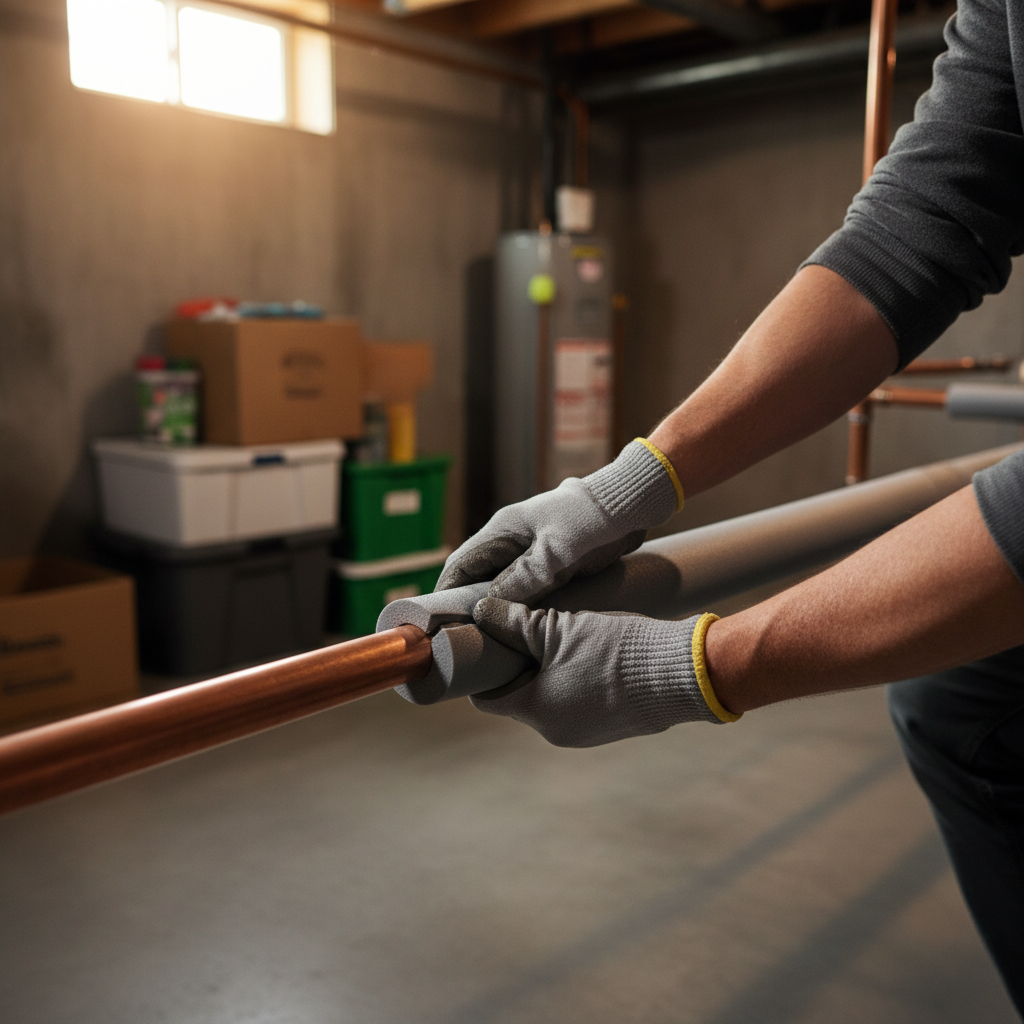
Wrap any pipes in unheated areas (basements, crawl spaces, attics, garages, under sinks on exterior walls) with foam pipe insulation sleeves. These are readily available at hardware stores and are easy to install. Cut them to size and secure them with duct tape or zip ties. For very cold spots or metal pipes, consider using heat tape or heat cables, but follow the manufacturer's instructions precisely.
- Tools: Measuring tape, utility knife, foam pipe insulation, duct tape/zip ties (optional: heat tape/cable).
- If this doesn't work: Even with insulation, extreme cold can still penetrate. Combine insulation with heat sources, especially in critical areas.
4. Seal Air Leaks – Stop cold drafts from reaching plumbing
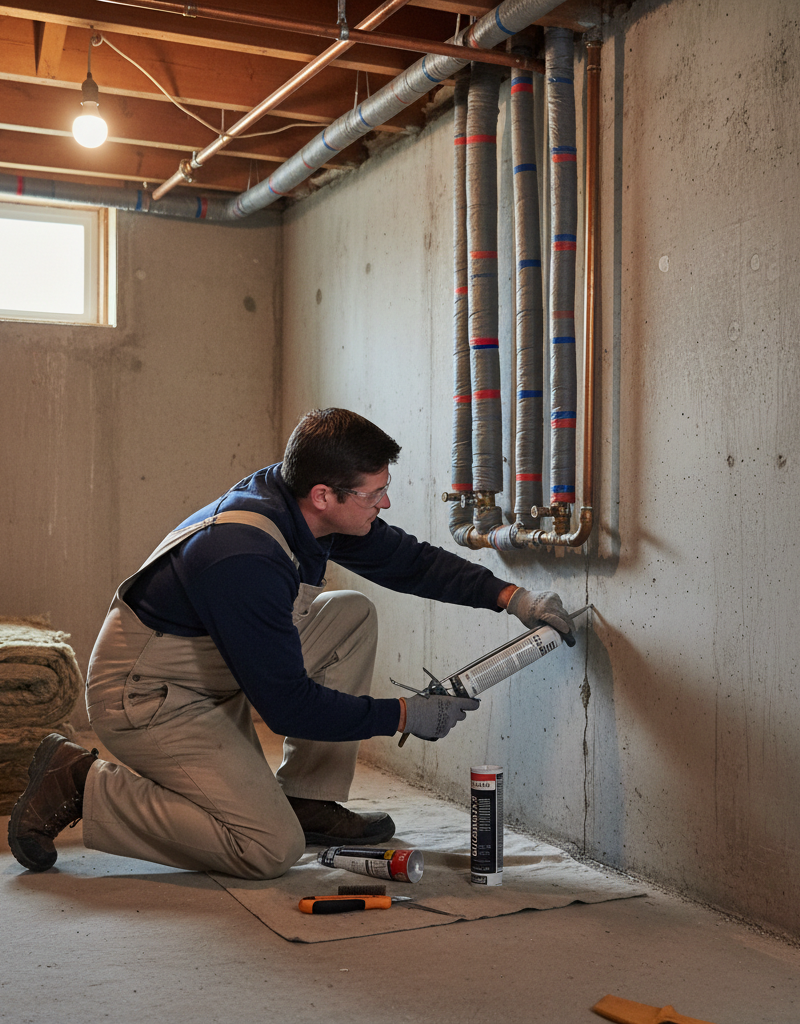
Inspect exterior walls, foundations, and around utility penetrations (where pipes or wires enter the house) for gaps and cracks. Seal these openings with caulk or expanding foam sealant. Pay particular attention to areas near plumbing. Even small drafts can significantly lower the temperature of nearby pipes.
- Tools: Caulk gun, caulk, expanding foam sealant, utility knife (for trimming foam).
5. Maintain Indoor Heat – Keep your house consistently warm
During cold snaps, avoid setting your thermostat below 55°F (13°C), even if you're away. The cost of a slightly higher heating bill is far less than the cost of burst pipes. Keep interior doors (especially to cabinets under sinks on exterior walls) open to allow warm air to circulate. If you have a basement or crawl space, ensure any vents are closed to prevent cold air from entering.
- Pro Tip: If you go on vacation, have a trusted neighbor check your home regularly, or install a smart thermostat that allows remote monitoring and temperature adjustment.
6. Let Faucets Drip (During Extreme Cold) – Relieve pressure, don't prevent freezing
In severe cold weather, when temperatures are expected to drop below 20°F (-7°C) or remain below freezing for extended periods, open both hot and cold faucets slightly to allow a slow, steady drip. The goal isn't to prevent the water from freezing entirely (it might still freeze), but to relieve pressure in the pipes, reducing the risk of a burst if an ice plug forms. A pencil-sized stream is usually sufficient.
Common Causes
- Lack of Insulation: Uninsulated pipes in unheated areas (crawl spaces, attics, garages, exterior walls) are the leading cause.
- Outdoor Hose Bibs: Forgetting to disconnect hoses and drain outdoor spigots allows water to freeze and back up into interior plumbing.
- Extreme Cold Snaps: Prolonged periods of sub-freezing temperatures, especially when combined with wind chill.
- Poorly Sealed Homes: Air leaks in the foundation, around windows, or utility penetrations allow cold air to reach pipes.
- Thermostat Set Too Low: Lowering the thermostat too much, especially overnight or when away, can drop pipe temperatures below freezing.
- Unheated Spaces: Basements, attics, and garages that are not adequately heated provide prime conditions for pipes to freeze.
Common Mistakes
- Shutting off Heat Completely When Away: While trying to save money, turning off your heat leaves pipes vulnerable. Maintain at least 55°F.
- Ignoring Crawl Spaces/Attics: These areas are often overlooked but are highly susceptible to freezing due to lack of insulation and exposure to cold air.
- Draining Pipes Without Closing Shut-off Valves: If you drain a pipe but don't close its corresponding shut-off, water will simply refill it.
- Relying Only on Insulation: Insulation slows heat transfer but doesn't generate heat. In extreme cold, it needs supplemental heat or dripping faucets.
- Not Disconnecting Garden Hoses: This is a very common and easily preventable mistake that can lead to burst internal pipes.
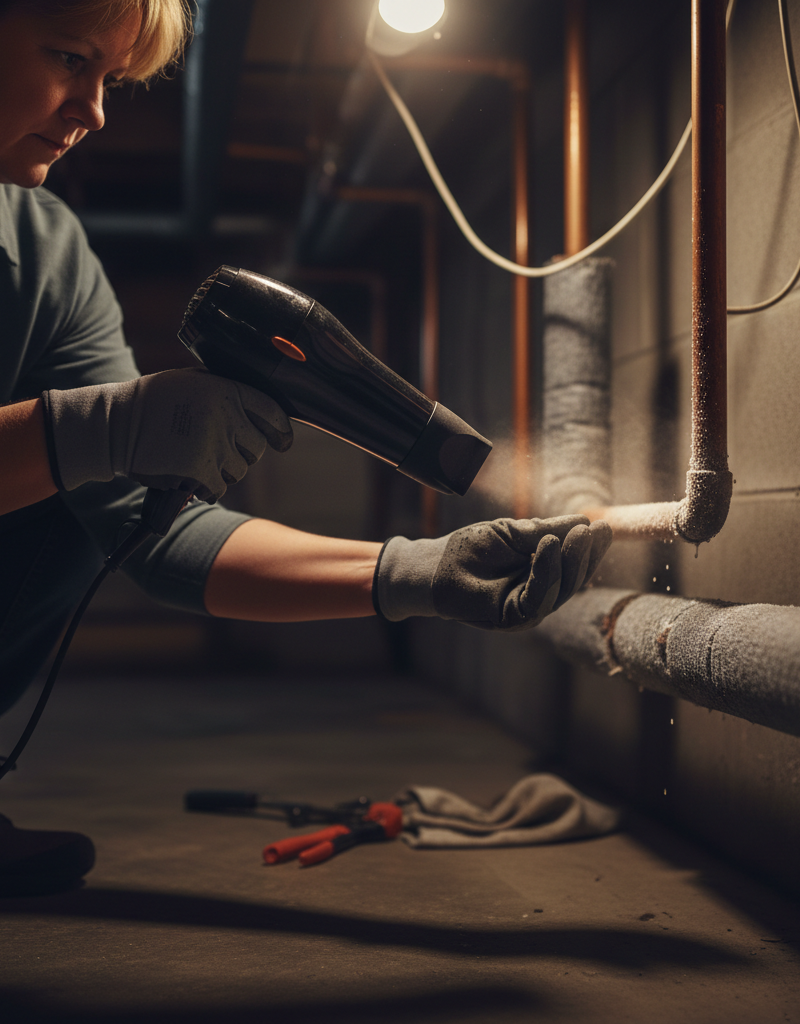
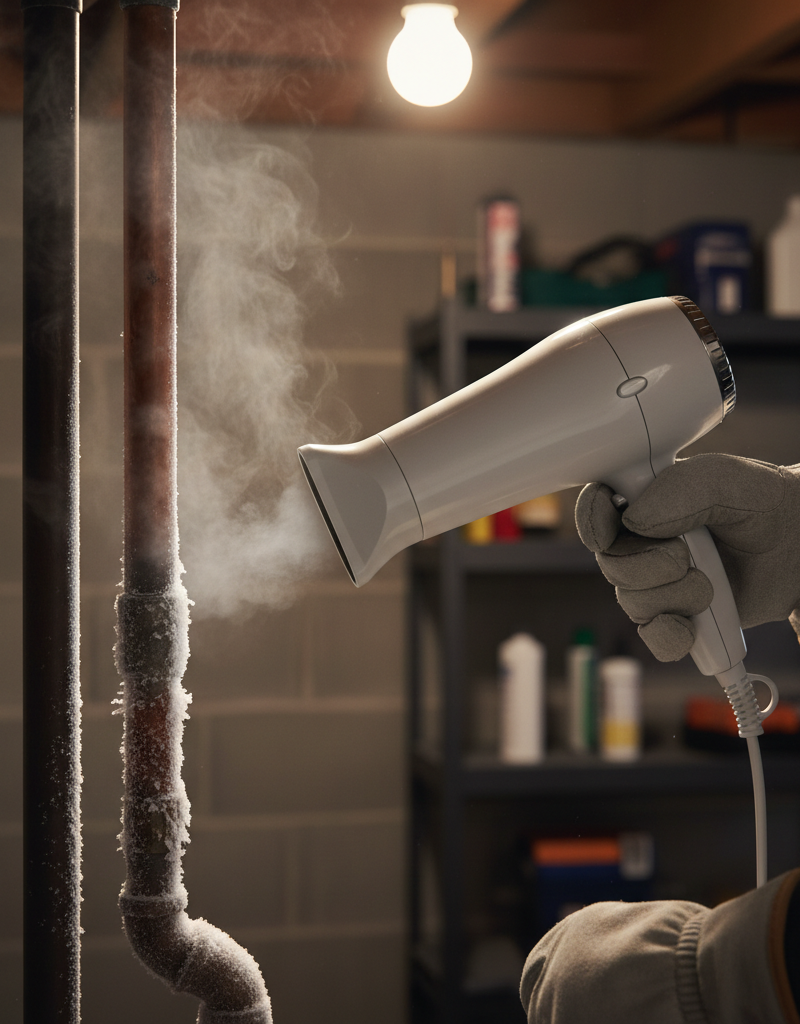
- Using a Hair Dryer to Thaw: While tempting, a hair dryer provides too little heat over too large an area to be truly effective for a large ice blockage and can overheat or even melt plastic pipes if held too close for too long. For thawing, use a space heater in a safe, well-ventilated area, or hot towels.
Cost & Time Breakdown
| Task | DIY Cost | Pro Cost | Time |
|---|---|---|---|
| Pipe Insulation (Materials) | $20–$100 | N/A | 1–3 hours |
| Caulk/Sealant | $10–$30 | N/A | 30 min – 2 hours |
| Hose Bib Covers | $5–$20 | N/A | 5 minutes |
| Heat Tape/Cable (Materials) | $30–$150 | N/A | 1–2 hours |
| Professional Pipe Freezing Scan | N/A | $150–$300 | 1–2 hours |
| Burst Pipe Repair | $50–$500+ | $500–$5,000+ | 4 hours – 3 days |
Tips & Prevention
- Install Frost-Free Hose Bibs: If you routinely forget to drain traditional hose bibs, replace them with frost-free versions that have an internal shut-off valve.
- Insulate Water Heaters: While not preventing pipe freezing, insulating your water heater tank can help maintain water temperature in nearby pipes, especially during power outages.
- Know Your Home's Cold Spots: Pay attention during extremely windy or cold days. Which rooms feel coldest? Which pipes are exposed? This knowledge helps target your efforts.
- Plan for Vacations: If leaving for an extended period in winter, consider shutting off your main water supply and draining your pipes. Consult a plumber first for proper procedure.
- Emergency Kit: Keep a small space heater and basic plumbing tools handy in case you need to thaw a visible, accessible frozen pipe safely.
- Annual Check-up: Before winter, do an annual check of vulnerable pipes, insulation, and exterior seals. Replace or repair as needed.
When to Call a Professional
Call a licensed plumber immediately if you suspect a deeply frozen pipe, discover a burst pipe, or detect any signs of water damage like sudden drops in water pressure, unexplained wet spots on walls or ceilings, or pooling water. Do not attempt DIY repairs on gas lines connected nearby, or if the frozen pipes are inaccessible within walls or ceilings, as improper thawing can lead to further damage. If you're unsure of the location of your main water shut-off valve or how to safely address the issue, a professional can quickly assess the situation, safely thaw pipes using specialized equipment, and make lasting repairs. Waiting can turn a manageable issue into an expensive disaster with extensive water damage and potential mold growth.
Related Articles
Keep troubleshooting with these hand-picked guides from FixlyGuide:
- The 7 Critical Mistakes That Lead to Burst Pipes (And How to Stop Them Now) — Learn the seven critical mistakes homeowners make that lead to burst pipes and discover actionable steps to prevent this costly winter disa…
- The #1 Mistake Homeowners Make When Protecting Pipes From Freezing — Preventing frozen pipes is crucial for winter home maintenance. Learn the key mistake homeowners make and how to properly prepare your plum…
- The 3 Hidden Reasons Your Pipes Freeze (And How to Thaw Them Fast) — Discover the real culprits behind frozen pipes and learn a step-by-step method to safely thaw them, preventing costly damage.
- The $2 Trick to Stop a Running Toilet (Plumbers Don't Want You to Know) — Discover the simple, two-dollar fix that can stop your running toilet in minutes, saving water and preventing costly repairs.
- The Nasty Truth About Your Smelly Bathroom Sink — And the 2-Ingredient Trick to Fix It — Uncover the hidden reasons behind that foul odor wafting from your bathroom sink drain and learn a simple, two-ingredient solution to banis…
- The Secret to Lush Raised Beds? It's Not Just About How You Water — Smart irrigation for raised garden beds isn't just about automation; it's about delivering the right amount of water precisely when your pl…
Frequently asked questions
How cold does it have to be for pipes to freeze?+
Pipes can begin to freeze when outdoor temperatures drop to 32°F (0°C). However, the risk increases significantly when temperatures are consistently below 20°F (-7°C), especially for pipes exposed to cold drafts or lacking insulation.
Should I let my faucet drip during a freeze?+
Yes, during extreme cold, letting a faucet drip slightly can help prevent burst pipes. The moving water (even a drip) reduces pressure buildup between the main water supply and a potential ice blockage, lessening the chance of a rupture if the pipe does freeze.
Can I use a hair dryer to thaw a frozen pipe?+
While a hair dryer can work for small, easily accessible frozen sections, it's generally not recommended for significant blockages. For larger or less accessible areas, a space heater (kept at a safe distance from flammable materials) or wrapping pipes with hot towels are safer and often more effective methods. Never use an open flame.
What's the riskiest area for frozen pipes?+
Crawl spaces, unheated basements, attics, and exterior walls (especially under sinks or behind showers) are the riskiest areas for frozen pipes. Outdoor hose bibs that aren't drained and disconnected are also extremely vulnerable and can lead to internal pipe bursts.
Discussion
Loading comments…