Tools & materials you'll need
Affiliate links- AmazonFlashlightFor inspecting the electrical panel and outlets.
- AmazonElectrical outlet testerHelps determine if outlets are live or properly wired.
- AmazonCircuit breaker finder1 · Optional, but very helpful for identifying which outlets/fixtures are on a circuit.
- AmazonScrewdriver setPhilips and flathead, for removing outlet or switch covers (only if comfortable and power is OFF).
- AmazonInsulated glovesFor added safety when working near electrical components, though not a substitute for turning off power.
- AmazonPen and paperTo map out circuits and note troubleshooting steps.
As an Amazon Associate FixlyGuide earns from qualifying purchases — at no extra cost to you. Prices and availability are accurate as of publication and subject to change.
Quick Answer
A circuit breaker tripping repeatedly is a clear signal that something is wrong with your electrical system. While an overloaded circuit is the most common culprit, don't overlook other serious issues like short circuits, ground faults, or even a failing circuit breaker itself. Identifying the problem involves observing when it trips, what is plugged in, and what was recently used. Always prioritize safety and, when in doubt, call a qualified electrician.
The Problem
You're trying to enjoy your home, but the lights suddenly go out, or an appliance stops working. You head to the electrical panel, flip the breaker back on, and everything seems fine for a while—then it happens again. A constantly tripping circuit breaker isn't just an annoyance; it's your electrical system's way of telling you there's a problem that needs attention. Ignoring it can lead to damaged appliances, wiring issues, and, in severe cases, even electrical fires. The good news is that many common causes of tripping breakers can be identified and often resolved by a homeowner with basic troubleshooting skills, though some situations will always require a professional.
How It Works
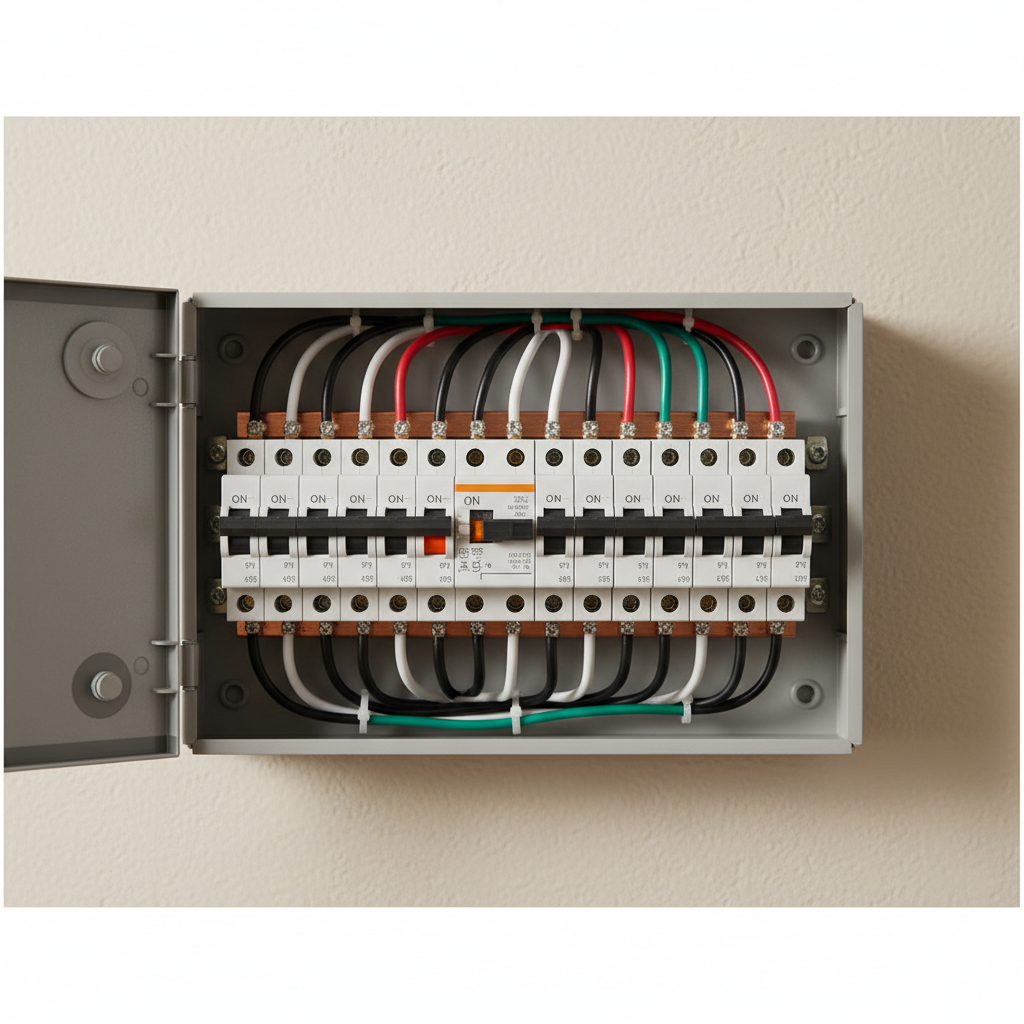
To understand why a circuit breaker trips, it helps to know what it's designed to do. Think of your circuit breaker as an automatic safety switch for your home's electrical wiring. Electrical current flows from your utility company, through your meter, into your main service panel, and then is distributed through individual circuit breakers to various circuits (groups of outlets, lights, or appliances) throughout your home.
Each circuit breaker is rated for a specific amperage (e.g., 15 amps, 20 amps). This rating corresponds to the safe current capacity of the wiring it protects. When the electrical current flowing through a circuit exceeds its rated amperage, the breaker's internal mechanism heats up (a bimetallic strip bends) or detects a magnetic surge (from a short circuit), causing it to 'trip.' Tripping effectively breaks the circuit, stopping the flow of electricity to prevent the wiring from overheating, melting, or starting a fire. This is a critical safety feature. Common types of breakers include standard thermal-magnetic breakers, GFCI (Ground Fault Circuit Interrupter) breakers that protect against ground faults, and AFCI (Arc Fault Circuit Interrupter) breakers that detect dangerous electrical arcs.
Step-by-Step Fix
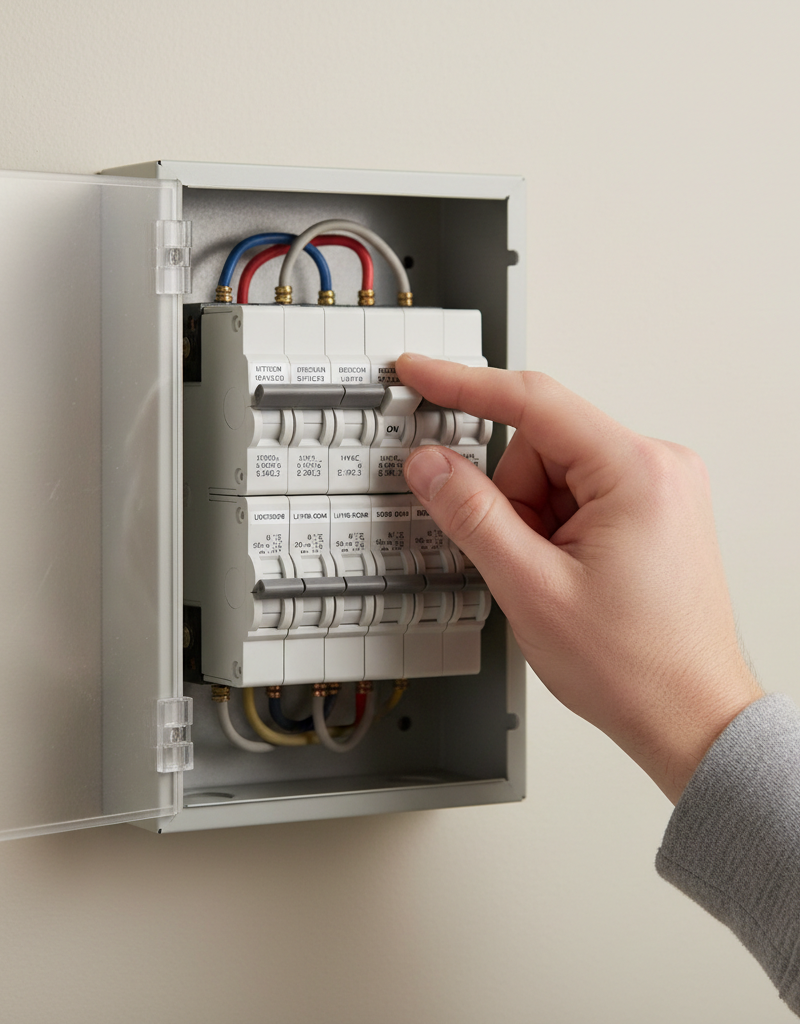
1. Identify the Tripped Breaker — Start at your electrical panel and locate the breaker that is in the 'off' position or halfway between 'on' and 'off.'
- Safety Note: Always be careful around your electrical panel. Keep it dry and avoid touching internal components. If you notice any burning smells or visible damage, stop and call an electrician immediately.
- Often, the tripped breaker will be visibly out of alignment with the others. Sometimes, it might be subtly off, so look closely.
2. Reset the Breaker Properly — To reset a tripped breaker, firmly push it completely to the 'off' position first, then firmly push it to the 'on' position.
- Don't just flip it on: For safety mechanisms to fully reset, you must push the breaker fully to 'off' before pushing it to 'on.'
- If it immediately trips again, do not force it. There's an active problem that needs diagnosis, and repeatedly resetting it can be dangerous.
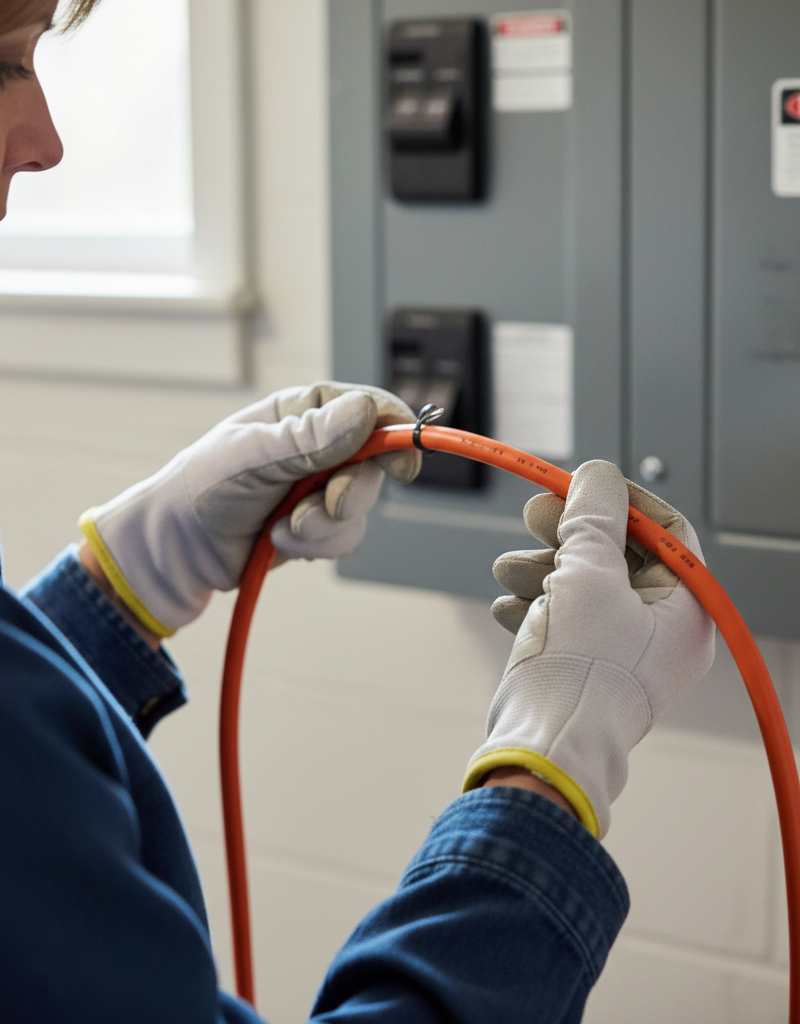
3. Unplug Appliances on the Circuit — Identify all devices and appliances connected to the tripped circuit and unplug them.
- Methodical Check: Start with large appliances like microwaves, hair dryers, toasters, and space heaters, as these consume significant power.
- If you're unsure which outlets are on the circuit, you may need to use a circuit breaker finder or systematically test outlets after tripping the breaker again.
4. Isolate the Cause: Overloaded Circuit? — With everything unplugged, reset the breaker. If it stays on, plug devices back in one by one until it trips again.
- The Culprit: The last device you plugged in, or the combination of devices that caused the trip, is likely drawing too much power for that circuit.
- Solution: Redistribute high-power-demand devices to different circuits if possible, or avoid using too many simultaneously.
5. Isolate the Cause: Short Circuit/Ground Fault? — If the breaker trips immediately even with nothing plugged into the circuit, you likely have a more serious wiring issue.
- Look for Damage: Inspect visible outlets, switches, and appliance cords for signs of burning, frayed wires, or moisture.
- GFCI/AFCI Distinction: If it's a GFCI or AFCI breaker tripping with nothing plugged in, it's almost certainly detecting a ground fault or arc fault within the wiring itself or a hardwired appliance (like a garbage disposal or ceiling fan), indicating a serious internal wiring issue or faulty device.
- Pro Callout: Do not attempt to fix internal wiring yourself. This is where you call a licensed electrician. They have diagnostic tools like megohmmeters to safely test for shorts and ground faults.
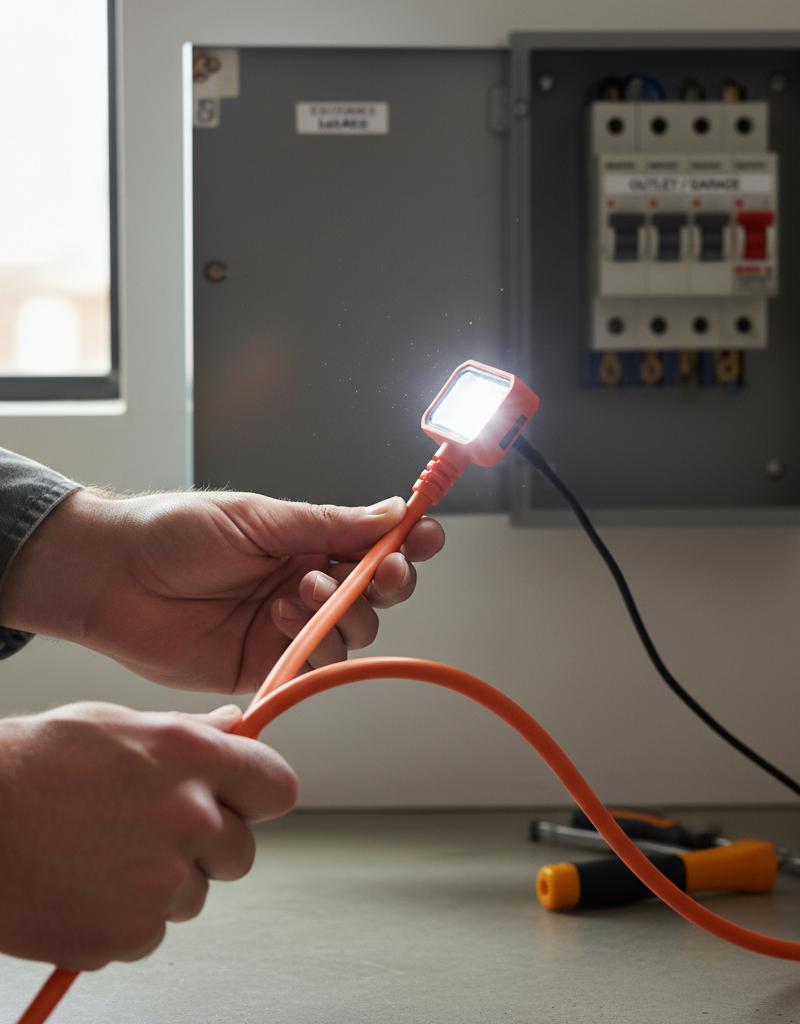
6. Test for a Faulty Appliance — If the breaker trips only when a specific appliance is plugged in (and it’s not an overload situation), that appliance may be faulty.
- Temporary Test: Try plugging the suspected appliance into a different, known-good circuit (but be mindful of overloading that circuit). If it trips the new circuit, the appliance is the problem.
- Repair or Replace: Faulty appliances can have internal shorts. Repair or replace the appliance. Don't use a damaged appliance that causes a breaker to trip.
7. Consider a Failing Breaker — If you've ruled out overloading, shorts, and faulty appliances, the breaker itself might be weak or defective.
- Symptoms: A breaker that trips randomly, even with minimal load, or one that feels unusually hot to the touch, could be failing.
- Observation: Check if other breakers of the same age are experiencing similar issues. Breakers do wear out over time.
- Pro Callout: Replacing a circuit breaker involves working inside the main electrical panel. This is high-voltage work and should only be done by a licensed electrician. Never attempt this yourself.
Common Causes
- Circuit Overload: The most frequent offender. Too many high-power-draw devices (hair dryers, space heaters, microwaves, VACUUMS) operating simultaneously on a single circuit demand more current than the circuit wiring can safely handle, causing the breaker to trip.
- Short Circuit: Occurs when a hot wire touches a neutral wire or another hot wire. This creates a low-resistance path, causing a sudden, massive surge in current. Common causes include damaged appliance cords, loose wiring in outlets/switches, or faulty internal appliance wiring. Short circuits often cause an immediate, forceful, and sometimes audible trip.
- Ground Fault: Similar to a short circuit, but occurs when a hot wire touches a ground wire or the grounded part of an appliance or structure (like a metal conduit or water pipe). This also creates an unintended path for electricity, leading to a sudden current surge. Most common in areas with water (kitchens, bathrooms, outdoors) and are protected by GFCI (Ground Fault Circuit Interrupter) outlets or breakers.
- Faulty Appliance: An internal wiring issue or component failure within an appliance can create a short circuit or draw excessive current, causing the breaker to trip whenever that appliance is plugged in or turned on.
- Loose Wiring: Over time, wire connections within outlets, switches, or the electrical panel can loosen. Loose connections create resistance, generate heat, and can lead to intermittent tripping or even fire hazards. This is more common in older homes.
- Failing Circuit Breaker: Like any mechanical device, circuit breakers can wear out over time. They may become
Related Articles
Keep troubleshooting with these hand-picked guides from FixlyGuide:
- The Hidden Reason Your Circuit Breaker Keeps Tripping (It's Not Always an Overload) — Discover the often-overlooked causes behind a frequently tripping circuit breaker and learn how to diagnose and fix them safely.
- The Hidden Reason Your Extension Cord Keeps Tripping the Breaker (and What to Do) — Discover why your extension cord might be tripping a circuit breaker and learn how to diagnose and fix common electrical issues safely.
- The Hidden Reason Your GFCI Won't Reset (And It's Not Always a Short) — Discover the often-overlooked culprits behind a GFCI outlet that refuses to reset and learn how to safely diagnose and fix the issue yourse…
- Why Your Extension Cord Keeps Tripping the Breaker (And the Simple Test to Find the Hidden Cause) — Discover why your extension cord keeps tripping the circuit breaker and learn how to safely diagnose and fix the real problem with a simple…
- The 7 Head-Scratching Reasons Your Outlet Died (Even With The Breaker On) — Discover the surprising reasons why an electrical outlet might stop working even when its circuit breaker is fully engaged, and how to safe…
- The Hidden Reason Your GFCI Trips (It's Not Always a Faulty Outlet) — A continuously tripping GFCI outlet is a critical safety warning, often indicating moisture, a faulty appliance, or a wiring problem that r…
Frequently asked questions
How do I know if it's an overload or a short circuit?+
An overload typically happens when you plug in or turn on one too many devices, causing the breaker to trip, but it usually resets and holds unless those same devices are on again. A short circuit often trips the breaker immediately and forcefully, even with minimal load, and may even spark or emit a burning smell. If it trips repeatedly with nothing plugged in, it's likely a short or ground fault.
Can a faulty appliance cause a breaker to trip?+
Yes, absolutely. If an appliance has damaged internal wiring, a heating element shorting out, or simply draws too much current due to an internal fault, it can easily trip a circuit breaker. Try plugging the suspect appliance into a different, known-good circuit to test if it's the culprit.
Is it dangerous if my circuit breaker keeps tripping?+
Yes, it can be. While circuit breakers are safety devices designed to prevent hazards, a repeatedly tripping breaker indicates an underlying problem. Overloads can damage appliances and wiring over time, while short circuits and ground faults can generate significant heat, pose shock hazards, and even lead to electrical fires if not addressed promptly. Never ignore a frequently tripping breaker.
Discussion
Loading comments…