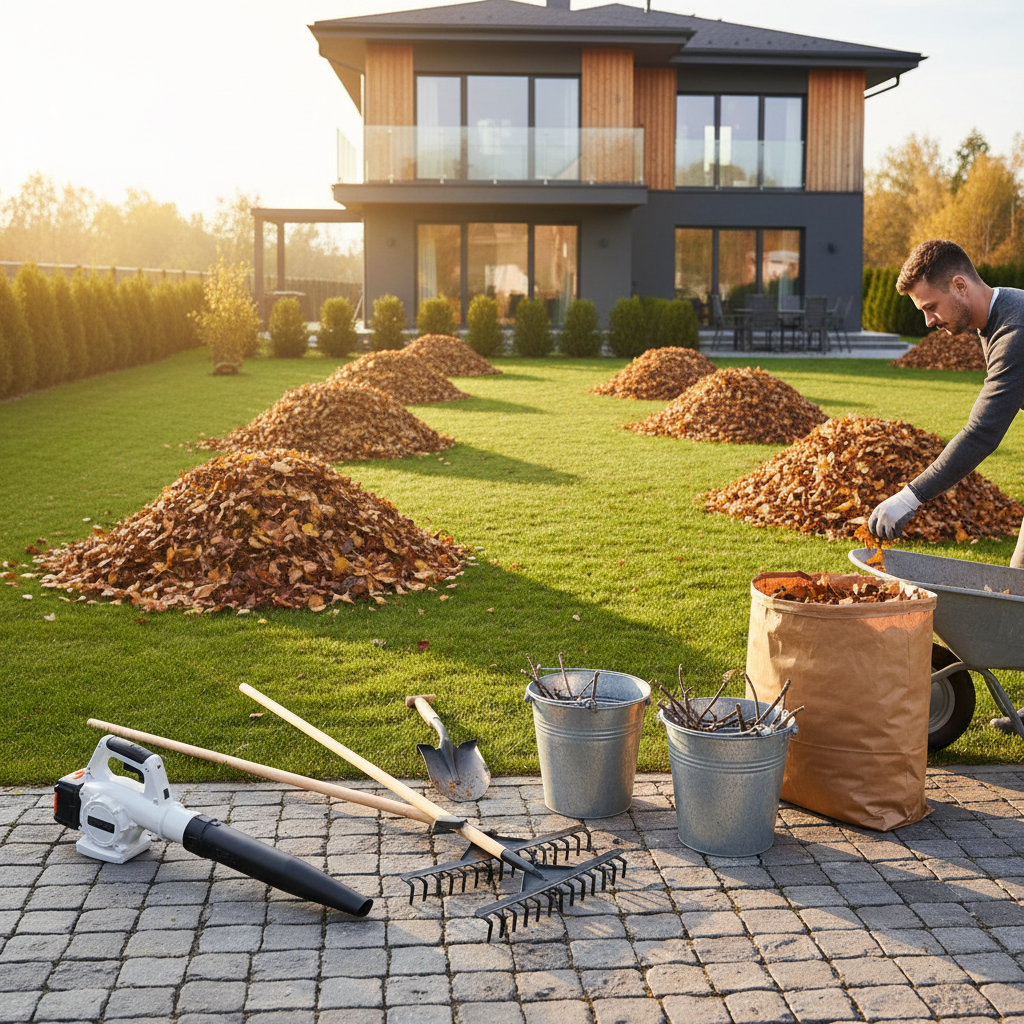
Tools & materials you'll need
Affiliate linksAs an Amazon Associate FixlyGuide earns from qualifying purchases — at no extra cost to you. Prices and availability are accurate as of publication and subject to change.
Quick Answer
Optimized fall yard cleanup goes beyond basic raking. It involves precise timing for leaf removal, proper lawn winterization techniques, strategic pruning, gutter clearing, and smart tool maintenance. Addressing these often-overlooked aspects now ensures a healthier spring landscape and prevents expensive issues like ice dams, pest infestations, and fungal diseases.
The Problem
Many homeowners view fall yard cleanup as a simple chore: rake leaves, maybe cut the grass one last time. However, this approach misses critical steps essential for protecting your home and landscape during winter and setting the stage for a vibrant spring. Overlooked details in fall cleanup can lead to a host of expensive and frustrating problems: compacted soil, dormant diseases, pest overwintering, damaged turf, starved plants, and even structural damage from clogged gutters. Without a strategic approach, you're not just tidying up; you're often inadvertently creating ideal conditions for next season's headaches.
For example, leaving a thick layer of leaves on your lawn deprives the grass of sunlight and smothers it, creating a perfect breeding ground for snow mold. Improper winterization of sprinkler systems can lead to burst pipes when temperatures drop. Neglecting to prune dead or diseased branches before winter exacerbates growth issues and creates hazards during snow and ice storms. And skipping gutter cleaning can result in costly ice dams, water damage to your roof, fascia, and foundation. This article will equip you with a plan to avoid these common pitfalls and ensure your fall efforts genuinely benefit your home and yard.
How It Works
To understand why certain fall cleanup choices are critical, consider the natural cycles at play. As daylight shortens and temperatures drop, plants enter a dormant state, preparing for winter. Deciduous trees shed their leaves, not as a random act, but as an adaptive strategy to conserve water and energy when photosynthesis is no longer efficient. These fallen leaves, in a natural forest, decompose and return nutrients to the soil. However, in a managed lawn, an excessive layer can suffocate grass and harbor fungal spores.
Lawn Health: Grass, though appearing dormant, is still active in fall. It's absorbing nutrients and strengthening its root system in preparation for winter dormancy and spring growth. A late-season fertilization, often specific for 'winterizer' blends, provides these essential nutrients. Mowing too short stresses the grass, while leaving it too long encourages matting and mold. The ideal height helps insulate the crowns and trap snow for moisture.
Gutter Function: Gutters and downspouts are designed to divert thousands of gallons of water away from your home's foundation. When clogged with leaves, pine needles, and shingle grit, they become ineffective. Water overflows, saturating fascia boards, seeping into attics, and pooling around the foundation. In freezing temperatures, this trapped water expands, forming ice dams that can lift shingles and drive meltwater under your roof, causing significant damage.
Pest Control: Many common garden pests (e.g., slugs, squash bugs, earwigs) and some rodents seek sheltered spots to overwinter. Overgrown garden beds, piles of debris, and uncleaned sheds offer ideal havens. Removing these reduces overwintering populations, leading to fewer pests in the spring. Similarly, fungal spores, like those causing black spot on roses or powdery mildew, can overwinter on fallen leaves and infected plant material.
Tool Longevity: Your lawnmower, trimmers, and other power equipment are complex machines. Leaving fuel in carburetors over winter can lead to varnish buildup, clogging fuel lines and orifices, and causing hard starting or engine failure in spring. Neglecting to clean blades and surfaces allows rust and corrosion to set in, reducing efficiency and requiring more effort for spring startup.
Step-by-Step Fix
By strategically addressing these common mistakes, you can significantly enhance your fall cleanup effectiveness.
-
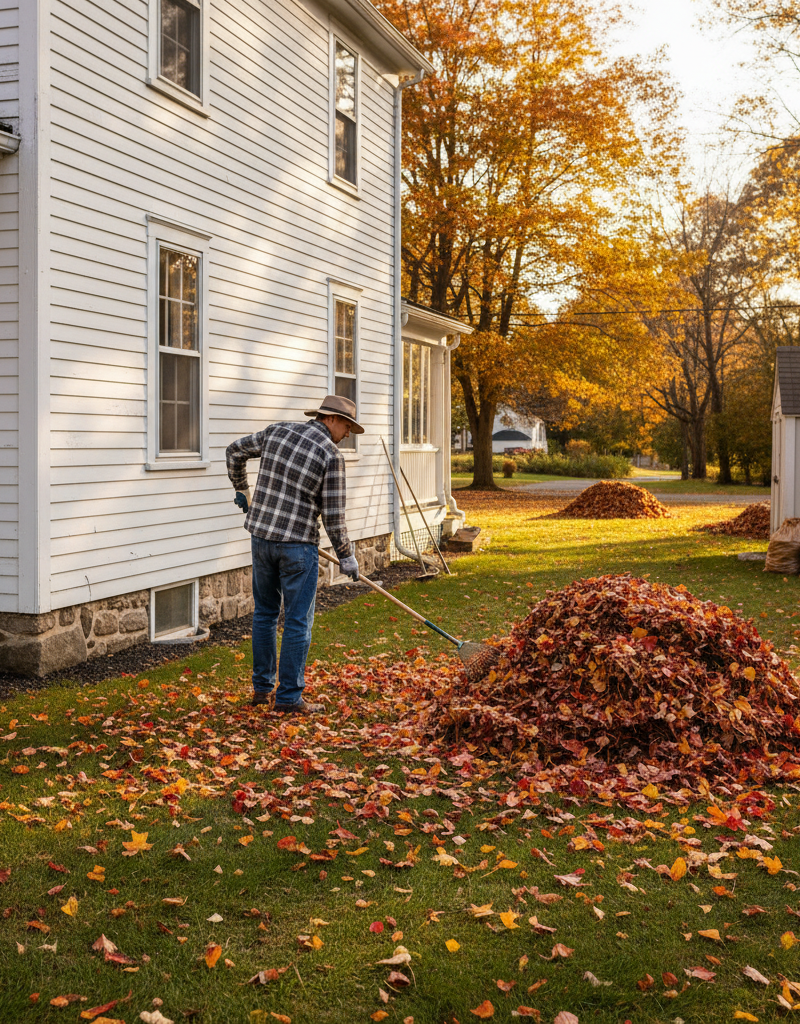
Stop Raking Too Early – Master the Timing – Don't rush to clear every leaf the moment they start falling. Wait until the majority of leaves have dropped from your trees, usually after the first hard frost. This maximizes efficiency and prevents you from having to do the job multiple times. Aim for one thorough cleanup rather than several partial ones.
- If you have a lot of leaves: Consider mulching them into your lawn with a mower (if they're not too thick) or using a leaf blower/vac for easier collection.
- Pro Tip: For large properties, rent or borrow a leaf vacuum or commercial-grade blower. It can save hours.
-
Mow One Last Time at the Right Height – Protect Your Lawn – Don't scalp your lawn, but don't leave it too tall either. The ideal height for the final mow before winter dormancy is 2 to 2.5 inches. This length is short enough to prevent matting and discourage snow mold, but long enough to protect the grass crowns and roots from extreme cold.
- Tools: Standard lawnmower with sharp blades.
- Check: Ensure your mower blades are sharp. Dull blades tear grass, inviting disease.
-
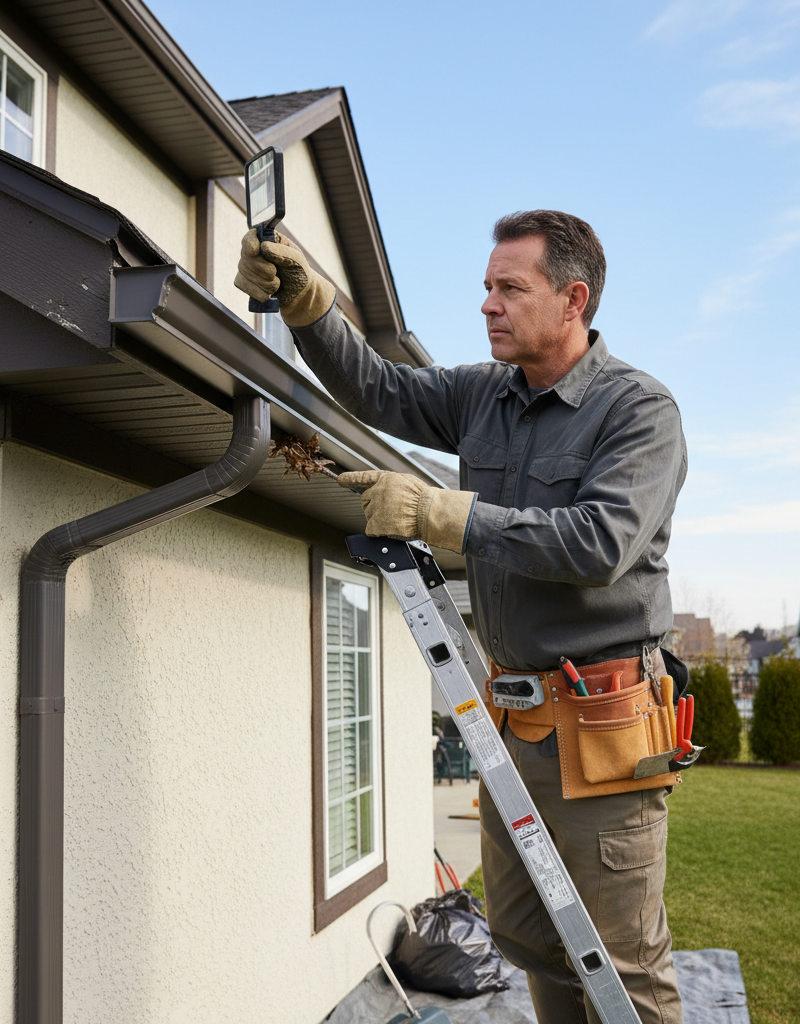
Clean Out Your Gutters Thoroughly – Prevent Costly Water Damage – Leaves, shingle grit, and debris accumulate rapidly. Clogged gutters lead to overflow, fascia rot, foundation issues, and dangerous ice dams. Clear gutters by hand, with a scoop, or a specialized gutter cleaning tool. Flush with a hose afterward to ensure proper drainage.
- Safety First: Always use a sturdy ladder and have a spotter. Never overreach. Wear gloves to protect your hands from sharp debris and possible pests.
- Look for: Check downspouts for blockages. If water doesn't flow freely, use a plumber's snake or power washer on a low setting.
-
Winterize Your Sprinkler System Properly – Avoid Burst Pipes – If you have an in-ground sprinkler system, it must be blown out with an air compressor before the first hard freeze. Residual water in the lines will freeze, expand, and shatter PVC pipes, spray heads, and backflow preventers, leading to expensive repairs in spring.
- WARNING: This is a job often best left to professionals if you don't have experience with air compressors and blow-out valves. Incorrect pressure can damage your system.
- DIY if experienced: Use an air compressor (5-10 CFM, 80-100 PSI setting). Start at the furthest zone and introduce air slowly, allowing water to evacuate completely from each zone.
-
Clean and Store Garden Tools Right – Ensure Longevity and Performance – Don't just toss your tools into the shed. Dirt, sap, and moisture left on pruners, shovels, and hoes lead to rust and dull blades, shortening their lifespan. Clean all tools thoroughly with a wire brush and soapy water. Dry them completely, then apply a light coat of oil (linseed oil for wooden handles, WD-40 or similar for metal parts) to prevent rust. Sharpen blades, if necessary, and store them neatly.
- For Power Tools: Drain fuel from gas-powered equipment or add a fuel stabilizer. Remove batteries from cordless tools and store them in a cool, dry place.
- Check for: Any damaged parts or loose bolts on trimmers, mowers, and blowers. Repair or replace them now.
-
Don't Forget a Late-Season Fertilizer – Nourish Your Lawn – A
Related Articles
Keep troubleshooting with these hand-picked guides from FixlyGuide:
- The 5 Autumn Lawn Mistakes That Invite Winter Pests (And How to Fix Them in 90 Minutes) — Ignoring these crucial fall yard cleanup steps can create a perfect breeding ground for pests, leading to costly problems come spring.
- The 3 Hidden Reasons Your Baseboards Are Pulling Away (And How to Fix It FAST) — Don't ignore separating baseboards—they’re not just an eyesore. Learn the surprising culprits behind the gaps and how to permanently fix th…
- The 3 Washing Machine Mistakes That Cost You Hundreds (And How to Fix Them Forever) — Avoid costly repairs and premature replacement by learning three common washing machine mistakes and how to fix them for good.
- The 7 Sneaky Ways Spring Damages Your Home (And How to Stop Them Now) — Uncover the hidden threats spring poses to your home, from subtle water damage to pest invasions, and get actionable steps to protect your…
- The 7 Sneaky Home Problems Spring Reveals (Before They Cost You Thousands) — Spring weather can expose hidden issues around your home that could lead to costly repairs if not addressed proactively.
- The 7 Critical Yard Prep Steps Smart Homeowners Never Skip After Winter — Don't just rake! Learn the essential, often-missed steps to prepare your yard for a lush, healthy spring and summer.
Get the print-ready PDF of this guide
A clean, ad-free, printable version you can keep on your phone or pin to the workshop wall. We'll also send occasional weekly tips matched to your home situation.
- Print-optimized layout
- Tools, materials & every step included
- Unsubscribe anytime
Frequently asked questions
Is it better to mulch or bag leaves in the fall?+
For most lawns, mulching leaves is often better than bagging, provided the leaf layer isn't too thick. Mulched leaves break down, returning valuable nutrients to the soil. If leaves are too dense (more than an inch or two deep), bagging or composting is preferable to prevent smothering your grass and encouraging fungal diseases.
When is the best time to do the final lawn mow in fall?+
The best time for the final lawn mow is typically after most dormancy for grass to absorb critical nutrients before winter. Aim for a height of 2 to 2.5 inches. This length helps protect the grass crowns from cold while preventing matting and snow mold.
How often should I clean my gutters in the fall?+
At a minimum, gutters should be cleaned twice in the fall: once after the majority of leaves have fallen from nearby deciduous trees, and again right before winter sets in to ensure they are clear of any last-minute debris or pine needles. Properties with many surrounding trees might benefit from more frequent checks.
What's a 'winterizer' fertilizer and is it necessary?+
A 'winterizer' fertilizer is a specific blend, usually higher in potassium, applied in late fall. It's designed to promote root growth, improve water absorption, and enhance the grass's resistance to winter stress and diseases, rather than promoting top growth. It is highly recommended for a healthier spring lawn.

Discussion
Loading comments…