Tools & materials you'll need
Affiliate links- AmazonSafety gloves1 pair
As an Amazon Associate FixlyGuide earns from qualifying purchases — at no extra cost to you. Prices and availability are accurate as of publication and subject to change.
Quick Answer
When your heat pump struggles to heat your home in cold weather, the most common underlying issue is often a problem with the defrost cycle, leading to excessive ice buildup on the outdoor unit's coil. This ice acts as an insulator, severely reducing the unit's ability to absorb heat from the chilly outdoor air and transfer it indoors. Addressing a faulty defrost sequence or manually defrosting the unit can frequently restore its heating performance.
The Problem
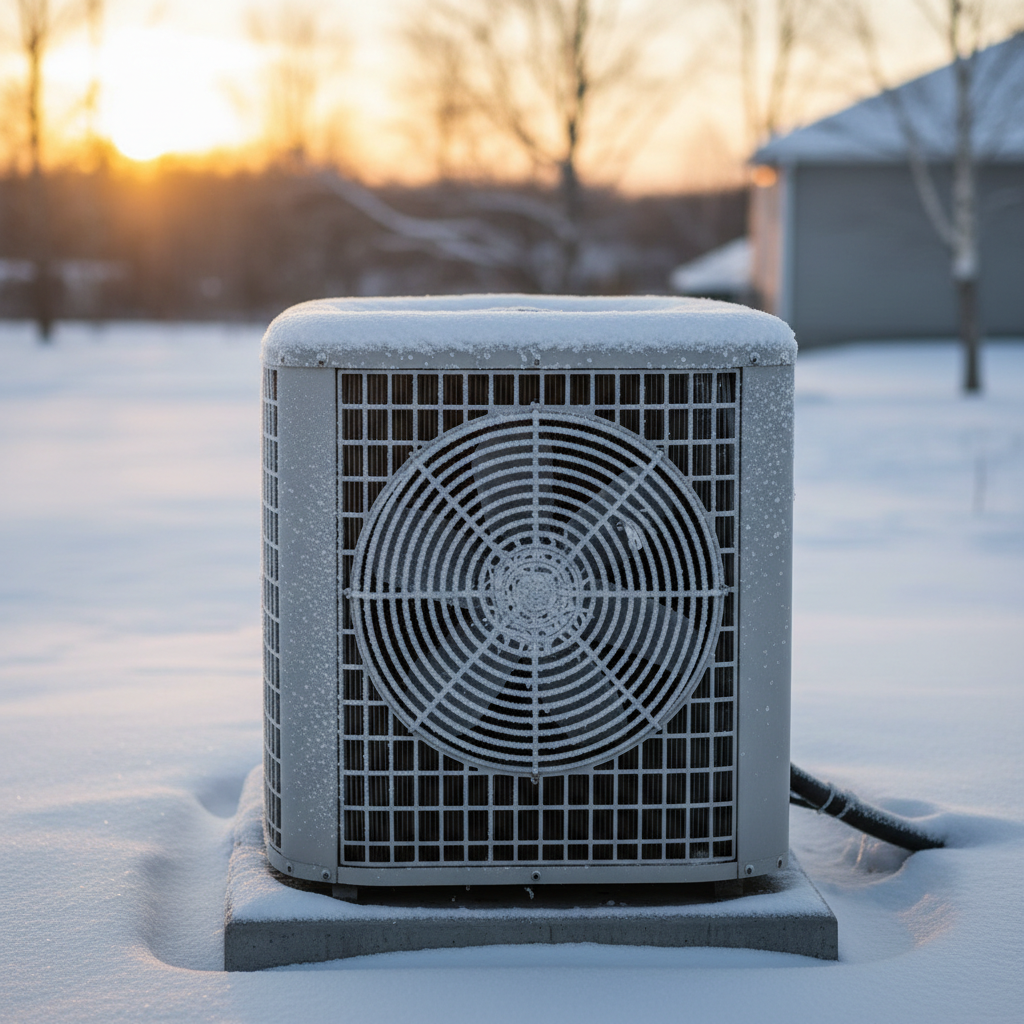
You wake up to a cold house, and your heat pump, which usually keeps you cozy, is blowing cool air or simply not keeping up with the chill outside. You glance at the outdoor unit to find it encased in a thick layer of ice – far more than just a light frost. This isn't just cosmetic; it's a critical malfunction preventing your system from doing its job. A heat pump's efficiency drops dramatically when its outdoor coil is covered in ice because it can't absorb enough thermal energy from the ambient air. In extreme cases, this can lead to system lockout or damage if not addressed.
How It Works
A heat pump operates by moving heat, rather than generating it. In heating mode, it extracts latent heat from the outdoor air, even when temperatures are near or below freezing, and transfers it indoors. This is achieved through a cycle of refrigerant compression and expansion. The refrigerant, at a low temperature and pressure, absorbs heat from the outdoor air as it passes through the outdoor coil. It then travels to the indoor coil, where it releases the absorbed heat into your home, warming the air.
However, when outdoor temperatures drop close to freezing and humidity is present, moisture in the air can condense and freeze on the cold outdoor coil, forming frost. To counteract this, heat pumps are equipped with a defrost cycle. This cycle is typically initiated by a defrost control board based on temperature and time parameters (e.g., every 30, 60, or 90 minutes when the coil temperature is below a certain threshold). During defrost, the system temporarily reverses the refrigerant flow, essentially running in AC mode for a few minutes. This sends hot refrigerant through the outdoor coil, melting the ice. Simultaneously, the outdoor fan typically shuts off to accelerate ice melt, and auxiliary heating (if installed) may engage indoors to prevent a blast of cold air. A properly functioning defrost cycle is crucial for a heat pump's efficiency and ability to heat in cold climates. If this cycle fails, ice accumulates, blocking airflow and heat transfer, leading to poor heating performance.
Step-by-Step Fix
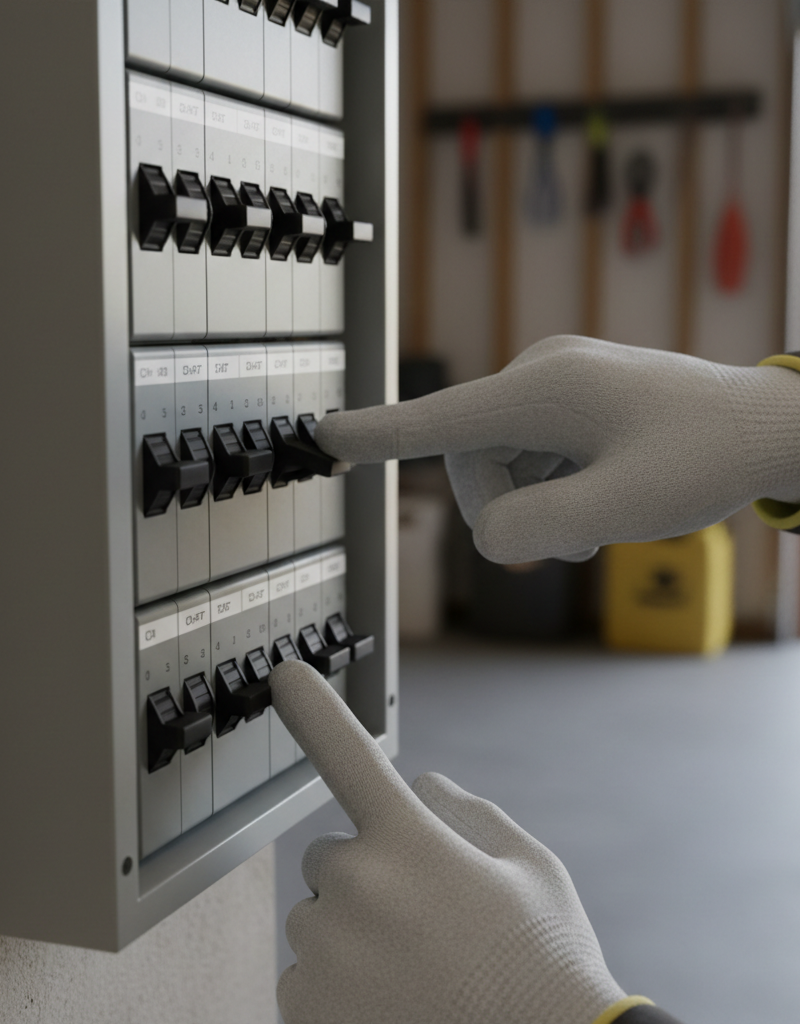
Safety First: Always turn off power to your outdoor unit at the service disconnect switch (usually located near the unit) or at your main electrical panel before performing any work. Wear appropriate gloves and eye protection.
-
Inspect the Outdoor Unit for Ice Buildup — Look for a thick layer of ice. Carefully observe the outdoor coil. A light, even layer of frost is normal and should be handled by the defrost cycle. However, if you see significant ice accumulation, especially on the lower sections or extending into the fan blades, you likely have a defrost issue.
- If no ice is present, but the unit isn't heating: Your issue might be a refrigerant leak, compressor problem, or reversing valve malfunction. Call a professional.
-
Manually Defrost the Unit (If Heavily Iced) — Melt the ice safely. With the power OFF, gently pour warm (not hot, and definitely not boiling) water over the iced sections of the coil. Alternatively, you can let the unit sit with the power off for several hours, allowing the ice to melt naturally. NEVER use sharp objects, hammers, or ice picks to chip away ice, as this can severely damage the delicate aluminum fins and copper tubing within the coil.
- Tools: Watering can or garden hose with warm water.
-
Check Defrost Control Board Sensor — Locate and inspect the sensor. After the ice has melted and the power is off, locate the defrost sensor. This small, often bulb-shaped or cylindrical sensor is usually clipped to one of the copper lines on the outdoor coil or connected to the defrost control board. It measures the coil's temperature. Look for visible damage, corrosion on the wiring, or if it has come loose from its mounting.
- If damaged or loose: Gently reseat or replace if visibly broken.
- Testing (advanced DIY): With a multimeter set to ohms, test the sensor's resistance. Consult your unit's service manual for expected resistance values at different temperatures. A faulty sensor might show an open circuit or wildly incorrect readings.
-
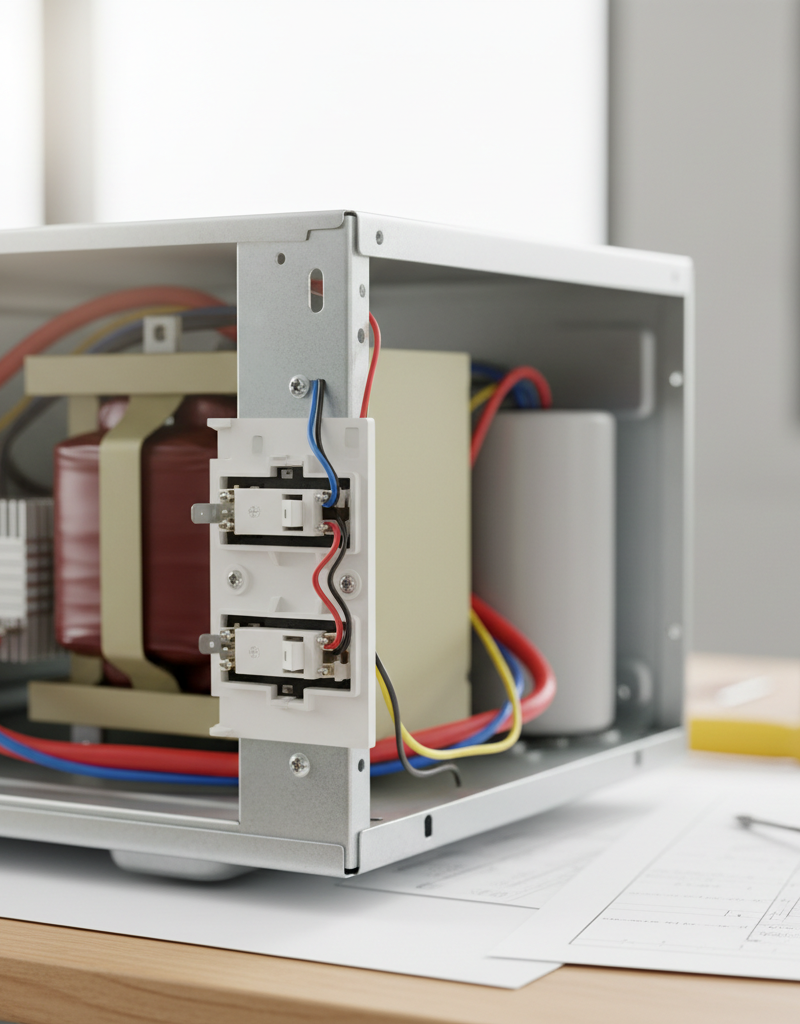
Inspect Defrost Control Board — A common failure point. The defrost control board is typically located within the outdoor unit's control panel. With the power OFF, carefully open the panel. Look for signs of burning, bulging capacitors, or corrosion on the board itself. These are indicators of a faulty board.
- If visible damage: The board will need to be replaced.
-
Examine the Reversing Valve (Briefly) — It shifts heating/cooling. While less common for only defrost issues, a stuck reversing valve can indirectly cause icing or poor heating. With the power ON and the unit trying to heat, listen for the reversing valve to 'thunk' or 'click' when it shifts modes (this is subtle). If it's stuck, the system won't properly switch into defrost mode. This is a complex component and usually requires a professional to diagnose and replace.
-
Check Outdoor Fan Operation — Ensures proper airflow. During normal heating operation, the outdoor fan should run. During a defrost cycle, it should typically shut off briefly to allow the hot refrigerant to melt the ice more effectively. If the fan isn't running at all when the unit is trying to heat, it could be a bad fan motor or capacitor, leading to coil icing. If the fan runs during defrost, it prevents effective de-icing.
- Testing: With power ON, observe the fan. If it doesn't spin, power OFF, check for obstructions, or test the fan capacitor and motor (requires multimeter and electrical knowledge).
-
Ensure Proper Airflow Around the Unit — Clear obstructions. Make sure there are no leaves, debris, snow, or overgrown shrubs blocking the airflow around the outdoor unit. A blockage reduces heat transfer efficiency and can contribute to premature icing. Maintain at least 2 feet of clear space on all sides of the unit.
Common Causes
- Faulty Defrost Control Board: This is the brain of the defrost cycle. A failing board may not initiate defrost, may initiate it too infrequently, or may not terminate it correctly. Electrical surges, old age, or manufacturing defects can cause failure.
- Defective or Misplaced Defrost Sensor: If the sensor that measures the coil temperature is faulty, it won't accurately signal the board when defrost is needed. If it's loose or fallen off the coil, it will give incorrect readings.
- Low Refrigerant Charge: While not a direct defrost issue, low refrigerant can cause the outdoor coil to run exceptionally cold, leading to excessive ice formation that the defrost cycle struggles to manage. It also severely impacts heating performance.
- Blocked Outdoor Coil or Restricted Airflow: Dirt, leaves, or snow buildup on the coil or around the unit can restrict airflow, causing the coil to run colder and ice up faster than the defrost cycle can handle.
- Stuck Reversing Valve: If the reversing valve is stuck in the cooling position or partially stuck, the system may struggle to properly execute the defrost cycle, as it relies on temporarily switching to cooling mode to send hot refrigerant to the outdoor coil.
- Malfunctioning Outdoor Fan: If the outdoor fan isn't running, or runs too slowly, proper heat transfer can't occur, leading to ice buildup. If it runs during the defrost cycle, it blows away the heat trying to melt the ice.
Common Mistakes
- Ignoring the Ice Accumulation: Many homeowners see ice and assume it's normal winter operation. Excessive ice indicates a problem that needs attention, not just patience.
- Using Sharp Tools to Remove Ice: Scraping, chipping, or hammering ice can easily puncture the delicate aluminum fins and copper refrigerant lines, leading to very costly refrigerant leaks and system damage.
- Not Shutting Off Power: Attempting to inspect or work on the outdoor unit without first shutting off the electrical power at the service disconnect or breaker panel is extremely dangerous and can lead to electric shock.
- Assuming Refrigerant is the Only Problem: While low refrigerant can cause icing, it's not the only culprit. Jumping straight to refilling refrigerant without proper diagnosis is a common, often expensive, mistake that doesn't address the root cause.
- Blocking Drain Holes: The outdoor unit has drain holes at its base to allow melted ice to exit. If these become blocked by ice or debris, water can accumulate and refreeze, exacerbating the problem.
Cost & Time Breakdown
| Task | DIY cost | Pro cost | Time |
|---|---|---|---|
| Manual Defrost & Inspection | $0 | $100-$200 | 30-60 minutes |
| Replace Defrost Sensor | $20-$50 | $150-$300 | 1-2 hours |
| Replace Defrost Control Board | $100-$300 | $300-$600 | 1-3 hours |
| Clean Outdoor Coil / Area | $0-$10 | $100-$200 | 30-60 minutes |
| Fan Motor/Capacitor Repair | $50-$200 | $300-$700 | 2-4 hours |
| Refrigerant/Reversing Valve | N/A (Pro Only) | $400-$1500+ | Varies |
Tips & Prevention
- Regular Coil Cleaning: Annually, especially before winter, gently clean the outdoor coil with a soft brush and a hose to remove dirt, leaves, and debris. Ensure fins are straight.
- Maintain Clearances: Keep the area around your outdoor unit clear of snow, leaves, tall grass, and shrubs. Aim for at least 2 feet of clear space on all sides and above.
- Monitor Defrost Cycles: On very cold, humid days, visibly check your outdoor unit every few hours. It should periodically go into defrost mode (outdoor fan stops, steam may rise from the unit, and ice melts). The cycle typically lasts 5-15 minutes.
- Check Drain Holes: Ensure the drain holes at the base of the unit are clear of ice and debris. Proper drainage prevents water from collecting and refreezing.
- Annual Professional Maintenance: Have a licensed HVAC technician inspect your heat pump annually. They can check refrigerant levels, electrical components, and the defrost system's operation, addressing small issues before they become major problems.
When to Call a Professional
While manual defrosting and basic inspection are well within a homeowner's capabilities, several situations warrant calling a licensed HVAC professional. If your heat pump continues to ice up frequently after you've cleared obstructions and manually defrosted it, or if you suspect a faulty defrost control board or sensor and aren't comfortable with electrical diagnostics and component replacement, a professional is needed. You absolutely must call a professional if you suspect a refrigerant leak (evidenced by oil stains near connections or a noticeable drop in heating performance not tied to icing), if the compressor is making unusual noises, or if the outdoor fan isn't operating. Dealing with refrigerant lines, electrical control boards beyond simple visible inspection, or the reversing valve requires specialized tools, training, and certifications. Attempting these repairs yourself can lead to dangerous electrical shock, further damage to your expensive HVAC system, or environmental harm due to refrigerant release. A professional can accurately diagnose complex issues, safely replace components, and ensure your system is operating at peak efficiency.
Related Articles
Keep troubleshooting with these hand-picked guides from FixlyGuide:
- The #1 Mistake Homeowners Make When Heat Pumps Stop Heating in Winter — Discover the crucial mistake most homeowners make when their heat pump struggles in cold weather and how to fix it, potentially saving hund…
- The #1 Reason Your AC Blows Warm Air (And It's Not What You Think) — Discover the most common and often overlooked reason your AC might be blowing warm air, and how a simple capacitor fix can restore cool air.
- The $5 Part That Stops Your Dryer From Heating (And How to Replace It in 30 Min) — Discover the most common, inexpensive culprit behind a dryer not heating up and learn how to quickly diagnose and replace it yourself.
- The #1 Gutter Mistake That Leads to $10,000 Roof Damage — Learn the most common gutter-cleaning mistake homeowners make and how to properly maintain your gutters to prevent expensive roof damage.
- The #1 Mistake Homeowners Make With Their AC (and the $50 Fix) — Discover the most common and costly mistake homeowners make with their AC system and how a simple, affordable fix can prevent expensive rep…
- The #1 Mistake Homeowners Make When a Gas Burner Won't Light (And the Easy Fix) — Before you call a technician, discover the most common, overlooked reason your gas stove burner isn't lighting and how to fix it yourself i…
Get the print-ready PDF of this guide
A clean, ad-free, printable version you can keep on your phone or pin to the workshop wall. We'll also send occasional weekly tips matched to your home situation.
- Print-optimized layout
- Tools, materials & every step included
- Unsubscribe anytime
Frequently asked questions
Why does my heat pump get covered in ice?+
A heat pump's outdoor coil naturally gets cold during heating mode, causing moisture in the air to condense and freeze onto it. This is normal. However, excessive ice buildup indicates a problem with the defrost cycle, which is designed to melt this ice periodically.
Is it normal for my heat pump to defrost?+
Yes, it is completely normal and necessary for your heat pump to go into defrost mode during cold weather. This cycle melts accumulated ice off the outdoor coil to maintain efficiency. You might see steam rising from the unit and hear a different sound during this time.
How often should a heat pump defrost?+
The frequency of defrost cycles varies depending on outdoor temperature, humidity, and the specific heat pump's programming. It can range from every 30 minutes to every 90 minutes when conditions call for it. If your unit is constantly iced over, it's not defrosting often or effectively enough.
Can low refrigerant cause my heat pump to freeze?+
Yes, low refrigerant can cause the outdoor coil to run at an abnormally low temperature, which can lead to excessive and rapid ice formation that the defrost cycle struggles to manage. This also significantly reduces heating capacity.
What tools do I need to fix a frozen heat pump?+
For basic troubleshooting and manual defrosting, you'll need warm water in a watering can or hose, safety gloves, and potentially a screwdriver to access control panels. For electrical diagnostics or component replacement, a multimeter will be necessary, but this often requires professional expertise.
When should I manually defrost my heat pump?+
If you observe thick ice covering the outdoor coil and the unit is not effectively heating, a manual defrost is a safe first step. Ensure the power is OFF, and use only warm water for melting, never sharp objects.
Discussion
Loading comments…