Tools & materials you'll need
Affiliate linksAs an Amazon Associate FixlyGuide earns from qualifying purchases — at no extra cost to you. Prices and availability are accurate as of publication and subject to change.
Quick Answer
Catching a roof leak before it becomes a catastrophic problem can save you thousands of dollars and countless headaches. The key is knowing what to look for, even when the signs aren't obvious. Most homeowners wait for the tell-tale ceiling stain, but by then, significant damage has often occurred. Instead, focus on proactive attic inspections for subtle signs of moisture or discoloration on wood and insulation, and address common culprits like loose or damaged shingles and compromised flashing with simple, targeted repairs.
The Problem
A seemingly minor roof leak can quickly escalate into a major home repair nightmare. Water intrusion can lead to damaged ceilings, ruined insulation, weakened structural components, and dangerous mold growth. The insidious nature of roof leaks means they often go unnoticed until visible damage appears inside your home, by which time the underlying structure may have been compromised. The most common leaks stem from mundane issues like a single misaligned shingle, a dried-out caulk joint around a vent, or a nail pop that has worked its way through the shingle. Ignoring these small problems allows water to steadily seep in, causing cumulative damage over months or even years.
How It Works
Your roof is designed as a multi-layered defense system against the elements. The outermost layer of shingles, tiles, or metal panels sheds water. Beneath this, an underlayment (often felt paper or synthetic material) provides a secondary barrier, preventing water from reaching the roof deck if it gets past the primary layer. The roof deck, typically plywood or OSB, forms the structural base. Flashing – thin sheets of metal or plastic – is strategically installed around penetrations like chimneys, vents, and skylights, directing water away from these vulnerable points. When a defect occurs in any of these layers, water finds a path. For example, a cracked shingle allows water to penetrate the underlayment. If the underlayment is also compromised, or if water bypasses it through a loose nail, water then drips onto the roof deck. From there, it follows gravity, often traveling several feet horizontally along rafters or joists before dripping onto insulation or pooling in a ceiling void. This "traveling" water is why the interior stain might not be directly below the actual leak source on the roof, making diagnosis tricky. Understanding this journey water takes is crucial for effective leak detection.
Step-by-Step Fix
1. Gear Up Safely — Don your work gloves and choose a calm, dry day. Safety is paramount when working on a ladder or roof. If you are uncomfortable with heights, or if your roof has a steep pitch (greater than 6/12) or is wet, slippery, or compromised, do not proceed and call a professional.
* **Safety Note:** Always use a sturdy, well-maintained ladder. Have a spotter if possible. Never work on a roof alone, especially if it's wet or windy. Wear non-slip shoes with good grip.
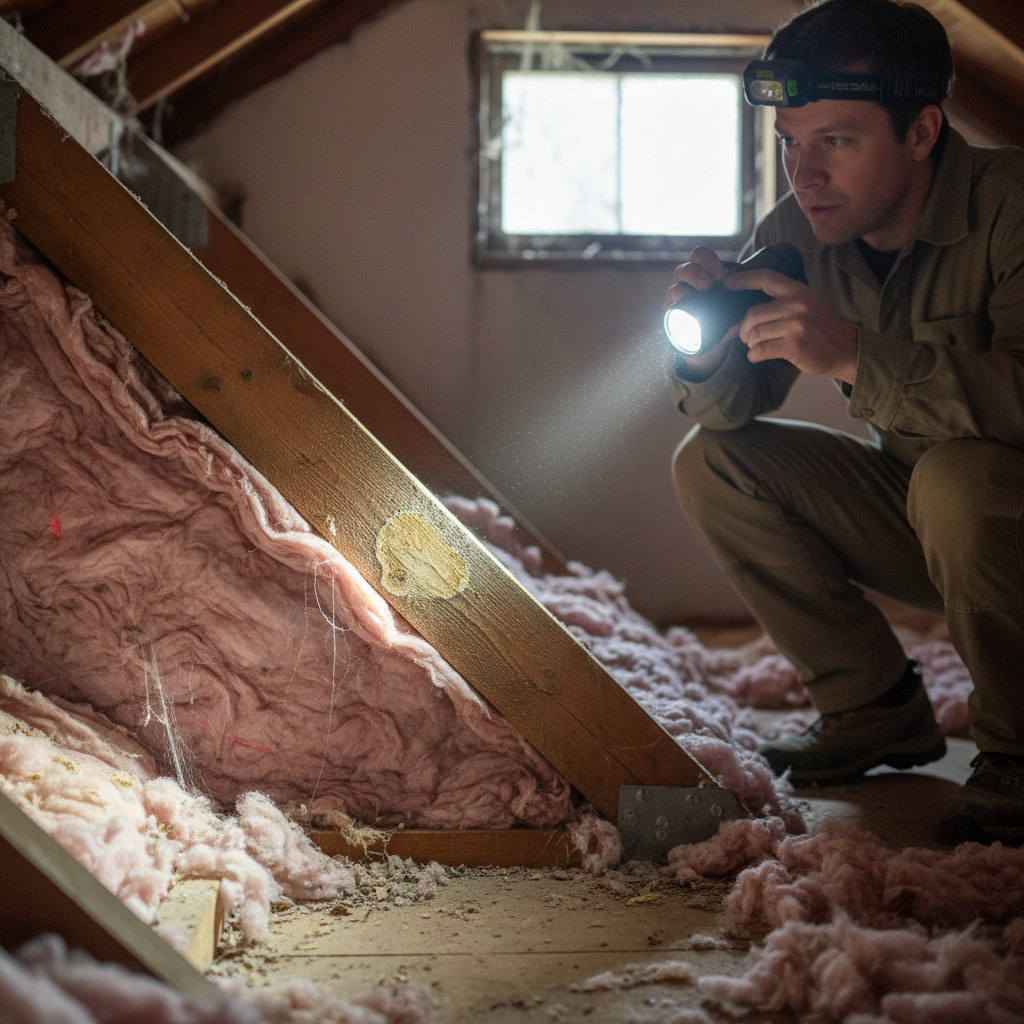
2. Pinpoint the Leak Inside — Start in your attic to find initial clues. Look for water stains, discoloration, or dampness on the underside of the roof sheathing, rafters, or insulation. Note the exact location.
*   **Pro Tip:** If the leak isn't obvious, use a flashlight. Check for moldy smells, which indicate prolonged moisture.
*   **If this doesn't work:** The leak might be traveling. Try to trace the water marks back uphill to their highest point on the sheathing.
3. Inspect the Roof Surface — Once you've identified the general area from the inside, carefully access your roof. Look for damaged, cracked, missing, or curling shingles directly above or near the interior stain.
* **Tools:** Binoculars can help with an initial ground-level inspection. A sturdy ladder is essential for close-up work.
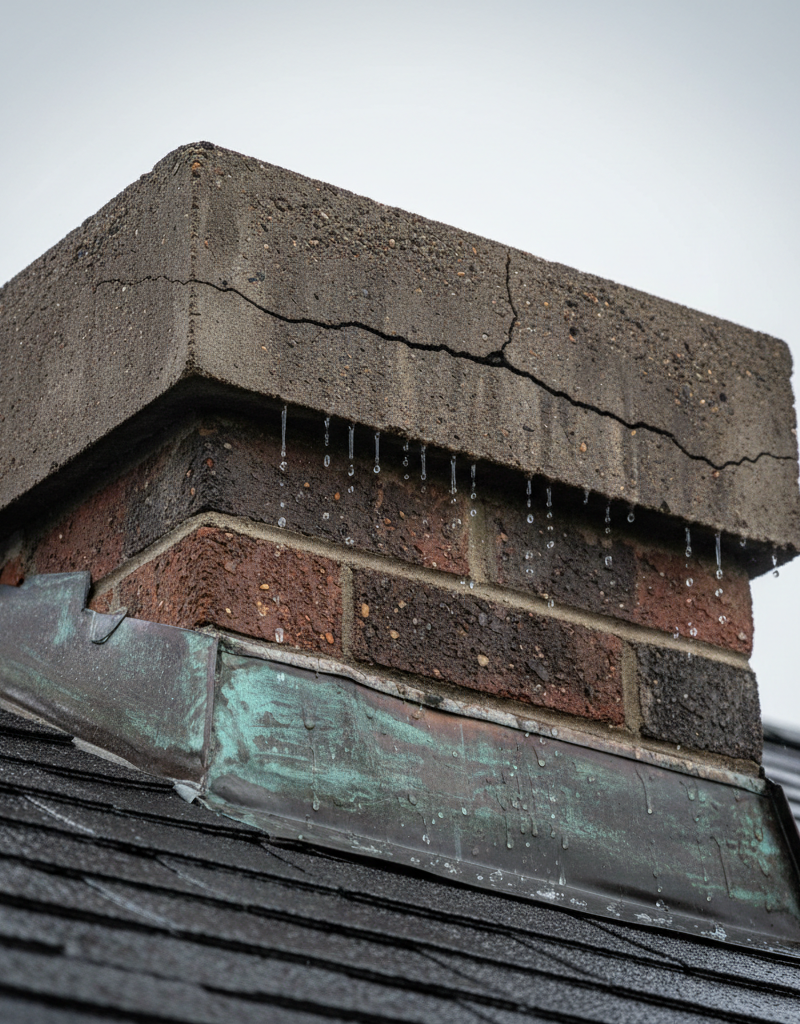
4. Examine Flashing and Vents — Pay close attention to areas around chimneys, skylights, plumbing vents, and valleys. These are common leak points due to flashing issues or degraded sealants.
* **Spotting:** Look for cracked caulk, rusted metal, loose flashing, or missing sealant. Punctures from falling tree branches also damage flashing.
5. Address Nail Pops — Lift loose shingles gently to inspect for "nail pops." These occur when nails back out slightly, creating a tiny channel for water. This is a very common source of small, persistent leaks.
* **How-to:** Gently tap the nail back down with a hammer. If it doesn't hold, pull it out completely and replace it with a slightly longer, corrosion-resistant roofing nail, driving it at an angle next to the original hole. Apply a dab of roofing cement over the nail head.
6. Seal Minor Cracks and Gaps — For small shingle cracks or tiny gaps around flashing, apply a bead of roofing cement or an elastomeric sealant.
* **Material:** Use a high-quality, weather-resistant roofing cement in a caulk gun. Avoid silicone caulk, as it often doesn't adhere well to asphalt shingles long-term.
7. Repair Damaged Shingles — For a single cracked or broken shingle, you might be able to slide a new one underneath. Larger damaged areas require more extensive repair.
* **Replacement:** Carefully lift the overlapping shingles, remove the nails from the damaged shingle, slide it out, and replace it with a new one. Secure with new roofing nails covered with roofing cement.
8. Check Gutters and Downspouts — Clogged gutters can cause water to back up under shingles, leading to leaks.
* **Maintenance:** Clear leaves and debris from gutters and make sure downspouts are directing water away from the foundation.
Common Causes
- Damaged or Missing Shingles: Wind, hail, and age can cause shingles to crack, curl, or blow off, exposing the underlayment.
- Compromised Flashing: Around chimneys, skylights, and vents, flashing can rust, separate, or be improperly installed, creating pathways for water.
- Nail Pops: Nails used to secure shingles can work their way up over time, creating a small hole that allows water to penetrate.
- Clogged Gutters: When gutters overflow, water can pool at the edge of the roof and seep underneath shingles or fascia boards.
- Cracked Vent Boots: The rubber or plastic collar around plumbing vents can deteriorate from UV exposure, leading to cracks and leaks.
- Age and Wear: Over time, the entire roofing system deteriorates, making it more susceptible to leaks as materials become brittle or loose.
Common Mistakes
- Ignoring Small Stains: Many homeowners dismiss tiny attic stains, assuming they're old or inconsequential. Even a dime-sized damp spot warrants investigation.
- Sealing on a Wet Roof: Applying caulk or roofing cement to a damp surface prevents proper adhesion, leading to a quick seal failure.
- Using the Wrong Sealant: Clear silicone caulk is great for bathrooms but incompatible with many roofing materials. Use asphalt-based roofing cement or an exterior elastomeric sealant.
- Walking on a Wet or Hot Roof: A wet roof is extremely slippery and dangerous. A hot asphalt roof can deform and damage shingles underfoot, exacerbating issues.
- "Blind" Patching: Sealing the interior ceiling stain without finding and fixing the source on the roof is a temporary cosmetic fix that allows damage to continue.
- Overlooking Vent Boots: Many focus on shingles but forget that vent boots, often made of plastic or rubber, degrade faster than other roofing components.
Cost & Time Breakdown
| Task | DIY Cost | Pro Cost | Time |
|---|---|---|---|
| Attic Inspection | $0 | $100–$250 | 15–30 minutes |
| Minor Shingle Repair | $10–$50 | $150–$300 | 30–60 minutes |
| Nail Pop Fix | $5–$20 | $100–$200 | 15–30 minutes |
| Flashing Re-sealing | $15–$50 | $150–$350 | 30–90 minutes |
| Vent Boot Replacement | $20–$60 | $200–$400 | 1–2 hours |
| Gutter Cleaning | $0–$20 | $75–$200 | 30–60 minutes |
Tips & Prevention
- Annual Attic Check: Make it a point to inspect your attic annually, preferably after a heavy rain or snowmelt, specifically looking for water stains, damp insulation, or mold.
- Monthly Exterior Scan: From the ground with binoculars, visually inspect your roof for obvious damage like missing shingles, curled edges, or loose flashing. Do this monthly.
- Clean Gutters Regularly: Clear leaves and debris from gutters at least twice a year, or more frequently if you have nearby trees, to ensure proper drainage.
- Trim Overhanging Branches: Keep tree branches trimmed away from your roof to prevent damage from friction, falling limbs, and to reduce debris accumulation.
- Check Sealants: Every few years, inspect the caulk and sealants around chimneys, skylights, and vents. Reapply if you see cracking or deterioration.
- Know Your Roof's Age: Asphalt shingle roofs typically last 20-30 years. If your roof is approaching the end of its lifespan, invest in routine inspections and consider budgeting for replacement.
When to Call a Professional
While identifying and fixing minor roof leaks can be a rewarding DIY project, there are clear instances when calling a licensed professional is essential for safety and effective repair. If you are uncomfortable working on a ladder or the roof, if your roof has a very steep pitch, or if you suspect extensive damage beyond a simple patch (e.g., widespread rot, multiple missing shingles over a large area, or structural concerns), stop immediately and contact a professional. Also, if you cannot pinpoint the source of the leak after a thorough inspection or if previous DIY attempts have failed, a roofer has the experience and specialized equipment to diagnose complex issues. Any leak involving a main chimney stack for a gas appliance or a compromise to the structural integrity of your roof should always be handled by qualified experts. They can ensure the repair is done safely, correctly, and will last.
Related Articles
Keep troubleshooting with these hand-picked guides from FixlyGuide:
- The Silent Destroyer: 7 Hidden Signs Your Roof Has a Leak (Before You Need a New Ceiling) — Catching roof leaks early can save your home from extensive damage and costly repairs. Learn the subtle indicators that reveal hidden water…
- The $5 Secret to Silencing That Annoying Dripping Faucet (Single-Handle Fix) — Stop a dripping single-handle faucet with a simple and inexpensive DIY fix by replacing a worn-out o-ring or washer.
- The 4 Hidden Reasons Your Chimney Leaks in Rain (And the Smart Fixes) — A leaky chimney during rain can hint at several underlying issues, from a faulty chimney cap to damaged flashing, all of which require prom…
- The 5-Minute Trick to Stop a Dripping Single-Handle Faucet (No Plumber Needed) — A persistent drip from your single-handle faucet is usually caused by a worn-out cartridge, a repair you can typically complete yourself in…
- The #1 Mistake Homeowners Make with a Slow Kitchen Drain (and the Real Fix) — Before you reach for harsh chemicals, learn the right way to fix a slow kitchen sink drain and prevent future clogs.
- The #1 Mistake Homeowners Make After Finding Missing Shingles (And How to Fix It Right) — Discover the crucial steps to take after a storm rips shingles from your roof, ensuring a proper, lasting repair and preventing costly futu…
Frequently asked questions
How do I find a roof leak that isn't showing inside?+
The most effective way to find a hidden roof leak is to inspect your attic thoroughly with a bright flashlight. Look for subtle water stains, discoloration, or dampness on the underside of the roof sheathing, rafters, and insulation. Check around vent pipes, chimneys, and skylights closely, even if the interior ceiling isn't yet stained.
What are the most common causes of small roof leaks?+
Small roof leaks are frequently caused by 'nail pops' where roofing nails work loose, degraded or cracked caulk around flashing and pipe vents, small cracks in individual shingles due to age or weather, and clogged gutters that cause water to back up under the roof edge.
Can I fix a roof leak myself?+
Many minor roof leaks, like those from nail pops or small shingle cracks, can be safely repaired by a homeowner with basic tools and some roofing cement. However, for extensive damage, steep roofs, or if you're uncomfortable on a ladder, it's always best to call a licensed roofing professional.
How often should I inspect my roof for leaks?+
You should perform an annual inspection of your attic for subtle signs of leaks, preferably after a heavy rain or snowmelt. Additionally, do a visual inspection from the ground with binoculars monthly, and physically check your roof's surface and flashing every 1-3 years for wear and tear.

Discussion
Loading comments…